
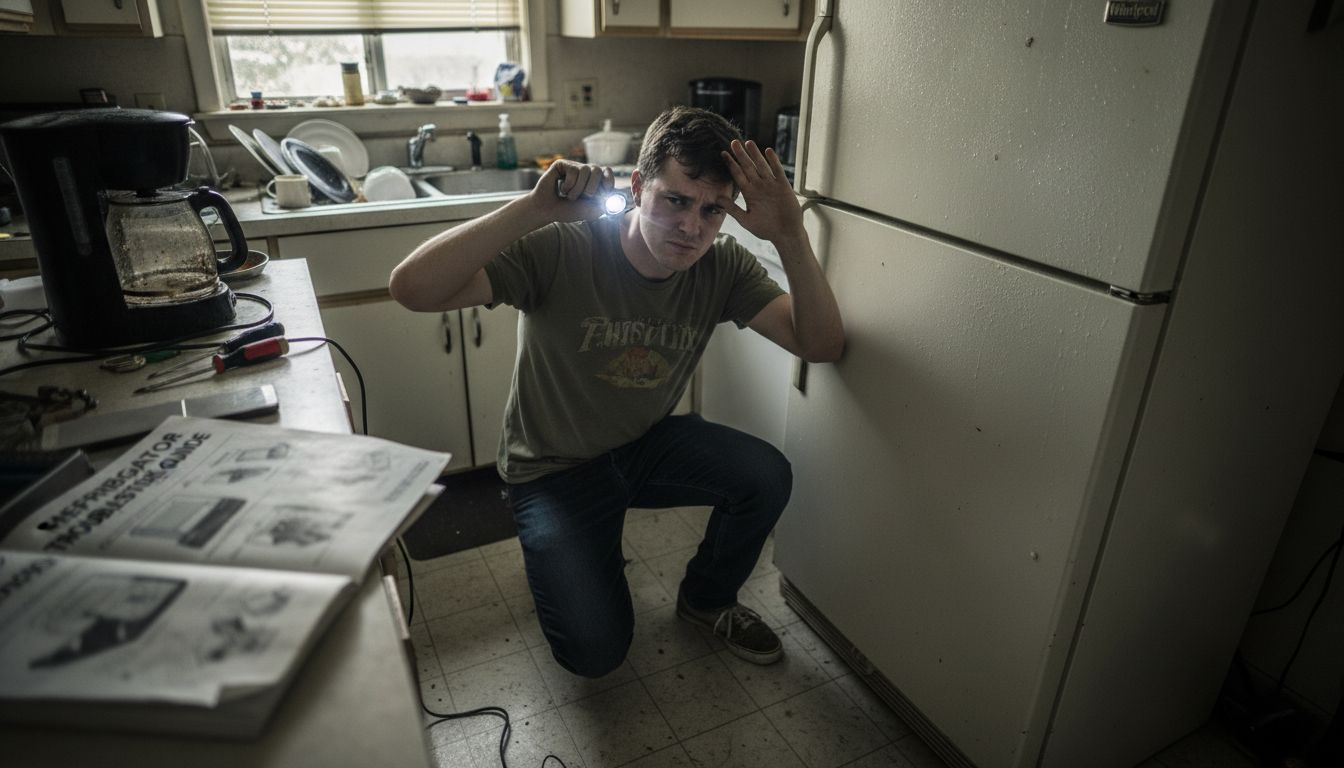
No homeowner in Marlboro wants to scramble when the refrigerator quits or the stove refuses to fire up. Appliance breakdowns are more than just inconvenient—they threaten food safety, household budgets, and daily comfort. Mechanical failures can quickly evolve into larger financial headaches if ignored. Discover how recognizing early warning signs and understanding common causes helps you safeguard your American home against costly appliance emergencies.
Table of Contents
- What Appliance Breakdowns Really Mean
- Most Common Causes of Appliance Failure
- Types of Appliances That Fail Most Often
- Key Warning Signs Homeowners Miss
- How to Reduce Repair Costs and Stress
Key Takeaways
| Point | Details |
|---|---|
| Appliance Breakdowns Indicate Systems Issues | Appliance failures often reveal deeper challenges in household systems that can result in increased repair costs and operational inefficiencies. |
| Routine Maintenance is Essential | Regular maintenance checks can prevent minor issues from escalating into significant problems, saving time and money. |
| Be Aware of Warning Signs | Recognizing early signs of appliance failure can help homeowners address issues before they become costly repairs. |
| Invest in Quality Appliances | Researching appliance reliability and considering extended warranties can mitigate risks associated with high-failure models. |
What Appliance Breakdowns Really Mean
Appliance breakdowns represent more than just temporary inconveniences—they signal deeper issues within household systems that can have significant financial and operational consequences. Critical energy system challenges demonstrate how equipment failures impact overall household efficiency and sustainability.
When an appliance stops working, homeowners face multiple potential problems beyond the immediate repair. These breakdowns can indicate:
- Aging technology degradation
- Accumulated maintenance neglect
- Potential systemic performance issues
- Risk of escalating repair or replacement costs
Consumer Reports highlights that most breakdowns stem from specific component failures, such as refrigerator compressor malfunctions or range ignition system problems. Mechanical failures don’t just interrupt daily routines—they create ripple effects touching food safety, energy consumption, and household budgets.
Appliance performance implications reveal that seemingly minor issues can quickly transform into major financial burdens. A malfunctioning refrigerator, for instance, might compromise food preservation, leading to additional grocery expenses and potential health risks.
Pro tip: Schedule routine maintenance checks every six months to catch potential appliance issues before they become expensive emergencies.
Most Common Causes of Appliance Failure
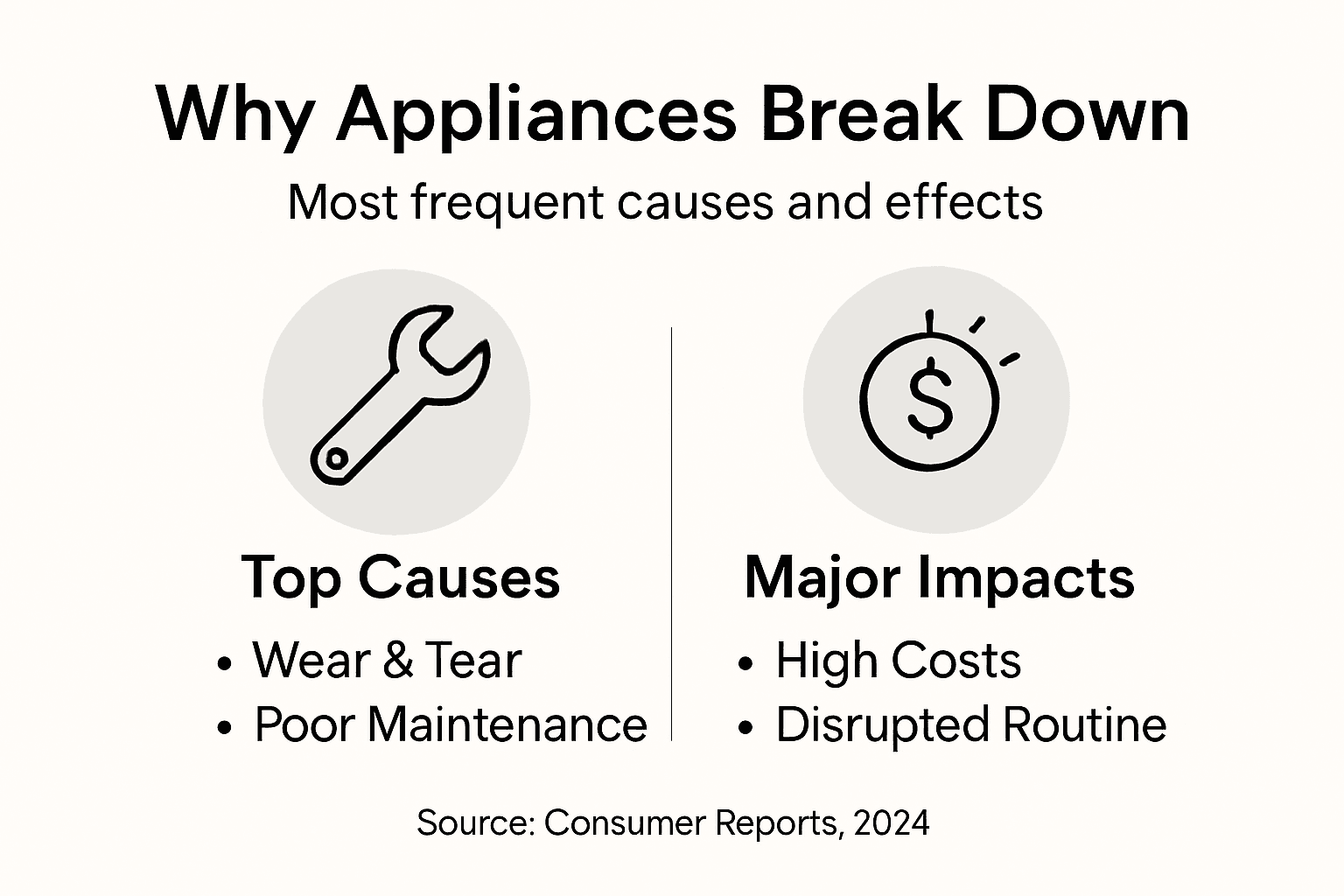
Appliance failures are rarely random events. Instead, they result from a complex interplay of mechanical, electrical, and environmental factors that gradually compromise system performance. Common cause failure mechanisms reveal how multiple components can break down simultaneously due to underlying systemic issues.
The most prevalent causes of appliance breakdowns include:
- Manufacturing defects
- Inadequate maintenance
- Regular wear and tear
- Electrical system complications
- Environmental stress factors
- Design limitations in modern equipment
Consumer Reports identifies several specific component vulnerabilities that frequently lead to appliance failures. Mechanical vulnerabilities typically manifest in critical areas such as:
- Refrigerator compressor malfunctions
- Faulty control panel electronics
- Broken icemaker mechanisms
- Ignition system problems in ranges
- Deterioration of evaporator fan motors
Appliance breakdown patterns demonstrate that most failures stem from cumulative stress rather than sudden catastrophic events. Complex modern appliances with advanced features introduce additional potential failure points, increasing the likelihood of mechanical complications.
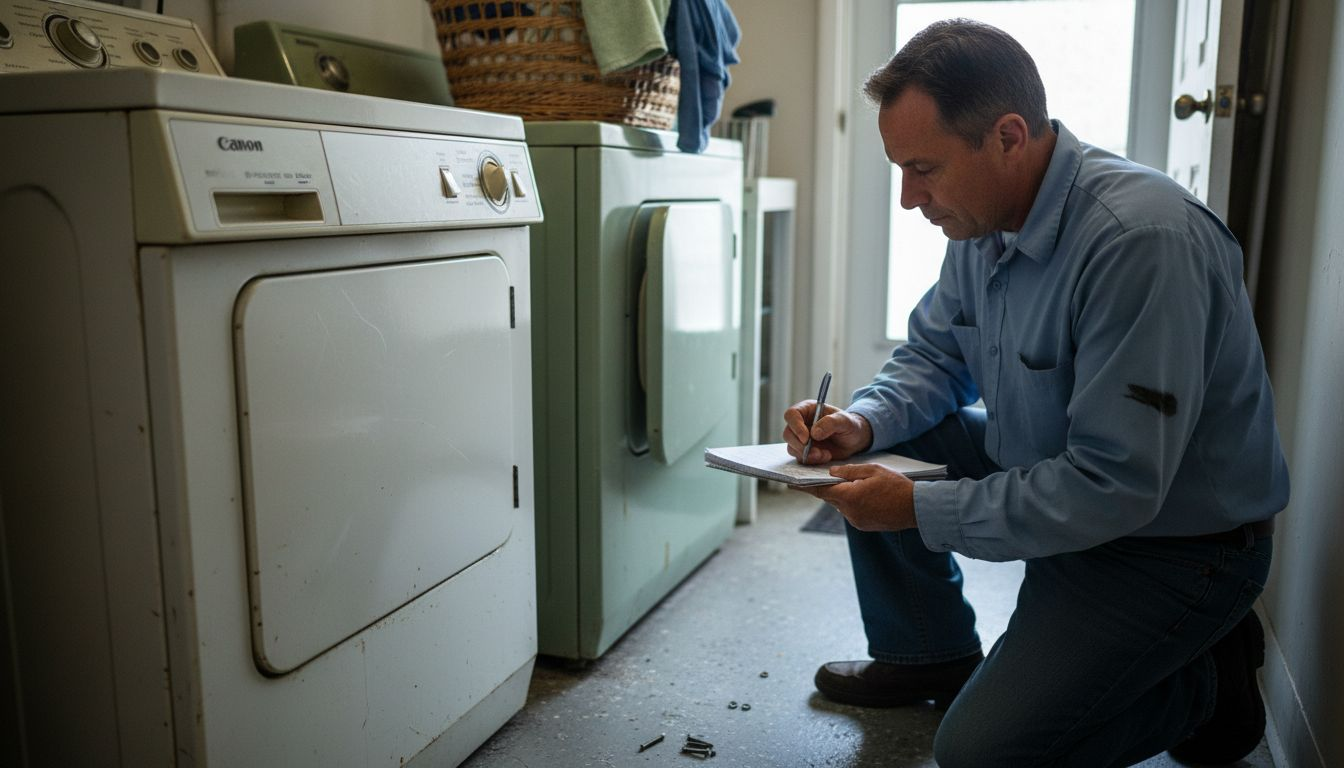
Pro tip: Keep detailed maintenance records and schedule professional inspections annually to identify potential breakdown risks before they escalate into costly repairs.
Types of Appliances That Fail Most Often
Household appliances have varying reliability levels, with some models proving more prone to breakdowns than others. Appliance reliability patterns reveal critical insights into which machines demand the most attention from homeowners.
The most failure-prone appliances typically include:
- Refrigerators
- Washing machines
- Dishwashers
- Electric and gas dryers
- Ranges and ovens
- Televisions
Consumer Reports highlights specific vulnerabilities in different appliance categories. Mechanical breakdown trends demonstrate that certain components are particularly susceptible to failure:
- Refrigerator compressors frequently malfunction
- Washing machine control panels often experience electrical issues
- Dryer heating elements degrade faster than other components
- Gas range ignition systems prove notoriously unreliable
Appliance failure statistics indicate that reliability varies significantly between brands and models. Factors such as manufacturing quality, usage patterns, and maintenance practices dramatically influence an appliance’s longevity and performance.
Pro tip: Research specific model reliability ratings before purchasing and invest in extended warranties for high-risk appliance types.
Key Warning Signs Homeowners Miss
Appliance failures rarely happen overnight. Subtle breakdown indicators reveal critical warning signals that most homeowners unknowingly ignore until major problems emerge.
Critical early warning signs include:
- Unusual mechanical noises
- Inconsistent temperature regulation
- Longer than normal operational cycles
- Unexplained increases in energy consumption
- Water leaks or moisture accumulation
- Intermittent electronic malfunctions
- Reduced performance efficiency
Performance degradation often manifests through seemingly minor symptoms that homeowners frequently dismiss as normal wear. Some specific red flags demand immediate attention:
Here’s a summary comparing common appliance failure signs and their possible hidden causes:
| Warning Sign | Possible Hidden Cause | Recommended Action |
|---|---|---|
| Unusual noises | Bearing or motor wear | Schedule inspection |
| Inconsistent temperature | Faulty sensor or seal issue | Check and replace components |
| Longer operating cycles | Clogged filters or airflow blockage | Clean or replace filters |
| Water leaks or moisture | Hose or gasket failure | Inspect hoses and tighten seals |
| Increased energy use | Internal mechanical inefficiency | Review energy use, maintain parts |
- Refrigerator not maintaining consistent cooling
- Washing machine producing grinding sounds
- Dryer taking multiple cycles to dry clothes
- Range burners failing to ignite consistently
- Dishwasher leaving dishes partially cleaned
Appliance reliability research suggests that most homeowners overlook these warning signs, potentially leading to costly repairs or complete system failures. Recognizing these indicators early can save significant time and money in long-term appliance maintenance.
Pro tip: Create a monthly checklist to systematically inspect your appliances for subtle performance changes and document any emerging issues.
How to Reduce Repair Costs and Stress
Reducing appliance repair expenses requires strategic planning and proactive maintenance. DIY repair techniques can help homeowners minimize unnecessary professional service costs and manage potential breakdowns more effectively.
Key strategies for minimizing repair expenses include:
- Regular preventative maintenance
- Learning basic troubleshooting skills
- Understanding warranty coverage
- Tracking repair and maintenance history
- Comparing repair versus replacement costs
- Investing in quality appliance protection plans
Cost management approaches can significantly reduce financial stress associated with appliance breakdowns. Homeowners should focus on:
- Performing simple maintenance tasks independently
- Cleaning critical components regularly
- Replacing worn gaskets and seals
- Checking electrical connections
- Lubricating moving mechanical parts
- Monitoring appliance performance consistently
Documenting each appliance’s maintenance history helps identify potential issues before they escalate into expensive repairs. Early intervention and routine care can prevent minor problems from becoming major financial burdens.
Compare approaches to controlling long-term appliance repair costs:
| Approach | Pros | Cons |
|---|---|---|
| Routine professional checks | Early issue detection, expert fixes | Service fees, scheduling needed |
| DIY maintenance | Low cost, flexible timing | Risk of improper repairs |
| Appliance warranty plans | Reduces major out-of-pocket costs | Additional upfront expense |
| Digital maintenance logs | Tracks problems over time | Requires consistent record-keeping |
Pro tip: Create a digital maintenance log for each appliance, tracking repair dates, service history, and performance changes to anticipate potential future issues.
Protect Your Home From Appliance Breakdowns With Trusted Local Experts
Dealing with unexpected appliance failure can disrupt your day and cause costly headaches. The article highlights the hidden warning signs and frequent causes of breakdowns that many homeowners miss. If you notice unusual noises, inconsistent operation, or rising energy bills it is crucial to act fast before minor issues become expensive repairs. Our team at Expert Appliance Repair understands these challenges and offers fast, reliable services to keep your major household appliances running smoothly.
Discover peace of mind with our same-day appliance repair and maintenance services in Marlboro, NJ and Monmouth County. From refrigerators to washers and dryers our experienced technicians fix common mechanical failures and electrical issues efficiently. Visit our Appliance Archives – Expert Appliance for more helpful tips and information. Don’t wait for an emergency call us now at expertapplianceinc.com to schedule your service and protect your home today.
Frequently Asked Questions
What are the common causes of appliance breakdowns?
Appliance breakdowns often result from manufacturing defects, inadequate maintenance, regular wear and tear, electrical complications, and environmental stress factors.
How can I identify early warning signs that my appliance might fail?
Look for unusual mechanical noises, inconsistent temperature regulation, increased energy consumption, and water leaks. These signs can indicate underlying issues that need immediate attention.
What types of appliances are most prone to failure?
Commonly, refrigerators, washing machines, dishwashers, dryers, and ranges often experience breakdowns due to specific vulnerabilities in their components.
How can I reduce the repair costs associated with appliance breakdowns?
You can minimize repair costs by scheduling regular preventive maintenance, learning basic troubleshooting skills, and keeping detailed records of repair history to catch issues early.