
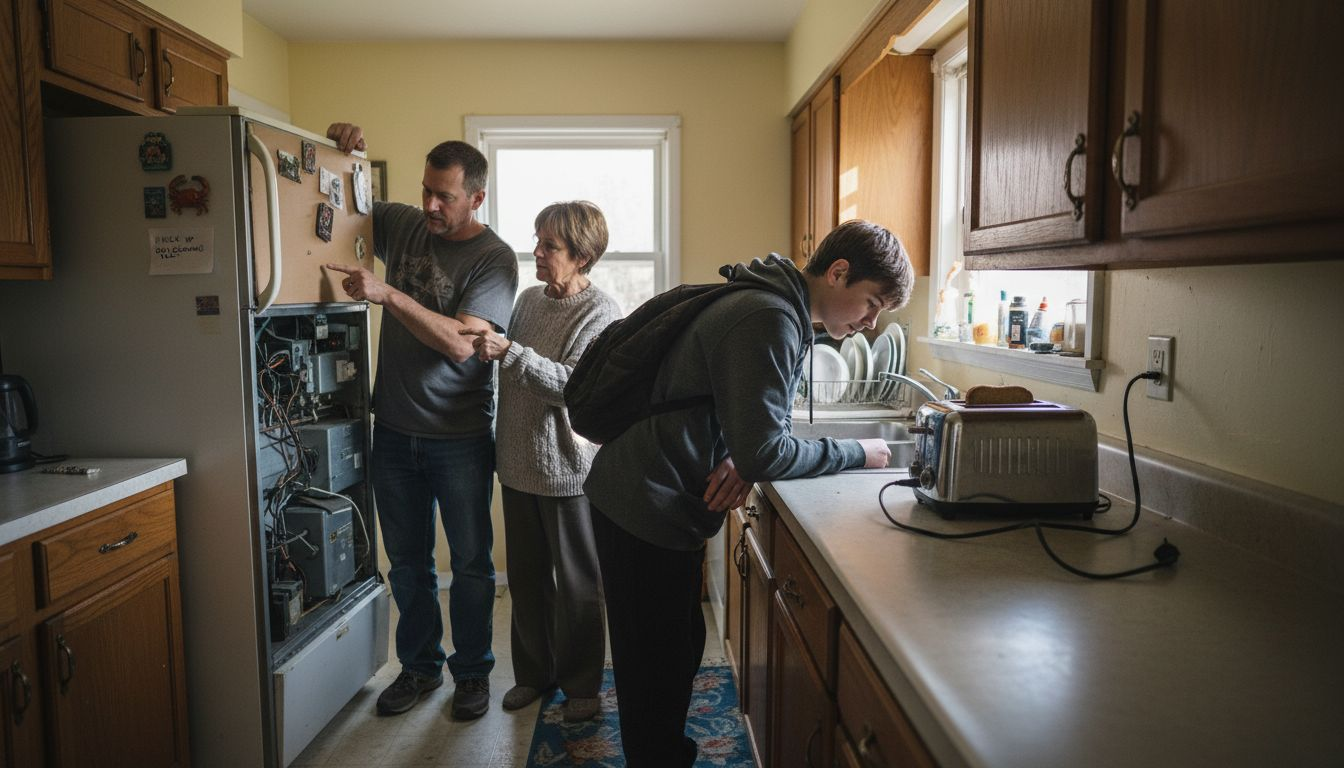
A single faulty power cord or overheated outlet can quickly turn a peaceful Marlboro evening into an urgent safety concern. Appliance safety is about more than convenience—it protects your family and your property from real dangers like electrical fires and shocks. Residential building fires caused by electrical malfunctions led to 24,200 incidents in 2021, making awareness and preventive care crucial for every New Jersey homeowner serious about keeping their home safe and secure.
Table of Contents
- What Appliance Safety Means For Homes
- Major Types Of Appliance Hazards Explained
- Common Warning Signs And Risk Factors
- Homeowner Responsibilities And Legal Requirements
- Expert Tips For Safe Appliance Maintenance
Key Takeaways
| Point | Details |
|---|---|
| Prioritize Appliance Inspections | Regularly inspect electrical cords and appliances to identify potential hazards and prevent accidents. |
| Understand Appliance Hazards | Recognize fire, shock, and thermal risks associated with appliances to maintain a safe home environment. |
| Comply with Safety Regulations | Follow local electrical codes and manufacturer guidelines to ensure legal compliance and household safety. |
| Implement Preventive Maintenance | Establish a routine for cleaning and caring for appliances to enhance their safety and longevity. |
What Appliance Safety Means for Homes
Appliance safety represents a critical aspect of protecting New Jersey homes from potential electrical and fire hazards. Understanding the risks and implementing preventive measures can significantly reduce the likelihood of accidents that might compromise household well-being.
Safety involves more than just avoiding immediate dangers – it requires comprehensive awareness of how electrical appliances interact with home environments. Electrical appliance safety standards mandate specific manufacturing guidelines to minimize risks such as electric shocks and potential fire incidents.
Key aspects of home appliance safety include:
- Regular inspection of electrical cords for wear and damage
- Avoiding overloading electrical outlets
- Unplugging small appliances when not in use
- Keeping appliances away from water sources
- Maintaining proper ventilation around heating devices
Electrical Fire Prevention is particularly crucial, as residential building fires caused by electrical malfunctions resulted in 24,200 incidents in 2021, leading to significant property damage and potential loss of life.
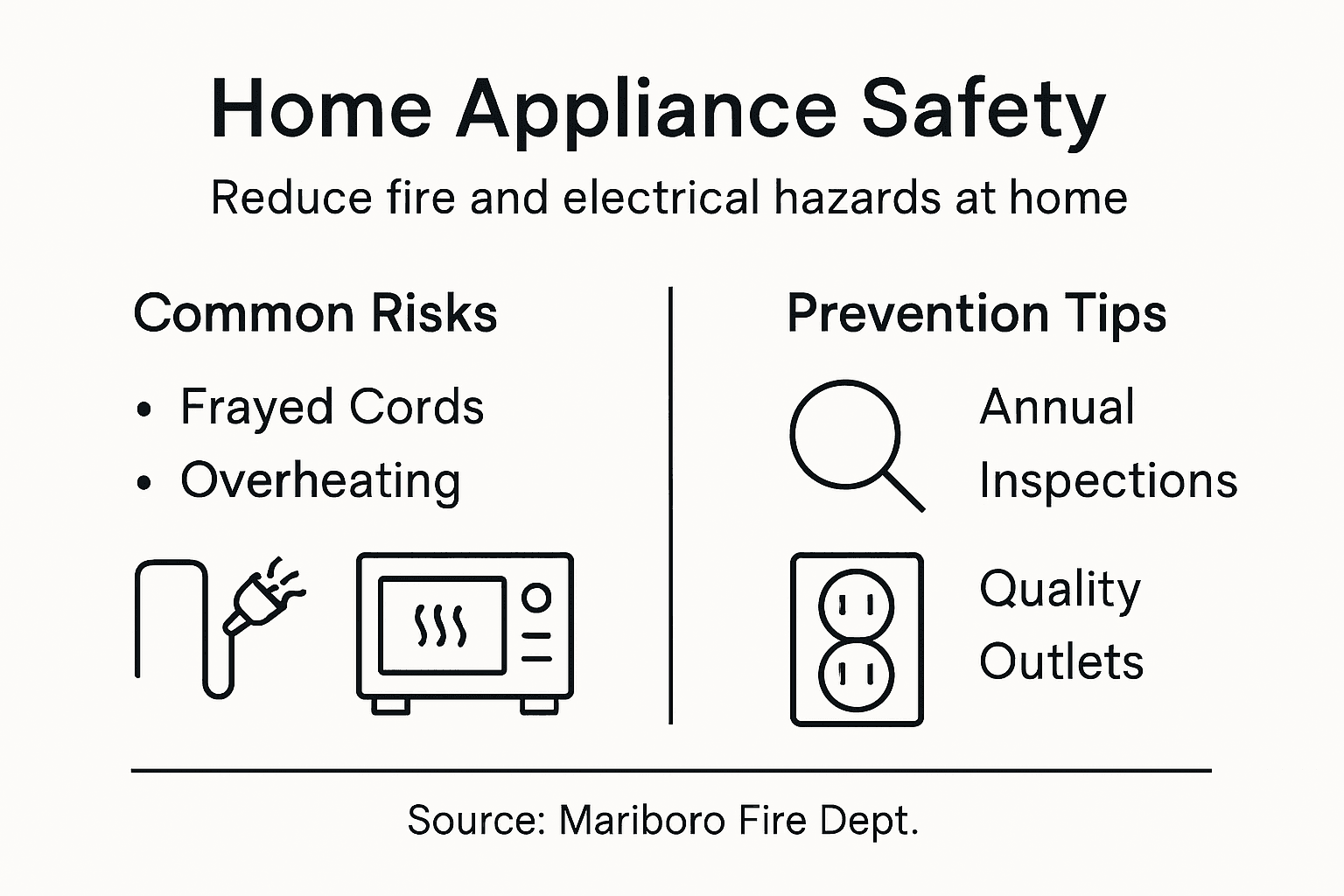
Pro tip: Schedule annual professional inspections of major home appliances to catch potential safety issues before they escalate into serious problems.
Major Types of Appliance Hazards Explained
Appliances, while essential for modern New Jersey homes, can pose significant safety risks when not properly maintained or used correctly. Understanding these potential hazards is crucial for protecting your household from electrical accidents, fires, and other dangerous situations.
Household electrical appliances present multiple safety challenges that homeowners must carefully manage. The primary hazards include electrical shock, fire risks, and potential burn injuries caused by malfunctioning or improperly used devices.
Major types of appliance hazards include:
-
Electrical Fire Risks
- Faulty internal wiring
- Damaged electrical cords
- Overloaded electrical outlets
- Proximity to combustible materials
-
Shock and Electrocution Dangers
- Exposed wiring
- Wet environment interactions
- Damaged power plugs
- Improper grounding
-
Thermal Hazards
- Overheating appliances
- Malfunctioning temperature controls
- Risk of burns from hot surfaces
- Potential spontaneous combustion
Electrical Safety demands vigilant monitoring, as improper appliance usage can lead to significant fire risks. Marlboro homeowners should prioritize regular inspections and immediate repair of any potentially dangerous electrical equipment.
Pro tip: Invest in high-quality surge protectors and perform quarterly visual inspections of all electrical cords and appliance connections to minimize potential safety risks.
Common Warning Signs and Risk Factors
Recognizing potential appliance hazards early can mean the difference between a minor repair and a catastrophic home safety incident. Marlboro homeowners must develop a keen awareness of subtle signs that might indicate underlying electrical or mechanical problems with their household devices.
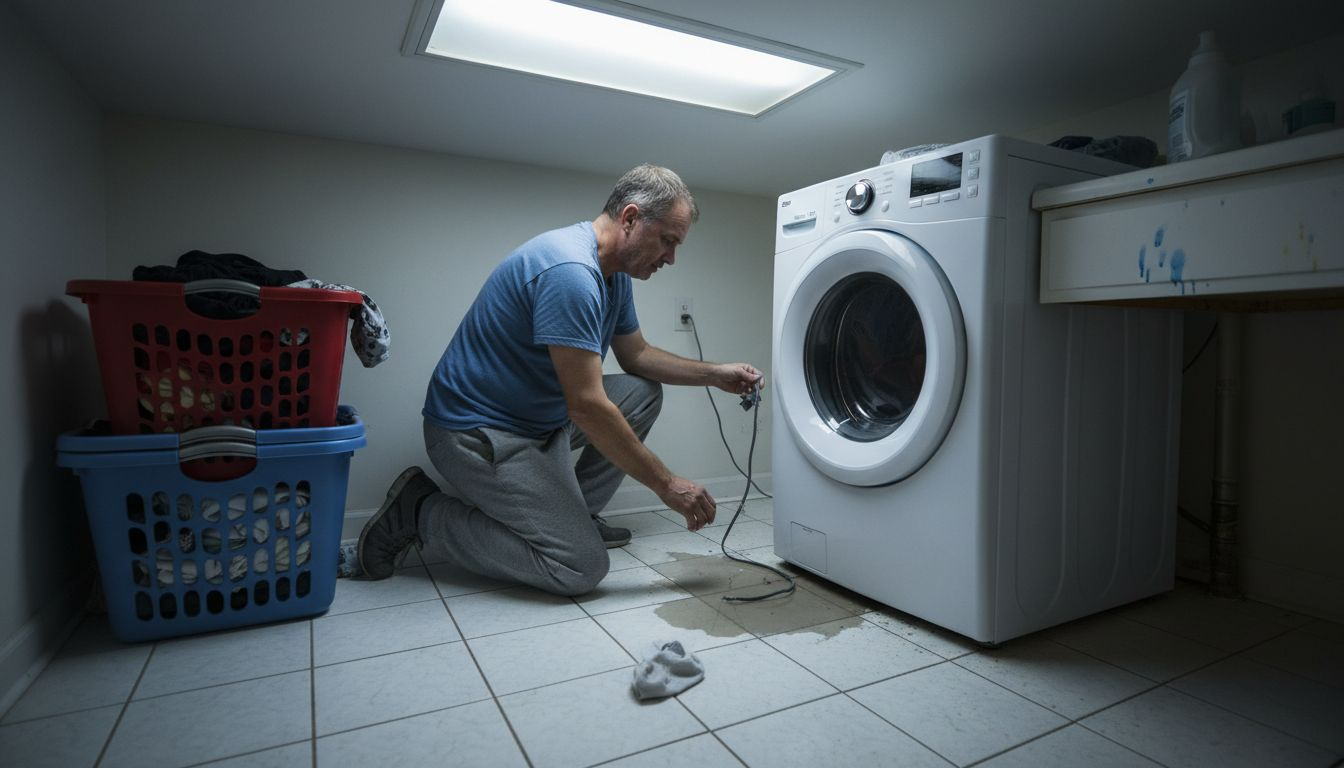
Electrical safety guidelines highlight several critical warning signs that should never be ignored. These indicators range from subtle sensory cues to more obvious mechanical malfunctions that demand immediate attention.
Critical warning signs include:
-
Visual Indicators
- Frayed or cracked electrical cords
- Scorch marks around outlets
- Visible wire damage
- Melted plastic components
-
Sensory Warning Signs
- Burning electrical smell
- Unusual buzzing sounds
- Persistent heat from appliance surfaces
- Intermittent flickering lights
-
Performance Red Flags
- Frequent circuit breaker tripping
- Inconsistent appliance performance
- Unexpected power fluctuations
- Slow or erratic device operation
Appliance Risk Assessment becomes crucial, as early detection prevents potential electrical hazards. Homeowners should treat any unusual behavior from electrical devices as a potential warning sign requiring professional evaluation.
Pro tip: Create a monthly home appliance checklist to systematically inspect electrical cords, outlets, and device performance, catching potential issues before they escalate into serious safety risks.
Homeowner Responsibilities and Legal Requirements
Homeowners in Marlboro, New Jersey, bear significant legal and ethical responsibilities when it comes to maintaining electrical appliances and ensuring household safety. Understanding these obligations is crucial for preventing potential accidents and protecting both property and personal well-being.
Appliance and equipment standards establish clear guidelines that New Jersey residents must follow to maintain safe and efficient home environments. These regulations extend beyond simple maintenance, encompassing proper usage, installation, and periodic inspection of electrical devices.
Key homeowner responsibilities include:
-
Legal Compliance
- Adhering to local electrical codes
- Following manufacturer safety instructions
- Maintaining appliances in safe working condition
- Reporting potential safety hazards
-
Safety Maintenance
- Regular appliance inspections
- Replacing damaged electrical cords
- Ensuring proper electrical outlet usage
- Monitoring appliance performance
-
Documentation Requirements
- Keeping warranty and service records
- Maintaining installation certificates
- Documenting repair and maintenance history
- Preserving manufacturer guidelines
Home Safety Obligations become critical, as electrical safety regulations demand proactive management of household electrical systems. Marlboro homeowners must understand that neglecting these responsibilities can result in legal liability and potential safety risks.
Here’s a quick comparison of legal, safety, and documentation requirements for Marlboro homeowners:
| Responsibility Area | What It Involves | Why It Matters |
|---|---|---|
| Legal Compliance | Follow state/local electrical codes | Prevents fines and legal issues |
| Safety Maintenance | Regular appliance checks and repairs | Protects family and property |
| Documentation | Maintain service and warranty records | Proves responsible ownership |
Pro tip: Create a dedicated home appliance safety folder containing all maintenance records, warranty information, and manufacturer guidelines to demonstrate responsible ownership and track your devices’ operational history.
Expert Tips for Safe Appliance Maintenance
Maintaining electrical appliances requires more than casual attention – it demands a systematic approach to ensure the safety and longevity of your home’s critical devices. Marlboro homeowners must develop a proactive strategy for monitoring and caring for their household equipment.
Electrical appliance safety guidelines emphasize the importance of regular inspection and careful usage. Understanding these recommendations can significantly reduce the risk of electrical accidents and potential home hazards.
Key maintenance strategies include:
-
Routine Inspection Techniques
- Check electrical cords for fraying or damage
- Examine plug connections for signs of wear
- Test outlets for proper grounding
- Look for scorch marks or discoloration
-
Cleaning and Care Practices
- Unplug appliances before cleaning
- Remove lint and dust from device vents
- Use manufacturer-recommended cleaning methods
- Avoid using water near electrical components
-
Safe Usage Protocols
- Use appliances on dedicated circuits
- Avoid overloading electrical outlets
- Keep devices away from water sources
- Use surge protectors for sensitive electronics
Preventative Maintenance is critical, as electrical fire prevention requires consistent and careful attention to your home’s electrical systems. Marlboro residents should treat appliance care as an essential aspect of home safety.
Use this table to prioritize maintenance techniques for safer appliances:
| Maintenance Focus | Primary Goal | Best Practice |
|---|---|---|
| Inspection | Spot early damage | Schedule monthly visual checks |
| Cleaning | Prevent dust/lint buildup | Clean vents and surfaces routinely |
| Usage | Avoid overloading circuits | Use one appliance per outlet |
Pro tip: Create a digital or physical maintenance log for each major appliance, tracking inspection dates, cleaning schedules, and any repair work to ensure consistent and thorough care.
Protect Your Marlboro Home with Expert Appliance Care
Appliance safety is essential for every Marlboro homeowner who wants to avoid electrical hazards, fires, and costly repairs. The article highlights critical concerns such as faulty wiring, damaged cords, and improper appliance use that threaten your household safety. If you notice warning signs like unusual smells or flickering lights, acting fast can prevent serious problems. Keeping your appliances in safe working order aligns perfectly with your goals of maintaining a secure and efficient home environment.
Don’t leave your home’s safety to chance. At Expert Appliance Repair, we specialize in fast, reliable service for refrigerators, washers, dryers, ovens, and more to help you manage appliance risks effectively. Regular maintenance and timely repairs can stop small issues from becoming dangerous hazards. Explore our Appliance Archives for tips or contact us directly to schedule same-day service.
Take control of your home safety today by partnering with a trusted, family-owned business serving Marlboro and Monmouth County since 1988. Visit Expert Appliance Repair now for 24/7 emergency support and upfront pricing. Keep your family and property safe with expert help just a call away.
Frequently Asked Questions
What are common signs that an appliance may pose a safety risk?
Look for frayed or damaged cords, scorch marks around outlets, persistent heat from appliance surfaces, and unusual buzzing sounds. These could indicate underlying issues that require immediate attention.
How can I prevent electrical fires caused by appliances?
To prevent electrical fires, regularly inspect electrical cords for damage, avoid overloading outlets, keep appliances away from flammable materials, and unplug small devices when not in use. Schedule annual professional inspections for major appliances as an extra precaution.
What should I do if my appliance is malfunctioning?
If your appliance is showing signs of malfunction, such as inconsistent performance or frequent tripping of circuit breakers, stop using it immediately. Contact a professional for a thorough examination and repairs to ensure safety.
How often should I inspect my electrical appliances?
It’s advisable to conduct visual inspections of your electrical appliances and cords at least once a month. Regular checks can help identify potential hazards before they escalate into serious safety issues.
Recommended
- Appliance Emergencies: Fast Action for New Jersey Homes – Expert Appliance
- Appliance Liability: What It Means for NJ Homeowners – Expert Appliance
- Appliance Recycling: Benefits for Marlboro Homeowners – Expert Appliance
- 7 Essential Emergency Appliance Checklist Tips for Homeowners – Expert Appliance