
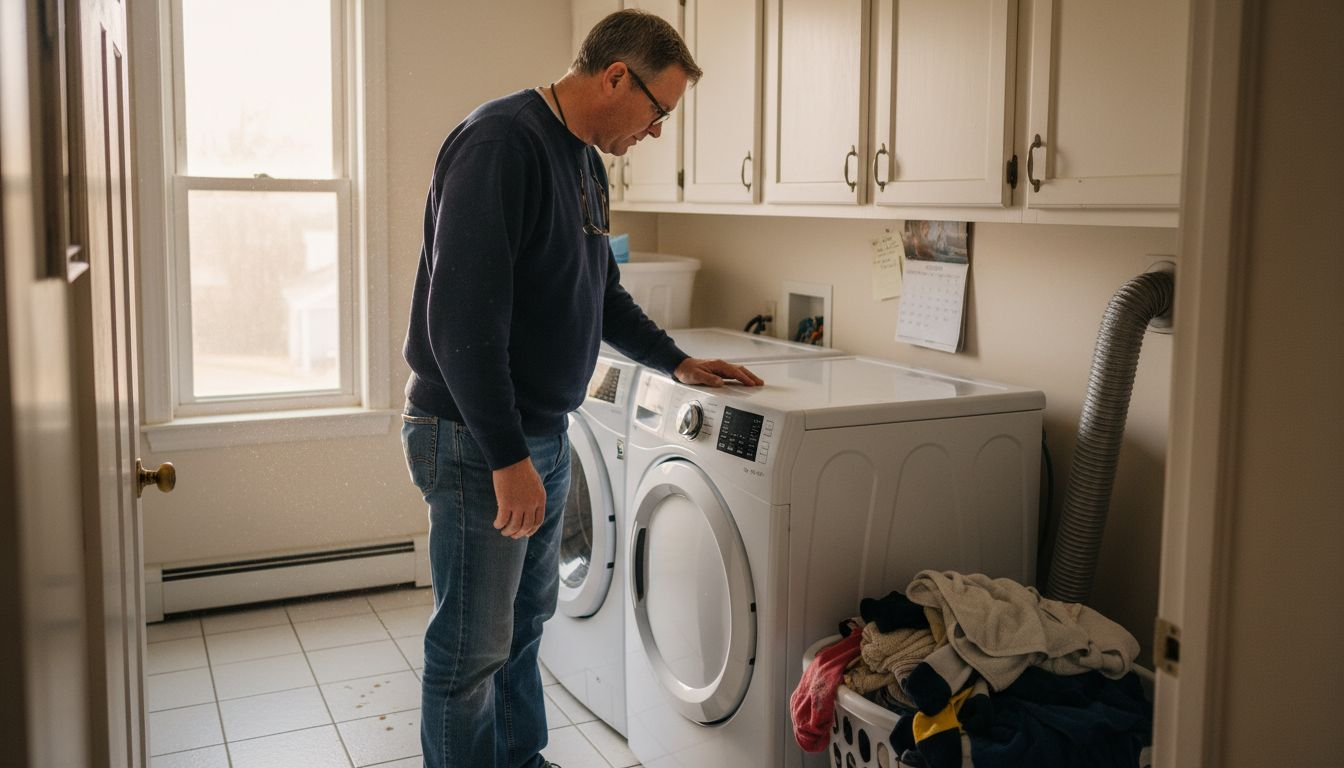
Monmouth County homeowners face rising energy costs, and inefficient dryer use contributes significantly to high utility bills. Choosing the right dryer type, leveraging advanced technology features, maintaining your appliance properly, and adopting smart laundry habits can reduce energy consumption by up to 50%. This guide provides actionable tips to help you lower costs, improve dryer performance, and extend appliance lifespan in 2026.
Table of Contents
- How To Choose The Right Dryer: Gas, Electric, Or Heat Pump
- Understanding And Using Advanced Dryer Technology Features
- Optimal Dryer Maintenance Practices To Keep Your Dryer Efficient
- Smart Laundry Habits For Energy Savings
- Comparison Of Dryer Types And Their Energy Impacts
- Summary And Recommendations For Monmouth County Homeowners
- Expert Appliance Repair And Maintenance For Your Dryer In Monmouth County
Key takeaways
| Point | Details |
|---|---|
| Right dryer choice affects energy use and costs | Heat pump dryers use ~50% less energy; gas dryers cost less to operate in NJ. |
| Advanced features like moisture sensors reduce drying time and energy | Sensors can cut energy use by up to 20% by preventing over-drying. |
| Regular maintenance prevents inefficiency and fire hazards | Clean lint traps after every load and inspect vents annually for safety. |
| Smart laundry habits optimize energy and drying performance | Proper load sizing and fabric sorting minimize energy waste and drying time. |
How to choose the right dryer: gas, electric, or heat pump
Selecting the right dryer type directly impacts your energy bills and drying efficiency. Monmouth County homeowners have three main options: gas, electric, and heat pump dryers. Each type offers distinct advantages depending on your home setup, budget, and energy priorities.
Gas dryers dry clothes faster and typically cost less to operate in New Jersey due to favorable natural gas pricing. If your home already has a gas hookup, this option delivers quick results and lower monthly utility bills. Electric dryers are widely available and easier to install in homes without gas lines. ENERGY STAR certified dryers use about 20% less energy than conventional models meeting 2015 federal standards, reducing household energy bills. Heat pump dryers represent the most energy-efficient choice, using about 50% less energy than standard electric resistance dryers while treating clothes more gently. Ventless heat pump models suit homes without external venting options, though they carry higher upfront costs.
When choosing a dryer, consider these factors:
- Hookup availability: Does your home have gas lines or only electric outlets?
- Upfront cost: Heat pump dryers cost more initially but save significantly over time.
- Energy savings: Calculate potential monthly savings based on your usage patterns.
- Space constraints: Ventless models offer flexibility for tight spaces or apartments.
Regular appliance maintenance extends dryer lifespan regardless of type. If your dryer shows signs of wear or inefficiency, professional dryer repairs restore performance and prevent costly replacements.
Next, explore technology features that enhance efficiency regardless of dryer type.
Understanding and using advanced dryer technology features
Advanced dryer features optimize energy use and deliver better results. Moisture sensors represent one of the most valuable innovations, detecting when clothes reach optimal dryness and automatically stopping the cycle. Dryers with moisture sensors save energy by reducing consumption by up to 20% compared to timed cycles that often over-dry clothes. This prevents unnecessary heat exposure and fabric damage while cutting energy waste.
Dryer balls improve air circulation inside the drum, allowing hot air to reach clothes more effectively. These simple tools reduce drying time and energy use by around 10% by separating fabrics and preventing clumping. Wool or rubber dryer balls cost little but deliver consistent savings over thousands of loads.
Additional efficiency features include:
- Damp alert notifications: Signals when clothes are slightly damp for easy ironing, preventing over-drying.
- No-heat refresh cycles: Removes wrinkles and odors without consuming energy for heating.
- Eco modes: Balances drying time with lower temperatures for maximum energy savings.
- Steam functions: Reduces wrinkles and sanitizes fabrics using minimal water and energy.
Heat pump technology integrates sensor features for optimal performance, delivering gentler care that preserves fabric quality. These dryers recycle heat rather than venting it outside, achieving superior efficiency across all load types.
Pro Tip: Enable moisture sensors on every load and skip timed cycles entirely. Sensors adapt to load size and fabric type automatically, preventing energy waste from guesswork.
Using these features correctly boosts efficiency across all dryer types. If your dryer lacks these capabilities or sensors malfunction, consult the dryer troubleshooting guide for quick fixes.
Having explored technology, the next section covers essential maintenance practices to sustain dryer efficiency and safety.
Optimal dryer maintenance practices to keep your dryer efficient
Proper maintenance directly impacts dryer efficiency, safety, and longevity. Neglected dryers consume more energy, pose fire risks, and fail prematurely. Monmouth County homeowners should prioritize these critical maintenance tasks.
Clean the lint trap after every single load. Regular lint trap cleaning improves dryer efficiency significantly and reduces fire risk. Lint buildup restricts airflow, forcing the dryer to run longer and work harder. This simple habit takes seconds but prevents dangerous lint accumulation in vents and internal components.
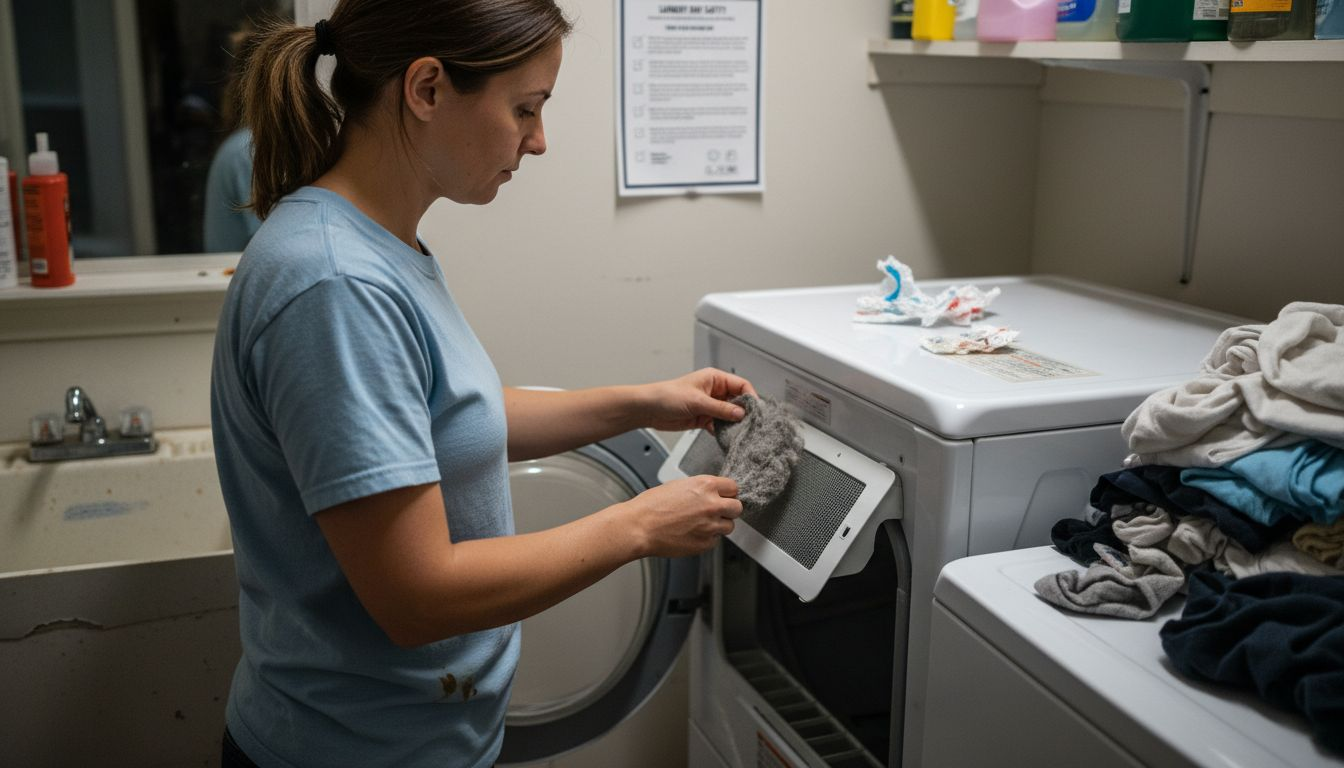
Vent maintenance requires attention beyond the lint trap. Proper dryer venting reduces drying time and energy use while preventing lint buildup that causes fires. Use only smooth metal vent ducts, limit length to 35 feet maximum, and support ducts every 12 feet to prevent sagging. Avoid flexible plastic or foil ducts that trap lint and create fire hazards. Inspect vents quarterly for kinks, obstructions, or damage that restrict airflow.
Schedule professional maintenance annually to catch issues before they escalate. Technicians inspect internal components, clean hard-to-reach areas, and verify proper operation. Regular professional maintenance and prompt repair extend dryer life and maintain efficiency, especially important for Monmouth County homeowners facing harsh winter conditions that stress appliances.
Key maintenance actions include:
- Vacuuming around and behind the dryer to remove dust and debris.
- Checking door seals for gaps that allow heat to escape.
- Testing heating elements and thermostats for proper function.
- Inspecting drum rollers and belts for wear that increases friction and energy use.
Pro Tip: Mark your calendar for quarterly vent inspections and annual professional service. Preventive maintenance costs far less than emergency repairs or dryer replacement.
Understanding causes of dryer fires and why dryers overheat helps you recognize warning signs early. Address unusual noises, extended drying times, or overheating immediately to prevent safety hazards.
Following maintenance, learn how your laundry habits also play a key role in energy savings.
Smart laundry habits for energy savings
Your drying habits influence energy consumption as much as your dryer choice. Simple adjustments to load size, cycle selection, and sorting practices reduce energy waste and improve results.
Load size matters significantly. Overloading dryers increases drying time and energy use, while underloading wastes energy. Clothes need space to tumble freely for hot air to circulate effectively. Fill the drum about three-quarters full for optimal efficiency. Overloaded dryers force moisture to redistribute unevenly, requiring multiple cycles or extended run times.
Fabric sorting optimizes drying efficiency. Group items by weight and drying time:
- Heavy items like towels and jeans require longer drying times.
- Lightweight synthetics and delicates dry quickly at lower temperatures.
- Medium-weight cottons fall between these extremes.
Mixing fabric types forces you to over-dry lightweight items or under-dry heavy ones. Sorting prevents this waste and preserves fabric quality.
Cycle selection impacts energy use dramatically:
- Use delicate or low-heat cycles for synthetics to prevent over-drying and static.
- Choose medium heat for most cotton loads to balance speed and efficiency.
- Reserve high heat for heavy towels and bedding only.
- Skip heat entirely for air-fluff cycles when refreshing lightly worn items.
Additional energy-saving habits include removing clothes promptly when dry to prevent wrinkles that require rewashing or ironing. Shake out items before loading to reduce tangling and improve air circulation. Run full loads whenever possible, but never overstuff the drum.
Pro Tip: Dry consecutive loads while the dryer stays warm. Residual heat from the previous cycle reduces energy needed to reach optimal temperature.
Maintaining your appliance cleaning checklist ensures all household appliances operate efficiently. If drying performance declines despite good habits, professional dryer repair in Elizabeth or nearby Monmouth County restores efficiency quickly.
Now that you understand choosing and using dryers efficiently, compare the types to see which fits your situation best.
Comparison of dryer types and their energy impacts
Understanding how gas, electric, and heat pump dryers compare helps you make informed purchasing decisions. This table summarizes key differences relevant to Monmouth County homeowners:
| Feature | Gas Dryer | Electric Dryer | Heat Pump Dryer |
|---|---|---|---|
| Energy use per load | Moderate | Higher | Lowest (~50% savings) |
| Operating cost in NJ | Lower (cheap gas) | Higher | Lowest long-term |
| Drying speed | Fastest | Moderate | Slower |
| Upfront cost | Moderate | Lowest | Highest |
| Installation requirements | Gas hookup needed | Standard 240V outlet | Standard outlet |
| Venting needs | External vent required | External vent required | Ventless options available |
| Fabric care | Good | Good | Gentlest |
| ENERGY STAR savings | N/A | ~20% vs. older models | ~50% vs. standard electric |
Gas dryers dry faster and typically cost less to operate in New Jersey where natural gas prices remain competitive. Homes with existing gas hookups gain immediate cost advantages. Electric dryers offer easier installation but higher monthly operating costs unless you choose ENERGY STAR models that reduce energy use by roughly 20%. Heat pump dryers deliver the highest energy savings at about 50%, though initial investment runs higher. Ventless heat pump models suit homes without ducting options, providing installation flexibility despite premium pricing.
Long-term costs favor heat pump dryers for frequent users, while gas dryers balance speed and economy. Electric dryers make sense for renters or homes without gas access. Understanding dryer fire causes reminds us that safety matters regardless of type chosen.
Finally, summarize these insights with tailored recommendations for Monmouth County homeowners.
Summary and recommendations for Monmouth County homeowners
Applying these dryer efficiency strategies delivers measurable energy savings and improved performance. Prioritize these actions based on your situation:
For new dryer purchases, ENERGY STAR or heat pump models provide significant energy savings over older conventional dryers. Heat pump dryers suit homeowners planning to stay long-term and willing to invest upfront for maximum savings. Gas dryers make sense if you have existing gas hookups and want faster drying at lower operating costs. Electric ENERGY STAR models balance affordability and efficiency for homes without gas access.
Maintenance practices require consistent attention. Clean lint traps after every load without exception. Schedule annual professional vent inspections and cleanings to prevent fire hazards and maintain airflow. Address performance issues immediately rather than tolerating slow drying or overheating.
Technology features deliver returns when used properly. Enable moisture sensors on every load to prevent over-drying. Add dryer balls to reduce drying time and energy consumption. Use eco modes and appropriate heat settings for different fabric types.
Laundry habits compound savings over time:
- Load dryers three-quarters full for optimal air circulation.
- Sort fabrics by weight and drying time to prevent over-drying.
- Run consecutive loads to leverage residual heat.
- Choose appropriate cycles based on fabric type and soil level.
Following this appliance maintenance checklist keeps all your appliances running efficiently. Combined, these strategies reduce energy bills, extend dryer lifespan, and improve clothing care.
Transition the article content toward available local services that support maintenance and repairs to preserve efficiency.
Expert appliance repair and maintenance for your dryer in Monmouth County
Maintaining dryer efficiency requires professional support when issues arise. Regular maintenance and prompt repairs keep dryers running safely and economically, preventing small problems from becoming costly failures.
Expert Appliance offers fast, reliable dryer repair services tailored to Monmouth County homeowners. Our technicians diagnose issues quickly and restore performance using quality parts and proven techniques. Whether your dryer runs too long, overheats, or fails to start, we provide solutions that extend appliance life and maintain efficiency.
Leverage professional appliance maintenance tips to prevent costly repairs and reduce downtime. Scheduled maintenance catches wear before it causes failures, saving money and frustration. Our 24/7 emergency support ensures help arrives whenever you need it, minimizing disruption to your household routine.
Close by answering common questions homeowners have about dryer efficiency and maintenance.
FAQ
What are the best dryer types for energy savings in Monmouth County?
Heat pump dryers offer the highest energy savings at roughly 50% compared to standard electric models. ENERGY STAR electric dryers provide about 20% savings over older conventional dryers. Gas dryers prove cost-effective if your home has a gas hookup, delivering faster drying at lower operating costs in New Jersey.
How often should I clean my dryer lint trap and vents?
Clean the lint trap after every single load to improve efficiency and reduce fire risk. Have dryer vents inspected and cleaned at least annually, or more frequently if you notice slow drying or musty odors. Homes with large families or frequent laundry may need quarterly vent cleaning.
Can advanced dryer features really lower my energy bills?
Moisture sensors can cut energy use by up to 20% by preventing over-drying and stopping cycles when clothes reach optimal dryness. Dryer balls reduce drying time and energy consumption by roughly 10% by improving air circulation. Combined with proper maintenance and smart habits, these features deliver measurable savings.
What local services help keep my dryer running efficiently?
Local professionals provide routine maintenance, repairs, and emergency service to ensure dryer efficiency and safety. Expert Appliance offers trusted dryer repair services in Monmouth County, NJ, with same-day availability and upfront pricing. Regular professional service prevents costly breakdowns and extends appliance lifespan.
Recommended
- Causes of dryer fires in Monmouth County 2026: 88% linked to lint – Expert Appliance
- Appliance Cleaning Checklist 2026: 30% Energy Savings NJ – Expert Appliance
- Dryer Troubleshooting Guide: Fix Common Dryer Problems Fast – Expert Appliance
- Why Dryers Overheat – Protecting Your NJ Home – Expert Appliance