
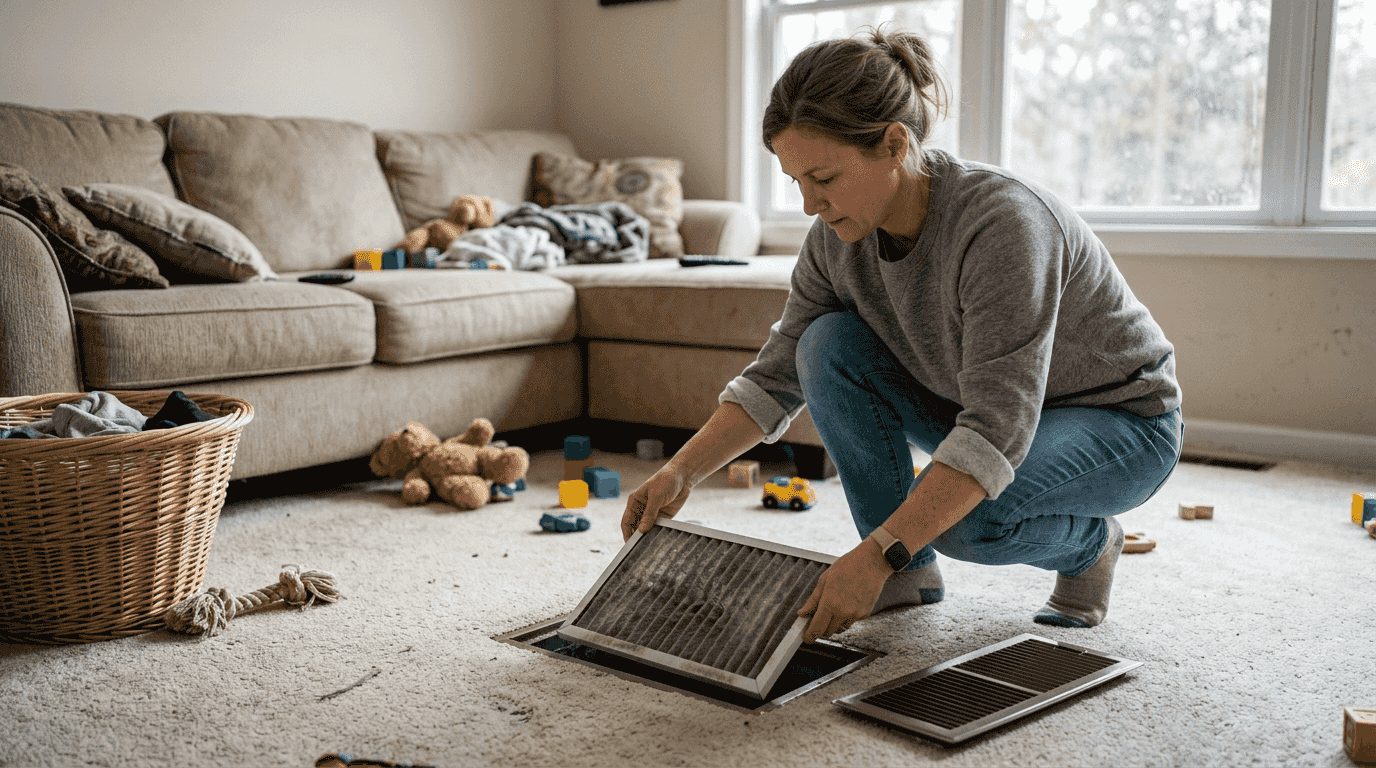
Clogged appliance filters cause thousands of preventable fires and drive up energy bills by 15% annually. Most homeowners overlook these critical components, yet they protect your appliances from damage while keeping your home safe. Understanding filter maintenance transforms how efficiently your household systems operate and how long they last.
Table of Contents
- Why Appliance Filters Are Essential For Your Home
- How Dirty Filters Impact Energy Bills And Appliance Lifespan
- Identifying And Replacing Appliance Filters: Essential Steps
- Comparing Common Types Of Appliance Filters And Their Maintenance Needs
- Protect Your Home With Expert Appliance Filter Services
- Frequently Asked Questions
Key takeaways
| Point | Details |
|---|---|
| Filters protect appliance mechanisms | They trap dust, lint, and debris to prevent internal damage and maintain proper airflow. |
| Dirty filters increase energy costs | Clogged filters force appliances to work harder, raising energy bills by 5-15%. |
| Neglected filters create fire hazards | 15,000 dryer fires occur yearly from insufficient airflow due to clogged filters. |
| Regular maintenance extends appliance life | Replacing filters every 1-3 months prevents costly breakdowns and premature system failure. |
| Filter care improves indoor air quality | Clean filters reduce allergens and pollutants circulating through your home. |
Why appliance filters are essential for your home
Filters serve as the first line of defense for your household appliances. They trap dust, lint, pet dander, and debris before these particles damage internal components or reduce system efficiency. Without functioning filters, your appliances work harder and fail faster.
Proper airflow determines how well your appliances perform. Filters regulate this airflow by preventing obstructions that force motors and heating elements to overcompensate. When airflow gets restricted, temperatures rise dangerously inside appliances, creating conditions for mechanical failure or worse.
The statistics reveal shocking risks. Over 15,000 clothes dryer fires happen each year from insufficient airflow caused by clogged vents and filters. These fires destroy homes and endanger lives, yet simple filter maintenance prevents most incidents. The connection between neglected filters and catastrophic failure cannot be overstated.
Beyond safety, filters directly impact the air you breathe. Every cycle your HVAC system runs, air passes through filters that either clean or contaminate your indoor environment. Dirty filters recirculate allergens, mold spores, and fine particles throughout your home. This affects respiratory health and overall comfort.
Understanding the importance of appliance cleaning in NJ helps homeowners recognize maintenance as investment rather than expense. Clean filters extend equipment lifespan while maintaining peak performance. The few minutes spent checking filters saves thousands in replacement costs and repair bills.
Pro Tip: Set phone reminders for monthly filter checks. Consistent inspection catches problems before they escalate into expensive repairs or safety hazards.
How dirty filters impact energy bills and appliance lifespan
Your monthly energy costs reflect how hard your appliances work. When filters get clogged, systems compensate by running longer cycles and drawing more power. This invisible tax on efficiency adds up quickly across multiple appliances.
HVAC systems demonstrate the clearest impact. Replacing a dirty filter reduces energy consumption by 5% to 15% immediately. That translates to $75-$225 saved annually on a typical $1,500 energy bill. Multiply this across dryers, refrigerators, and other filtered appliances for substantial household savings.
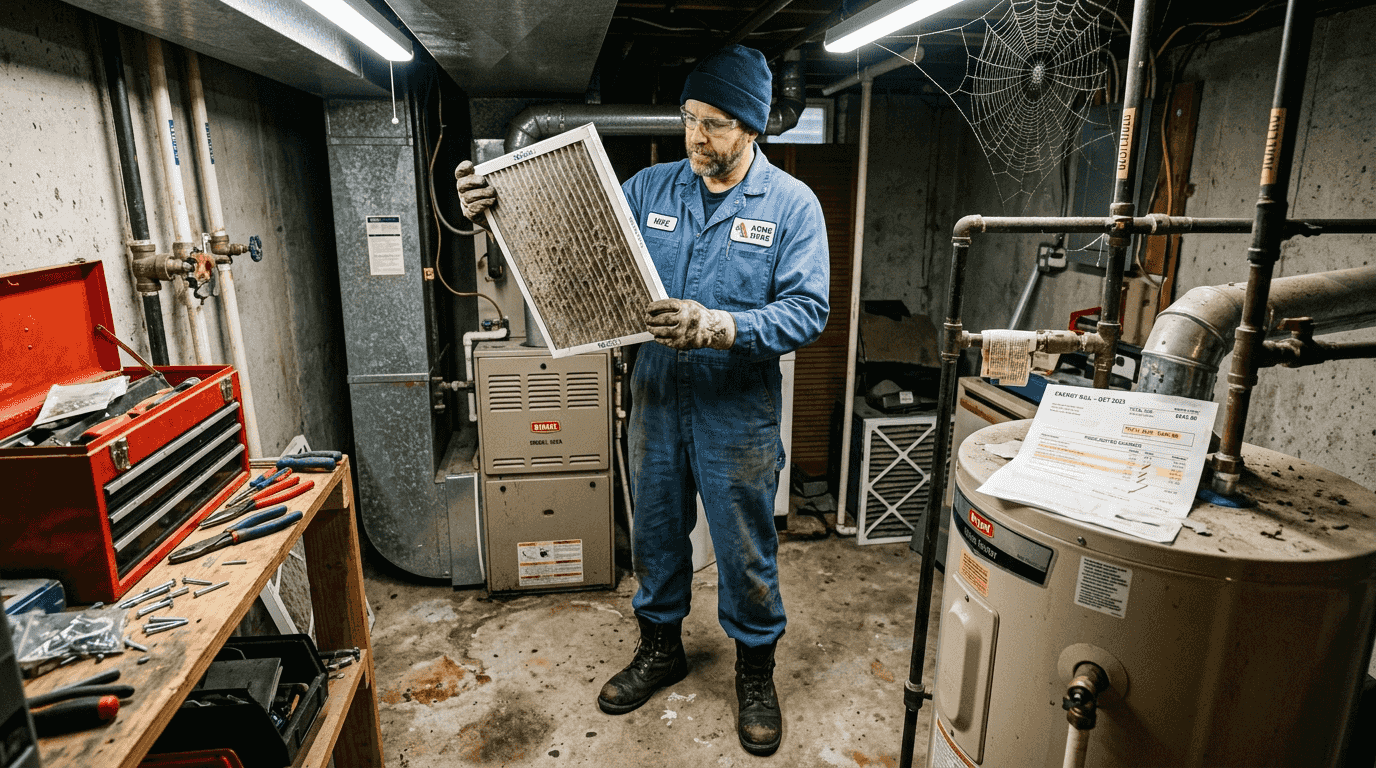
The mechanical toll extends beyond utility costs. Restricted airflow forces motors to strain, heating elements to overwork, and compressors to cycle excessively. Regular filter changes prevent frozen coils and early system wear that leads to expensive breakdowns. Each dirty filter shaves months off your appliance’s expected lifespan.
| Appliance Type | Energy Increase from Dirty Filter | Average Annual Cost |
|---|---|---|
| HVAC System | 5-15% | $75-$225 |
| Clothes Dryer | 10-25% | $40-$100 |
| Refrigerator | 3-8% | $15-$40 |
| Dishwasher | 5-12% | $10-$25 |
Preventative maintenance delivers measurable returns. The $5-$30 spent on replacement filters pales against repair bills ranging from $150-$500 for filter-related failures. Boosting your home’s efficiency starts with this simple habit.
Pro Tip: Replace filters every 1-3 months depending on usage. Homes with pets or heavy AC use need monthly changes, while lighter use allows quarterly replacement.
Identifying and replacing appliance filters: essential steps
Locating filters varies by appliance but follows predictable patterns. HVAC filters typically sit in return air vents or at the furnace unit. Dryer lint screens rest inside the door opening, while deeper vent filters require accessing exterior vents. Refrigerator filters hide behind grilles or inside compartments.
Recognizing dirty filters prevents damage:
- Weak airflow from vents or appliances indicates restriction
- Visible dust coating or debris buildup on filter surfaces
- Musty odors when systems run suggest mold growth on damp filters
- Increased operating noise from struggling motors
- Longer cycle times to complete normal tasks
Follow this replacement process:
- Turn off and unplug the appliance for safety
- Locate the filter compartment using your owner’s manual
- Remove the old filter and note its size and type
- Clean the filter housing with a damp cloth
- Insert the new filter matching airflow direction arrows
- Secure the compartment and restore power
- Test the appliance to confirm proper operation
Timing matters as much as technique. Check and replace filters every 1-3 months for optimal performance. Households with pets or allergies benefit from monthly changes. Mark your calendar to avoid overdue maintenance.
Mastering appliance care best practices and implementing DIY maintenance tips empowers homeowners to prevent problems before they start. Simple habits compound into significant savings and extended equipment life.
Pro Tip: Keep spare filters on hand for each appliance type. Having replacements ready eliminates delays when you discover a dirty filter during inspection.
Comparing common types of appliance filters and their maintenance needs
Filter technology varies widely based on application and performance requirements. Understanding these differences helps you choose and maintain the right filters for your appliances.
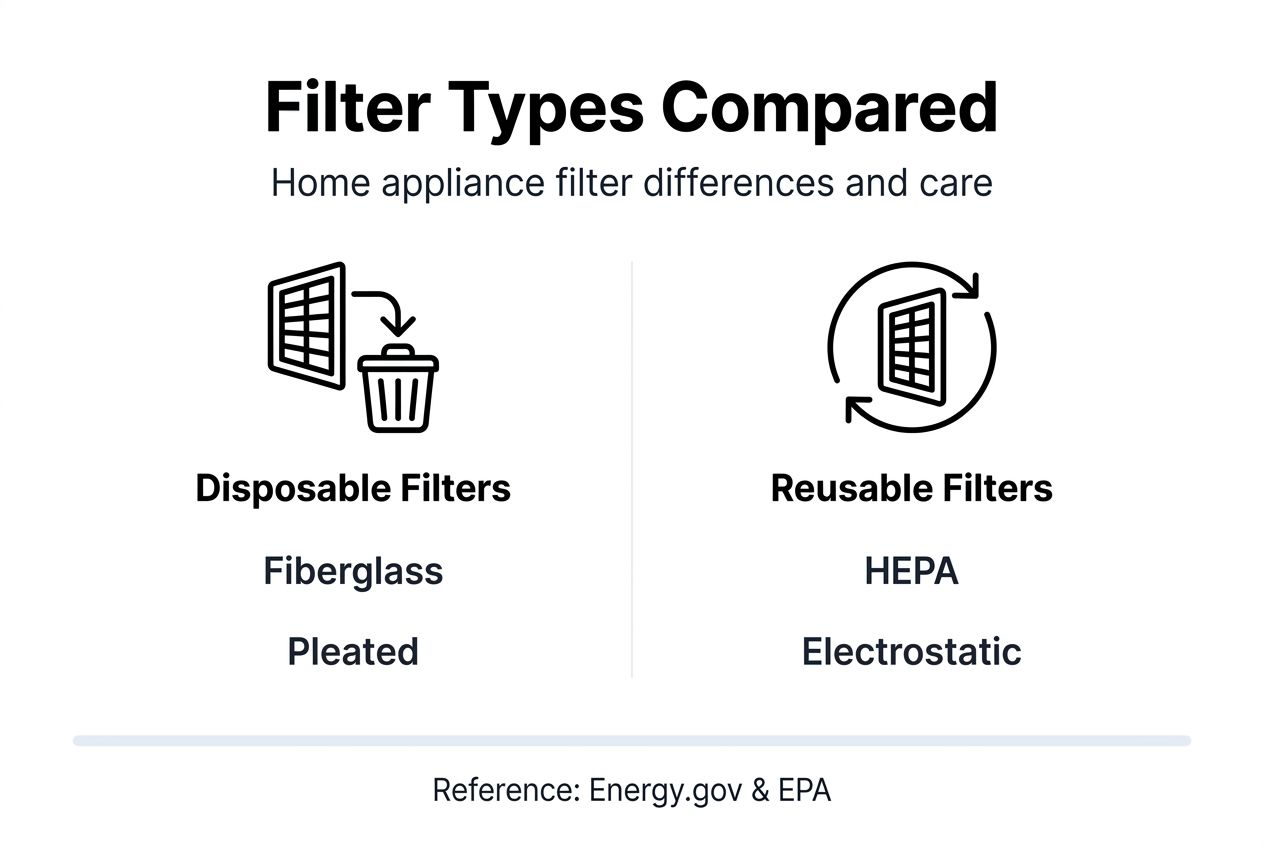
Fiberglass filters offer basic protection at low cost. These disposable panels capture large particles but allow smaller contaminants through. They suit budget-conscious households willing to accept minimal filtration. Replace monthly for best results.
Pleated filters provide superior particle capture through increased surface area. Their accordion design traps smaller particles including pollen and mold spores. Most HVAC systems benefit from pleated filters replaced every 90 days. The modest price increase delivers measurably cleaner air.
HEPA filters represent the gold standard for air purification. They remove 99.97% of particles down to 0.3 microns, including bacteria and smoke. Vacuums and high-end HVAC systems use HEPA technology. These filters cost more but protect health in homes with allergies or respiratory conditions.
Electrostatic filters use static electricity to attract particles. Many models can be washed and reused for years, offering long-term savings. Clean them monthly under running water and allow complete drying before reinstallation. Their effectiveness diminishes over time, requiring eventual replacement.
| Filter Type | Lifespan | Cleaning Method | Best For | Cost Range |
|---|---|---|---|---|
| Fiberglass | 1 month | Replace only | Basic protection | $1-$5 |
| Pleated | 3 months | Replace only | General households | $10-$25 |
| HEPA | 6-12 months | Replace only | Allergy sufferers | $20-$50 |
| Electrostatic | 3-5 years | Wash monthly | Cost-conscious homes | $40-$100 |
| Lint Screen | Ongoing | Clean after each use | Dryers | Included |
Clogged air filters remain a common and avoidable cause of poor indoor air quality. Knowing 7 signs when to replace appliances helps distinguish filter issues from terminal equipment failure. Following an appliance maintenance checklist ensures nothing gets overlooked.
Reusable versus disposable filters present tradeoffs:
- Disposable filters offer convenience and guaranteed performance when new
- Reusable filters reduce waste and long-term costs but require cleaning discipline
- Disposable options suit busy households prioritizing simplicity
- Reusable filters appeal to environmentally conscious homeowners
Your choice should reflect household needs, time availability, and budget considerations. Both types work effectively when maintained properly.
Protect your home with expert appliance filter services
Maintaining filters protects your investment in home appliances while ensuring family safety. Professional inspection catches problems invisible to untrained eyes and prevents small issues from becoming expensive emergencies.
Expert Appliance provides comprehensive filter inspection and replacement services throughout Monmouth County. Our technicians understand how filters interact with complex appliance systems. We identify optimal replacement schedules based on your specific usage patterns and environmental factors.
Regular professional maintenance prevents the costly breakdowns and fire hazards that come from neglected filters. We service all major appliance brands, ensuring your equipment receives expert care regardless of manufacturer.
Our appliance and vacuum repair services extend beyond filters to comprehensive system health checks. Schedule your maintenance appointment today to protect your home and maximize appliance efficiency.
Frequently asked questions
How often should I replace appliance filters?
Filters generally need replacement every 1-3 months depending on usage and environmental conditions. Homes with pets, allergies, or heavy AC use require monthly changes. Lighter use allows quarterly replacement schedules.
What are the risks of ignoring appliance filter maintenance?
Ignoring filters leads to energy bills increasing 5-15%, frequent appliance breakdowns, and serious fire hazards. Poor indoor air quality develops as contaminants recirculate through your home. Equipment lifespan drops significantly from preventable wear.
Can I clean and reuse all appliance filters?
Electrostatic and reusable mesh filters can be washed monthly and reused for years. Disposable fiberglass and pleated filters must be replaced to maintain efficiency. Check manufacturer specifications before attempting to clean any filter.
How do I know if my appliance filter needs replacing?
Weaker airflow from vents signals restriction from dirty filters. Increased dust accumulation, musty odors, and visible debris on filter surfaces indicate replacement time. Regular monthly inspections catch issues before they cause appliance damage.