
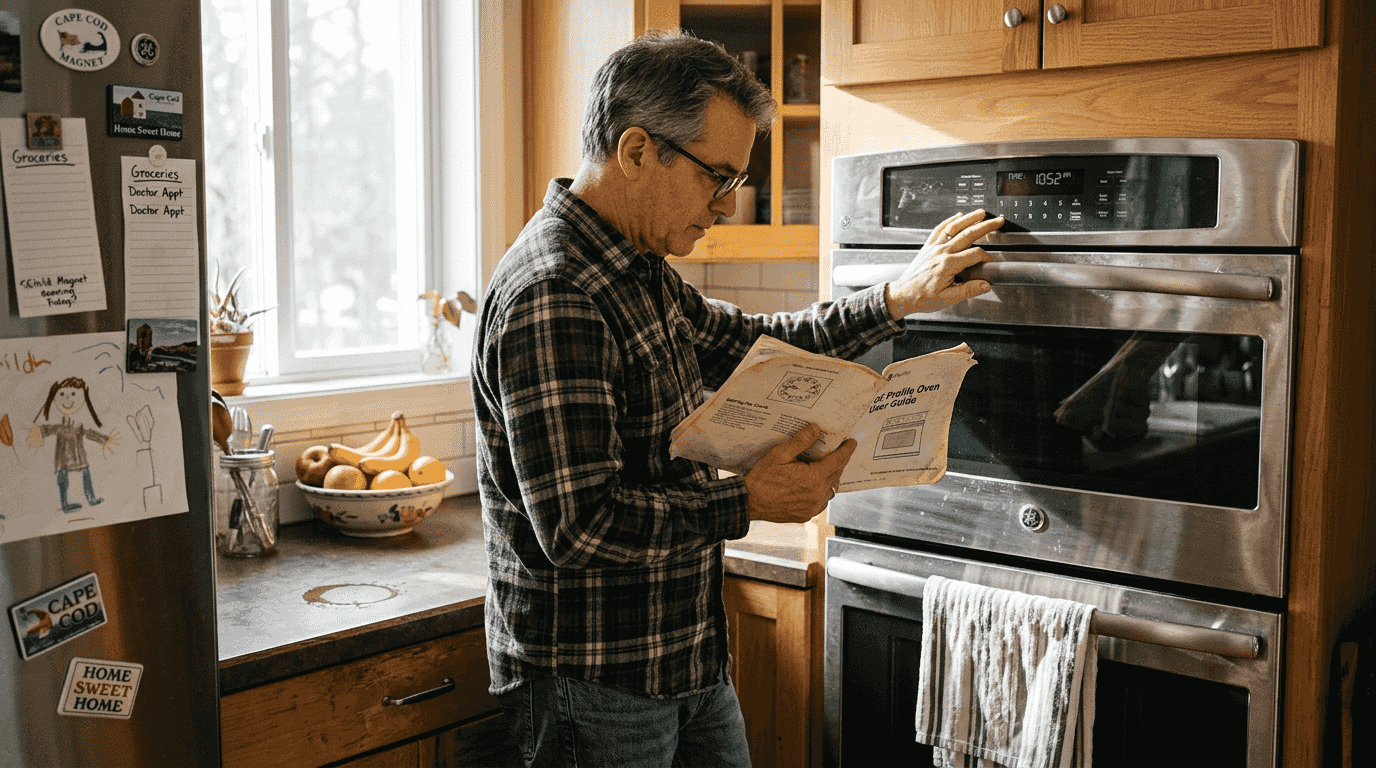
Many homeowners and small business owners in Monmouth County confuse appliance calibration with repair, leading to missed opportunities for preventing breakdowns and reducing energy costs. Calibration involves fine-tuning your appliances to manufacturer specifications, ensuring they operate at peak efficiency and accuracy. This guide clarifies what appliance calibration adjusts equipment settings to manufacturer specifications for peak performance, why it matters for your home or business, and how professional services can extend appliance lifespan while lowering utility bills. You’ll learn which appliances need calibration, when to seek professional help, and practical maintenance tips to keep your equipment running smoothly throughout 2026 and beyond.
Table of Contents
- Understanding Appliance Calibration And Its Importance
- Common Appliances That Require Calibration And Typical Calibration Processes
- Diy Calibration Vs. Professional Calibration: What Homeowners And Small Businesses Should Know
- Maintaining Appliance Calibration: Tips For Extending Appliance Life And Performance
- Professional Appliance Calibration And Repair Services In Monmouth County, Nj
- Frequently Asked Questions About Appliance Calibration
Key takeaways
| Point | Details |
|---|---|
| Calibration optimizes performance | Adjusting appliance settings to factory specifications ensures maximum efficiency and accuracy. |
| Prevents costly repairs | Regular calibration identifies potential issues before they escalate into expensive breakdowns. |
| Professional services available | Monmouth County residents can access expert calibration to maintain appliance reliability. |
| Different from repair | Calibration fine-tunes working appliances while repair fixes broken components. |
| Extends appliance lifespan | Properly calibrated equipment experiences less wear and operates longer. |
Understanding appliance calibration and its importance
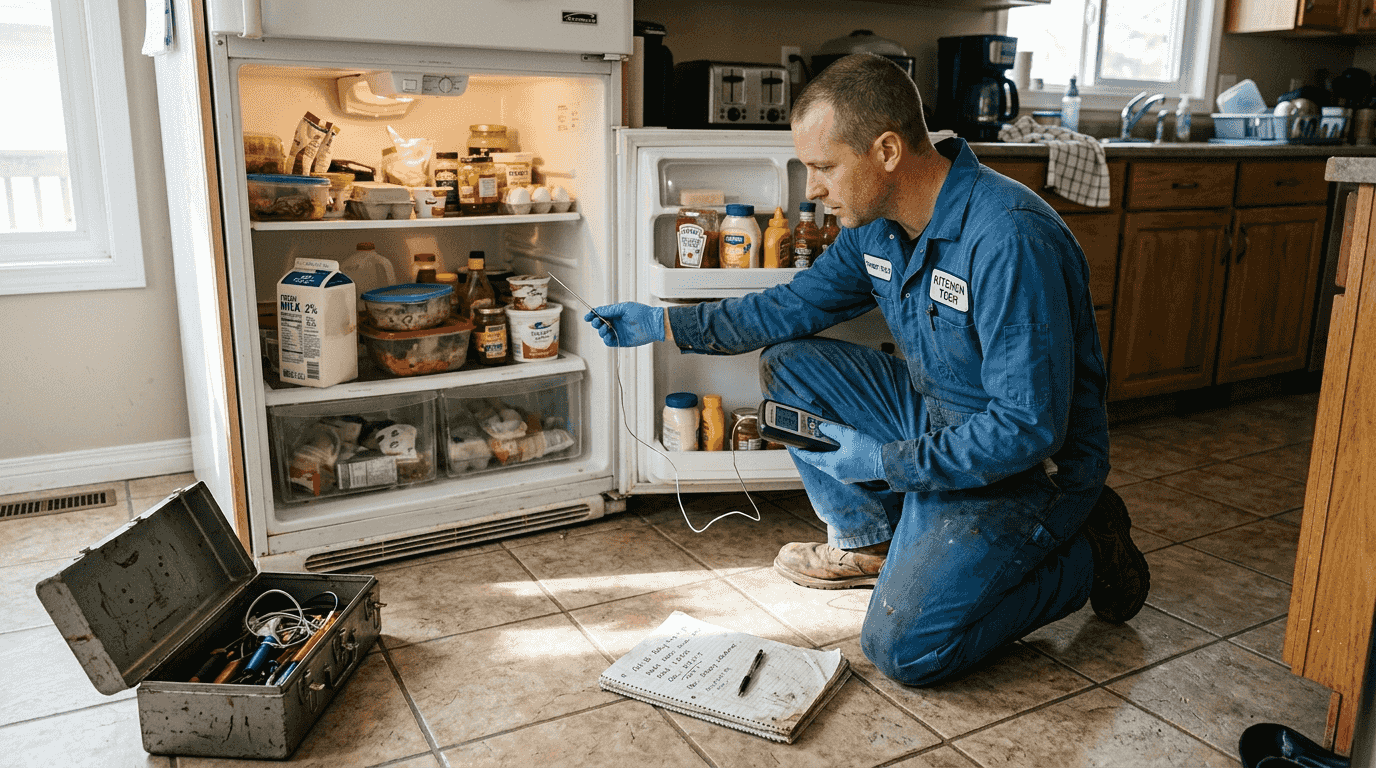
Appliance calibration refers to the process of adjusting internal settings and sensors to match manufacturer specifications. Unlike repair, which addresses broken parts, calibration ensures your working appliances deliver accurate results. For example, an oven displaying 350°F might actually heat to 375°F without proper calibration, ruining recipes and wasting energy.
Typical calibration adjustments include temperature sensors, water levels, cycle timings, and pressure settings. Refrigerators need temperature calibration to prevent food spoilage. Washing machines require water level adjustments for optimal cleaning. Ovens demand precise temperature alignment for consistent cooking results. These small tweaks make substantial differences in daily performance.
The benefits extend far beyond convenience. Calibrated appliances consume less energy because they don’t overcompensate or run longer than necessary. Safety improves when gas appliances maintain correct flame ratios and electrical units avoid overheating. Equipment longevity increases because components aren’t stressed by incorrect operation. A properly calibrated dishwasher uses the right amount of water and detergent, reducing wear on pumps and heating elements.
Calibration differs fundamentally from repair. Repair replaces faulty components like broken thermostats or worn belts. Calibration adjusts functioning components to operate within optimal parameters. Think of it as tuning a musical instrument versus replacing broken strings. Both are necessary, but calibration prevents many repairs by catching drift before components fail completely.
Several situations indicate your appliances need calibration:
- Food spoiling faster than expected in your refrigerator
- Clothes coming out too wet or too dry from your dryer
- Baked goods burning or undercooking despite following recipes
- Dishwasher leaving spots or residue on clean dishes
- HVAC system cycling on and off too frequently
Pro Tip: Keep a simple oven thermometer inside your oven and check it periodically. If the displayed temperature differs from the thermometer reading by more than 10 degrees, calibration is needed.
For detailed appliance maintenance tips that complement calibration, homeowners should establish regular inspection routines. Early detection of calibration drift prevents energy waste and preserves food quality, saving money over time.
Common appliances that require calibration and typical calibration processes
Different appliances such as ovens, refrigerators, and HVAC systems require specific calibration procedures tailored to their unique functions. Understanding which equipment needs attention helps you prioritize maintenance efforts and budget appropriately.
Key appliances requiring regular calibration include:
- Ovens and ranges: Temperature sensors drift over time, causing cooking inconsistencies
- Refrigerators and freezers: Thermostat calibration prevents food spoilage and energy waste
- Washing machines: Water level and cycle timing adjustments optimize cleaning performance
- Dryers: Temperature and moisture sensors ensure proper drying without over-heating
- Dishwashers: Water temperature and detergent dispensing calibration improve cleaning results
- HVAC systems: Thermostat accuracy affects comfort and energy consumption
The calibration process varies by appliance type but follows similar principles. For ovens, technicians use precision thermometers to measure actual versus displayed temperatures, then adjust internal potentiometers or digital settings. Refrigerators require checking compartment temperatures at multiple points and adjusting thermostats to maintain consistent cold storage. Washing machines involve testing water levels across different load sizes and fine-tuning pressure switches or electronic controls.
| Appliance Type | Calibration Frequency | Common Adjustments | Typical Cost Impact |
|---|---|---|---|
| Ovens/Ranges | Every 1-2 years | Temperature accuracy | Prevents recipe failures |
| Refrigerators | Annually | Thermostat settings | Reduces food waste |
| Washing Machines | Every 2-3 years | Water levels, timing | Improves cleaning efficiency |
| Dryers | Every 2-3 years | Heat and moisture sensors | Prevents over-drying damage |
| Dishwashers | Every 2 years | Water temp, detergent | Eliminates rewashing |
Calibration frequency depends on usage intensity and appliance age. Commercial kitchens or busy households need more frequent attention than occasional users. Older appliances experience faster sensor drift and benefit from annual checks. Newer digital models maintain calibration longer but still require periodic verification.
For comprehensive appliance maintenance schedules aligned with manufacturer recommendations, homeowners should document calibration dates and results. This record-keeping helps identify patterns and predict when adjustments become necessary, preventing performance issues before they impact daily life.
DIY calibration vs. professional calibration: What homeowners and small businesses should know
The decision between attempting calibration yourself or hiring professionals depends on technical complexity, available tools, and risk tolerance. While some basic adjustments seem straightforward, precision requirements and safety concerns often favor professional intervention.
DIY calibration limitations include:
- Lack of specialized diagnostic equipment to measure actual performance
- Difficulty accessing internal components without voiding warranties
- Risk of incorrect adjustments causing worse problems
- Inability to detect underlying issues requiring repair
- Time investment learning procedures for multiple appliance types
Many online guides suggest simple oven calibration using the control panel adjustment feature. However, this assumes the temperature sensor itself functions correctly. A faulty sensor won’t respond to calibration attempts and requires professional diagnosis. Similarly, refrigerator thermostat adjustments seem simple until you realize multiple factors affect cooling performance, including condenser coil cleanliness, door seal integrity, and refrigerant levels.
Professional calibration services provide distinct advantages. Technicians bring calibrated testing instruments that measure actual performance against manufacturer specifications. They recognize when calibration alone won’t solve problems and identify repair needs before component failure. Experience across hundreds of appliances helps them complete adjustments quickly and accurately. Most importantly, professional service includes documentation and guarantees, protecting your investment.
Hiring professionals ensures precision calibration that extends appliance lifespan and optimizes efficiency. Expert technicians understand the interplay between different systems within appliances. For example, a washing machine’s spin cycle performance depends on proper water extraction during previous cycles, motor timing, and suspension system balance. Adjusting one parameter without considering others creates new problems.
Indicators that professional help is recommended:
- Appliances under warranty requiring documented service
- Gas appliances needing combustion ratio adjustments
- Commercial equipment where downtime costs money
- Multiple failed DIY calibration attempts
- Safety-critical systems like HVAC or water heaters
Pro Tip: Schedule professional calibration during routine maintenance visits. Combining services reduces costs and ensures comprehensive appliance care without multiple service calls.
The tools required for proper calibration include precision thermometers, multimeters, pressure gauges, and manufacturer-specific diagnostic software. Investing in these tools rarely makes financial sense for homeowners compared to occasional professional service. For detailed appliance repair tips covering both DIY and professional approaches, homeowners can make informed decisions about when to attempt adjustments and when to call experts.
Maintaining appliance calibration: Tips for extending appliance life and performance
Once your appliances receive proper calibration, maintaining those settings requires consistent attention and smart usage habits. Small preventive actions preserve calibration accuracy and delay the need for readjustment, saving money and extending equipment lifespan.
Routine maintenance tasks supporting calibration include:
- Cleaning refrigerator condenser coils quarterly to maintain consistent cooling
- Checking oven door seals for gaps that affect temperature accuracy
- Descaling washing machine and dishwasher components to prevent sensor buildup
- Replacing dryer lint filters and cleaning exhaust vents for proper airflow
- Testing HVAC thermostat batteries and cleaning sensors seasonally
These simple tasks prevent external factors from interfering with calibrated settings. A refrigerator with dirty condenser coils runs longer cycles and struggles to maintain calibrated temperatures. An oven with a damaged door seal loses heat, making calibrated temperature settings ineffective. Regular cleaning and inspection preserve the benefits of professional calibration.
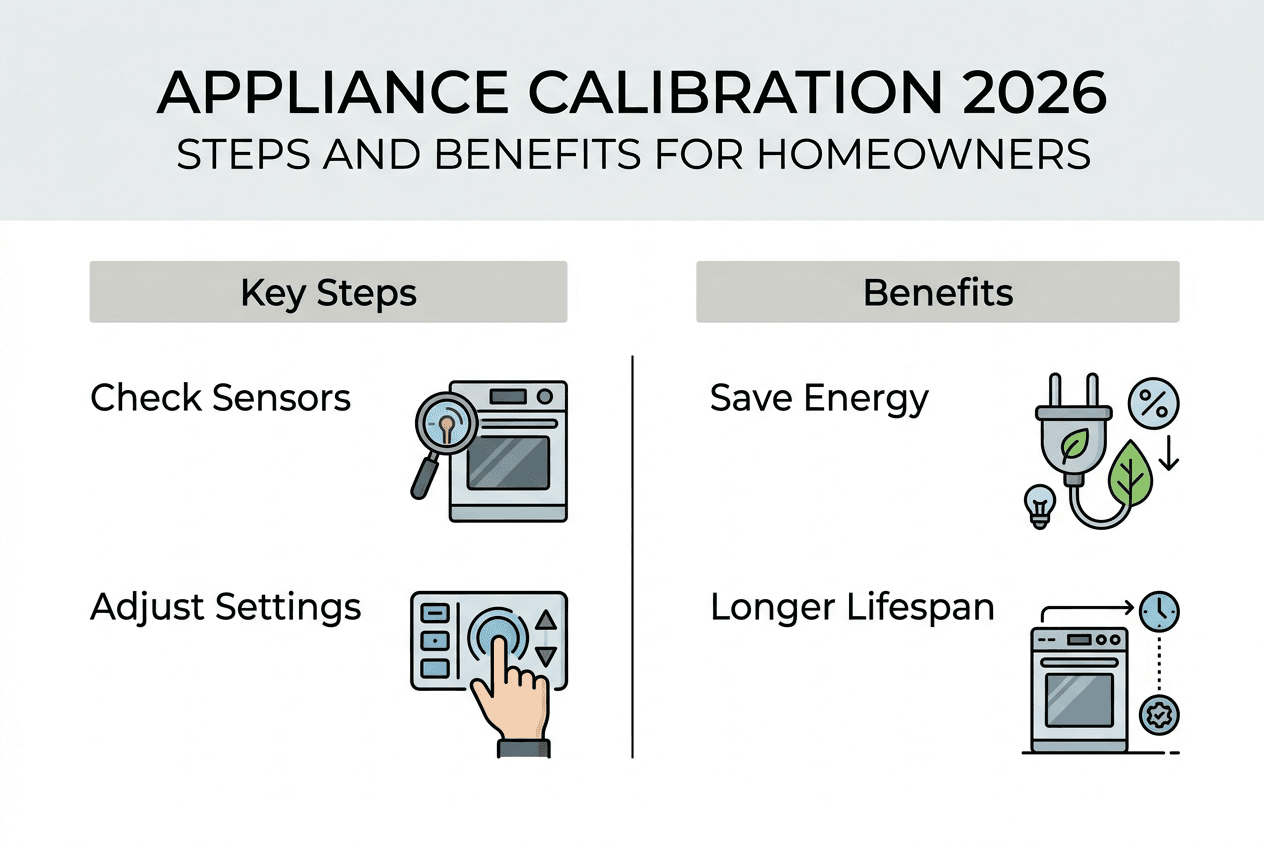
Warning signs of calibration drift appear gradually. Your oven might take longer to preheat. The refrigerator could run more frequently. Clothes emerge from the dryer slightly damp despite completing full cycles. Recognizing these subtle changes early allows recalibration before performance degrades significantly or components fail from overwork.
| Maintenance Task | Frequency | Impact on Calibration | Energy Savings |
|---|---|---|---|
| Clean condenser coils | Quarterly | Maintains temp accuracy | 5-10% reduction |
| Check door seals | Biannually | Preserves heat/cold retention | 10-15% reduction |
| Descale components | Annually | Prevents sensor interference | 3-7% reduction |
| Clean lint/filters | Monthly | Ensures proper airflow | 8-12% reduction |
| Test thermostats | Seasonally | Verifies control accuracy | 5-8% reduction |
Schedule recommendations for NJ homeowners should account for seasonal variations. Spring and fall represent ideal times for HVAC calibration before heavy summer cooling or winter heating demands. Refrigerators benefit from pre-summer checks when usage increases for outdoor entertaining. Ovens deserve attention before holiday cooking seasons when precision matters most.
Regular maintenance and timely calibration prevent costly repairs and energy waste. The average Monmouth County household saves $200 to $400 annually through improved appliance efficiency when combining calibration with routine maintenance. These savings compound over appliance lifespans, often exceeding the equipment’s original purchase price.
Energy savings extend beyond utility bills. Properly calibrated appliances complete tasks faster, reducing runtime and mechanical wear. A calibrated dishwasher cleans effectively in one cycle instead of requiring rewashing. An accurate dryer stops when clothes reach proper dryness rather than over-drying and damaging fabrics. These efficiency gains preserve your belongings while reducing environmental impact.
For comprehensive smart appliance maintenance tips tailored to New Jersey’s climate and usage patterns, homeowners should create seasonal checklists. Winter’s dry air affects refrigerator humidity controls. Summer heat stresses air conditioning calibration. Adapting maintenance schedules to local conditions maximizes appliance performance year-round.
Professional appliance calibration and repair services in Monmouth County, NJ
When your home or business appliances need expert calibration or repair, Expert Appliance provides trusted local service throughout Monmouth County. Our technicians bring decades of experience calibrating and repairing all major brands, ensuring your equipment operates at peak efficiency.
We specialize in precision calibration for appliance repair for top brands including refrigerators, ovens, washers, dryers, and dishwashers. Our comprehensive appliance and vacuum repair services address both calibration needs and unexpected breakdowns with same-day availability. Following our detailed appliance maintenance checklist during service visits ensures nothing gets overlooked. Contact us today for reliable calibration that extends appliance life and reduces energy costs.
Frequently asked questions about appliance calibration
What exactly is appliance calibration and how does it differ from repair?
Appliance calibration adjusts internal settings and sensors to match manufacturer specifications without replacing parts. Repair fixes broken components. Calibration optimizes working equipment for accuracy and efficiency, while repair restores functionality to malfunctioning appliances.
How often should I have my appliances calibrated?
Most home appliances benefit from calibration every one to three years depending on usage intensity and age. Ovens and refrigerators need annual checks, while washing machines and dryers can go two to three years. Commercial equipment requires more frequent calibration due to heavy use.
Can I calibrate my appliances myself or should I hire a professional?
Simple adjustments like oven temperature offset can be DIY projects, but comprehensive calibration requires specialized tools and expertise. Professional calibration ensures accuracy, identifies hidden problems, and maintains warranty coverage. Gas appliances and complex systems always warrant professional service for safety.
What are the signs my appliances need calibration?
Watch for temperature inconsistencies, longer cycle times, increased energy bills, and performance changes like food spoiling quickly or clothes emerging too wet. If your oven burns cookies despite following recipes or your refrigerator runs constantly, calibration is likely needed.
Does appliance calibration really save money on energy bills?
Yes, properly calibrated appliances consume 5 to 15 percent less energy by operating within optimal parameters. They complete tasks faster, cycle less frequently, and avoid the waste caused by incorrect settings. Annual savings typically range from $150 to $400 for average households.
Will calibration extend my appliance’s lifespan?
Calibration significantly extends appliance lifespan by reducing mechanical stress from inefficient operation. Components last longer when equipment runs at proper temperatures, pressures, and timings. Regular calibration combined with maintenance can add three to five years to major appliance lifespans.