
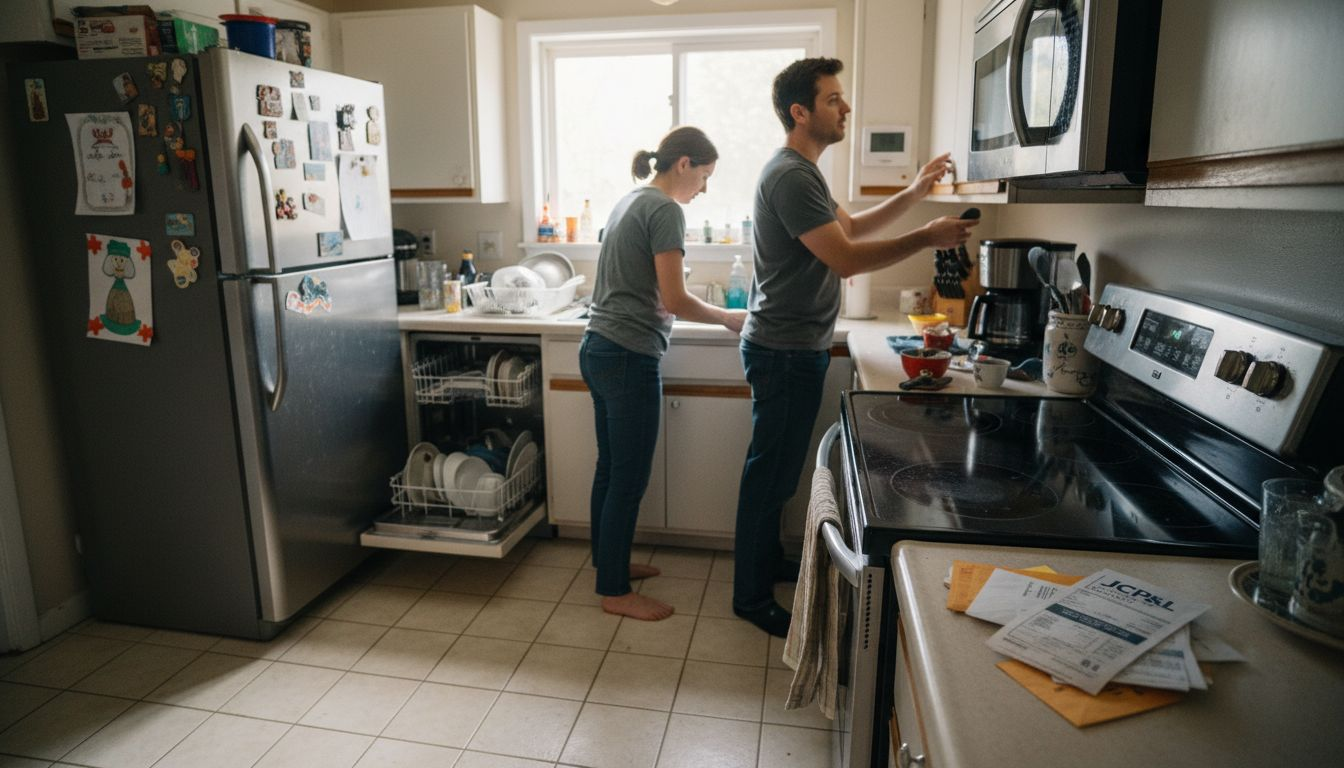
Monmouth County homeowners face electricity costs averaging $161 monthly, yet most underestimate how much their appliances contribute to these bills. While you might blame rate increases or seasonal weather, your refrigerator, HVAC system, and water heater quietly consume massive amounts of energy every day. Understanding which appliances drive your costs and how to optimize their performance can dramatically reduce your monthly expenses. This guide breaks down appliance energy consumption using local data, reveals why older models cost you more, and provides actionable strategies to lower your bills in Monmouth County.
Table of Contents
- How Much Do Home Appliances Contribute To Your Electric Bill?
- Why Outdated And Inefficient Appliances Raise Your Energy Bills
- Practical Tips To Reduce Your Energy Bills From Home Appliances
- The Long-Term Benefits Of Upgrading And Smarter Energy Choices
- Expert Appliance Repair And Maintenance Services In Monmouth County
Key takeaways
| Point | Details |
|---|---|
| Major energy consumers | HVAC systems, water heaters, and refrigerators account for over 60% of household electricity use |
| Outdated appliances cost more | Older models can waste hundreds of dollars annually compared to energy-efficient replacements |
| Simple maintenance saves money | Regular cleaning, filter changes, and professional tune-ups significantly reduce energy consumption |
| Local programs provide relief | JCP&L offers deferral credits, budget billing, and appliance recycling rebates to offset costs |
| Long-term upgrades pay off | Solar adoption and efficient appliances deliver thousands in savings over 5-10 years |
How much do home appliances contribute to your electric bill?
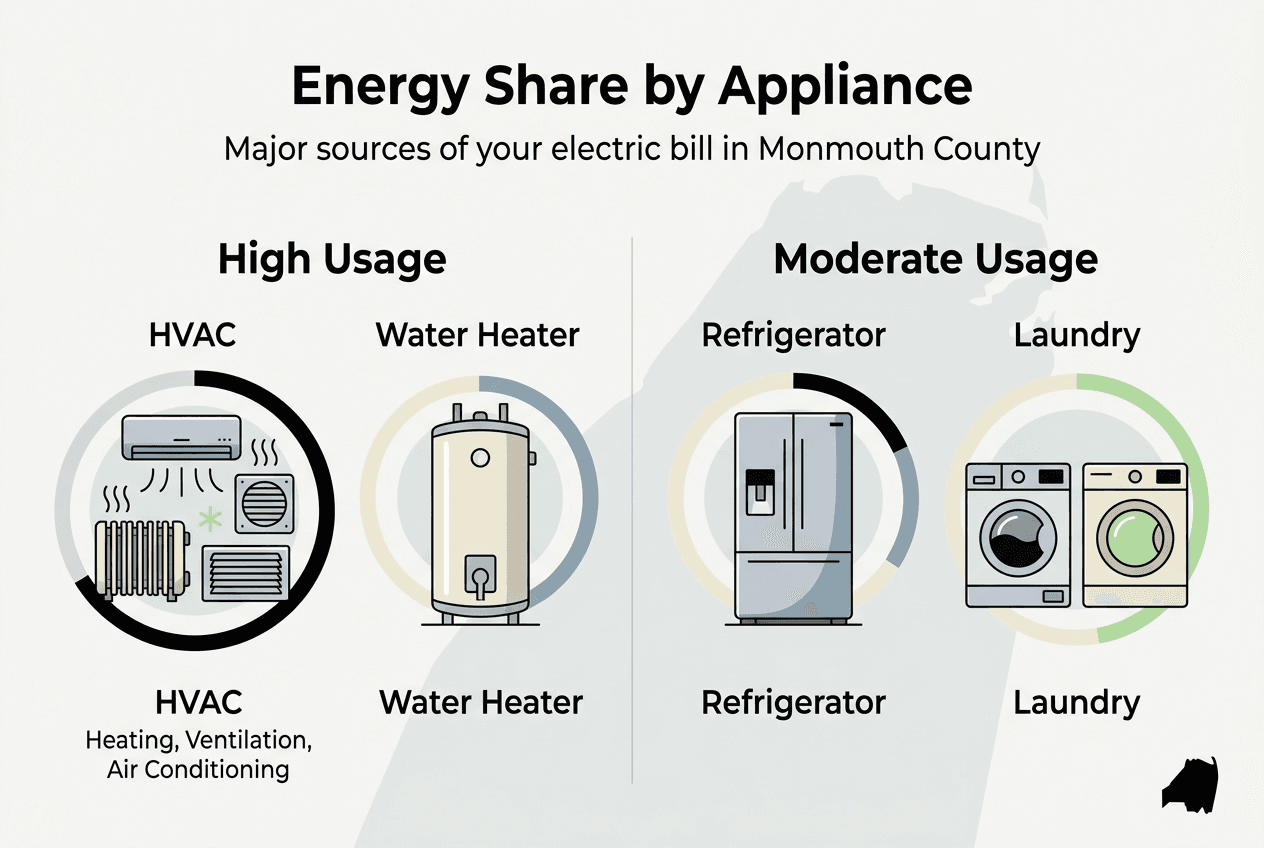
Your heating, ventilation, and air conditioning systems consume nearly half of your household energy, making HVAC the single largest contributor to your monthly bill. In Monmouth County, where summers demand constant cooling and winters require reliable heating, this percentage can spike even higher during extreme weather months. Understanding the breakdown of appliance energy use helps you identify where to focus your cost-reduction efforts.
Water heaters consume 12-15% of typical household energy, constantly working to maintain hot water for showers, dishwashing, and laundry. Following closely behind are refrigerators and freezers at 10-12%, which run continuously to preserve food. Clothes dryers account for roughly 8-10%, especially in homes that do multiple loads weekly. Lighting represents 5-6% of consumption, while electronics, cooking appliances, and washers combine for the remaining 15-20%.
Here’s how these percentages translate to actual costs for Monmouth County residents:
| Appliance Category | Energy Share | Monthly Cost (Based on $161 Average) |
|---|---|---|
| HVAC Systems | 45-50% | $72-$81 |
| Water Heater | 12-15% | $19-$24 |
| Refrigerator/Freezer | 10-12% | $16-$19 |
| Clothes Dryer | 8-10% | $13-$16 |
| Lighting | 5-6% | $8-$10 |
| Other Appliances | 15-20% | $24-$32 |
These figures reveal that just three appliance categories consume nearly three-quarters of your electricity budget. For a Monmouth County household spending $161 monthly, HVAC alone accounts for over $70. When you add water heating and refrigeration, you’re looking at $110 of your bill driven by these essential systems.
Pro Tip: Schedule annual HVAC maintenance and flush your water heater twice yearly to maintain peak efficiency and prevent energy waste from sediment buildup or dirty filters.
Recognizing which types of home appliances dominate your energy consumption allows you to prioritize upgrades and maintenance where they’ll deliver the biggest financial impact. Rather than replacing every appliance at once, focus on the heaviest consumers first.
Why outdated and inefficient appliances raise your energy bills
Older appliances operate with outdated technology that wastes electricity through poor insulation, inefficient motors, and lack of smart energy management features. A refrigerator manufactured 15 years ago can use 30% more energy than current models, translating to an extra $50-$75 annually just to keep your food cold. When you multiply this inefficiency across multiple outdated appliances, hundreds of dollars disappear from your budget each year.
The financial impact becomes clearer when you examine specific examples. An old top-loading washer uses roughly 40 gallons per load compared to 15 gallons for modern high-efficiency models. That’s not just water waste, it’s also the energy required to heat that water and the extended drying time for clothes that retain more moisture. Similarly, conventional resistance water heaters lose significant heat through their tanks, forcing them to constantly reheat water even when you’re not using any.
For Monmouth County homeowners paying above-average electricity rates, these inefficiencies compound quickly:
- Outdated refrigerators add $50-$100 annually compared to Energy Star models
- Old HVAC systems can increase cooling costs by 20-30% during summer months
- Inefficient water heaters waste $100-$150 yearly through standby heat loss
- Conventional dryers use twice the energy of heat pump models
- Older dishwashers consume 30% more electricity and water per cycle
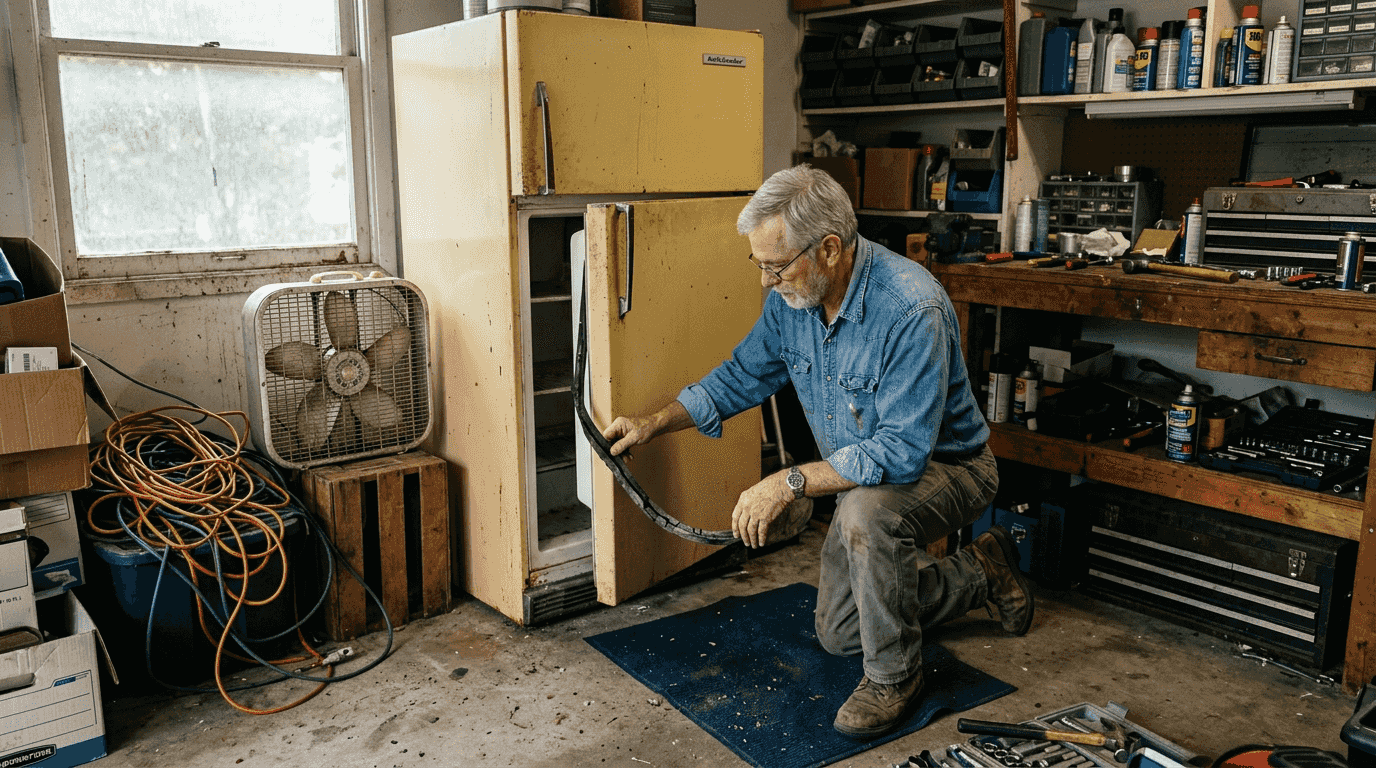
Beyond the direct energy waste, aging appliances often develop mechanical issues that further reduce efficiency. Worn door seals on refrigerators allow cold air to escape. Clogged dryer vents force the motor to work harder. Sediment-filled water heaters require more energy to heat the same amount of water. These problems don’t just increase your bills, they also shorten the remaining lifespan of your appliances.
Pro Tip: Check if your utility offers appliance recycling rebates when upgrading, many New Jersey programs provide $50-$75 for properly disposing of old refrigerators and freezers while purchasing efficient replacements.
Understanding the differences between appliance brands helps you choose replacements that balance upfront cost with long-term energy savings. While premium brands often command higher prices, their superior efficiency and durability can deliver better value over a 10-15 year lifespan. Regular appliance cleaning also prevents efficiency loss from dust, lint, and debris accumulation.
Practical tips to reduce your energy bills from home appliances
Reducing appliance energy consumption doesn’t require a complete home renovation or thousands in upgrades. Start with these proven strategies that deliver immediate savings:
- Clean refrigerator coils every six months to improve heat exchange efficiency and reduce compressor runtime
- Replace HVAC filters monthly during peak seasons and quarterly during mild weather to maintain optimal airflow
- Unplug small appliances and electronics when not in use to eliminate phantom loads that consume 5-10% of household energy
- Run dishwashers and washing machines only with full loads to maximize water and energy efficiency per cycle
- Lower water heater temperature to 120°F, which provides sufficient hot water while reducing standby heat loss
- Use cold water for laundry whenever possible, as heating water accounts for 90% of washing machine energy use
- Clean dryer lint screens before every load and inspect vents annually to prevent airflow restrictions
Appliance choice also significantly impacts long-term costs. Heat pump dryers represent a revolutionary efficiency improvement over conventional models:
| Dryer Type | Energy Use Per Load | Annual Cost (4 Loads/Week) | 10-Year Total Cost |
|---|---|---|---|
| Conventional Electric | 3.3 kWh | $89 | $890 |
| Heat Pump Dryer | 1.3 kWh | $35 | $350 |
| Savings | 2.0 kWh | $54/year | $540 |
Monmouth County residents can access several programs to offset appliance costs and reduce monthly bills:
- JCP&L provides $30 deferral credits during summer months to help manage seasonal price increases
- Budget billing programs spread annual costs evenly across 12 months, eliminating surprise spikes
- Appliance recycling rebates offer cash incentives for retiring old refrigerators, freezers, and air conditioners
- Federal tax credits cover up to 30% of heat pump installation costs through 2032
- Community solar programs allow renters and homeowners without suitable roofs to access solar savings
Pro Tip: If installing rooftop solar isn’t feasible for your property, subscribe to a community solar farm to receive 10-15% discounts on your electricity supply charges without any upfront investment.
Customers can mitigate rate increases by shopping for fixed-rate suppliers, reducing energy usage through efficiency improvements, or enrolling in budget billing to avoid seasonal payment fluctuations.
Implementing smart maintenance practices prevents efficiency loss and extends appliance lifespan. Simple tasks like cleaning washing machine dispensers, descaling coffee makers, and vacuuming refrigerator coils take minutes but deliver measurable savings. For dryers specifically, following efficiency tips like cleaning moisture sensors and avoiding overloading can reduce drying time by 20-30%.
A comprehensive cleaning checklist ensures you don’t overlook critical maintenance tasks that prevent costly repairs and energy waste. Setting quarterly reminders for these activities creates habits that compound into substantial annual savings.
The long-term benefits of upgrading and smarter energy choices
Investing in energy-efficient appliances and renewable energy delivers financial returns that extend far beyond monthly bill reductions. Solar adoption in Monmouth County provides particularly compelling economics when you examine cumulative savings over time:
| Timeline | Traditional Electric Bill Total | Solar System Total Cost | Net Savings |
|---|---|---|---|
| Year 1 | $1,932 | $0 (after incentives) | $1,900 |
| 5 Years | $9,660 | $0 | $9,900 |
| 10 Years | $19,320 | $0 | $20,400 |
| 20 Years | $38,640 | $0 | $39,000+ |
These figures assume you offset 100% of electricity costs with solar panels, which becomes increasingly valuable as utility rates rise over time. The $1,900 first-year savings alone often covers a significant portion of any remaining system costs after federal tax credits and state incentives.
Beyond direct bill savings, energy-efficient homes and appliances provide multiple advantages:
- Increased property value, as buyers increasingly prioritize low operating costs and environmental features
- Reduced carbon footprint, with efficient appliances cutting household emissions by 25-40%
- Greater energy independence through solar adoption and battery storage systems
- Protection from utility rate volatility and supply price fluctuations
- Improved home comfort from modern HVAC systems with better temperature control
- Lower maintenance costs, as newer appliances require fewer repairs during warranty periods
Pro Tip: When comparing appliances, calculate total lifecycle cost by adding purchase price to estimated 10-year energy costs, a $700 efficient refrigerator costing $40 yearly to run beats a $500 inefficient model costing $90 annually.
The decision between appliance upgrades versus repairs depends on both the repair cost and remaining efficiency potential. If your 12-year-old refrigerator needs a $300 compressor replacement, investing that money toward a new Energy Star model often makes better financial sense. You’ll immediately cut energy costs by 30% while gaining a full manufacturer warranty.
Monmouth County’s combination of above-average electricity rates, strong solar incentives, and utility assistance programs creates an ideal environment for homeowners to transition toward energy efficiency. Whether you start with simple maintenance improvements or commit to comprehensive upgrades, every step reduces your monthly expenses while increasing home value and comfort.
Expert appliance repair and maintenance services in Monmouth County
Keeping your appliances running efficiently requires more than occasional cleaning and filter changes. Professional maintenance identifies developing issues before they cause energy waste or complete breakdowns.
Expert Appliance has served Monmouth County homeowners since 1988, providing same-day repair services for all major appliance brands including refrigerators, washers, dryers, dishwashers, and HVAC systems. Our technicians understand how proper maintenance directly impacts your energy bills, and we provide specific recommendations to optimize each appliance’s efficiency. Regular professional maintenance prevents the gradual efficiency loss that increases monthly costs while extending equipment lifespan by years. We also share DIY maintenance guidance so you can handle routine tasks between professional service visits. With 24/7 emergency support and upfront pricing, we help Marlboro and surrounding Monmouth County residents keep appliances running efficiently year-round.
FAQ
How can I tell which appliances use the most energy in my home?
Plug-in energy monitors provide real-time consumption data for individual appliances, allowing you to measure actual usage rather than relying on estimates. Your utility bill may also break down consumption by time of day, helping identify when major appliances run. Focus monitoring efforts on major energy-consuming appliances like HVAC systems, water heaters, and refrigerators, as these three categories typically account for 65-70% of household electricity use.
Are there local programs to help reduce energy costs for appliances in Monmouth County?
Yes, JCP&L offers $30 deferral credits and budget billing programs specifically designed to help customers manage higher electricity costs during peak seasons. The utility also provides appliance recycling rebates of $50-$75 when you retire old refrigerators, freezers, or room air conditioners and replace them with efficient models. New Jersey’s Clean Energy Program offers additional incentives for heat pump installations and other efficiency upgrades.
What simple steps can reduce energy use from my existing appliances?
Unplugging devices when not in use eliminates phantom loads from chargers, coffee makers, and entertainment systems that draw power even when turned off. Smart power strips automate this process by cutting power to peripheral devices when you turn off the main component. Regular cleaning and filter replacement maintain peak efficiency, a clogged dryer vent can double drying time while dirty refrigerator coils force the compressor to run 30% longer. Following smart maintenance practices prevents gradual efficiency loss that increases bills over time.
When should I replace an old appliance instead of repairing it?
If repair costs exceed 50% of replacement value and the appliance is over 10 years old, replacement usually makes better financial sense. Factor in the energy savings from modern efficient models, a new Energy Star refrigerator saves $50-$100 annually compared to a 15-year-old unit. Calculate the payback period by dividing the net replacement cost (new appliance minus repair cost) by annual energy savings. Professional technicians can assess whether repairs will restore full efficiency or just延长 an inefficient appliance’s life.
How much can solar panels actually save on my Monmouth County electric bill?
Monmouth County homeowners can save approximately $1,900 in the first year, $9,900 over five years, and $20,400 over ten years by offsetting their entire electric bill with solar panels. These savings assume average electricity consumption and current utility rates, which historically increase 2-3% annually. Federal tax credits cover 30% of installation costs through 2032, while New Jersey offers additional state incentives and solar renewable energy certificates (SRECs) that provide ongoing income. Community solar subscriptions offer 10-15% savings without installation requirements for homeowners who cannot install rooftop systems.