
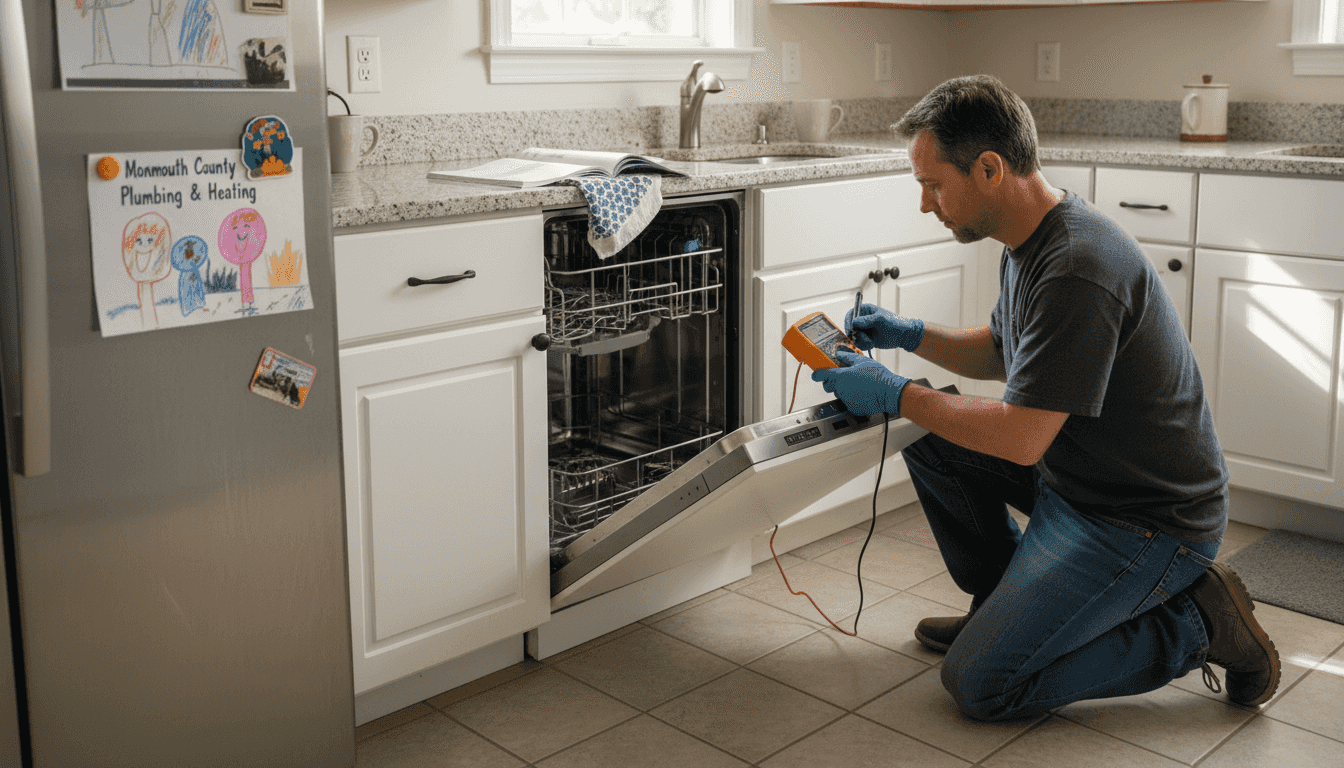
When your refrigerator stops cooling or your washing machine floods mid-cycle, you need answers fast. In Monmouth County, appliance failures disrupt daily routines and business operations, especially as modern appliances grow more complex with smart features and electronic controls. This comprehensive guide walks you through systematic troubleshooting steps to diagnose common problems, perform safe repairs, and recognize when professional help becomes necessary. You’ll learn to tackle about 60% of appliance issues yourself while understanding the limits of DIY fixes in 2026.
Table of Contents
- What You Need To Start Troubleshooting Your Appliances
- Step-By-Step Troubleshooting For Common Appliance Problems In 2026
- Avoiding Common Troubleshooting Mistakes And Ensuring Repair Success
- Expert Appliance Repair And Maintenance Services In Monmouth County
- Frequently Asked Questions
Key takeaways
| Point | Details |
|---|---|
| DIY success rate | Basic troubleshooting resolves approximately 60% of common appliance problems without professional intervention. |
| Smart appliance challenges | Modern connected appliances introduce software glitches, network connectivity issues, and complex electronic failures requiring specialized diagnostics. |
| Maintenance impact | Regular preventative care reduces repair costs by 20% and extends appliance lifespan by 30%. |
| Safety priority | Always disconnect power before attempting any troubleshooting or repair work on appliances. |
| Professional threshold | Electronic control failures increased by 30% in recent years, making expert diagnostics essential for complex issues. |
What you need to start troubleshooting your appliances
Before touching any malfunctioning appliance, you must prioritize safety and gather essential tools. Always disconnect the appliance from the power source before attempting any troubleshooting or repair work. This single step prevents electrical shock, burns, and equipment damage. Wear protective gloves when handling sharp components or cleaning chemical residues. Keep a fire extinguisher nearby when working with gas appliances or electrical systems.
Your basic toolkit should include a digital multimeter for testing electrical continuity and voltage, a set of screwdrivers (both flathead and Phillips), needle-nose pliers, and cleaning supplies like brushes and microfiber cloths. A flashlight helps you inspect dark cabinet interiors and behind units. Label containers or bags to organize screws and small parts as you disassemble panels. This prevents lost components and confusion during reassembly.
Locate your appliance’s model number, typically found on a metal plate inside the door or on the back panel. This information unlocks access to manufacturer manuals, wiring diagrams, and troubleshooting flowcharts specific to your unit. Many brands now offer downloadable PDFs with detailed repair instructions. Understanding your specific model helps you identify unique features and potential problem areas.
Understanding power basics forms the foundation of effective troubleshooting. Check the outlet with a voltage tester to confirm it delivers proper power. Inspect the circuit breaker panel for tripped breakers or blown fuses. Examine power cords for fraying, burn marks, or loose connections. These simple electrical checks solve many issues before you ever open the appliance cabinet.
Create a clean, well-lit workspace with enough room to lay out parts and tools systematically. Poor lighting and cramped conditions lead to mistakes, lost screws, and incomplete repairs. Take photos with your phone as you disassemble components. These visual references prove invaluable during reassembly, especially with complex appliances featuring multiple wire connections. For comprehensive guidance on systematic diagnosis, explore how to diagnose appliances and review DIY appliance maintenance tips for preventative strategies.
Pro Tip: Keep a dedicated appliance repair notebook where you record model numbers, repair dates, parts replaced, and troubleshooting steps. This history helps identify recurring problems and proves useful when consulting professionals.
| Safety Essential | Purpose | When to Use |
|---|---|---|
| Power disconnection | Prevents electrical shock and short circuits | Before every repair attempt |
| Protective gloves | Guards against cuts and chemical exposure | When handling sharp edges or cleaning agents |
| Multimeter testing | Verifies electrical continuity and voltage | During electrical diagnostics |
| Fire extinguisher | Addresses electrical or gas-related fires | Keep accessible during all repairs |
Step-by-step troubleshooting for common appliance problems in 2026
Mechanical failures represent the most straightforward category of appliance problems. Washing machines that vibrate excessively often suffer from unbalanced loads or worn shock absorbers. Excessive rocking during the spin cycle indicates potential issues with balance or internal components. Redistribute clothes evenly and ensure the machine sits level using adjustable feet. Dryers that won’t heat frequently have clogged lint filters or blocked exhaust vents. Clean these components thoroughly, as lint buildup reduces efficiency by 30% and creates fire hazards.

Refrigerators that run constantly but fail to cool properly often have dirty condenser coils. These coils, located on the back or bottom of the unit, dissipate heat generated during the cooling cycle. Vacuum them quarterly to maintain optimal performance. Check door seals by closing the door on a dollar bill. If you can pull it out easily, the gasket needs replacement. Dishwashers with drainage problems typically have clogged filters or kinked drain hoses. Remove and clean the filter assembly, then inspect hoses for obstructions.
Electrical troubleshooting requires methodical testing and careful attention to safety protocols. Start by verifying the outlet delivers the correct voltage using your multimeter. Most major appliances require 120V or 240V depending on their power demands. Test the appliance’s power cord for continuity. A broken wire inside the insulation shows infinite resistance on your multimeter. Examine thermal fuses, which protect against overheating by breaking the circuit when temperatures exceed safe limits. These one-time-use components must be replaced if blown.

Smart appliances introduce entirely new troubleshooting dimensions in 2026. Software-related issues account for 30% of service calls for connected appliances. When your smart refrigerator displays error codes or loses WiFi connectivity, start with a soft reset. Unplug the unit for 60 seconds, then reconnect power. This clears temporary software glitches without erasing settings. Check your home network strength near the appliance using your smartphone. Weak signals cause intermittent connectivity problems. Update the appliance firmware through the manufacturer’s app, as outdated software creates compatibility issues with modern routers.
Manufacturer error codes provide targeted diagnostic information. Your appliance manual or the company website translates these alphanumeric codes into specific component failures. A refrigerator displaying “E1” might indicate a thermistor failure, while “F9” on an oven could signal a door lock malfunction. Write down error codes before attempting resets, as they disappear once power cycles. These codes help professionals diagnose problems quickly if you ultimately need expert assistance.
Know your limits with DIY repairs. Approximately 60% of appliance issues respond to basic troubleshooting, but complex problems require professional expertise. Refrigerant leaks, gas line issues, electronic control board failures, and compressor replacements exceed typical homeowner capabilities. Attempting these repairs without proper training risks injury, further damage, and voided warranties. For detailed solutions to specific problems, visit appliance troubleshooting solutions and learn how to replace appliance parts safely.
Pro Tip: Create a troubleshooting checklist specific to each appliance type. Start with the simplest, most common causes and work toward complex issues. This systematic approach prevents overlooking obvious solutions while tackling difficult problems first.
Troubleshooting sequence for maximum efficiency
- Verify power supply at outlet and circuit breaker
- Inspect power cord and connections for damage
- Check for error codes and record them
- Clean filters, vents, and accessible components
- Test electrical continuity of heating elements and motors
- Perform manufacturer-recommended reset procedures
- Monitor operation through complete cycle
- Document findings and repairs in your notebook
| Appliance Type | Common DIY Fix | Professional Required |
|---|---|---|
| Washing Machine | Cleaning drain pump filter, balancing load | Replacing motor, control board, or transmission |
| Refrigerator | Cleaning condenser coils, replacing door gasket | Fixing refrigerant leaks, compressor replacement |
| Dryer | Cleaning lint trap and exhaust vent | Replacing heating element, gas valve, or drum motor |
| Dishwasher | Clearing spray arm holes, replacing filters | Repairing circulation pump or control electronics |
| Oven/Range | Replacing oven light, cleaning burner ports | Fixing gas lines, replacing electronic igniters |
Avoiding common troubleshooting mistakes and ensuring repair success
Ignoring early warning signs transforms minor issues into catastrophic failures. Strange noises, unusual odors, or subtle performance changes signal developing problems. That slight burning smell from your dryer might indicate lint accumulation near the heating element, a fire hazard that worsens with each load. Refrigerators that cycle on and off rapidly could have failing compressors or refrigerant leaks. Address symptoms immediately rather than waiting for complete breakdowns.
Never bypass safety features or attempt shortcuts during repairs. Some homeowners jump thermal fuses or disable door switches to keep appliances running. These protective devices prevent fires, floods, and injuries. Defeating them creates dangerous conditions that risk property damage and personal harm. Similarly, avoid using appliances with frayed cords, cracked housings, or exposed wiring. The few dollars saved on immediate repairs pale compared to potential disaster costs.
Complex electronic repairs demand specialized knowledge and equipment. Modern appliances necessitate professional diagnostics for many common issues, with electronic control failures increasing 30% in recent years. Circuit boards contain sensitive components easily damaged by static electricity or incorrect voltage testing. Microprocessors require programming tools and software unavailable to consumers. Attempting these repairs without expertise often destroys expensive parts and voids manufacturer warranties.
Preventative maintenance significantly reduces the frequency of appliance failures. Clean refrigerator coils quarterly, replace water filters on schedule, and inspect washing machine hoses annually for bulges or cracks. These simple tasks prevent 40% of service calls and extend equipment lifespan substantially. Manufacturers design maintenance schedules based on engineering data about component wear patterns. Following these guidelines protects your investment.
Verify repairs thoroughly before considering the job complete. Run the appliance through multiple complete cycles while monitoring performance. A dishwasher that completes one wash successfully might still have intermittent drainage issues. Test all functions, not just the one that initially failed. Check for leaks, unusual vibrations, or error code recurrence. Listen for abnormal sounds that might indicate loose components or improper reassembly.
Document your repair process with photos and notes. Record which parts you replaced, adjustments you made, and symptoms you observed. This information helps you troubleshoot recurring issues and provides valuable context for professionals if problems persist. Keep receipts for replacement parts in case warranties apply or you need to return defective components. For ongoing maintenance strategies, review the importance of regular appliance maintenance and discover how to boost home efficiency with repairs.
“The increasing complexity of modern appliances, particularly those with electronic controls and smart features, means that what once could be fixed with a screwdriver now often requires diagnostic software and specialized training. Homeowners should focus on maintenance and basic troubleshooting, leaving complex electronic repairs to certified professionals.”
Critical mistakes to avoid
- Attempting repairs while the appliance remains plugged in or connected to power
- Using incorrect replacement parts that don’t match original specifications
- Overtightening screws and bolts, which strips threads and cracks plastic housings
- Ignoring manufacturer warnings about serviceable versus non-serviceable components
- Failing to test repairs thoroughly before reassembling exterior panels
- Mixing up wire connections during reassembly of electrical components
- Forcing stuck parts instead of using penetrating oil and patience
Expert appliance repair and maintenance services in Monmouth County
When troubleshooting reveals problems beyond your skill level, Expert Appliance brings decades of professional experience to Monmouth County homes and businesses. Our technicians handle complex smart appliance diagnostics, electronic control board repairs, and refrigerant system servicing that require specialized tools and certifications. We stock common parts for major brands, enabling same-day repairs that get your household running smoothly again.

Emergency breakdowns don’t wait for convenient times. Our 24/7 availability means you can schedule urgent repairs when your refrigerator fails during a holiday weekend or your commercial dishwasher stops mid-service. We understand Monmouth County’s unique appliance challenges, from humidity effects on electronic components to hard water impacts on washing machines and dishwashers. Regular maintenance plans prevent costly emergency repairs while extending your appliances’ productive lifespan. Explore our expertise with appliance repair for top brands, learn what to do during emergency appliance situations, and discover proven appliance maintenance tips that save money long term.
Frequently asked questions
How can I tell if my smart appliance needs professional repair?
Repeated software errors, persistent connectivity failures, or error codes that return after resets indicate problems beyond basic troubleshooting. 30% of service calls for smart appliances involve software-related issues requiring diagnostic tools and firmware expertise. If your appliance loses connection repeatedly despite strong WiFi signals, or displays cryptic error codes not explained in the manual, professional diagnostics become necessary. Smart appliances integrate complex electronics with mechanical systems, creating failure points that demand specialized knowledge.
What are the signs my washing machine’s spin cycle is out of balance?
Loud banging sounds, excessive vibration, or the machine “walking” across the floor during spin cycles signal balance problems. Excessive rocking during spin indicates potential balance or internal component issues that can damage motors, pumps, and plumbing connections. Ignoring these symptoms leads to costly secondary damage. Check that the machine sits level using a carpenter’s level, adjust the feet as needed, and ensure loads distribute evenly. Persistent problems after these adjustments suggest worn shock absorbers or damaged suspension springs requiring professional replacement.
How often should I perform appliance maintenance to avoid repairs?
Follow manufacturer guidelines, typically quarterly for filter cleaning and biannual for deep maintenance tasks. Regular maintenance reduces repair costs by about 20% and extends lifespan by 30% according to consumer research. Refrigerator coils need quarterly vacuuming, dryer vents require annual professional cleaning, and washing machine hoses should be inspected yearly for bulges or cracks. Create a maintenance calendar with reminders for each appliance. Consistent preventative care catches small issues before they escalate into expensive failures or safety hazards.
What tools do I need to troubleshoot basic appliance problems safely?
A multimeter, screwdrivers, and cleaning supplies form your essential toolkit. The multimeter tests electrical continuity and voltage, helping diagnose heating element failures, broken thermostats, and wiring problems. Include both flathead and Phillips screwdrivers in various sizes for panel removal. Needle-nose pliers extract small parts and manipulate wire connections. Cleaning brushes, vacuum attachments, and microfiber cloths maintain filters and coils. A flashlight illuminates dark cabinets and tight spaces. For systematic diagnosis techniques, review how to diagnose appliances professionally.