
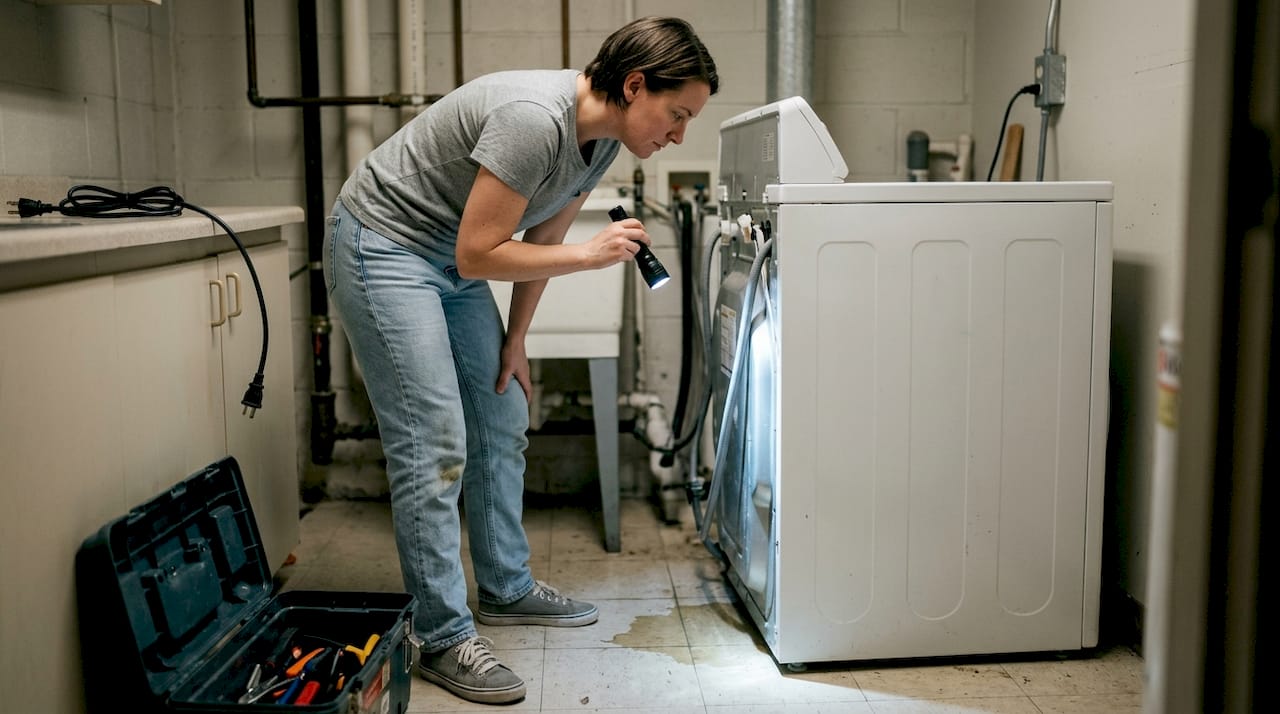
Electrical failures spark 46,700 home fires every year in the United States, and a surprising number of them start in kitchens and laundry rooms. For homeowners and small business owners across Monmouth County, NJ, a malfunctioning washer or refrigerator is not just an inconvenience. It can become a genuine safety hazard within minutes. This article breaks down exactly why appliances short circuit, what warning signs to watch for, and the specific steps you should take the moment something goes wrong. Whether you are in Marlboro, Freehold, or anywhere else in Monmouth County, knowing this information could protect your home and your family.
Table of Contents
- What is a short circuit in home appliances?
- Top causes of appliance short circuits in New Jersey homes
- Warning signs your appliance is about to short circuit
- Immediate steps to take when an appliance short circuits
- Why prevention and fast action matter more than ever
- Get fast, reliable appliance repair help in Monmouth County
- Frequently asked questions
Key Takeaways
| Point | Details |
|---|---|
| Short circuits are serious | Short circuits cause nearly a third of home electrical fires, so ignoring early signs can be hazardous. |
| Prevention is possible | Regular inspection of appliances and wiring reduces the risk of emergency repairs or fires. |
| Act quickly after trouble | Unplug equipment and contact local repair experts immediately when you suspect a short circuit. |
| Local help is available | Monmouth County offers same-day appliance repair services for urgent kitchen and laundry issues. |
What is a short circuit in home appliances?
A short circuit happens when electricity travels along an unintended path, one that bypasses the normal resistance built into your appliance’s wiring. Under normal conditions, electricity flows from the power source through a controlled circuit, does its job (heating, spinning, cooling), and returns safely. When insulation wears away or wires touch incorrectly, current rushes through a path with almost zero resistance. The result is a sudden surge of heat, and that heat is what causes sparks, damage, and sometimes fire.
Think of it like water pressure in a pipe. Controlled flow does useful work. A burst pipe floods everything. A short circuit is the electrical version of that burst.
A real-world example: a washing machine in a Monmouth County laundry room develops a slow leak behind the drum. Over weeks, water drips onto the motor wiring. The insulation softens and cracks. One spin cycle later, two wires touch, and the circuit breaker trips. That is a short circuit caused by water intrusion, and it is one of the most common scenarios we see. Understanding appliances and home safety together is essential because the two are deeply connected.
| Type | What happens | Common cause |
|---|---|---|
| Short circuit | Current bypasses normal path | Damaged wires, water contact |
| Overload | Too much current on one circuit | Too many devices on one outlet |
| Ground fault | Current leaks to ground | Moisture, damaged insulation |
Here are the most common signs that a short circuit is already happening or about to happen:
- Visible sparks when plugging in or using the appliance
- A burning plastic or rubber smell near the appliance
- Circuit breaker tripping repeatedly
- Discoloration or scorch marks around an outlet
- The appliance stops working suddenly with no obvious reason
These signs matter because short circuits contribute to roughly 32% of all home electrical distribution fires. That is not a number to brush off.
Top causes of appliance short circuits in New Jersey homes
With a basic definition in hand, let’s look at the specific causes behind appliance short circuits, especially for New Jersey homeowners.
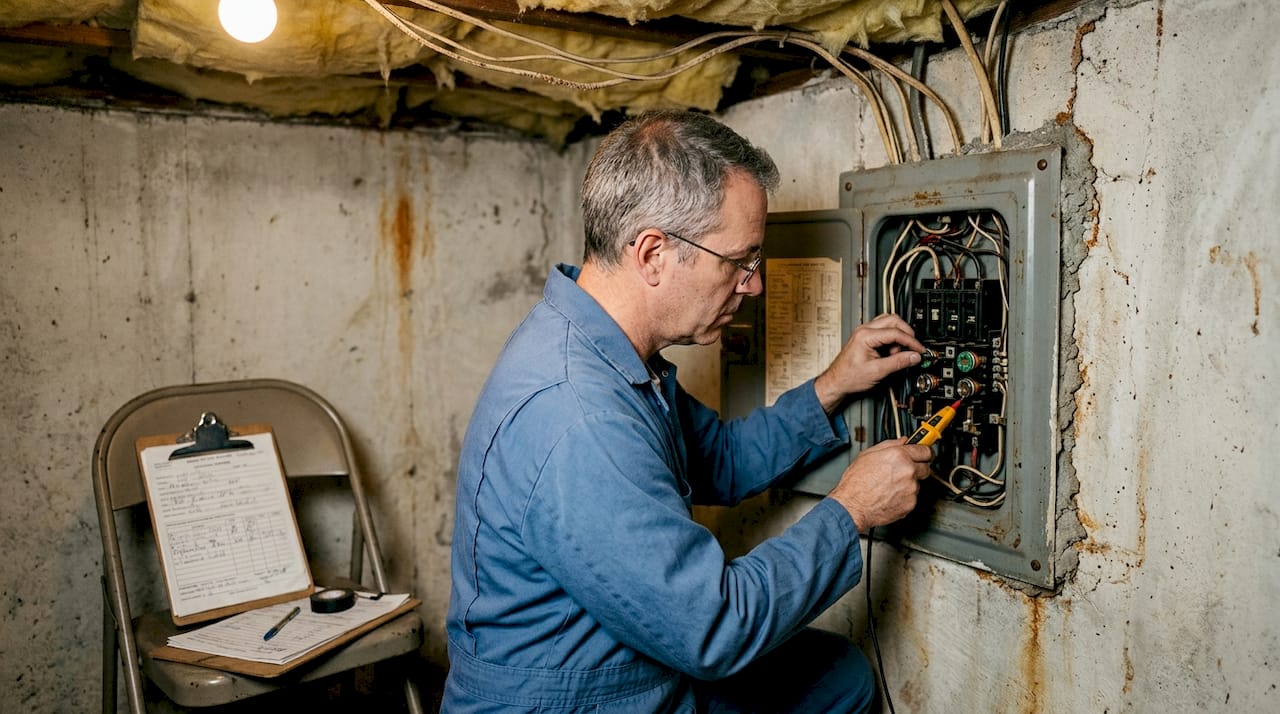
Monmouth County has some unique risk factors that other parts of the country do not face at the same level. Coastal humidity is a major one. Salt air accelerates corrosion on wiring terminals and appliance components. After a nor’easter or a tropical storm, moisture can seep into appliances that were never designed to handle that kind of exposure. This is not a rare event in this part of New Jersey. It happens every season.
Older homes in towns like Red Bank, Long Branch, and Keansburg often have wiring that dates back decades. Aging wiring systems were not designed for the electrical load that modern appliances demand. A vintage kitchen with a new high-draw induction range is a recipe for trouble.
| Area | Risk level | Main hazard |
|---|---|---|
| Kitchen | High | Water near outlets, high-draw appliances |
| Laundry room | High | Moisture, vibration loosening wires |
| Home office | Medium | Overloaded power strips |
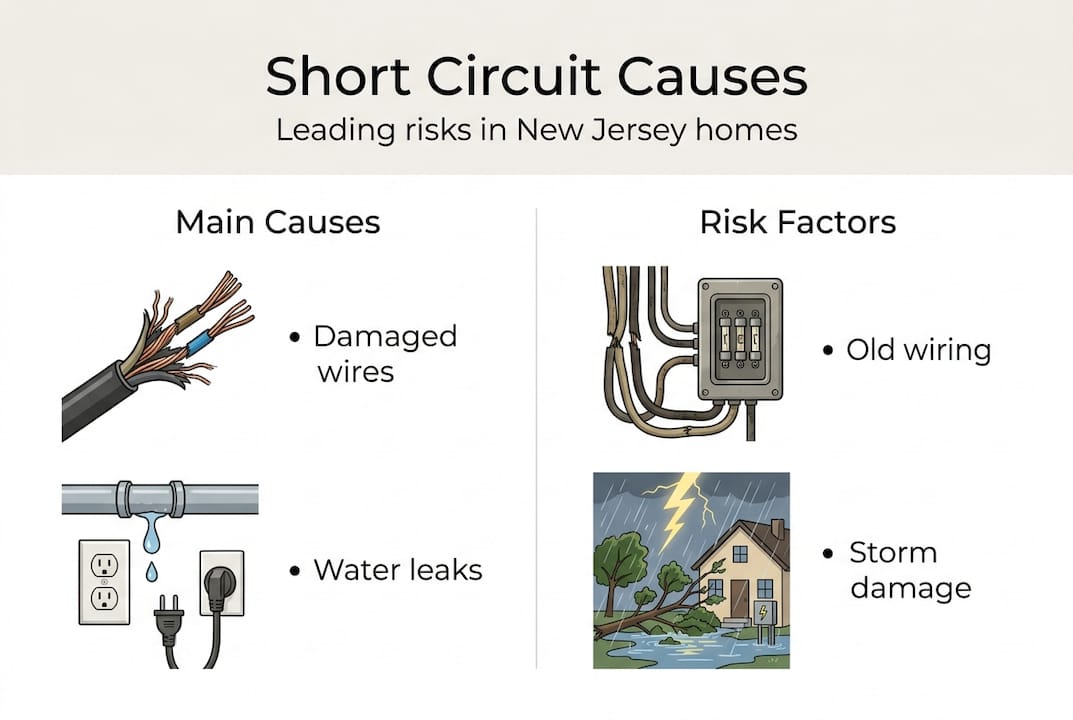
Here are the five most common causes of appliance short circuits in Monmouth County homes:
- Water intrusion from leaks or flooding near appliances
- Rodent damage to wiring inside walls or behind appliances
- Overloaded outlets with multiple high-draw devices
- Worn or cracked wire insulation from age or heat exposure
- Storm surge or humidity damage to electrical components
Knowing these causes helps you stay ahead of trouble. Learning to recognize spotting appliance problems early is one of the best habits a homeowner can build. Bookmark the emergency appliance checklist so you are ready before a storm season hits.
Pro Tip: After any major storm in Monmouth County, schedule a quick appliance inspection before resuming normal use. Moisture damage is often invisible until it causes a failure.
The 32% of electrical fires linked to short circuits are largely preventable with awareness and timely action.
Warning signs your appliance is about to short circuit
Knowing what causes short circuits lets you watch for key warning signs before bigger issues erupt.
Most appliance failures do not happen without warning. The problem is that homeowners often notice the early signals and decide to wait. That waiting period is exactly when small electrical issues turn into expensive repairs or dangerous fires. Electrical failures cause 46,700 home fires annually, and a large portion of those started with a warning sign that went ignored.
Stat to know: Electrical appliance fires are among the most preventable home hazards. Early detection cuts risk dramatically.
Watch for these warning signs in your kitchen and laundry room:
- Flickering lights when an appliance starts up or runs
- Burning smell coming from behind or inside the appliance
- Tripping circuit breakers that reset but trip again quickly
- Unusual buzzing or humming sounds from the appliance body
- Scorched or discolored outlets near where the appliance plugs in
- Appliance running hotter than usual on the outside casing
- Intermittent power loss where the appliance cuts out randomly
Any one of these signs is worth taking seriously. Two or more together means you should stop using the appliance immediately. The appliance safety checklist for Monmouth County homeowners is a great resource to keep handy. Knowing how to spot problems early is genuinely one of the most valuable skills you can develop as a homeowner.
Pro Tip: The moment you smell burning plastic or rubber near any appliance, unplug it right away and call a repair professional. Do not wait to see if the smell goes away on its own.
Immediate steps to take when an appliance short circuits
Spotting trouble early is crucial, but knowing exactly what to do in the moment protects your home and loved ones.
When a short circuit happens, the first few minutes matter most. Panic is the enemy here. A clear, practiced sequence of actions keeps everyone safe and limits damage to your home.
Follow these steps in order:
- Turn off the appliance at its switch or control panel immediately.
- Cut power at the breaker for that circuit if the appliance will not turn off.
- Unplug the appliance from the wall outlet only if it is safe to do so without touching scorched areas.
- Check for smoke or fire. If you see flames or heavy smoke, evacuate and call 911 first.
- Ventilate the area by opening windows to clear any fumes from burned wiring.
- Do not attempt DIY repairs on the appliance wiring. This is a job for a licensed technician.
- Contact an emergency repair service to assess and fix the appliance before using it again.
“A fast response to an appliance short circuit is the single most effective way to prevent a minor electrical issue from becoming a major home disaster. Every minute counts.” — Expert Appliance Repair, serving Monmouth County since 1988
For Monmouth County residents, same-day appliance service is available for urgent situations. You do not have to wait days for help. Exploring your emergency appliance repair options before an emergency happens means you will know exactly who to call. As noted in the Expert Appliance Monmouth County guide, local same-day repairs are available for urgent kitchen and laundry issues across the county.
Never try to reset a breaker and resume using an appliance that just short circuited. That is one of the most common mistakes homeowners make, and it dramatically increases the risk of a second, more serious failure.
Why prevention and fast action matter more than ever
After covering exactly what to do, here is what years of local repair experience has taught us about the costs of hesitation.
Most homeowners in Monmouth County operate with a quiet assumption: if the appliance is still running, it is probably fine. That mindset is exactly what leads to the worst outcomes. We have seen refrigerators with scorched wiring that had been tripping breakers for weeks before the owner called. We have seen washing machines with visible rust around the motor housing that were still being used daily. The damage in those cases was always far more expensive than it needed to be.
Here is what most guides do not tell you: a single ignored short circuit event can cause thousands of dollars in damage, not just to the appliance but to your walls, flooring, and adjacent appliances. For small business owners, a failed commercial refrigerator or laundry unit can mean days of lost revenue and spoiled inventory.
Homes that get periodic electrical and appliance checks see dramatically fewer emergencies. That is not a guess. It is a pattern we have observed across decades of service in this area. The myth that “it will probably fix itself” is genuinely dangerous with electrical issues. Wiring does not heal. Corrosion does not reverse on its own. The problem only grows.
When something feels off with your appliances, calling for urgent appliance response is not overreacting. It is the smartest, most cost-effective decision you can make.
Get fast, reliable appliance repair help in Monmouth County
When a short circuit strikes your kitchen or laundry room, every hour without a working appliance adds stress and risk to your household or business.

Expert Appliance has been serving Monmouth County homeowners and small businesses since 1988, and we understand what is at stake when an appliance fails without warning. Our team offers emergency repair solutions and same-day service for refrigerators, washers, dryers, ovens, dishwashers, and more. We work on all major brands and handle both residential and commercial needs. If you are dealing with a short circuit or any urgent appliance issue right now, do not wait. Visit our appliance and vacuum repair page or call us directly to schedule fast, upfront-priced service today.
Frequently asked questions
What is the main reason appliances short circuit?
Most appliance short circuits are caused by damaged wires, water intrusion, or worn electrical components. Short circuits contribute to roughly 32% of home electrical distribution fires, making them one of the most serious appliance hazards.
Is it safe to keep using an appliance after a short circuit?
No, using an appliance after a short circuit is dangerous and can start a fire or cause further electrical damage. With 46,700 home fires caused by electrical failures each year, the risk is too serious to ignore.
Who should I call after a short circuit in Monmouth County?
Contact a licensed appliance repair expert for fast, safe service. For emergencies, the Expert Appliance Monmouth County guide confirms that same-day repairs are available for urgent kitchen and laundry appliance issues.
What are the signs that an appliance might short circuit soon?
Look for flickering lights, tripped circuit breakers, burning smells, or electrical sparks near the appliance. Electrical failures cause tens of thousands of fires annually, so acting on early warning signs is always the right call.