

TL;DR:
- Sensors monitor physical conditions to optimize appliance performance and extend lifespan.
- Proper sensor maintenance, including regular cleaning, improves energy efficiency and prevents costly repairs.
- Hard water in Monmouth County accelerates sensor failure, making proactive care essential for appliance health.
Most homeowners never think twice about the tiny components quietly running their appliances. But sensors, those small electronic detectors built into your washer, fridge, and dryer, are doing far more than you realize. They monitor temperature, moisture, pressure, vibration, load, and door status in real time, making split-second adjustments that save energy, prevent breakdowns, and extend your appliance’s life. For Monmouth County homeowners dealing with hard water, aging appliances, and rising utility bills, understanding how sensors work is one of the most practical things you can do to protect your home.
Table of Contents
- What are sensors and how do they work in appliances?
- How sensors improve efficiency and energy savings
- The role of sensors in appliance maintenance and longevity
- Sensor failures, repair costs, and what homeowners should do
- Why proactive sensor care is the real game-changer for Monmouth County homes
- Get expert help for sensor-powered appliances
- Frequently asked questions
Key Takeaways
| Point | Details |
|---|---|
| Sensors boost efficiency | Appliance sensors adjust cycles and save energy, lowering utility bills. |
| Prevent breakdowns | Early alerts from sensors help you fix issues before costly damage happens. |
| Regular cleaning matters | Wiping sensors every few months keeps them reliable and extends appliance life. |
| Professional help pays off | Expert diagnostics protect against sensor-related failures, especially in hard water regions. |
What are sensors and how do they work in appliances?
A sensor is a device that detects a physical condition, like heat, water level, or movement, and converts it into an electrical signal that the appliance’s control board can act on. Think of it as the appliance’s nervous system. Without sensors, your washer wouldn’t know when the drum is balanced, and your dryer wouldn’t know when your clothes are actually dry.
Sensors in home appliances monitor parameters like temperature, pressure, humidity, vibration, load, and door status to enable precise control, energy efficiency, and safety. Here are the most common types you’ll find in everyday appliances:
- Temperature sensors regulate heat in ovens, refrigerators, and dryers
- Moisture sensors in dryers detect when clothes are dry and stop the cycle early
- Water level sensors in washers control how much water fills the drum
- Vibration sensors detect imbalanced loads before they damage the machine
- Door status sensors prevent operation when a door is open, a critical safety feature
- Pressure sensors manage water flow in dishwashers and washing machines
Here’s a simple example. Your dryer’s moisture sensor consists of two metal bars inside the drum. As wet clothes tumble and touch those bars, they complete a small electrical circuit. As the clothes dry, conductivity drops, and the dryer knows to stop. No sensor means the machine runs on a timer and likely overdries, wasting energy and wearing out fabrics faster.
“Sensors enable appliances to respond to real conditions rather than fixed settings, making every cycle more precise and every part last longer.”
Following a solid maintenance schedule is the best way to keep sensors functioning accurately over time.
Pro Tip: Wipe down accessible sensor contacts with a soft, dry cloth every few months. Lint, grease, and mineral deposits are the top causes of false readings that lead to wasted energy and unnecessary repair calls.
How sensors improve efficiency and energy savings
Now that you know what sensors do, let’s see how they make your appliances smarter and your bills smaller.
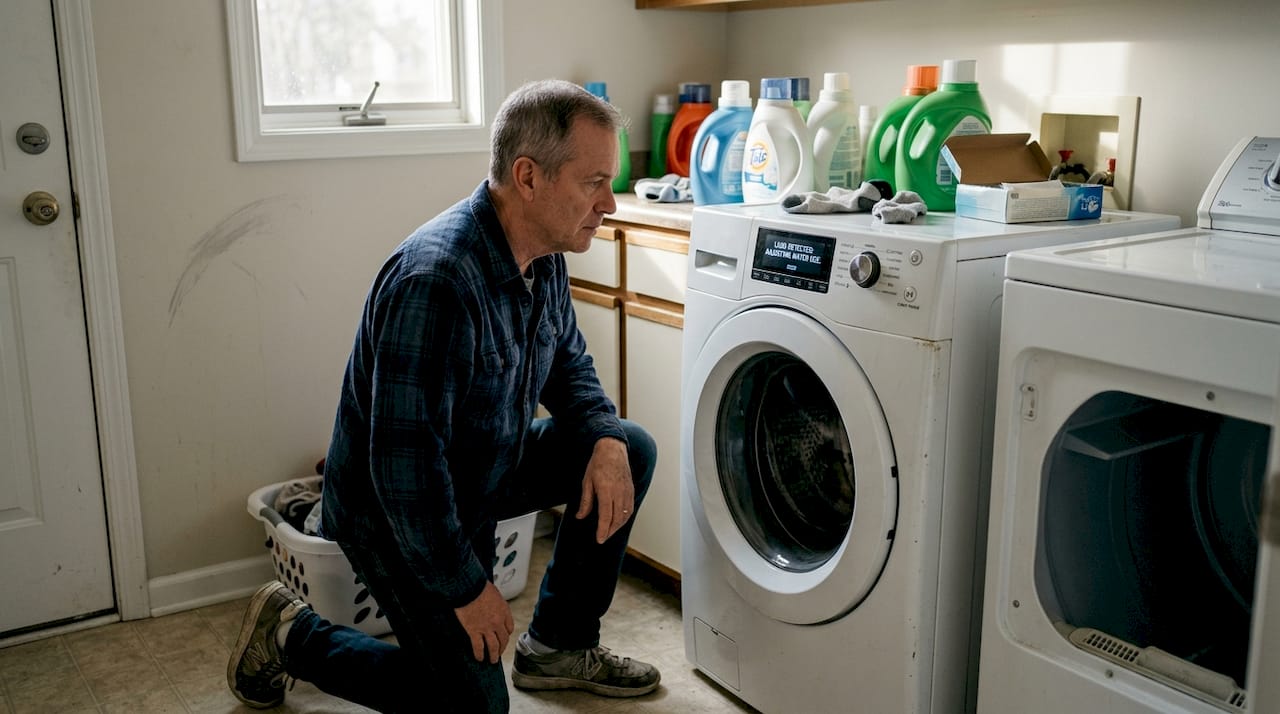
Sensors allow appliances to sense and adapt rather than run on fixed programs. A load-sensing washer adjusts its water level based on how much laundry you put in. A moisture-sensing dryer stops when clothes are done rather than running a full 60-minute cycle. An adaptive refrigerator compressor slows down when the door hasn’t been opened for hours. Every one of these adjustments cuts energy use without any effort from you.
| Feature | Conventional appliance | Sensor-optimized appliance |
|---|---|---|
| Water per wash cycle | 40+ gallons | 13-20 gallons |
| Dryer cycle length | Fixed 60 min | 30-45 min (adaptive) |
| Energy per cycle | Higher baseline | 15-25% lower |
| Annual savings estimate | Baseline | $80-$200+ |
Three specific ways sensors directly lower your utility bills:
- Avoiding overdrying: Moisture sensors stop the dryer the moment clothes are dry, cutting cycle time and protecting fabrics from heat damage.
- Adaptive cooling: Refrigerator temperature sensors adjust compressor speed based on internal conditions, reducing energy draw during off-peak hours.
- Precise water control: Washer load sensors fill the drum with only as much water as the load needs, cutting water waste per cycle.
Smart appliances achieve 10-17% savings in heating and cooling through sensor-driven optimization. That might sound modest, but across a full year and multiple appliances, those savings add up fast for a Monmouth County household.
For more ways to get the most out of your appliances, check out these smart maintenance tips built specifically for New Jersey homeowners.
The role of sensors in appliance maintenance and longevity
Efficiency isn’t the only win. Sensors also protect your investment through smart maintenance.
Modern appliances use sensors to trigger maintenance alerts before a small problem becomes a costly repair. Your refrigerator might flash a warning when the condenser coil temperature rises too high, a sign that dust buildup is forcing the compressor to work harder. Your washer might display an error code when a vibration sensor detects a chronic imbalance that could crack the drum bearing over time.
Common issues that sensors catch early include:
- Blocked vents in dryers, detected by rising temperature sensors
- Imbalanced loads in washers, flagged by vibration and load sensors
- Dirty condenser coils in refrigerators, signaled by temperature spikes
- Clogged filters in dishwashers, identified by pressure drop sensors
- Door seal failures, caught by door status and temperature sensors
| Maintenance type | Breakdown rate | Average lifespan | Owner repair cost (5 yrs) |
|---|---|---|---|
| No predictive maintenance | High | 8-10 years | $600-$1,200 |
| Sensor-guided maintenance | Low | 12-15 years | $150-$400 |
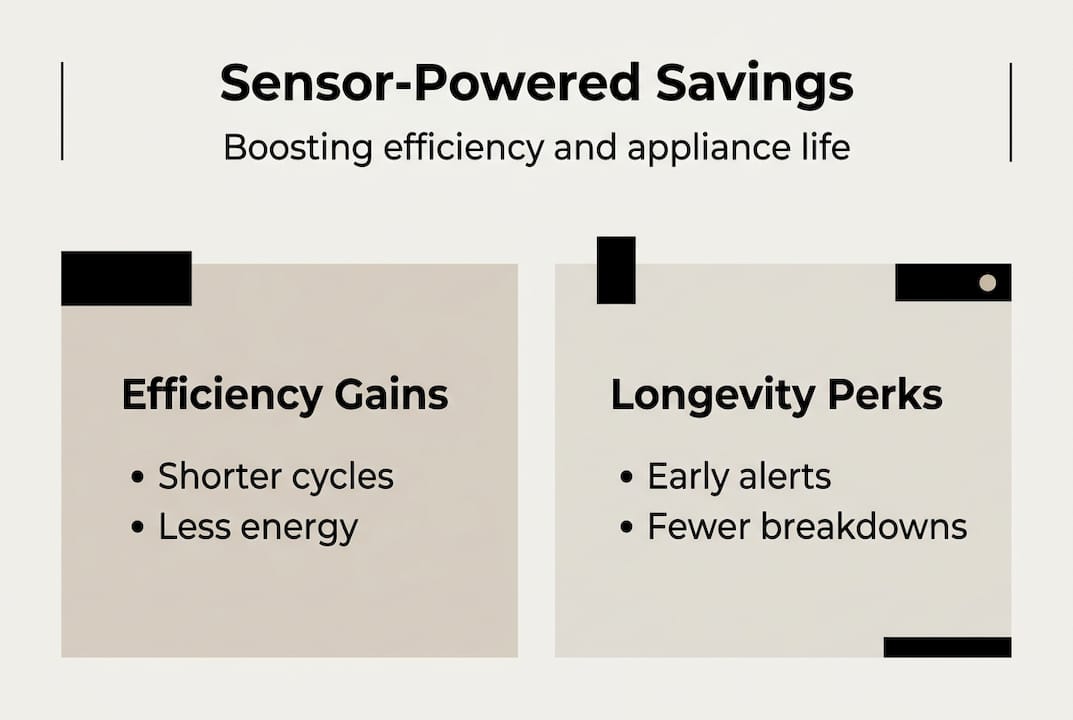
Sensors reduce breakdowns through early detection, and predictive maintenance extends appliance life significantly. That’s a real financial difference for homeowners who want to avoid emergency calls.
You can find practical DIY maintenance tips to keep your appliances running longer, and learning how to prevent costly repairs starts with understanding what your sensors are telling you.
Pro Tip: Use a cotton swab dipped in isopropyl alcohol to clean sensor contacts on your washer and dryer twice a year. This removes mineral buildup and prevents false alerts that can trigger unnecessary service calls.
Sensor failures, repair costs, and what homeowners should do
With major benefits come some challenges. Here’s how to handle sensor problems and avoid surprises.
Sensors fail for a few predictable reasons: dust and lint accumulation, limescale from hard water, general wear, and sometimes electrical surges. In Monmouth County, hard water is a real factor. Mineral deposits coat sensor contacts over time, causing false readings that make your appliance behave erratically or shut down entirely.
Warning signs of a failing sensor include:
- Appliance stopping mid-cycle for no clear reason
- Error codes that appear and disappear randomly
- Clothes still wet after a full dryer cycle
- Refrigerator running constantly or not cooling evenly
- Washer overfilling or underfilling
Typical repair costs vary based on sensor type and appliance brand:
- Moisture sensor (dryer): $20-$80 parts plus labor
- Water level sensor (washer): $30-$120 parts plus labor
- Temperature sensor (fridge/oven): $50-$200 parts plus labor
- Control board sensor replacement: $150-$350 total
Repair costs range from $20 to $350 depending on sensor type and complexity. Catching the problem early, before it cascades into a control board failure, keeps you at the lower end of that range.
“Routine maintenance is almost always cheaper than emergency repair. Addressing a $30 sensor issue before it damages a $300 motor is the smartest financial move a homeowner can make.”
While sensor complexity adds challenges, the net benefits outweigh failures, especially when homeowners stay proactive. Use this maintenance checklist to build a simple routine that keeps your sensors clean and your appliances reliable year-round.
Why proactive sensor care is the real game-changer for Monmouth County homes
Here’s the perspective most guides miss: the biggest appliance failures we see aren’t caused by worn motors or broken drums. They start with neglected sensors that nobody thought to clean.
A dirty moisture sensor doesn’t just waste energy. It quietly trains your appliance to run longer cycles, stressing the heating element, the drum bearings, and the motor all at once. By the time the appliance breaks down, the sensor itself isn’t even the problem anymore. The damage has spread.
Monmouth County’s hard water makes this worse. Limescale builds up faster here than in most parts of New Jersey, and sensors are especially vulnerable because of their small, precise contact points. Most homeowners don’t find out until they get an error code or a service call.
The fix is simple: treat sensor cleaning the same way you treat filter changes. Add it to your seasonal routine. It takes five minutes and costs nothing. You can extend your appliance’s lifespan by years just by staying consistent with this one habit. Sensors aren’t set-and-forget components. They need a little attention to keep doing their job.
Get expert help for sensor-powered appliances
Understanding your appliances’ sensors puts you ahead of most homeowners, but some sensor issues go beyond a quick wipe-down. Limescale buildup deep inside a water level sensor, persistent error codes, or a refrigerator that keeps cycling off are signs that a professional diagnosis is the right next step.

At Expert Appliance Repair, we’ve been serving Monmouth County homeowners since 1988. Whether you need emergency appliance repair for a sudden breakdown or want to get ahead of problems with a maintenance visit, our team knows exactly what to look for. Hard water issues, sensor failures, error codes, we handle it all. See how regular maintenance prevents costly repairs and reach out to our local experts today for fast, upfront service.
Frequently asked questions
Which appliances commonly use sensors in homes?
Washers, dryers, refrigerators, ovens, and dishwashers all use sensors to control temperature, pressure, and door status, making every cycle more precise and efficient.
How often should I clean appliance sensors?
Clean major sensors every 3-6 months. In hard water areas like Monmouth County, more frequent cleaning prevents limescale buildup that causes false readings and early failures.
What’s the main sign a sensor is malfunctioning?
Frequent error codes, inconsistent performance, or appliances failing to complete cycles are the clearest signs. Early detection through these signals can prevent far more expensive repairs down the line.
Are sensor repairs usually covered by appliance warranties?
Most manufacturer warranties cover sensor repairs for the first 1-3 years, but coverage varies by brand and model, so always check your specific documentation before scheduling a repair.
Does Monmouth County’s water affect appliance sensors?
Yes. Hard water deposits limescale on sensor contacts over time, causing false readings and premature failures. Regular cleaning and occasional professional service are strongly recommended for local homeowners.
Recommended
- Appliance Efficiency Ratings: Save $100+ Per Year – Expert Appliance
- Appliance Cleaning Checklist 2026: 30% Energy Savings NJ – Expert Appliance
- 6 Smart Appliance Maintenance Tips for NJ Homeowners – Expert Appliance
- Role of appliance filters in maintaining home efficiency – Expert Appliance
- Manage energy costs in Texas: flexible solutions 2026