
TL;DR:
- Regular cleaning and preventive habits significantly extend appliance lifespan and prevent costly repairs.
- Specific routines are essential for common appliances like toasters, blenders, and coffee makers to maintain efficiency.
- Avoiding common mistakes such as overloading, harsh cleaning products, and blocking vents saves money and reduces damage.
Most appliance breakdowns don’t happen out of nowhere. They build up quietly, crumb by crumb, mineral deposit by mineral deposit, until one morning your coffee maker sputters, your toaster trips a breaker, or your washer starts making a sound you’ve never heard before. For Monmouth County homeowners, these surprises are almost always avoidable. The truth is that a handful of simple, consistent habits can add years to the life of your appliances, cut down on energy costs, and spare you the stress and expense of an emergency repair call. This guide gives you the practical, room-by-room playbook to make that happen.
Table of Contents
- Unplug and safely clean every time
- Targeted routines for common small appliances
- Maintaining appliance efficiency and performance
- Avoid costly mistakes: what not to do
- Our take on smarter small appliance care
- Need help or a pro repair? We’ve got you covered
- Frequently asked questions
Key Takeaways
| Point | Details |
|---|---|
| Unplug before cleaning | Always unplug appliances before cleaning to prevent electric hazards or damage. |
| Use targeted routines | Follow specific cleaning steps for each appliance type for best results and longer lifespan. |
| Clean coils and filters | Regularly clean and maintain coils and filters to boost efficiency, save energy, and cut repair risk. |
| Avoid common mistakes | Don’t overload machines, skip cleaning, or misuse products, as these can lead to early breakdowns. |
| Adapt for hard water | Monmouth County homeowners should descale monthly to prevent mineral buildup from hard water. |
Unplug and safely clean every time
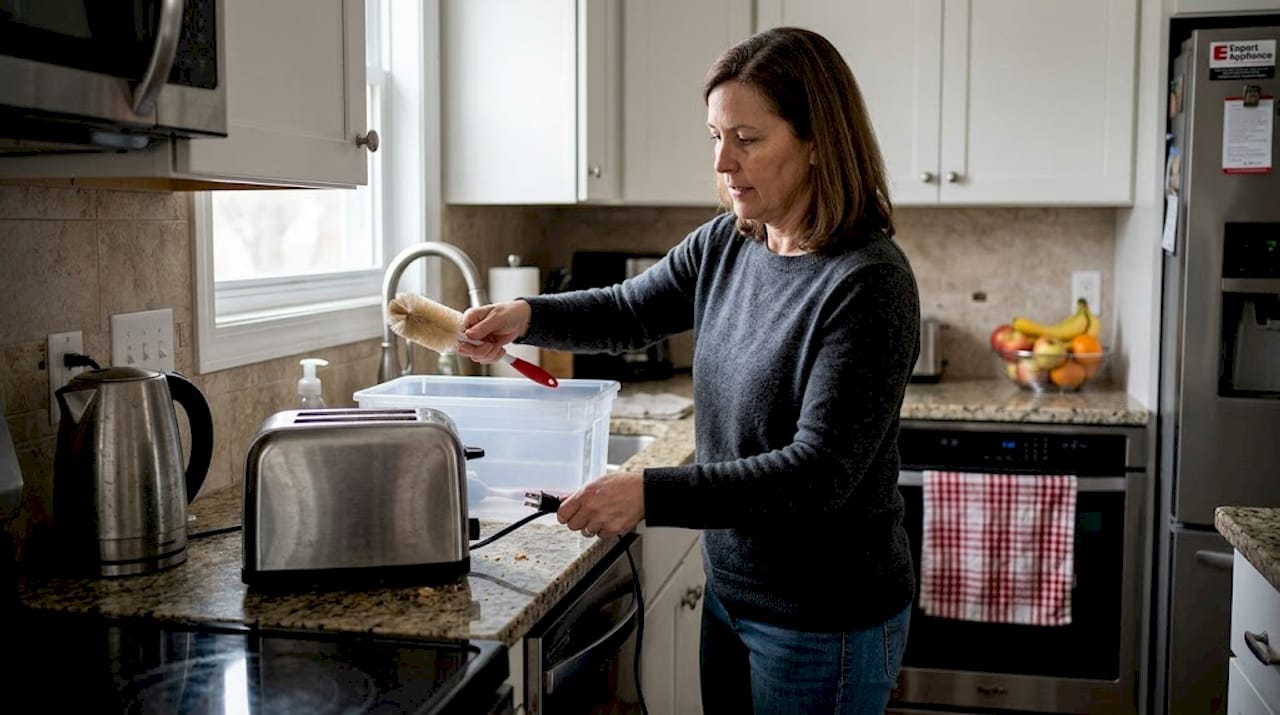
Before anything else, let’s talk about the most important rule in small appliance care: always unplug before you clean. It sounds obvious, but many homeowners skip this step when they’re in a hurry, and that one shortcut can damage internal components or create a genuine safety hazard. As The Spruce points out, you should always unplug small appliances before cleaning to prevent electrical hazards and damage to components.
Beyond safety, regular cleaning is the single biggest thing you can do to extend the life of any small appliance. Dust, grease, crumbs, and spilled liquids don’t just look bad. They quietly work against your appliance every single day. Dust that collects inside vents and around motors forces those motors to work harder, which creates heat, which accelerates wear. This is especially true in older homes across Monmouth County, where dust tends to accumulate faster in certain seasons.
Here’s what a solid baseline cleaning routine looks like:
- Unplug every appliance before wiping it down, no exceptions
- Wipe exterior surfaces weekly with a damp microfiber cloth, avoiding abrasive scrubbers that scratch finishes
- Check hidden crumb and residue traps like the underside of toasters, the seams around slow cookers, and the lid gaskets on blenders
- Address spills immediately rather than letting them dry and harden into a crust that’s much harder to remove
- Use mild dish soap and water for most surfaces; avoid bleach-based cleaners on plastic or painted metal
- Dry thoroughly before plugging anything back in, especially any surface near vents or heating elements
“Dust and grime that collect around motors and heating elements are the quiet killers of small appliances. A five-minute weekly wipe-down often does more than any warranty ever will.”
Pro Tip: Keep a small cleaning kit right in your kitchen drawer, something with a soft brush, a microfiber cloth, and a small bottle of diluted dish soap. Having the tools within arm’s reach means you’ll actually use them.
For homeowners who want a deeper system, the DIY appliance maintenance guide and the appliance maintenance checklist are both great starting points to build habits that stick.
Targeted routines for common small appliances
Safe cleaning basics are the foundation, but each appliance also has its own specific weak points. Let’s get into what actually works for the three most common small appliances in Monmouth County kitchens: the toaster, the blender, and the coffee maker.
Toasters
The crumb tray is the most neglected part of any toaster, and it’s also the part most likely to cause a fire if ignored. Good Housekeeping recommends cleaning the crumb tray weekly by shaking out crumbs and wiping with a damp cloth, and stresses that you should never submerge a toaster in water because built-up residue near the heating wires becomes a fire hazard.
Follow these steps every week:
- Unplug the toaster completely
- Hold it over the sink or garbage and gently shake it upside down
- Slide out the removable crumb tray, rinse it under warm water, and dry it fully before reinserting
- Use a small, dry pastry brush to sweep crumbs from the interior slots
- Wipe the outside with a barely damp cloth, then dry immediately
Blenders
Blenders get gunked up fast when residue from smoothies, soups, or sauces dries on the blades. Consumer Reports recommends rinsing immediately after use with a soap and water blend cycle: fill the jar halfway with warm water, add a drop of dish soap, and blend for 15 to 30 seconds. Disassemble and hand-wash blades and lids separately, and avoid adding hot liquids directly since that can crack the jar.
Pro Tip: Never put blender blades in the dishwasher. The high heat dulls the edge faster than hand-washing does, and over time that puts more strain on the motor as it works harder to chop through food.
Coffee makers
This one matters especially here in Monmouth County. The region’s water supply tends toward the hard side, meaning it carries higher mineral content. Those minerals, mostly calcium and magnesium, deposit inside your coffee maker over time, clogging tubes and damaging seals. Consumer Reports recommends descaling monthly using equal parts white vinegar and water run through a full brew cycle, followed by two or three plain water rinse cycles to clear the vinegar taste.
Here’s a quick comparison of how often each appliance needs attention:
| Appliance | Weekly task | Monthly task |
|---|---|---|
| Toaster | Shake crumbs, wipe exterior | Deep clean interior and slots |
| Blender | Rinse after every use | Disassemble and hand-wash all parts |
| Coffee maker | Wipe carafe and exterior | Full descaling cycle with vinegar solution |
Getting these routines right is part of the broader picture covered in the essentials of appliance repair, which walks through what separates a minor fix from a full replacement.
Maintaining appliance efficiency and performance
Small appliances aren’t the only ones that benefit from a maintenance routine. Your larger appliances, the refrigerator, washer, dryer, and dishwasher, all carry significant operating costs and are expensive to replace. A little scheduled attention goes a long way toward keeping your energy bills down and your appliances running efficiently for the long haul.
Let’s start with the refrigerator. The condenser coils sit at the back or underneath the unit, and they release heat as part of the cooling process. When they’re coated in dust and pet hair, they can’t release heat efficiently, so the compressor has to run longer and work harder. Oregon State University research found that cleaning condenser coils twice yearly can improve refrigerator efficiency by up to 30%, reducing both energy use and compressor wear. That’s a meaningful number when you consider that the compressor is the most expensive part to replace.
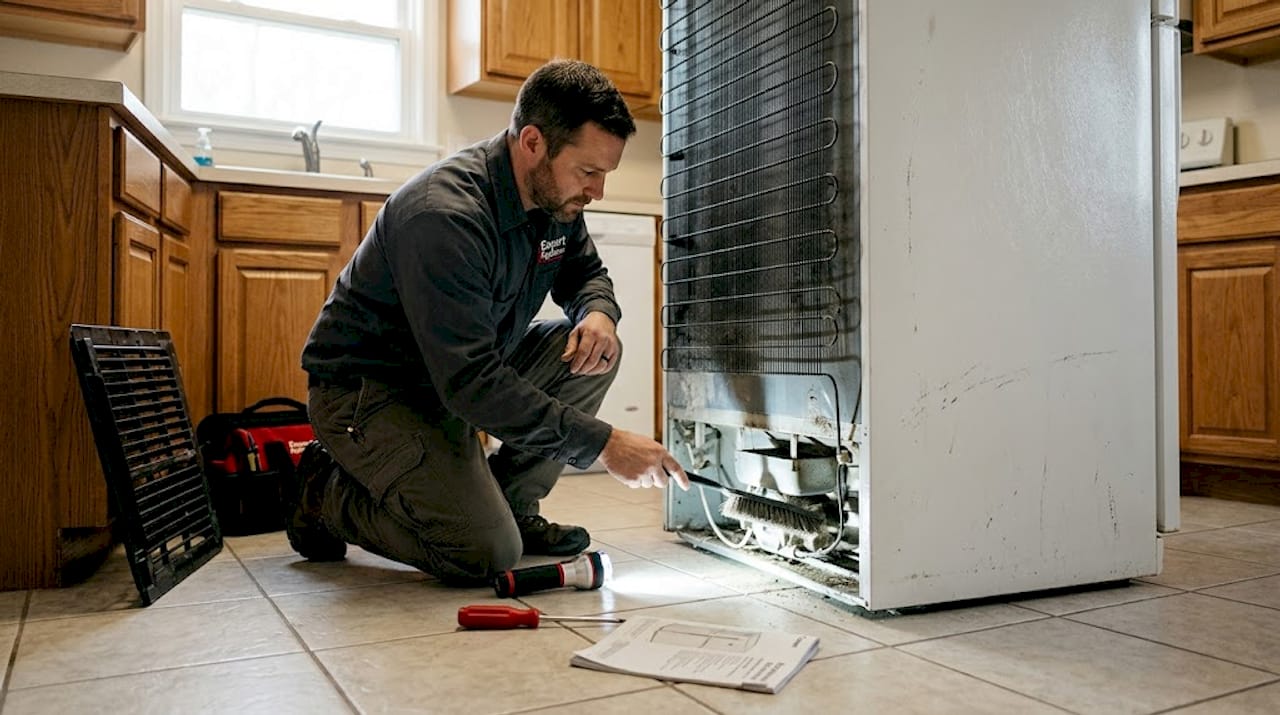
A Better Homes and Gardens analysis reinforces this point, showing that regular maintenance like coil cleaning can measurably extend appliance lifespan. The same source also flags that overloading your washer cuts its lifespan by 4 to 6 years, which is worth keeping in mind every laundry day.
For more targeted advice on keeping your fridge running well, the refrigerator maintenance tips page covers the specifics. And the appliance efficiency checklist for Monmouth County is built around local conditions like hard water and seasonal temperature swings.
Here’s a clear view of recommended maintenance frequency across common home appliances:
| Appliance | Maintenance task | Recommended frequency |
|---|---|---|
| Refrigerator | Clean condenser coils | Twice per year |
| Dishwasher | Clean and inspect filter | Monthly |
| Washing machine | Run drum cleaning cycle | Monthly |
| Dryer | Clean lint trap | After every load |
| Microwave | Wipe interior after spills | Weekly |
Beyond cleaning, here are the efficiency habits that make the biggest difference:
- Leave the washer door ajar after every load so the drum dries out and mold cannot take hold in the gasket
- Clean the dishwasher filter every month to prevent food particles from recirculating onto dishes and clogging the pump
- Vacuum the dryer exhaust duct once a year to reduce fire risk and maintain drying efficiency
- Check door gaskets on the refrigerator every few months by closing the door on a piece of paper; if it slides out easily, the seal needs replacing
Stat to remember: Dirty refrigerator coils force the compressor to work up to 30% harder. Over a typical appliance lifespan, that means hundreds of dollars in extra electricity costs and significantly increased risk of a costly compressor failure.
Avoid costly mistakes: what not to do
You’ve learned what to do, now find out which all-too-common mistakes do the most damage and how they’re best avoided. Many appliance failures that come through our shop in Monmouth County trace back to one of these errors.
The most damaging mistakes homeowners make:
-
Overloading the washing machine. Cramming in an extra load to save time is tempting, but it puts enormous stress on the drum bearings and motor. As data confirms, oversized loads can cut washer lifespan by 4 to 6 years. Fill the drum to about 75% capacity and you’ll get better cleaning performance along with a much longer machine life.
-
Using harsh or wrong cleaning products. Bleach-based sprays on stainless steel finishes cause permanent pitting. Abrasive powders scratch plastic surfaces and strip protective coatings. Always check your appliance manual for approved cleaners, or default to mild dish soap and warm water.
-
Ignoring spills and letting residue build. Consumer Reports urges homeowners to wipe spills immediately and clean dishwasher filters monthly to prevent clogs and odors. A spill that takes 30 seconds to wipe up fresh can take 30 minutes to scrub off when it’s hardened, and on heating elements or motors it can cause permanent damage.
-
Skipping appliance registration. When you buy a new appliance, registering it with the manufacturer takes five minutes and activates your warranty. Skipping this step means you lose warranty coverage for defects and recalls. We see this constantly with homeowners who face a $300 repair that would have been free under warranty.
-
Blocking vents and airflow. Microwaves, toasters, and refrigerators all need clear airflow to operate safely. Pushing appliances flush against walls or storing items on top of them traps heat and dramatically shortens component life.
-
Running appliances on extension cords. Small appliances can draw significant current. Running them through an underrated extension cord creates heat at the connection point, which can damage the cord, the appliance, or both.
“The repairs we see most often in Monmouth County homes aren’t from appliances that broke unexpectedly. They’re from appliances that were slowly worn down by habits the homeowner didn’t even know were harmful.”
Pro Tip: Set a phone reminder for the first of every month to run through three quick tasks: descale the coffee maker, clean the dishwasher filter, and run a drum-cleaning cycle on your washer. Three tasks, maybe 15 minutes total, and your appliances will thank you for years.
For homeowners who want to go deeper, appliance maintenance expert tips and the guide on how to prevent appliance damage are both packed with practical, local-focused advice.
Our take on smarter small appliance care
After more than 35 years of repairing appliances across Marlboro and Monmouth County, we’ve watched the same patterns repeat. Homeowners invest in quality appliances and then wait for something to go wrong before paying any attention to them. That reactive approach almost always costs more in the long run.
Here’s something most maintenance articles won’t tell you: the single most impactful thing you can do for the specific conditions in Monmouth County is address hard water. Descaling your coffee maker, cleaning your dishwasher spray arms, and inspecting your water inlet valve on the washer every year will do more for appliance longevity here than nearly any other task on your list.
We also want to be honest about cheap appliances. If a blender or toaster cost you $25, sometimes replacement is smarter than repair. But if an appliance cost $150 or more, proper maintenance almost always beats replacement cost. Learning to spot appliance problems early is the skill that lets you make that call confidently before a small issue becomes a crisis.
Simple routines, done consistently, beat any gadget or expensive cleaning product on the market.
Need help or a pro repair? We’ve got you covered
Sometimes a maintenance routine reveals a problem that’s already gone too far for a DIY fix. Maybe the motor sounds rough, the heating element isn’t reaching temperature, or a seal has cracked. That’s exactly what we’re here for.

At Expert Appliance Repair, we’ve been serving Monmouth County homeowners since 1988 with same-day service, transparent pricing, and 24/7 emergency support. Whether you need emergency appliance repair on a Friday night or a quick vacuum motor swap covered under our appliance vacuum repair service, we handle all major brands fast and right. If you prefer to keep doing it yourself, our DIY appliance tips library keeps growing with practical, local-first guidance. Either way, we’ve got your back.
Frequently asked questions
How often should I descale my coffee maker if I live in Monmouth County?
Descale your coffee maker at least once a month due to the region’s common hard water, which builds up minerals faster than softer water areas, causing bitter taste, leaks, and seal damage over time.
What’s the safest way to clean a toaster?
Always unplug the toaster first, then shake out crumbs weekly and wipe with a damp cloth; never submerge it in water, as built-up residue near the heating wires creates a fire hazard.
How does cleaning coils help my refrigerator?
Cleaning condenser coils twice a year can boost efficiency up to 30%, which directly lowers your energy bill and takes the strain off the compressor, extending the refrigerator’s working life.
Does overloading washers really shorten appliance life?
Yes, consistently oversized loads put excessive strain on drum bearings and the drive motor, and can cut your washer’s lifespan by 4 to 6 years compared to properly loaded machines.
Recommended
- 7 proven ways to prevent appliance damage and extend lifespan – Expert Appliance
- The Essentials of Small Appliance Repair: Keeping Your Devices Running Smoothly – Expert Appliance
- Best practices for appliance care: extend appliance life – Expert Appliance
- 7 Essential Appliance Maintenance Schedule Tips for Homeowners – Expert Appliance