
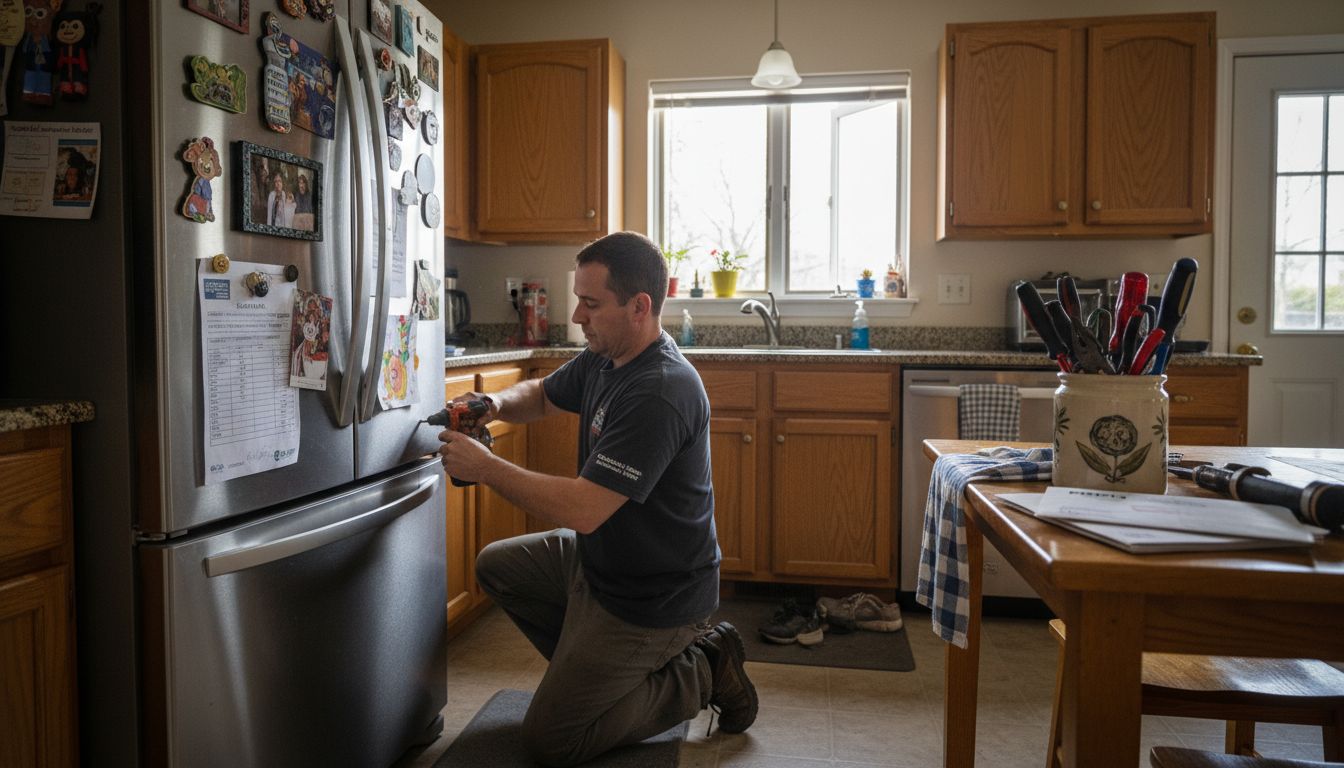
Most American households rely on appliances for daily comfort, yet nearly one in three people will face a major breakdown each year. When your refrigerator stops cooling or your washer refuses to spin, the disruption can feel urgent and stressful. For New Jersey homeowners, understanding the structured appliance repair process can make all the difference in restoring peace of mind and avoiding unnecessary expenses.
Table of Contents
- Defining The Appliance Repair Process
- Types Of Appliances And Common Problems
- Step-By-Step Breakdown Of Service Visits
- Costs, Warranties, And Upfront Pricing
- How To Choose A Qualified NJ Repair Service
Key Takeaways
| Point | Details |
|---|---|
| Structured Appliance Repair Process | Appliance repair in New Jersey follows a systematic approach that includes diagnostic assessments, repair recommendations, and technical execution to ensure reliable service. |
| Common Appliance Issues | Major appliances like refrigerators, washing machines, and dryers frequently experience specific mechanical and electrical problems that necessitate professional intervention. |
| Transparent Pricing and Warranties | Technicians provide upfront pricing, including diagnostic fees and potential repair costs, and offer warranties that protect homeowners from unexpected expenses. |
| Choosing Qualified Technicians | Homeowners should prioritize licensed and certified technicians with positive reviews, clear communication, and guarantees to ensure quality appliance repair. |
Defining the Appliance Repair Process
Appliance repair in New Jersey involves a structured approach that ensures homeowners receive professional, reliable service for their malfunctioning household equipment. Home appliance repairers in New Jersey are regulated professionals who follow specific administrative guidelines designed to protect consumer interests and maintain high service standards.
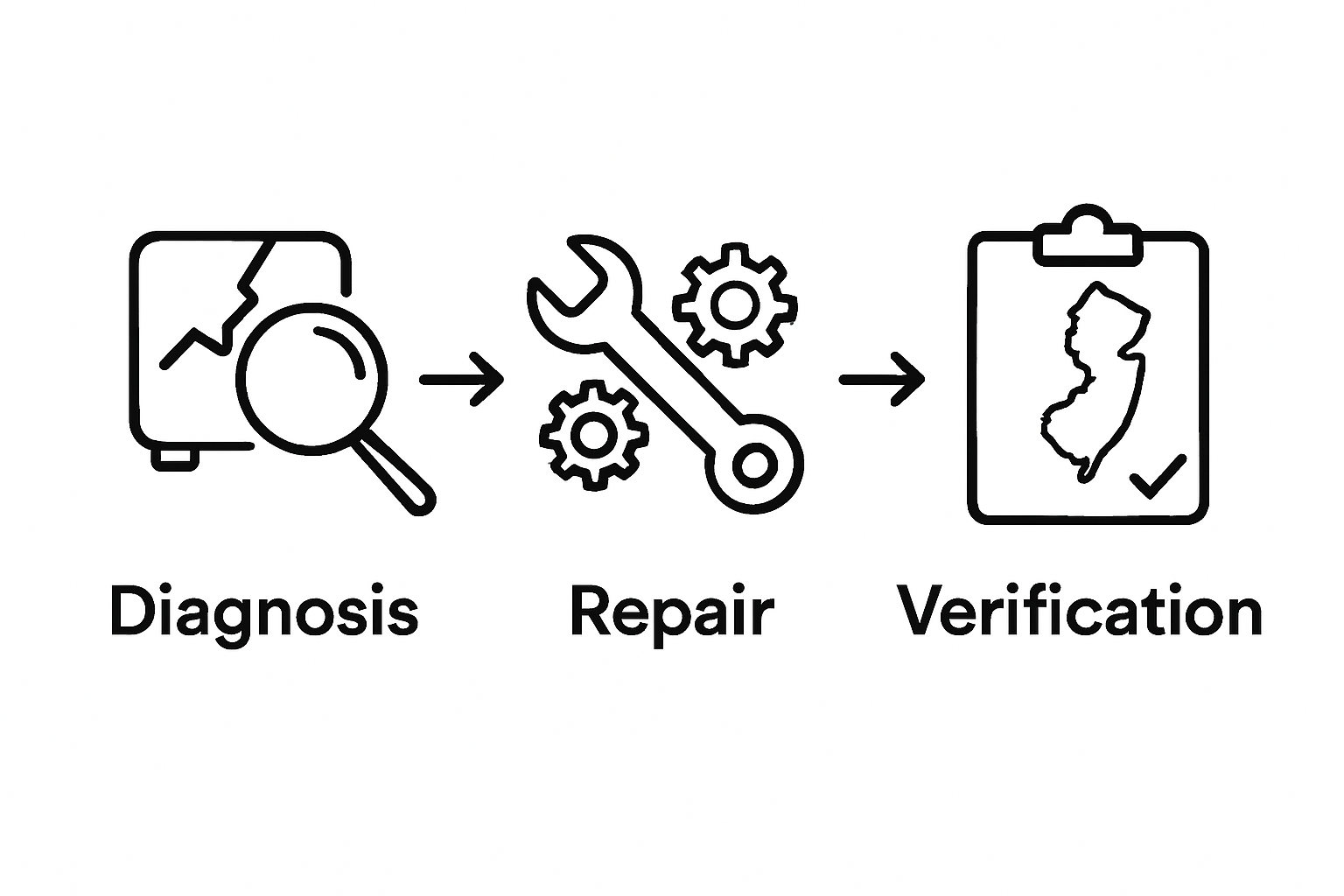
The typical appliance repair process begins with a comprehensive diagnostic assessment. When a homeowner experiences issues with their refrigerator, washer, dryer, or other major appliances, a certified technician will first conduct a thorough inspection. This initial evaluation helps identify the root cause of the malfunction, whether it’s a mechanical problem, electrical issue, or component failure. Technicians use specialized diagnostic tools and their extensive technical knowledge to pinpoint exact problems, which allows them to provide accurate repair recommendations.
Key steps in the appliance repair process typically include:
-
Initial Diagnostic Assessment
- On-site equipment evaluation
- Identification of specific mechanical or electrical problems
- Detailed problem documentation
-
Repair Recommendation
- Explanation of required repairs
- Cost estimate presentation
- Discussion of repair versus replacement options
-
Technical Repair Execution
- Precision part replacement
- System recalibration
- Functional testing
-
Final Verification
- Complete system performance check
- Customer walkthrough of repairs
- Warranty explanation
Professional appliance repair technicians understand that each repair scenario is unique. By following a systematic approach and leveraging their technical expertise, they can efficiently restore household appliances to full functionality while minimizing disruption to homeowners’ daily lives.
Types of Appliances and Common Problems
Homeowners across New Jersey encounter a wide range of appliance issues that require professional attention. Common appliance problems can vary significantly depending on the specific type of equipment and its age, usage patterns, and maintenance history.
Major household appliances typically experiencing frequent issues include:
-
Refrigerators
- Cooling system failures
- Compressor malfunctions
- Door seal deterioration
- Ice maker complications
-
Washing Machines
- Drainage problems
- Spin cycle interruptions
- Water pump failures
- Electronic control board issues
-
Dryers
- Heating element breakdowns
- Drum rotation problems
- Thermal fuse failures
- Ventilation blockages
-
Dishwashers
- Spray arm obstructions
- Pump motor defects
- Water inlet valve malfunctions
- Drainage system clogs
-
Ovens and Stoves
- Temperature calibration errors
- Heating element degradation
- Electronic ignition problems
- Control panel malfunctions
Each appliance type presents unique diagnostic challenges that require specialized technical knowledge. Professional technicians understand these nuanced differences and approach each repair with precision, ensuring efficient resolution of mechanical and electrical complications.
Understanding the specific symptoms and potential issues for different appliances helps homeowners recognize when professional intervention becomes necessary. Prompt attention to emerging problems can prevent more extensive damage, reduce repair costs, and extend the overall lifespan of valuable household equipment.
Step-by-Step Breakdown of Service Visits
Professional appliance repair service visits in New Jersey follow a structured process designed to provide transparent and efficient solutions for homeowners. New Jersey consumer protection regulations require detailed disclosure of diagnostic charges before any repair work begins, ensuring customers understand potential costs upfront.
A typical service visit follows a comprehensive sequence of professional steps:
-
Initial Contact and Scheduling
- Customer phone consultation
- Description of appliance issue
- Preliminary diagnostic questions
- Appointment scheduling
-
Pre-Diagnostic Preparation
- Technician review of initial problem description
- Selection of appropriate diagnostic tools
- Gathering potential replacement parts
- Vehicle preparation with necessary equipment
-
On-Site Technical Assessment
- Physical inspection of appliance
- Comprehensive diagnostic testing
- Identification of specific mechanical or electrical issues
- Detailed problem documentation
-
Repair Consultation
- Explanation of diagnostic findings
- Detailed repair recommendation
- Cost estimate presentation
- Discussion of repair versus replacement options
-
Repair Execution
- Customer approval of proposed repairs
- Precision parts replacement
- Technical system recalibration
- Functional performance testing
-
Final Verification and Customer Education
- Complete system performance check
- Demonstration of repaired appliance functionality
- Maintenance recommendations
- Warranty explanation and documentation
Each step is designed to provide homeowners with a transparent, professional, and comprehensive appliance repair experience. Skilled technicians understand that effective communication and technical expertise are equally important in delivering high-quality service that meets and exceeds customer expectations.
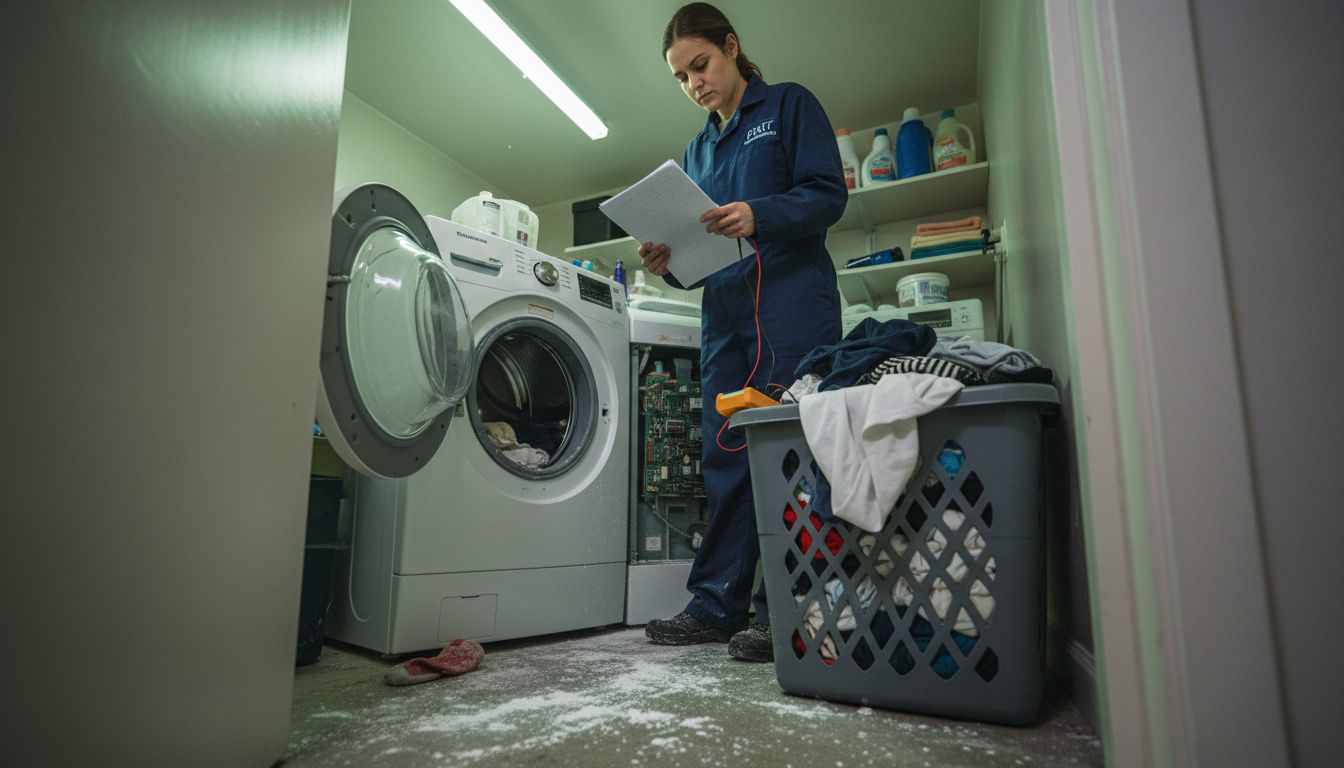
By following this systematic approach, appliance repair professionals ensure minimal disruption to homeowners’ daily lives while providing efficient, reliable solutions to complex technical challenges.
Costs, Warranties, and Upfront Pricing
Appliance repair services in New Jersey prioritize transparency and customer satisfaction through clear pricing structures and comprehensive warranty options. Limited warranties typically cover specific repair labor and parts for a predetermined period, providing homeowners with financial protection and peace of mind.
Pricing Breakdown Components:
-
Diagnostic Fee
- Flat rate assessment charge
- Typically ranges from $75-$125
- Often credited toward total repair cost
-
Repair Cost Factors
- Parts replacement expenses
- Labor time requirements
- Complexity of appliance issue
- Brand and model specifications
Warranty Coverage Considerations:
- Standard warranty duration: 30-90 days
- Parts and labor protection
- Exclusions for wear-and-tear damages
- Manufacturer original warranty interactions
Homeowners should expect detailed cost estimates before any repair work begins. Professional technicians provide transparent pricing that breaks down diagnostic fees, potential part replacements, and labor charges. This approach eliminates surprise expenses and allows customers to make informed decisions about appliance repairs.
Understanding warranty terms is crucial for managing long-term appliance maintenance expenses. While most warranties cover specific repair scenarios, they often include nuanced conditions that require careful review. Customers benefit from asking detailed questions about coverage limitations, replacement part specifications, and potential out-of-pocket expenses before authorizing comprehensive repair services.
How to Choose a Qualified NJ Repair Service
New Jersey’s administrative guidelines for home appliance repair services provide critical consumer protection standards that help homeowners select reliable and professional technicians. Selecting the right appliance repair service requires careful consideration of multiple factors to ensure quality, reliability, and customer satisfaction.
Key Selection Criteria for Appliance Repair Services:
-
Professional Credentials
- State-licensed technicians
- Manufacturer-specific certifications
- Verifiable professional training
- Ongoing technical education
-
Business Reputation
- Positive customer reviews
- Better Business Bureau rating
- Years of operational experience
- Local community reputation
-
Service Guarantees
- Transparent pricing
- Written repair estimates
- Warranty on parts and labor
- Clear communication protocols
Essential Verification Steps:
- Request proof of professional certification
- Verify business licensing status
- Check online customer testimonials
- Compare multiple service estimates
- Confirm warranty and service guarantees
Homeowners should prioritize technicians who demonstrate comprehensive technical knowledge, maintain transparent communication, and provide documented expertise. Professional repair services distinguish themselves through consistent reliability, advanced technical training, and commitment to customer satisfaction.
Ultimately, choosing a qualified appliance repair service involves balancing technical competence with professional integrity. By conducting thorough research and asking targeted questions, New Jersey residents can find repair professionals who deliver high-quality, dependable solutions for their household equipment challenges.
Get Reliable Appliance Repair Support in New Jersey Today
Facing a malfunctioning refrigerator, washer, dryer, or oven can disrupt your daily routine and cause significant stress. This article outlined the careful steps involved in the appliance repair process from diagnosis to final verification, emphasizing the need for transparent pricing and professional expertise. If you want skilled technicians who understand the nuances of appliance repair and offer fast, same-day service in New Jersey, you do not have to look far.
Explore our Appliance Archives to learn how we tackle common and complex appliance issues with precision and care.
Choose Expert Appliance Repair for your Marlboro and Monmouth County needs because we combine over 30 years of experience with 24/7 emergency support. We provide upfront pricing and clear communication so you can decide confidently. Don’t let appliance breakdowns wait until tomorrow. Visit our website now at Expert Appliance Repair to schedule your service or get a free consultation. Your appliances deserve the best care delivered quickly and reliably.
Frequently Asked Questions
What are the key steps in the appliance repair process?
The appliance repair process typically involves an initial diagnostic assessment, repair recommendations, technical repair execution, and final verification to ensure the appliance is functioning correctly.
How do I know when to call a professional for appliance repair?
If you notice persistent issues such as unusual noises, inconsistent performance, or specific malfunctions with your appliance, it’s best to seek professional help to prevent further damage.
What factors influence the cost of appliance repairs?
The cost of appliance repairs can vary based on diagnostic fees, parts replacement expenses, labor time, and the complexity of the issue, as well as the brand and model specifications of the appliance.
What should I expect in terms of warranty coverage for appliance repairs?
Warranties for appliance repairs typically last between 30 to 90 days and cover specific parts and labor. It’s important to review the terms to understand any limitations or exclusions regarding wear-and-tear damages.