
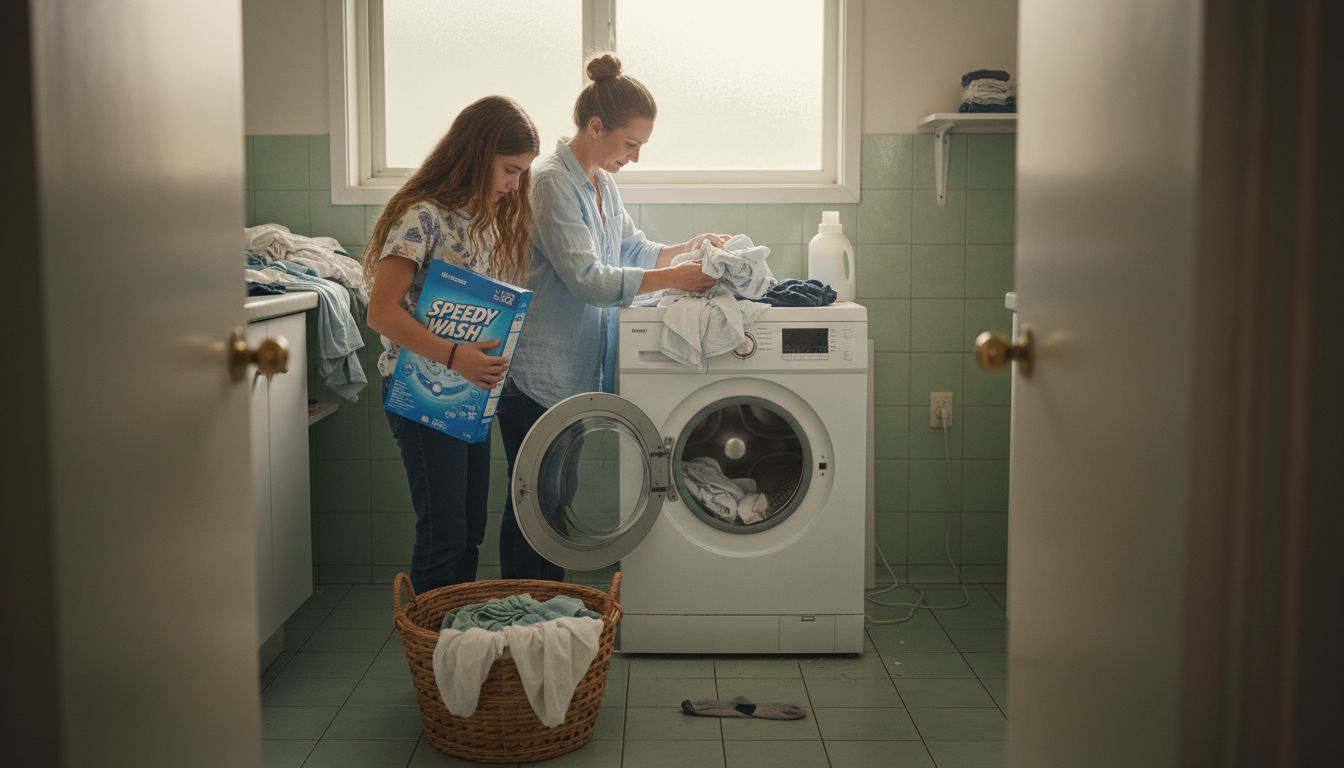
Over 90 percent of American households rely on washing machines every week, yet many people never think twice about how these powerful appliances remove dirt from clothes. With so many fabric types and laundry habits across the country, understanding the science behind washing machines can help everyone—from busy families to single students—get cleaner results and extend the life of their garments. Discover how advanced technology and smart choices can make a real difference on laundry day.
Table of Contents
- How Washing Machines Remove Dirt
- Types of Washing Machines and Their Differences
- The Science Behind Water, Agitation, and Detergents
- Energy Consumption and Efficiency Factors
- Common Washing Mistakes and Prevention
Key Takeaways
| Point | Details |
|---|---|
| Effective Cleaning Mechanism | Washing machines utilize mechanical, chemical, and thermal processes to remove dirt from fabrics efficiently. |
| Washing Machine Types | Different types of washing machines (front-loading, top-loading, semi-automatic, fully automatic) cater to diverse household needs. |
| Energy Efficiency | Modern washing machines are designed to minimize water and energy consumption while optimizing cleaning performance. |
| Avoid Common Mistakes | Proper water temperature, load sizing, and detergent use are critical to maintaining clothing quality and machine efficiency. |
How Washing Machines Remove Dirt
Washing machines use a sophisticated combination of mechanical, chemical, and thermal processes to effectively remove dirt from fabrics. Scientific research demonstrates that multiple factors contribute to successful dirt removal, transforming seemingly soiled textiles into clean garments through an intricate cleaning mechanism.
The cleaning process fundamentally relies on three critical energy sources: mechanical, chemical, and thermal. Mechanical energy comes from the drum’s agitation, which physically dislodges dirt particles from fabric fibers. As the drum rotates and tumbles, clothes rub against each other, creating friction that helps break down and separate dirt from textile surfaces. Chemical energy from detergents plays an equally crucial role, with specialized molecules called surfactants working to dissolve and lift away grime, oils, and microscopic contaminants.
Thermal energy from water temperature further enhances the cleaning process by helping detergent molecules become more active and effective. Warmer water temperatures typically improve the chemical reactions that break down stains and dirt, making it easier for cleaning agents to penetrate fabric fibers. Different water temperatures are recommended for various fabric types and levels of soiling, with hot water being most effective for heavily soiled items and whites, while cold water works best for delicate fabrics and colored clothing.
Pro Tip for Optimal Cleaning: Select the appropriate water temperature and detergent for your specific fabric type, and avoid overloading the washing machine to ensure maximum dirt removal and garment care.
Types of Washing Machines and Their Differences
Washing machines come in several distinct types, each offering unique features and performance characteristics that cater to different household needs. Technical specifications from industry handbooks reveal three primary categories: fully automatic, semi-automatic, and manual washing machines, with further subdivisions based on loading mechanism and technological complexity.
Front-loading and top-loading machines represent the two primary mechanical designs in modern washing technology. High-efficiency washer research demonstrates significant differences in their operational approaches. Front-loading machines typically use a horizontal drum that tumbles clothes through a smaller water volume, resulting in more energy and water-efficient cleaning. Top-loading machines, conversely, use a vertical drum with an agitator or impeller mechanism that moves clothes through a larger water volume, often consuming more resources but providing robust cleaning for heavily soiled garments.
Automatic washing machines represent the most advanced category, featuring integrated control systems that manage washing cycles, water temperature, spin speeds, and detergent dispensing with minimal human intervention. These machines are further categorized into fully automatic and semi-automatic models. Fully automatic machines handle the entire washing process independently, while semi-automatic models require manual intervention for tasks like transferring clothes between wash and spin cycles. High-end models often include advanced features such as steam cleaning, specialized fabric care modes, and smart connectivity options that allow remote monitoring and control through smartphone applications.
Pro Tip for Machine Selection: Assess your household’s specific laundry needs, considering factors like load size, fabric types, and available space before selecting a washing machine to ensure optimal performance and efficiency.
Here’s a quick comparison of washing machine types and their ideal uses:
| Machine Type | Ideal For | Water/Energy Use | Key Convenience Feature |
|---|---|---|---|
| Front-Loading | Small to medium households | Low water and energy usage | High efficiency, space-saving |
| Top-Loading | Large, heavy-duty loads | Higher water consumption | Faster cycles, easy loading |
| Semi-Automatic | Budget-friendly settings | Manual water control needed | Partial automation, cost saving |
| Fully Automatic | Busy, tech-oriented users | Auto adjusts resources | One-touch operation, smart tech |
The Science Behind Water, Agitation, and Detergents
The cleaning process in washing machines is a complex interaction of three critical scientific principles: water properties, mechanical agitation, and chemical surfactant action. Research from academic institutions reveals that these elements work synergistically to remove dirt, stains, and microorganisms from fabric surfaces, with each component playing a unique role in the cleaning mechanism.
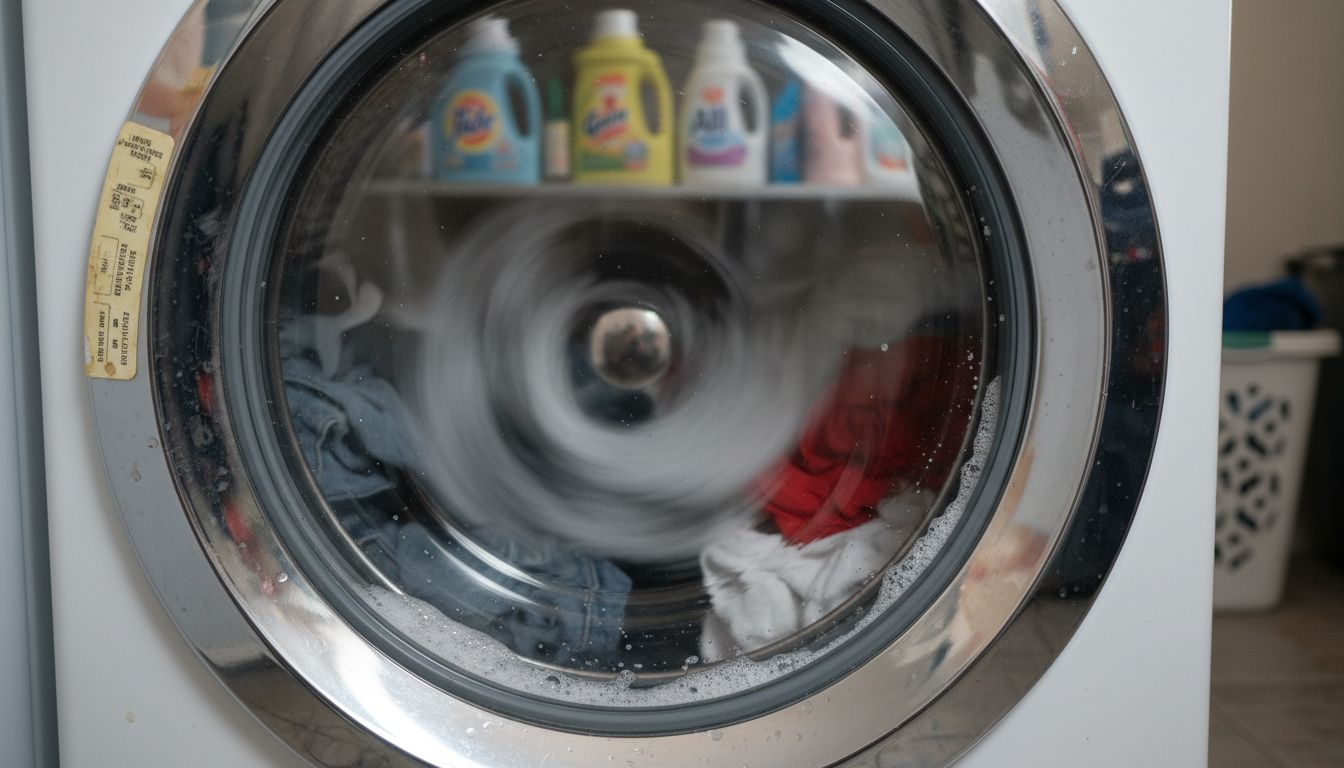
Water temperature plays a crucial role in enhancing cleaning effectiveness. Scientific studies demonstrate that hot water significantly improves soil removal and bacterial elimination compared to cold water. Warmer temperatures increase molecular movement, helping detergent molecules penetrate fabric fibers more efficiently and breaking down complex dirt particles. Different water temperatures are recommended for various fabric types: hot water works best for white, heavily soiled items and towels, while cold water preserves color and prevents shrinkage in delicate fabrics.
Chemical surfactants in detergents are the primary agents responsible for dirt removal. These specialized molecules have unique molecular structures with hydrophilic (water-loving) and hydrophobic (water-repelling) ends. When introduced to water, surfactants create micelles—tiny molecular clusters that trap dirt and oil particles, effectively lifting them away from fabric surfaces. The mechanical agitation of the washing machine drum further enhances this process by creating friction that helps break down and suspend these trapped contaminants, preventing them from redepositing on clean clothing.
Pro Tip for Effective Cleaning: Match your water temperature and detergent type to your specific fabric load, understanding that different textiles require tailored cleaning approaches to maintain quality and cleanliness.
Energy Consumption and Efficiency Factors
Energy efficiency has become a critical consideration in modern washing machine design, with manufacturers and researchers focusing on reducing resource consumption while maintaining optimal cleaning performance. High-efficiency research demonstrates that contemporary washing machines can significantly reduce water and electricity usage compared to older models, creating both environmental and economic benefits for households.
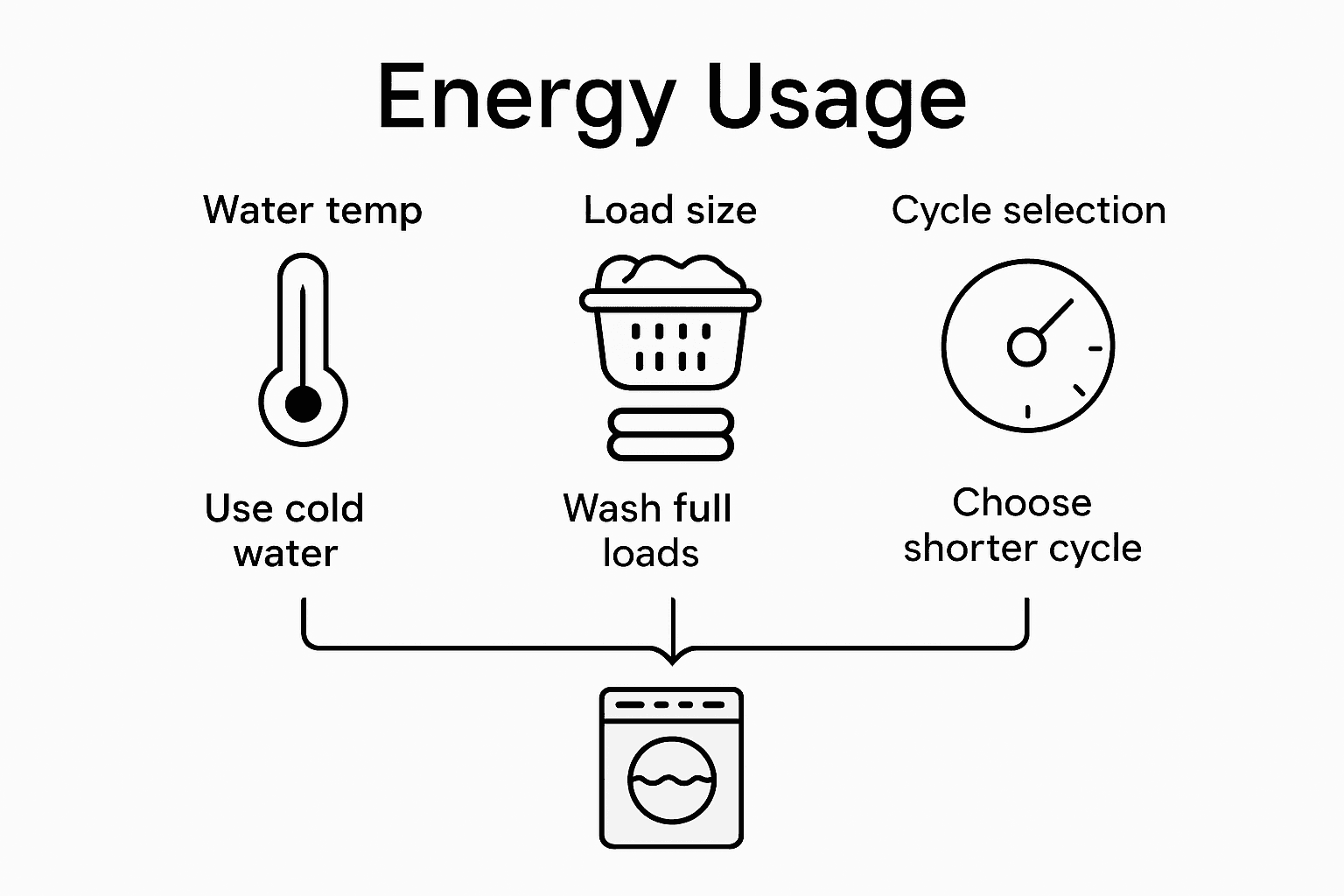
The primary factors influencing washing machine energy consumption include water temperature, load size, cycle selection, and machine technology. Front-loading machines typically consume less water and energy compared to traditional top-loading models, as they require smaller water volumes and utilize gravity-assisted tumbling mechanisms. Mathematical modeling studies reveal complex interactions between mechanical design, water usage, and energy expenditure, highlighting the intricate engineering behind modern efficient appliances.
Modern washing machines incorporate several innovative technologies to enhance energy efficiency. Smart sensors can now detect load size and fabric type, automatically adjusting water levels, temperature, and spin cycles to minimize unnecessary resource consumption. Advanced insulation materials, improved motor designs, and precision electronic controls contribute to reducing overall energy requirements. Additionally, some high-end models feature eco-modes that further optimize performance by using lower temperatures and reduced water volumes without compromising cleaning effectiveness.
Pro Tip for Energy Savings: Choose washing machine cycles that match your load’s specific requirements, avoid using hot water for lightly soiled clothing, and always run full loads to maximize energy and water efficiency.
Common Washing Mistakes and Prevention
Laundry mistakes can significantly impact clothing quality, machine performance, and overall cleaning effectiveness. Scientific research from cleaning experts emphasizes the delicate balance between chemical, mechanical, and thermal energies required for optimal washing results, highlighting the importance of understanding common errors that can compromise this intricate process.
Water temperature selection represents a critical factor in preventing fabric damage and ensuring effective cleaning. University research demonstrates that inappropriate water temperatures can lead to multiple issues, including color fading, fabric shrinkage, and ineffective stain removal. Cold water works best for delicate fabrics and dark colors, while hot water is recommended for white, heavily soiled items and sanitization. Selecting the wrong temperature can permanently damage clothing fibers, set stains, or cause unexpected color bleeding.
Overloading the washing machine is another frequent mistake that compromises cleaning performance. When clothes are packed too tightly, they cannot move freely, reducing the mechanical agitation necessary for effective dirt removal. This limits detergent distribution, prevents proper rinsing, and can cause uneven wear on clothing. Additionally, overloading strains the machine’s motor and can lead to premature mechanical failure. Modern washing machines are designed to work most efficiently when loads are balanced and allow sufficient space for tumbling and cleaning action.
Pro Tip for Laundry Success: Sort your clothing carefully by color, fabric type, and soil level, and always check garment care labels to ensure you’re using the appropriate washing settings and temperature for each specific item.
The table below outlines common washing mistakes and how to prevent them:
| Mistake | Negative Impact | Prevention Tip |
|---|---|---|
| Wrong water temperature | Fading, shrinkage, poor cleaning | Check care labels and sort loads |
| Overloading drum | Incomplete washing, machine strain | Leave room for clothes to move |
| Skipping detergent dose | Stains remain, odor issues | Measure detergent based on load size |
| Ignoring cycle settings | Damage to fabrics, wear | Select proper cycle for fabric type |
Keep Your Washing Machine Running Like New with Expert Appliance Repair
Understanding how washing machines clean your clothes with the right balance of mechanical action, temperature, and detergents shows how complex these appliances really are. When your washer struggles with agitation, water temperature control, or detergent effectiveness, it can lead to poor cleaning, damaged fabrics, or even costly repairs. Don’t let common issues like overloads, improper cycles, or failing components disrupt your laundry routine. Turn to trusted professionals who know the science behind your machine’s performance.

Discover fast, reliable repair and maintenance services tailored for washing machines and all major household appliances at Expert Appliance Repair. Serving Marlboro, NJ and the Monmouth County area since 1988, we provide same-day help that restores your appliance to optimal operation. Whether your machine needs a quick fix or thorough tune-up, you can count on our experienced team to protect your investment and keep your laundry spotless. Visit our Appliance Archives – Expert Appliance for more insights or schedule service now through Expert Appliance. Stay ahead of appliance problems with dependable care designed for New Jersey homeowners who demand quality and trust.
Frequently Asked Questions
How do washing machines remove dirt from clothes?
Washing machines use a combination of mechanical energy (agitation), chemical energy (detergents), and thermal energy (water temperature) to effectively remove dirt from fabrics. The drum’s agitation dislodges dirt, while surfactants in detergents lift it away, and warmer water enhances cleaning effectiveness.
What are the different types of washing machines and their features?
The two primary types of washing machines are front-loading and top-loading machines. Front-loaders are more energy and water-efficient, using a horizontal drum, while top-loaders typically have a vertical drum and can be quicker for large loads. There are also semi-automatic and fully automatic models, with the latter requiring less manual intervention.
What water temperature should I use for different fabric types?
Hot water is recommended for white and heavily soiled items, as it enhances dirt removal and sanitization. Cold water is best for delicate fabrics and colored clothing, as it helps preserve color and prevents shrinkage. Always check garment labels for care instructions.
What common mistakes should I avoid when using a washing machine?
Common mistakes include using the wrong water temperature, overloading the machine, not measuring the detergent correctly, and skipping appropriate cycle settings. These can lead to ineffective cleaning, fabric damage, and increased wear on the washing machine.