
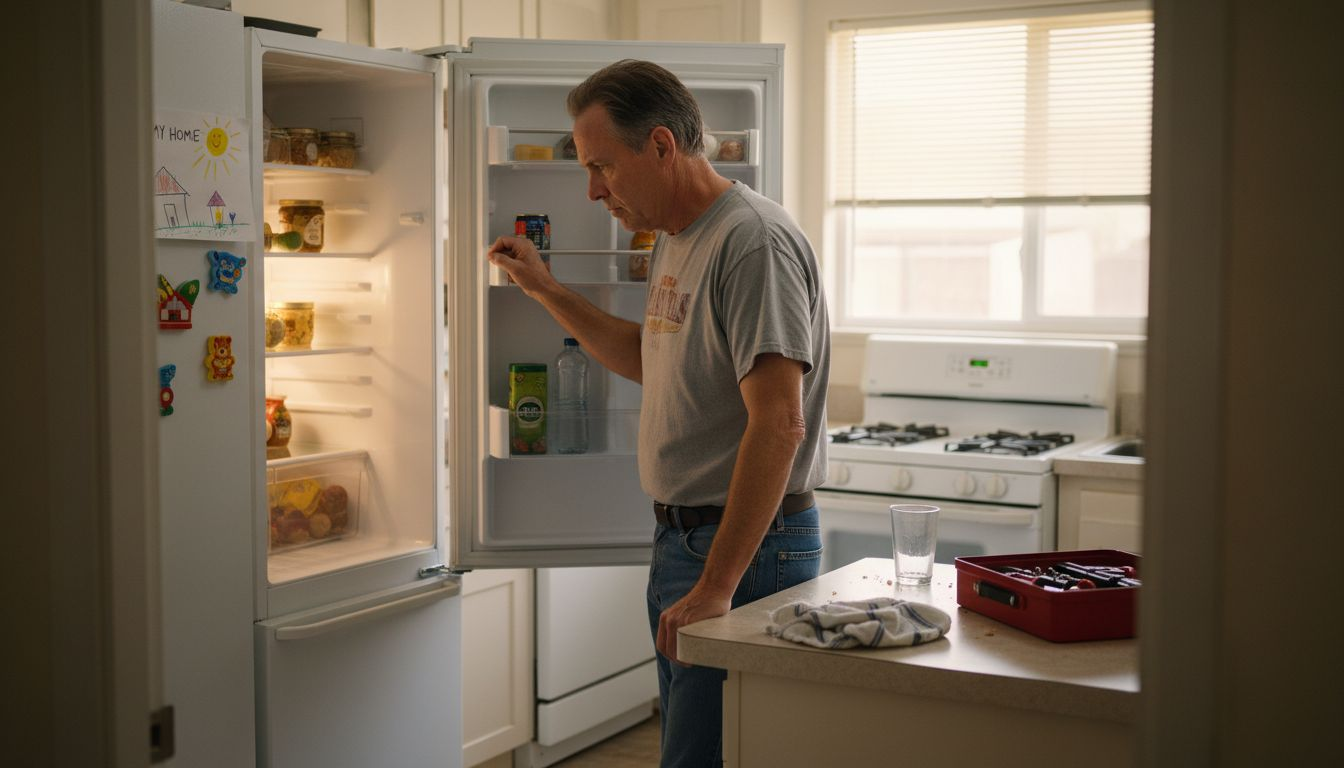
Over $550 worth of food can spoil in just one day when a refrigerator stops cooling properly, turning any American kitchen in Marlboro, NJ into a stressful situation. Appliance failures hit homeowners hard, affecting daily routines and household safety. Get clear insights on why your appliances may be failing and learn practical solutions to help you protect your home and recover quickly with reliable, same-day repair options.
Table of Contents
- 1. Refrigerator Not Cooling Properly
- 2. Washing Machine Leaking Water
- 3. Dryer Making Loud or Strange Noises
- 4. Oven Not Heating or Baking Evenly
- 5. Dishwasher Leaving Dishes Dirty
- 6. Stove Burner Won’t Ignite
- 7. Vacuum Cleaner Losing Suction Power
Quick Summary
| Key Message | Explanation |
|---|---|
| 1. Regularly clean refrigerator coils. | Dusty coils can cause cooling issues, risking spoiled food and appliance failure. Regular cleaning helps maintain efficiency. |
| 2. Inspect and level your washing machine. | Uneven positioning can lead to leaks. Ensure your machine is level and connections are tight to prevent water damage. |
| 3. Maintain your dryer components regularly. | Cleaning lint filters and inspecting components can reduce noise and prevent fire hazards. Regular maintenance is essential for safety. |
| 4. Use thermometer for oven accuracy. | Verifying oven temperatures with an independent thermometer helps detect issues early, ensuring even cooking results. |
| 5. Clean dishwasher filters regularly. | Clogged filters can lead to dirty dishes. Monthly cleaning and good loading practices enhance the dishwasher’s performance. |
1. Refrigerator Not Cooling Properly
A refrigerator that fails to maintain proper cooling temperature can quickly turn into a homeowner’s nightmare, potentially spoiling hundreds of dollars worth of food. Understanding why your refrigerator is struggling to stay cold is crucial for preventing food waste and potential appliance failure.
Refrigerators work through a complex cooling system that circulates refrigerant to remove heat from the interior. When this system malfunctions, your food safety is at risk. Common culprits include dusty condenser coils, inaccurate thermostats, and potential compressor issues.
Key Signs of Cooling Problems:
• Food spoiling faster than normal
• Inconsistent temperatures inside the refrigerator
• Visible frost buildup
• Unusual warmth when opening the fridge door
According to Consumer Reports, homeowners can perform several diagnostic steps. Start by using a standalone refrigerator thermometer to verify the actual interior temperature. The ideal temperature should be around 37°F. Next, clean the condenser coils thoroughly to remove dust and dirt that might impede heat transfer.
If simple adjustments do not resolve the cooling issue, the problem might indicate a more serious mechanical failure. Potential reasons include a defective compressor, refrigerant leaks, or an aging appliance nearing the end of its operational lifespan.
Pro tip: Schedule annual maintenance checks for your refrigerator to catch potential cooling issues before they become expensive problems.
2. Washing Machine Leaking Water
A leaking washing machine can quickly escalate from a minor inconvenience to a major home disaster, potentially causing significant water damage to your floors, walls, and surrounding structures. Understanding the root causes of these leaks is crucial for preventing costly repairs and protecting your home.
Water leaks in washing machines stem from various potential sources. Common causes include worn out hoses, faulty connections, and mechanical failures that compromise the machine’s water containment system.
Primary Leak Locations:
• Supply hose connections
• Drain hose attachments
• Door seals and gaskets
• Internal tub components
• Pump and seal areas
Common Reasons for Washing Machine Leaks:
• Cracked or loose hose connections
• Damaged door seals
• Blocked drain systems
• Overloading the machine
• Uneven machine positioning
Homeowners should perform regular inspections of their washing machine. Check hose connections for signs of wear, ensure the machine is level, and avoid overloading the drum. Small maintenance steps can prevent significant water damage and expensive repair bills.
If you notice persistent leaking, it is critical to address the issue immediately. Unplug the machine, identify the leak source, and consider professional assessment if you cannot resolve the problem quickly.
Pro tip: Place a waterproof mat underneath your washing machine to catch small leaks and protect your flooring from potential water damage.
3. Dryer Making Loud or Strange Noises
Strange sounds coming from your dryer are not just annoying they can be a warning sign of potential mechanical failures or even serious safety risks. Understanding the source of these noises could save you from expensive repairs and prevent potential home hazards.
Unusual dryer sounds often indicate underlying mechanical problems that require immediate attention. Different types of noises can signal specific issues within your appliance.
Common Dryer Noise Categories:
• Squealing sounds
• Grinding noises
• Thumping or bumping
• Rattling
• High pitched squeaking
Potential Noise Sources:
• Worn drum support rollers
• Faulty blower wheels
• Loose or damaged drive belts
• Motor bearing problems
• Obstructed ventilation systems
Consumer Reports recommends regular maintenance to prevent dryer noise and potential fire hazards. This includes cleaning the lint filter after every load, using rigid metal ducts instead of accordion style ducting, and ensuring annual duct cleaning.
If you hear persistent unusual sounds, unplug the dryer and inspect the components. While some issues can be DIY fixes, complex mechanical problems require professional assessment to prevent further damage.
Pro tip: Keep a log of when and how often strange dryer noises occur to help technicians diagnose the problem more quickly.
4. Oven Not Heating or Baking Evenly
Inconsistent oven temperatures can transform a perfectly planned meal into a culinary disaster, leaving you with undercooked centers and burnt edges. Understanding why your oven struggles with even heating is crucial for achieving reliable cooking results every time.
Even heating depends on multiple factors including oven type, cookware selection, and internal component functionality. Convection ovens typically provide more uniform temperatures compared to conventional models by circulating hot air throughout the cooking space.
Common Causes of Uneven Heating:
• Faulty heating elements
• Damaged temperature sensors
• Blocked air circulation vents
• Worn thermostat components
• Improper rack positioning
Diagnostic Steps for Homeowners:
• Check heating elements for visible damage
• Verify oven is level and properly installed
• Test thermostat functionality
• Clean interior and remove potential obstructions
• Use an independent oven thermometer to verify actual temperatures
Thermostat testing requires safely disconnecting power and using a multimeter to check resistance against manufacturer specifications. Professional assessment becomes necessary if basic troubleshooting does not resolve temperature inconsistencies.
Rotating baking sheets midway through cooking and using light colored metal baking pans can help mitigate uneven heating issues. Avoid overcrowding the oven and allow sufficient air circulation around your cookware.
Pro tip: Place a pizza stone on the bottom oven rack to help stabilize and distribute heat more evenly during cooking.
5. Dishwasher Leaving Dishes Dirty
Nothing is more frustrating than unloading a dishwasher only to find your dishes still coated with food residue and grime. Understanding the root causes of poor dishwashing performance can help you restore your appliance to peak cleaning efficiency.
Modern dishwashers have sophisticated cleaning mechanisms that can be disrupted by common user mistakes. Surprisingly, pre-rinsing dishes can actually interfere with the machine’s soil sensor, leading to shorter and less effective wash cycles.
Common Reasons for Dirty Dishes:
• Clogged spray arms
• Dirty filters
• Incorrect loading technique
• Low water temperature
• Inadequate detergent
• Malfunctioning wash cycle sensors
Effective Dishwasher Maintenance Steps:
• Scrape dishes instead of rinsing
• Use high-quality detergent
• Run hot water before starting cycle
• Clean filters monthly
• Check and clean spray arms regularly
• Use rinse aid for better results
Consumer Reports recommends monthly sanitization using citric acid cleaners to maintain cleaning efficiency and control odors. Proper loading techniques and routine maintenance are key to optimal dishwasher performance.
If persistent cleaning issues continue, inspect the spray arms for blockages, ensure water temperature is appropriate, and verify that detergent dispensers are functioning correctly.
Pro tip: Run an empty cycle with a cup of white vinegar placed on the top rack to help remove buildup and eliminate odors.
6. Stove Burner Won’t Ignite
A stove burner that refuses to light can disrupt your entire cooking routine, transforming meal preparation from a simple task into a frustrating experience. Understanding the potential causes and troubleshooting strategies can help you quickly restore your stove to full functionality.
Stove operation requires careful attention to safety and proper installation to prevent ignition problems and potential hazards. Burner failures can stem from multiple technical and environmental factors that require systematic investigation.
Common Reasons for Burner Ignition Failure:
• Clogged burner ports
• Moisture or debris in the ignition system
• Faulty electrical connections
• Worn out spark module
• Gas supply interruptions
• Accumulated food residue
Diagnostic and Troubleshooting Steps:
• Clean burner ports with a soft brush
• Check gas supply connections
• Inspect electrical spark module
• Ensure proper alignment of burner components
• Verify no moisture is present in ignition area
Some burner failures can be caused by trapped vapors from previous cooking sessions. Blowing gently into the burner opening can help dissipate these vapors and potentially resolve immediate lighting issues.
If basic troubleshooting does not resolve the problem, professional assessment becomes necessary to prevent potential gas leaks or further appliance damage.
Pro tip: Keep a small wire brush or safety pin nearby to periodically clear burner ports and prevent potential ignition blockages.
7. Vacuum Cleaner Losing Suction Power
A vacuum cleaner with weak suction can transform what should be a quick cleaning task into an exhausting and frustrating experience. Understanding the underlying causes of diminished performance can help you restore your appliance to its optimal cleaning capability.
Suction power is measured by airwatt, which represents the effective energy of airflow beyond simple electrical wattage. Loss of suction can result from multiple interconnected factors affecting your vacuum’s overall performance.
Common Causes of Reduced Suction:
• Clogged or dirty filters
• Blocked hoses and attachments
• Damaged brush rolls
• Full dust collection bag or canister
• Worn motor components
• Compromised seals and gaskets
Diagnostic and Maintenance Steps:
• Inspect and clean filters regularly
• Check hoses for obstructions
• Empty dust collection container
• Clean brush rolls and attachments
• Examine hose connections for air leaks
• Verify proper motor function
Consumer Reports emphasizes that neglecting filter maintenance significantly reduces airflow and overall cleaning performance. Regular maintenance is key to preserving your vacuum cleaner’s suction power and extending its operational life.
If basic troubleshooting does not improve performance, professional assessment might be necessary to diagnose more complex mechanical issues.
Pro tip: Keep a dedicated maintenance log for your vacuum cleaner to track filter replacements and performance changes.
Below is a comprehensive table summarizing the issues, causes, and solutions related to common household appliance problems discussed throughout the article.
| Appliance/Issue | Causes and Signs | Solutions and Tips |
|---|---|---|
| Refrigerator Not Cooling | Inconsistent temperature, dusty condenser coils, or faulty compressor. | Check and clean condenser coils; verify temperature settings; schedule maintenance visits. |
| Washing Machine Leaking | Worn hoses, improper leveling, or overloads. | Inspect hose connections; level the machine; avoid overloading drum. |
| Dryer Making Noises | Worn drum support rollers or blocked vents. | Inspect and clean components; replace defective parts as necessary. |
| Oven Not Heating | Failed heating elements or obstructed vents. | Clean vents; test heating components; use oven thermometers. |
| Dishwasher Leaving Dishes Dirty | Clogged spray arms or low detergent quality. | Clean spray arms; verify water temperature; use high-quality detergent. |
| Stove Burner Won’t Ignite | Clogged ports or faulty spark module. | Clean burner ports; check alignments; inspect ignition components. |
| Vacuum Cleaner Losing Suction | Dirty filters or blocked hoses. | Clean or replace filters; check and unclog hoses; address motor issues. |
Fast, Reliable Appliance Repair for New Jersey Homeowners
Facing tricky appliance troubles like a refrigerator not cooling, a leaking washing machine, or a noisy dryer can disrupt your daily routine and cause stress. These issues risk ruining your food, damaging your home, and raising safety concerns. When you notice signs such as inconsistent temperatures, water leaks, or strange appliance noises, getting professional help quickly is your best defense against costly repairs and extended downtime.
Expert Appliance Repair has proudly served Marlboro and the greater Monmouth County area since 1988. We specialize in repairing refrigerators, washers, dryers, ovens, stoves, dishwashers, and vacuums so you can enjoy peace of mind knowing your appliances are in expert hands. Don’t let appliance breakdowns ruin your day. Visit Expert Appliance Repair or explore our Appliance Archives – Expert Appliance and Vacuums Archives – Expert Appliance to learn more. Contact us now for 24/7 emergency support and same-day service in New Jersey to restore your home’s comfort fast.
Frequently Asked Questions
How can I tell if my refrigerator is not cooling properly?
To determine if your refrigerator is not cooling properly, check for signs like faster food spoilage, inconsistent interior temperatures, visible frost buildup, or unusual warmth when opening the door. Use a standalone thermometer to measure the temperature, which should be around 37°F. If it’s significantly higher, take action by cleaning the condenser coils and checking the thermostat settings.
What should I do if my washing machine is leaking water?
If your washing machine is leaking water, start by inspecting the supply hose connections, drain hose, and door seals for cracks or loose fittings. Regularly clean the hoses and ensure the machine is level to prevent future leaks. Address any visible issues immediately to prevent further water damage to your home.
What causes my dryer to make loud noises, and how can I fix it?
Loud noises from your dryer can be caused by worn drum support rollers, faulty blower wheels, or loose drive belts. Inspect these components and clean the lint filter after every use. If the noise persists, consider calling a professional to avoid further damage and potential safety hazards.
How can I troubleshoot uneven heating in my oven?
To troubleshoot uneven heating in your oven, check the heating elements, verify that the oven is level, and clean any obstructions in the air circulation vents. You might also want to test the thermostat for accuracy using an independent thermometer. Make adjustments as needed to achieve more reliable cooking results.
Why are my dishes still dirty after running the dishwasher?
If your dishes come out dirty after a dishwasher cycle, ensure the spray arms are not clogged and that filters are cleaned regularly. Load the dishwasher properly without overcrowding, and run hot water before starting the cycle for better cleaning. Additionally, check the detergent type and amount being used to maximize cleaning efficiency.
What steps should I take if my stove burner won’t ignite?
If your stove burner fails to ignite, start by cleaning the burner ports and checking for any moisture or debris in the ignition system. Make sure the gas supply connections are secure and that the burner is properly aligned. If the burner still does not ignite, it may be necessary to consult a professional for further assessment.
Recommended
- 7 Key Signs You Need Appliance Repair in Marlboro – Expert Appliance
- What Is Appliance Maintenance? Complete Guide for NJ Homes – Expert Appliance
- Common Appliance Problems: Troubleshooting Tips and Solutions – Expert Appliance
- 7 Essential Emergency Appliance Repair Tips for Homeowners – Expert Appliance