
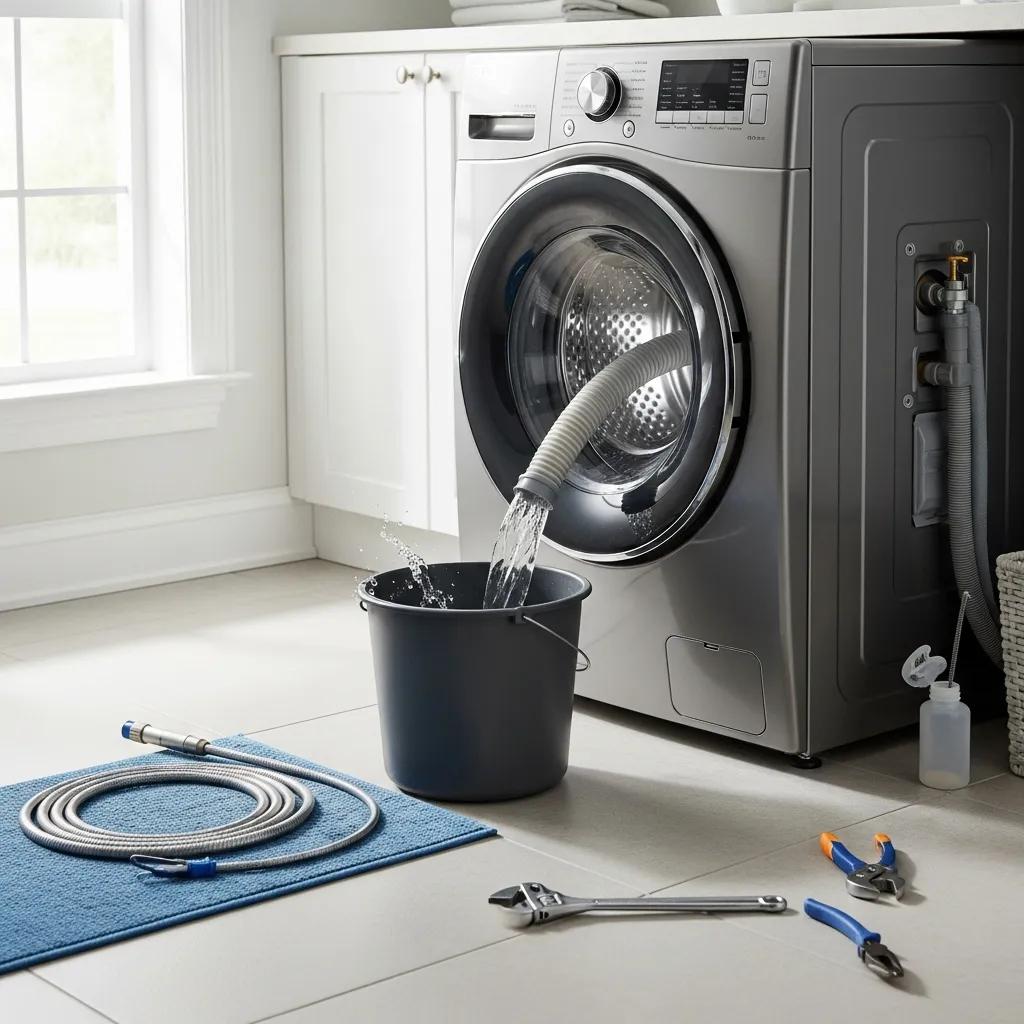
Washer Not Draining? Troubleshooting Common Causes and Effective Solutions
Experiencing a washing machine that won’t drain can be frustrating and inconvenient. This issue can stem from various causes, ranging from simple clogs to more complex mechanical failures. In this article, we will explore the most common reasons why your washer may not be draining properly and provide effective solutions to resolve these issues. Understanding these problems can help you troubleshoot effectively and determine whether a DIY fix is possible or if professional assistance is needed. We will cover topics such as clogged drain hoses, faulty drain pumps, and the role of lid switches or door locks, along with practical steps to address these issues.
What Are the Most Common Causes of a Washing Machine Not Draining?
When a washing machine fails to drain, it can be attributed to several common causes. Identifying these issues early can save time and prevent further damage to the appliance.
How Does a Clogged Drain Hose Affect Washer Drainage?
A clogged drain hose is one of the most frequent culprits behind a washing machine not draining. Over time, debris, lint, and even small clothing items can accumulate in the hose, obstructing water flow. Signs of a clogged drain hose include water pooling at the bottom of the washer and slow drainage during cycles. To resolve this, inspect the hose for kinks or blockages and clean it thoroughly to restore proper drainage.
What Are the Symptoms of a Faulty Washing Machine Drain Pump?
A malfunctioning drain pump can also lead to drainage issues. Symptoms of a faulty drain pump include unusual noises during operation, water remaining in the drum after a cycle, and error codes on the machine’s display (if applicable). If you suspect the drain pump is the issue, testing it for continuity with a multimeter can help confirm its functionality. If it is indeed faulty, replacement may be necessary to restore proper drainage.
How Can You Unclog a Washing Machine Drain Hose? Step-by-Step DIY Methods
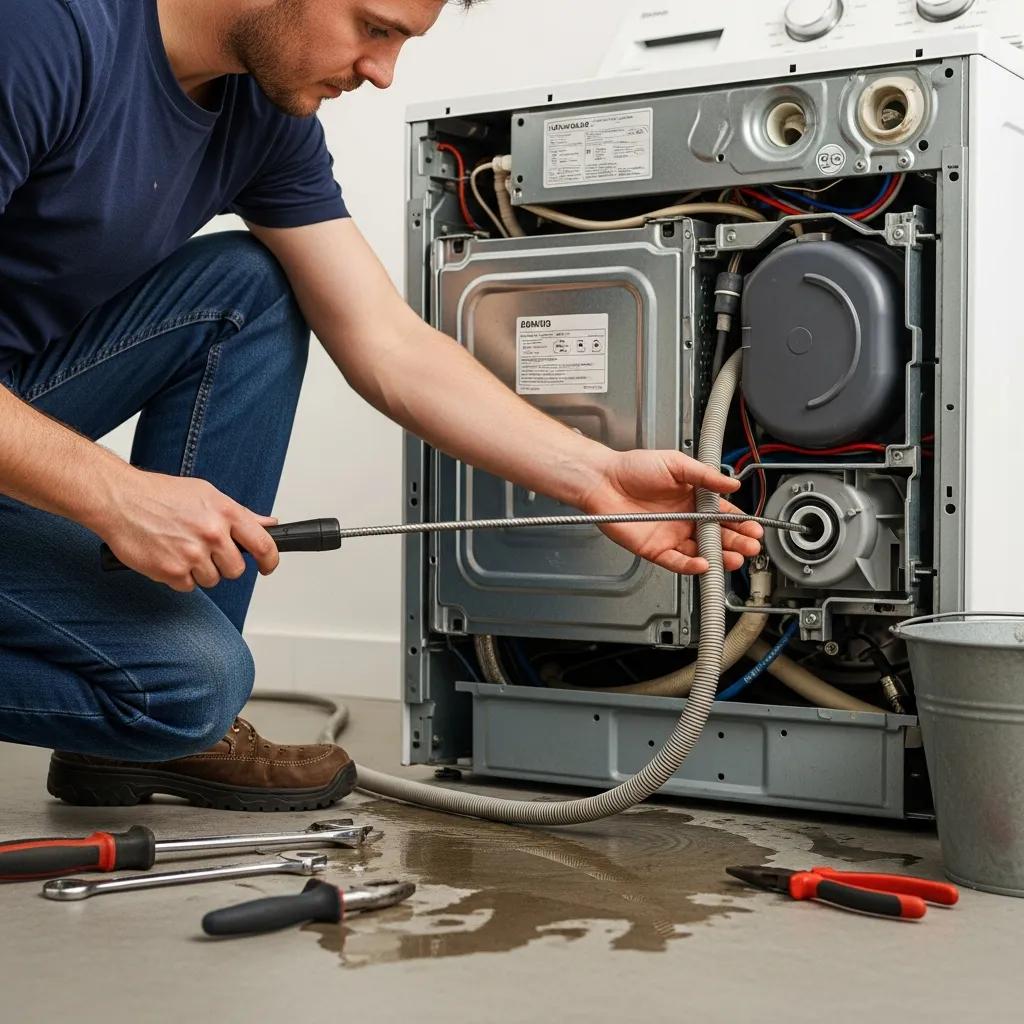
Unclogging a washing machine drain hose can often be accomplished with a few simple tools and techniques. Here’s a step-by-step guide to help you through the process.
What Tools and Materials Are Needed to Fix a Washer Drain Clog?
To effectively unclog a washer drain hose, you will need the following tools and materials:
- Plumber’s Snake: For removing stubborn clogs.
- Bucket: To catch any water that may spill during the process.
- Towels: For cleaning up any mess.
- Vinegar and Baking Soda: For natural cleaning solutions.
What Are the Best Techniques to Remove Blockages from the Drain Hose?
There are several effective techniques to remove blockages from the drain hose:
- Manual Inspection: Disconnect the hose and visually inspect for clogs.
- Using a Plumber’s Snake: Insert the snake into the hose to break up and remove clogs.
- Vinegar and Baking Soda: Pour a mixture of vinegar and baking soda into the hose or drain to help dissolve minor blockages.
These methods can help restore proper drainage and prevent future clogs.
How Do You Diagnose and Replace a Washing Machine Drain Pump?
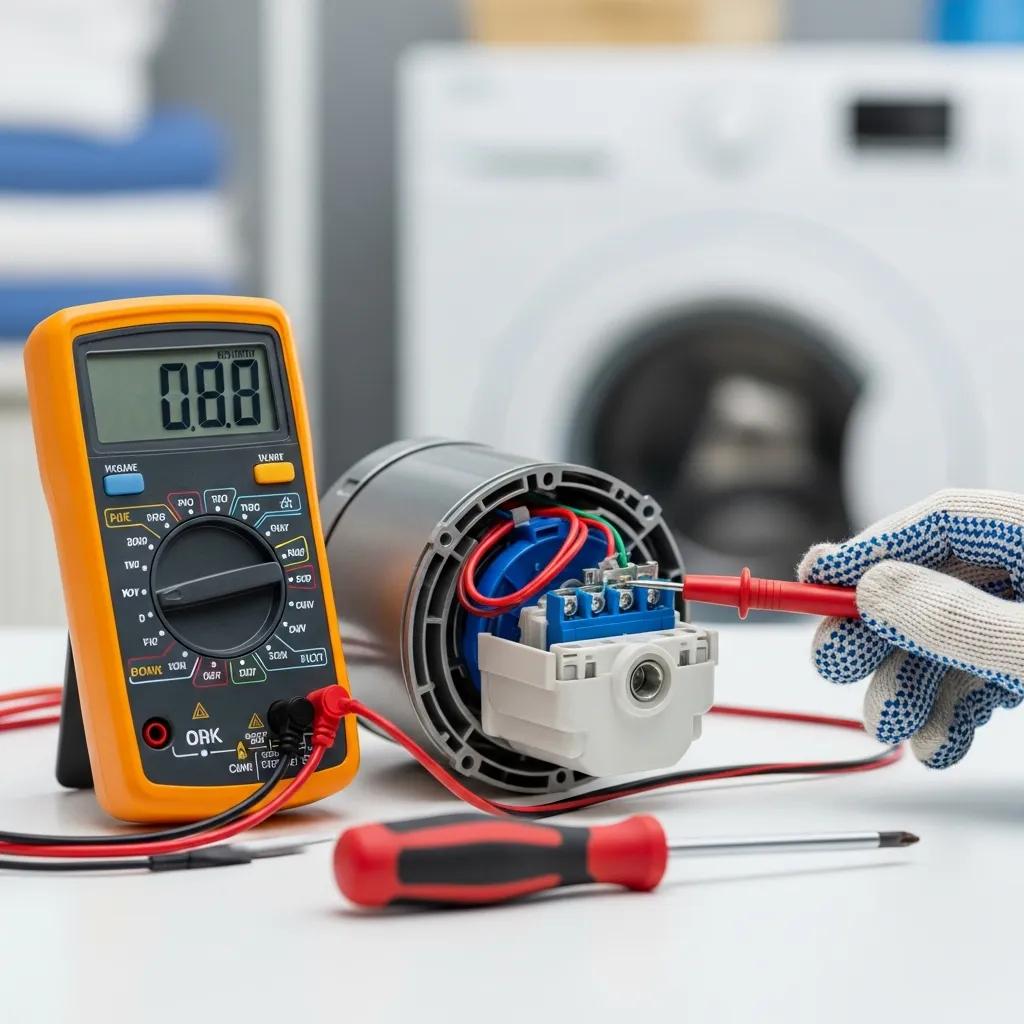
Diagnosing and replacing a washing machine drain pump can be a straightforward process if you follow the right steps.
How Can You Test a Faulty Drain Pump Before Replacement?
To test a drain pump, first, unplug the washing machine and access the pump. Use a multimeter to check for continuity. If there is no continuity, the pump is likely faulty and needs replacement. Additionally, listen for unusual noises during operation, which can indicate a problem.
What Is the Cost and Process of Washing Machine Drain Pump Replacement?
Replacing a washing machine drain pump typically costs between $150 and $350, depending on the model and labor costs. The process involves:
- Unplugging the Washer: Ensure safety before starting.
- Removing the Access Panel: Gain access to the pump.
- Disconnecting the Old Pump: Remove hoses and electrical connections.
- Installing the New Pump: Connect the new pump and reassemble the washer.
Following these steps can help you successfully replace a faulty drain pump.
What Role Does the Lid Switch or Door Lock Play in Washer Drainage Issues?
The lid switch or door lock is a critical component that ensures the washing machine operates safely. If this switch is defective, it can prevent the washer from draining.
How to Identify Symptoms of a Defective Lid Switch or Door Lock?
Symptoms of a faulty lid switch include the washer not starting, stopping mid-cycle, or not draining. If the lid switch is not engaging properly, the machine may not drain. Testing the switch with a multimeter can help determine if it is functioning correctly.
What Are the Steps to Test and Replace a Faulty Lid Switch?
To test and replace a faulty lid switch, follow these steps:
- Unplug the Washer: Safety first.
- Access the Lid Switch: Remove the top panel or control panel of the washer, depending on the model.
- Test the Switch: Use a multimeter to check for continuity.
- Replace if Necessary: If faulty, disconnect and replace the switch.
This process can help ensure that your washing machine drains properly.
How to Troubleshoot Other Causes: Unbalanced Loads, Kinked Hoses, and Plumbing Problems
In addition to the common causes mentioned, other factors can contribute to drainage issues.
How Do Unbalanced Loads Affect Washer Draining and Spinning?
Unbalanced loads can cause the washer to become unstable, leading to improper drainage. If the load is too heavy on one side, the machine may not spin effectively, leaving water in the drum. To resolve this, redistribute the load evenly and run the spin cycle again.
What Plumbing Issues Can Prevent Proper Washer Drainage?
Plumbing problems, such as blocked drains or improper installation, can also hinder drainage. If the drain is clogged or the plumbing is not set up correctly, water may back up into the washer. Inspecting the plumbing and clearing any blockages can help restore proper drainage.
The intricate connection between your home’s plumbing system and your washing machine’s drainage highlights the importance of addressing potential clogs and installation issues.
Washing Machine Plumbing & Clogging Issues
of all the modern plumbing fixtures and washing machines. In the cities the per capita water demand is high. The removal of phosphorous and BOD has also been studied.
Pollutant loads from plumbing fixtures and pretreatment to control soil clogging, 1976
When Should You Call a Professional for Washer Drainage Problems?
While many drainage issues can be resolved with DIY methods, some situations may require professional assistance.
What Are the Benefits of Professional Repair vs. DIY Fixes?
Professional repair services can provide expertise and ensure that the problem is diagnosed accurately. They have access to specialized tools and parts, which can save time and prevent further damage. Additionally, professionals can offer warranties on their work, providing peace of mind.
How to Decide Between Repair and Replacement for Your Washing Machine?
When considering whether to repair or replace your washing machine, evaluate the age of the appliance, the cost of repairs, and the potential for future issues. If repairs are costly and the machine is old (typically over 8-10 years), replacement may be the more economical choice in the long run.
Understanding the factors that contribute to a washing machine’s repairability can further inform your decision-making process.
Washing Machine Repairability Assessment
methods, the Assessment Matrix for ease of Repair (AsMeR) developed by KU Leuven and the Repair Scoring System (RSS) developed by JRC, are applied to seven washing machine models.
Analysis of evaluation systems for product repairability: A case study for washing machines, E Bracquené, 2021
| Cause | Symptoms | Solution |
|---|---|---|
| Clogged Drain Hose | Water pooling, slow drainage | Inspect and clean hose |
| Faulty Drain Pump | Unusual noises, water in drum | Test and replace pump |
| Defective Lid Switch | Washer not starting or draining | Test and replace switch |
| Unbalanced Load | Washer shaking, no spin | Redistribute load |
| Plumbing Issues | Backed-up water | Inspect and clear plumbing |
This table summarizes common causes of washing machine drainage issues, their symptoms, and recommended solutions.
In conclusion, understanding the common causes of a washing machine not draining can empower you to troubleshoot effectively. By following the steps outlined in this guide, you can address many issues on your own or determine when to seek professional help.