
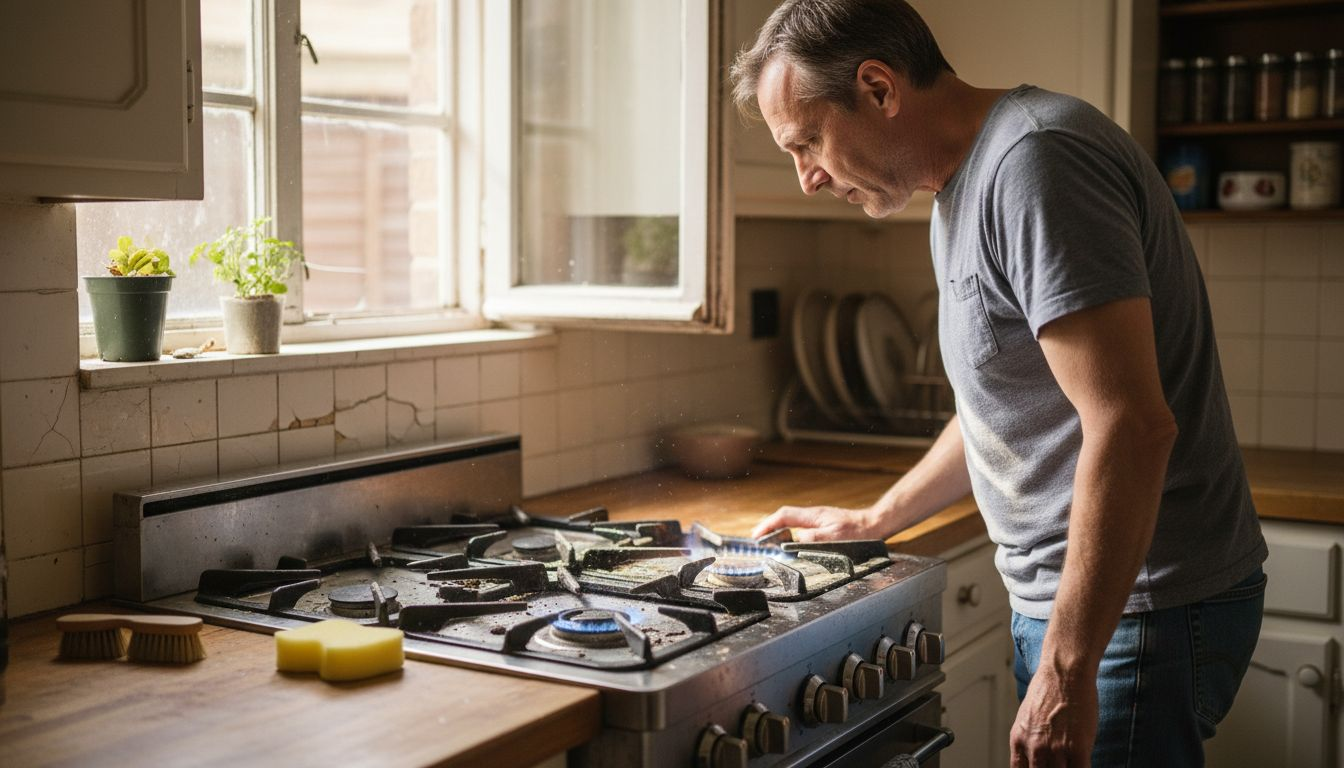
Every American homeowner in Marlboro knows a malfunctioning stove can turn family dinner into a stressful guessing game. Nearly 60 percent of kitchen fires start with faulty appliances, making quick repairs more than a matter of convenience. Whether your burners heat unevenly, you smell gas, or digital displays flicker, understanding warning signs helps you protect your home and ensure safe, reliable cooking for everyone at your table.
Table of Contents
- 1. Unusual Burners Not Heating Evenly or Quickly
- 2. Persistent Clicking Sound After Burner Ignites
- 3. Gas Smell Near Stove or Kitchen Area
- 4. Electric Stove Shows Error Codes or Flickers
- 5. Temperature Control Problems During Cooking
- 6. Burner Flames Are Yellow or Uneven
- 7. Visible Damage to Stove Surface or Wiring
Quick Summary
| Takeaway | Explanation |
|---|---|
| 1. Clean Your Burners Regularly | Accumulated debris can cause uneven heating and impact cooking performance. Regular cleaning is essential to maintain burner efficiency. |
| 2. Address Clicking Sounds Immediately | Persistent clicking after ignition signals potential ignition system issues. Clean the burner cap and check for moisture to prevent electrical damage. |
| 3. Evacuate When Smelling Gas | A gas smell near the stove is a serious safety risk. Evacuate the area, ventilate, and contact professionals to address potential leaks. |
| 4. Watch for Yellow or Uneven Flames | Yellow or uneven burner flames indicate incomplete combustion and safety hazards. Professional assessment is necessary to resolve gas flow issues. |
| 5. Inspect for Visible Damage | Cracks and exposed wiring can lead to safety risks. Promptly address visible damage with professional help to ensure safe appliance operation. |
1. Unusual Burners Not Heating Evenly or Quickly
Uneven heating in your stove’s burners can signal serious problems lurking beneath the surface. When your burner starts performing inconsistently or takes longer than usual to heat up, it’s a red flag that something might be wrong with your appliance.
These heating irregularities often stem from several potential issues. Accumulated food debris, damaged heating elements, or misaligned burner components can disrupt the uniform heat distribution critical for cooking. Uneven heating not only impacts your cooking performance but can also indicate underlying mechanical problems that might worsen if left unaddressed.
The most common culprits behind uneven burner performance include:
• Dirty or clogged burner caps
• Misaligned burner heads
• Damaged electrical connections
• Worn out heating elements
• Potential gas valve malfunctions
Maintaining your stove’s burners requires regular cleaning and inspection. Carefully remove burner caps and clean them with a soft brush or cloth, ensuring no food residue blocks the gas ports or heating elements. Check for any visible damage or warping that might prevent proper heat distribution.
Pro tip: If you notice persistent heating problems or see visible damage to your burners, contact a professional appliance repair technician for a thorough diagnostic assessment.
2. Persistent Clicking Sound After Burner Ignites
A continuous clicking sound from your stove burner after ignition is more than just an annoying background noise. This persistent clicking can signal potential issues with your stove’s ignition system that require immediate attention.
Burner clicking sounds typically indicate electrical or mechanical problems within the stove’s ignition mechanism. The clicking noise occurs when the spark module continues trying to generate a spark even after the burner has already ignited. This could result from several underlying issues:
• Moisture trapped around the burner
• Misaligned burner cap
• Dirty or damaged spark electrode
• Faulty spark module
• Loose electrical connections
To diagnose the problem, first ensure the burner cap is correctly positioned and clean. Carefully remove the cap and wipe down the burner head and surrounding area with a dry cloth. Check for any visible signs of moisture or food debris that might be interfering with the ignition system.
If cleaning does not resolve the clicking, the issue might involve more complex electrical components. Prolonged clicking can drain your stove’s battery or electrical system and potentially cause further damage to the ignition mechanism.
Pro tip: If the clicking persists after basic cleaning and troubleshooting, disconnect the stove from power and contact a professional appliance repair technician to prevent potential electrical damage.
3. Gas Smell Near Stove or Kitchen Area
A gas smell near your stove or kitchen area is an urgent safety concern that demands immediate attention. Natural gas leaks can pose significant health and safety risks to you and your household, potentially leading to fire hazards or carbon monoxide poisoning.
Gas odors typically indicate potential problems with your stove’s gas connection, valve, or internal components. These smells should never be ignored or considered normal. The distinctive rotten egg smell is intentionally added to natural gas to help homeowners quickly identify potentially dangerous leaks.
Immediate actions to take when detecting a gas smell include:
• Evacuate everyone from the kitchen and surrounding areas
• Avoid turning on any electrical switches or appliances
• Open windows to ventilate the space
• Shut off the main gas valve if safely accessible
• Contact your local gas utility or emergency services
Professional stove maintenance matters for NJ homes to prevent potential gas leak risks. Regular inspections can identify potential weaknesses in gas connections, worn seals, or damaged components before they become serious safety hazards.
Some common causes of gas smells include loose gas connections, damaged gas lines, faulty burner assemblies, or deteriorated gas valve seals. These issues require expert diagnosis and repair to ensure your kitchen remains safe.
Pro tip: Install a carbon monoxide detector near your kitchen and check its batteries quarterly to provide an additional layer of safety monitoring for potential gas leaks.
4. Electric Stove Shows Error Codes or Flickers
Error codes and flickering displays on your electric stove are not just annoying visual glitches but potential indicators of serious underlying electrical problems. Modern electric stoves use complex digital control systems that communicate through these error messages and display patterns.
These warning signals can represent various potential issues ranging from minor sensor malfunctions to significant electrical system failures. When your stove begins displaying unexpected error codes or experiencing intermittent flickering, it signals that something is disrupting the normal electrical communication within the appliance.
Common error code and flickering scenarios include:
• Blinking digital displays
• Randomly changing numeric sequences
• Partial display illumination
• Sudden power interruptions
• Inconsistent temperature control signals
Electric stoves often require stove repair instructions to diagnose these complex electrical issues accurately. Professional technicians can interpret manufacturer specific error codes and determine the root cause of electrical malfunctions.
Potential causes for error codes and flickering might involve:
• Damaged control board
• Faulty temperature sensors
• Loose electrical connections
• Power supply irregularities
• Aging internal wiring components
Pro tip: Document the exact error code displayed before calling a repair technician to provide precise diagnostic information during your service appointment.
5. Temperature Control Problems During Cooking
Temperature control issues can transform your cooking from a predictable experience to a frustrating guessing game. Consistent cooking temperatures are critical for successful meal preparation, and when your stove fails to maintain proper heat levels, your entire culinary strategy falls apart.
Unpredictable temperature control stems from multiple potential mechanical and electrical failures within your stove’s complex system. These problems can manifest through inconsistent heating, sudden temperature drops, or wildly fluctuating warmth that makes precise cooking impossible.
Common temperature control problem indicators include:
• Recipes consistently cooking unevenly
• Food burning or remaining undercooked
• Visible temperature dial inconsistencies
• Oven taking longer than normal to preheat
• Significant temperature variations during cooking
Electric stoves experiencing oven not heating problems often require professional diagnostic assessment. Skilled technicians can identify whether the issue originates from faulty temperature sensors, damaged heating elements, or control board malfunctions.
Potential causes of temperature control problems include:
• Worn out temperature calibration
• Malfunctioning thermostat
• Damaged heating elements
• Electrical control board issues
• Blocked temperature sensor
Pro tip: Keep a reliable standalone oven thermometer to cross check your stove’s internal temperature readings and identify potential calibration discrepancies.
6. Burner Flames Are Yellow or Uneven
A healthy gas stove burner should produce a crisp blue flame, so yellow or uneven flames are serious warning signs that something is wrong with your appliance. Flame color and consistency directly indicate your stove’s combustion efficiency and potential safety risks.
Yellow flames suggest incomplete combustion, which can release dangerous carbon monoxide and indicate potential gas flow or burner blockage issues. Uneven flames might signal misaligned burner components or obstructed gas ports that disrupt proper fuel and oxygen mixing.
Critical indicators of burner problems include:
• Blue flame turning yellow or orange
• Flames flickering or dancing irregularly
• Flames appearing weak or asymmetrical
• Visible soot or carbon buildup around burners
• Inconsistent flame height across burner surface
Professional Blue Star range repair services can diagnose and resolve these complex combustion issues. Technicians use specialized tools to assess gas pressure, clean blocked ports, and realign burner components.
Possible causes of abnormal flame patterns include:
• Dirty or clogged burner ports
• Misaligned burner caps
• Incorrect gas pressure
• Damaged gas valves
• Accumulated food debris
Pro tip: Carefully clean burner caps and ports with a soft brush every few months to prevent debris accumulation and maintain optimal flame performance.
7. Visible Damage to Stove Surface or Wiring
Visible damage to your stove is more than a cosmetic concern. Surface cracks, exposed wiring, or physical deterioration can signal serious safety hazards that demand immediate professional attention.
Stove surfaces and electrical systems are engineered with precise safety standards, and any compromise to their structural integrity can lead to electrical shorts, potential fire risks, or complete appliance failure. Physical damage often indicates deeper mechanical problems that might not be immediately apparent.
Key signs of critical surface and wiring damage include:
• Cracked ceramic or glass cooktop surfaces
• Exposed or frayed electrical wires
• Rust or corrosion around electrical connections
• Burn marks near wiring or control panels
• Warped metal surfaces
• Melted plastic components
Professional stove repair instructions emphasize the importance of addressing these issues promptly. Technicians can assess whether damage requires component replacement or complete system evaluation.
Potential causes of surface and wiring damage include:
• Accidental impacts
• Prolonged heat exposure
• Moisture infiltration
• Manufacturing defects
• Age related deterioration
• Improper cleaning techniques
Pro tip: Always unplug your stove before conducting any visual inspection and never attempt to repair exposed electrical components yourself.
Below is a detailed table summarizing the main issues, their causes, and suggested actions regarding stove appliance challenges as discussed in the article.
| Issue | Possible Causes | Recommended Actions |
|---|---|---|
| Unusual burner heating behavior | Food debris, damaged elements, misalignment | Clean burners, inspect components; professional repair, if needed |
| Persistent clicking sound | Moisture, misaligned or dirty electrodes | Dry and clean components; contact technician for further issues |
| Gas smell in kitchen | Loose connections, damaged seals or lines | Evacuate, shut gas valve, ventilate; call gas company or technician |
| Electric stove error codes | Control board issues, faulty sensors | Document errors; seek professional diagnostics and repairs |
| Temperature control inconsistencies | Calibration errors, malfunctioning thermostat | Utilize thermometer; troubleshoot or consult expert |
| Abnormal burner flame patterns | Blockages, gas pressure problems | Regularly clean burner caps; seek service for persistent issues |
| Visible stove or wiring damage | Physical impacts, wear, improper cleaning | Inspect unplugged appliance; consult technician for repair |
Get Expert Stove Repair in Marlboro NJ Before Small Issues Become Big Problems
Cooking with a stove that shows warning signs like uneven heating, persistent clicking, or a gas smell puts your home and family at risk. These problems are not just inconvenient – they signal safety concerns such as faulty ignition systems or potential gas leaks. If you notice any of the 7 warning signs your stove needs professional repair, don’t wait for the situation to worsen.
Trust Expert Appliance Repair to provide fast, reliable stove and appliance repair services across Monmouth County. With decades of experience serving New Jersey homeowners, we focus on safety, upfront pricing, and 24/7 emergency support. Explore our Appliance Archives for useful tips or visit our main website at expertapplianceinc.com to schedule same-day service. Protect your kitchen and peace of mind today with expert solutions tailored for your stove’s unique issues.
Frequently Asked Questions
What should I do if my stove burners are not heating evenly?
Uneven heating in your stove burners may indicate serious underlying issues. Clean the burner caps and check for any visible damage or misalignment. If problems persist, contact a professional appliance repair technician for a thorough diagnostic assessment.
How can I stop the clicking sound from my stove burner?
If your stove burner continues to click after ignition, it may be due to moisture or misalignment. Ensure the burner cap is correctly positioned and dry the area around the burner. If the clicking remains, disconnect the stove from power and contact a professional to prevent further electrical damage.
What actions should I take if I smell gas near my stove?
A gas smell near your stove is a serious safety issue that requires immediate action. Evacuate everyone from the area, open windows for ventilation, and avoid using electrical switches. If safe, shut off the main gas valve and contact your local gas utility or emergency services right away.
How can I troubleshoot error codes on my electric stove?
Error codes or flickering displays on your electric stove likely indicate electrical problems. Document the exact error code displayed and check for loose electrical connections. Then, contact a professional technician to interpret the codes and diagnose the underlying issue accurately.
What should I check if the temperature control on my stove is inconsistent?
Inconsistent temperature control can indicate mechanical failures with your stove. Start by observing cooking results and check for any discrepancies in the temperature dial. If issues continue, consult a professional technician to identify and resolve potential problems such as faulty sensors or heating elements.
How can I identify visible damage to my stove’s surface or wiring?
Look for cracks, exposed wiring, or any physical deterioration on your stove’s surface. If you notice significant damage, such as burn marks or corrosion, unplug the stove immediately and contact a professional technician for a safety assessment and necessary repairs.
Recommended
- Stove Repair Instructions: Step-by-Step Fixes for Your Home – Expert Appliance
- Why Stove Maintenance Matters for NJ Homes – Expert Appliance
- Electric Oven Not Heating? Discover Expert Repair Solutions – Expert Appliance
- How to Fix Oven: Step-by-Step Guide for Quick Repairs – Expert Appliance
- Kook Gooseneck Pour Over Kettle with Thermometer, 27 oz – House Coffee
- How to Taste Coffee Flavors Like an Expert at Home – House Coffee