
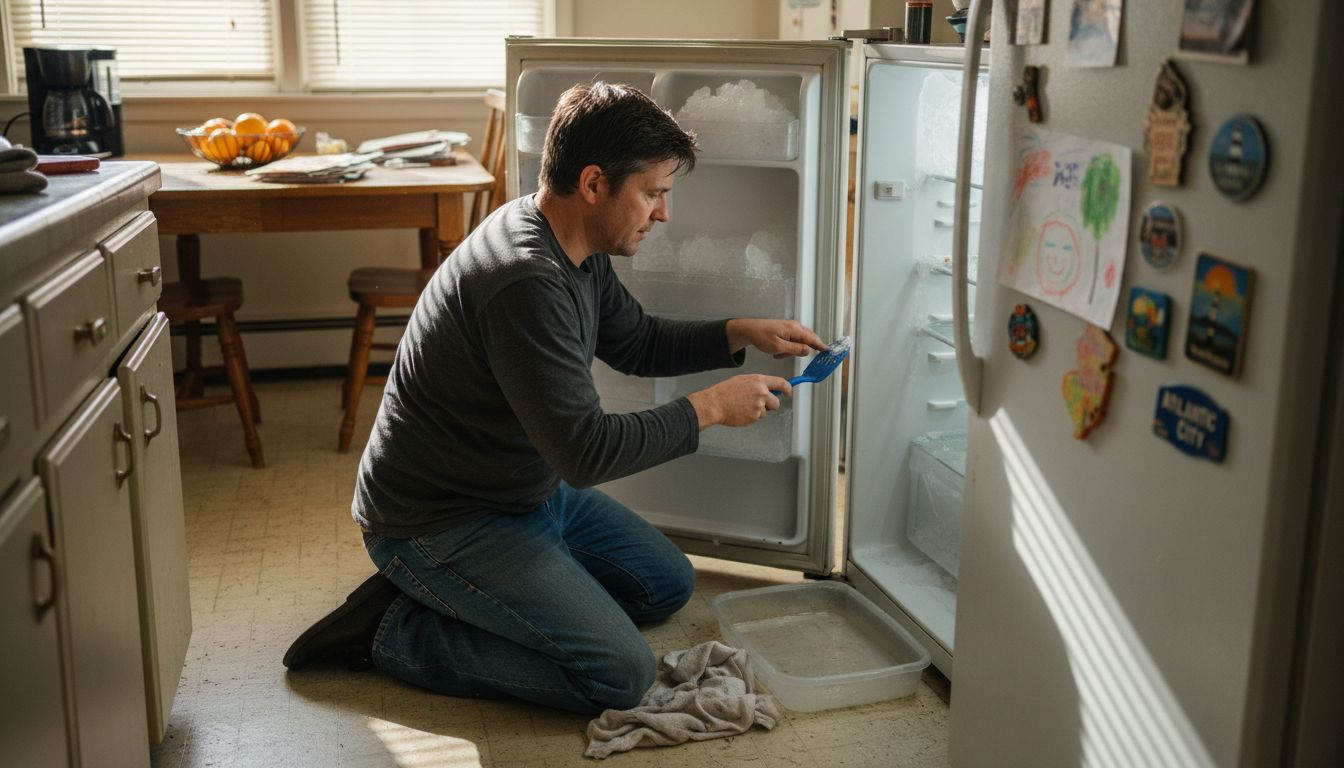
Opening your refrigerator in your Marlboro, NJ kitchen only to find thick frost along the back wall can be stressful, especially with fresh groceries at stake. When ice starts building up inside, your appliance has to work harder while your food becomes vulnerable to spoilage and wasted money. Understanding fridge defrosting helps you keep your kitchen running smoothly by protecting both your meals and your energy bills. This article offers practical guidance for urgent defrosting, so you can restore efficiency before problems get worse.
Table of Contents
- What Fridge Defrosting Really Means
- Manual Versus Automatic Defrosting Methods
- How Defrosting Impacts Food Safety
- Preventing Ice Buildup And Common Mistakes
- When To Call A Local Appliance Expert
Key Takeaways
| Point | Details |
|---|---|
| Importance of Defrosting | Regular defrosting is crucial for maintaining your refrigerator’s efficiency, energy consumption, and food safety. Excessive frost can lead to poor cooling and higher utility bills. |
| Automatic vs Manual Defrosting | Automatic systems require little user involvement, while manual defrosting requires proactive management to prevent excessive frost buildup and associated issues. |
| Impact on Food Safety | Frost buildup can create temperature inconsistencies that promote bacterial growth, posing health risks. Consistent monitoring and proper defrosting help ensure food safety. |
| When to Seek Professional Help | Recognize signs like excessive frost or water pooling, which indicate the need for expert diagnosis and repair to avoid larger, costly issues. |
What Fridge Defrosting Really Means
Fridge defrosting is the process of removing frost and ice buildup that accumulates inside your refrigerator over time. If you live in Marlboro, NJ, you’ve probably noticed that icy coating on the back wall or those stubborn ice formations that seem to appear overnight. This isn’t a sign your fridge is broken. Instead, it’s a natural consequence of how refrigerators operate. Every time you open your fridge door, warm humid air rushes in from your kitchen. That moisture condenses on the cooling coils and surfaces inside your appliance, then freezes solid. Over weeks and months, this frost layer thickens, reducing your fridge’s ability to keep food cold and wasting energy in the process.
The reason defrosting matters goes beyond just keeping your fridge looking clean. Frost accumulation reduces heat transfer) and takes up valuable storage space, which means your compressor has to work harder to maintain the right temperature. Think of it like this: a thick blanket of frost acts as insulation, preventing cold air from circulating freely. Your fridge ends up running longer cycles, consuming more electricity and driving up your utility bills. In Monmouth County homes with older refrigerators or in kitchens where humidity tends to be higher (which is common near the coast), frost buildup happens faster and more aggressively.
Modern refrigerators often come equipped with automatic defrost cycles that run periodically to melt away frost buildup without any effort from you. However, even “frost-free” models can experience excessive ice buildup over time, particularly in the freezer compartment or around the vents. When ice builds up excessively, defrosting becomes necessary to maintain efficiency and save on energy costs. Your refrigerator communicates this problem through signs like reduced cooling performance, water pooling at the bottom of the unit, or visible ice chunks blocking airflow. If you’re dealing with a frost buildup issue in your Marlboro home, Expert Appliance Inc has been helping local New Jersey families tackle these problems since 1988, and we can diagnose whether your defrost system needs repair or if manual intervention is required.
Understanding what defrosting really means helps you recognize when your fridge needs attention. It’s not just about appearance. A properly functioning defrost system keeps your appliance running efficiently, protects your food from spoilage, and prevents the expensive repairs that can result from prolonged frost damage. For homeowners in Marlboro and surrounding areas who want their refrigerators working at peak performance, knowing the basics of defrosting is valuable knowledge.
Pro tip: Check the small drain hole at the bottom back of your refrigerator monthly to ensure it’s not clogged. A blocked drain prevents water from escaping after the defrost cycle, leading to ice buildup and water leaks inside your fridge.
Manual Versus Automatic Defrosting Methods
Your refrigerator likely uses one of two defrosting approaches, and understanding the difference matters more than you might think. Automatic defrosting relies on built-in systems that handle frost removal without any action from you. Automatic defrosting uses a timer to periodically heat the evaporator coil and melt frost accumulation, then drains the water away automatically. Most refrigerators manufactured in the last 20 years come with this technology. Electric heaters or hot gas controlled by thermostats and timers do the heavy lifting, so you never have to think about ice buildup. For homeowners in Marlboro, NJ who want a hands-off approach, automatic systems are convenient and efficient. However, even these advanced models occasionally fail or underperform, which is where our team at Expert Appliance Inc steps in to diagnose the issue.
Manual defrosting, by contrast, puts the responsibility squarely on your shoulders. You must periodically switch off the fridge, empty the contents, and physically melt or scrape away the ice buildup. This method was standard decades ago but has largely disappeared from modern appliances. If you own an older refrigerator or a budget model, you might still be dealing with manual defrosting requirements. The process demands time, patience, and careful food handling to prevent spoilage. Many Marlboro residents who inherit older refrigerators or purchase used models are surprised to learn they have manual defrost units. The good news is that manual defrost models need regular maintenance such as brushing frost off gaskets and defrosting when frost builds above a certain thickness, which is manageable if you know what to do.
Key Differences at a Glance
- Automatic systems: Run on timers, use heating elements to melt frost, drain water automatically, require minimal user involvement
- Manual systems: Require you to turn off the unit, manually scrape or melt ice, drain water yourself, demand regular attention and planning
- Efficiency: Automatic systems optimize defrost cycles to minimize energy waste, while manual systems depend on user judgment and consistency
- Maintenance: Automatic models need occasional repairs to heating elements or thermostats, manual models need consistent upkeep to prevent ice damage to gaskets and performance
If your refrigerator is struggling with frost buildup despite having an automatic defrost system, the problem likely lies within the system itself. The timer might be stuck, the heating element could be faulty, or the drain might be clogged. These issues require professional diagnosis. That’s where Expert Appliance Inc helps Monmouth County homeowners get their fridges back on track. We’ve been servicing refrigerators since 1988 and know exactly how to identify whether your automatic defrost system needs repair or if something simpler is causing the problem.
For residents dealing with manual defrost units, the key is staying proactive. Don’t wait until frost becomes a thick wall covering your freezer shelves. Instead, establish a routine of checking for excessive buildup every few weeks. This prevents ice from damaging gaskets, affecting cooling performance, and forcing you into an emergency defrosting situation during the middle of dinner prep.
Pro tip: If you have an automatic defrost fridge, pour a cup of warm water down the drain hole at the bottom of your unit every month to keep it flowing freely and prevent backup that can trigger excessive ice formation.
Here’s a quick comparison of manual and automatic refrigerator defrosting methods:
| Attribute | Manual Defrosting | Automatic Defrosting |
|---|---|---|
| User Effort | Requires regular user action | No routine user effort needed |
| Maintenance Frequency | Frequent checks and cleaning needed | Occasional professional service |
| Failure Signs | Thick frost, poor cooling | Frost returns quickly, leaks |
| Risk of Food Spoilage | Higher if neglected | Lower but possible with failures |
How Defrosting Impacts Food Safety
When your refrigerator accumulates excessive frost, the consequences extend far beyond wasted energy and reduced storage space. The buildup directly affects how safely your food stays frozen and preserved. A fridge clogged with frost can’t maintain consistent temperatures throughout all its compartments. Some areas warm up while others stay frigid, creating temperature fluctuations that invite bacterial growth. For families in Marlboro, NJ preparing meals and storing groceries for the week, this temperature inconsistency poses a real food safety risk. Your frozen vegetables, meats, and prepared dishes depend on stable, reliable cold to stay safe. When defrosting systems fail or frost builds up unchecked, that protection weakens.
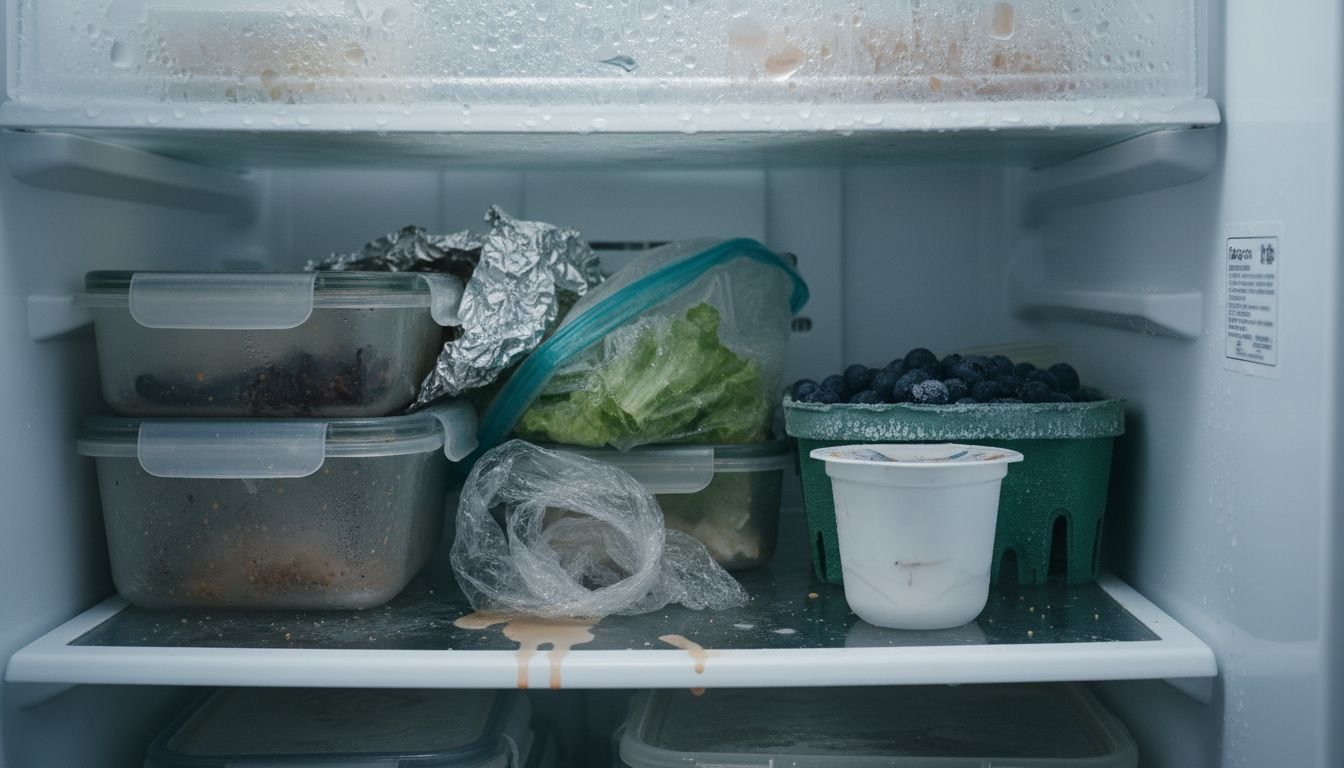
The danger becomes acute when you consider the bacteria that thrive in inconsistent temperatures. Proper defrosting is critical for food safety to prevent bacterial growth in the danger zone between 40 degrees Fahrenheit and 140 degrees Fahrenheit. This temperature range is where pathogens like Salmonella, E. coli, and Listeria multiply rapidly. If your fridge isn’t maintaining temperatures below 40 degrees Fahrenheit due to frost obstruction, food sitting inside moves into that danger zone within hours. You might not see or smell anything wrong, but invisible bacteria are colonizing your frozen chicken, ice cream, and leftover casserole. The risk isn’t theoretical. Foodborne illness sends thousands of Americans to emergency rooms every year, and temperature abuse from faulty refrigeration is a leading cause.
The connection between defrosting and food safety also relates to how you thaw food once it does need to be prepared. Food must be kept safely below 40 degrees Fahrenheit during defrosting to inhibit bacterial multiplication. If your fridge’s defrost system isn’t working properly, even thawing frozen food inside becomes risky because the appliance might not maintain safe temperatures. Thawing at room temperature or in warm water is unsafe because outer layers thaw before the center remains frozen, promoting bacteria growth. Refrigerator thawing is safest but requires a properly functioning fridge. Cold water thawing and microwave thawing offer faster alternatives, but they demand careful handling and immediate cooking afterward.
Why This Matters for Your Marlboro Home
Monmouth County kitchens experience humidity that makes frost accumulation more aggressive than in drier climates. When frost builds up in your fridge, your appliance has to work harder to maintain temperature consistency, and that struggle can create pockets of warmth. Children, elderly family members, and anyone with compromised immune systems face heightened risk from foodborne illness. Proper defrosting ensures your fridge functions as designed, maintaining the constant cold that keeps everyone safe.
If you’ve noticed ice buildup in your refrigerator or suspect your defrost system isn’t working, don’t ignore it. Expert Appliance Inc has served New Jersey families since 1988, helping homeowners maintain safe, efficient refrigeration. A simple diagnostic call can identify whether your defrost system needs repair or if something simpler requires attention. The cost of professional service is minimal compared to the risk of foodborne illness or the expense of replacing spoiled groceries.
Pro tip: Keep a refrigerator thermometer on a middle shelf where you can see it daily. If temperatures creep above 40 degrees Fahrenheit or fluctuate more than 5 degrees, it signals a defrosting problem requiring immediate attention before food safety is compromised.
Defrosting problems can impact food safety in several ways:
| Problem | Food Safety Consequence | How to Address |
|---|---|---|
| Temperature swings | Encourages bacteria growth | Prompt defrost maintenance |
| Inconsistent cooling | Uneven food preservation | Service or fix airflow issues |
| Frost blocking vents | Warm spots inside refrigerator | Remove frost and unclog vents |
| Clogged drain | Water leakage, higher contamination | Regularly clear drain passage |
Preventing Ice Buildup And Common Mistakes
The best way to handle ice buildup is to stop it before it starts. Prevention is far easier than dealing with a frozen solid freezer or a defrost system that has gone haywire. Ice crystal buildup inside freezers occurs due to moisture entering when doors are opened, and temperature fluctuations cause moisture to sublimate from foods and refreeze on surfaces. Understanding this process helps you take action. Every time you open your fridge or freezer, warm humid air rushes in. That moisture condenses on the cold surfaces and freezes solid. Over weeks and months, these tiny ice crystals layer up into a thick frost coating. For homeowners in Marlboro, NJ with kitchens near windows or in humid areas of the house, this problem accelerates. The coastal New Jersey climate means humidity levels stay elevated year-round, making frost prevention even more critical.
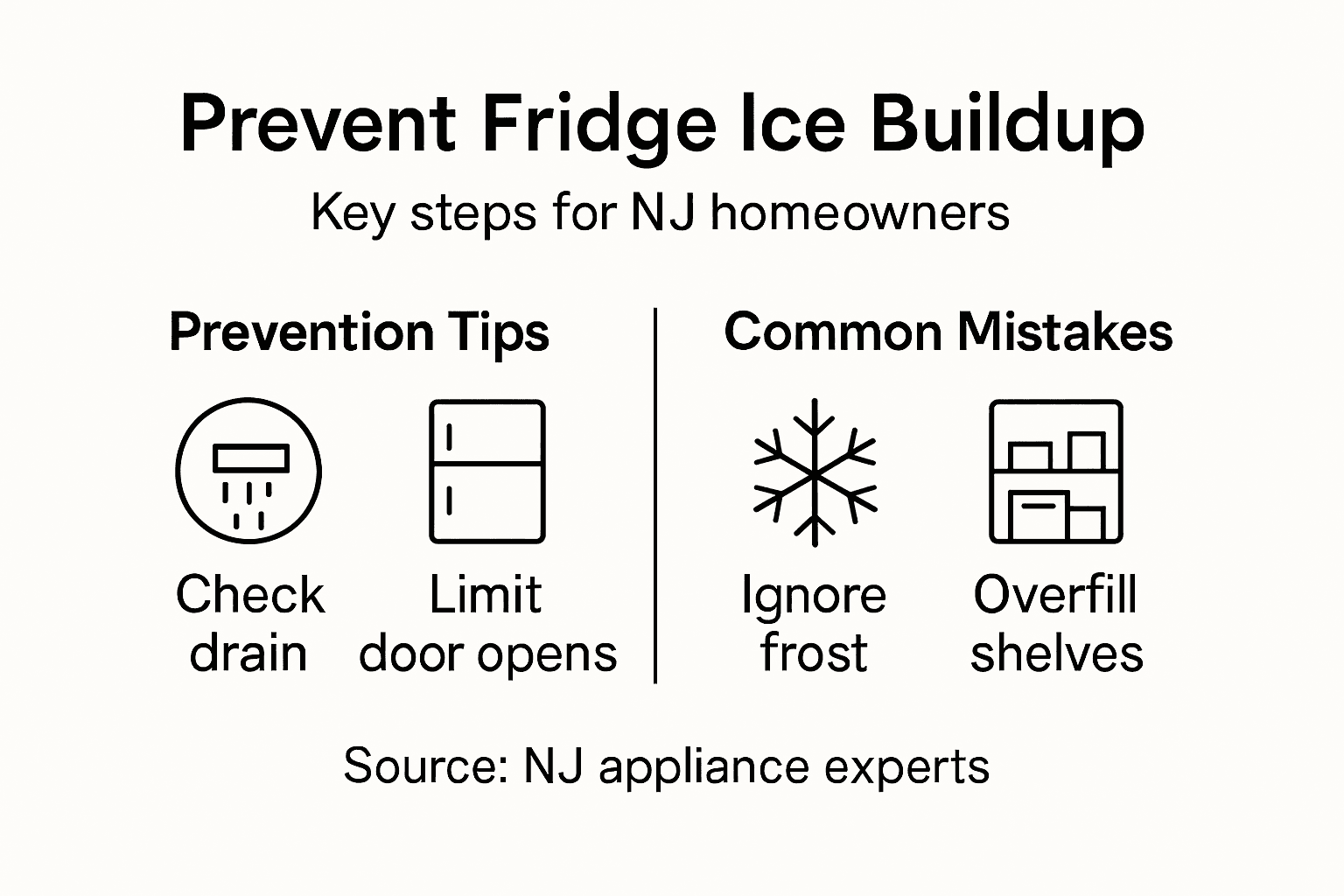
Simple habits prevent most ice buildup problems before they become expensive repairs. Start by minimizing how often and how long you keep your fridge or freezer door open. Every second the door stays open introduces more moisture. Teach family members, especially children, to grab what they need quickly rather than standing there browsing. Keep your fridge and freezer organized so you can find items without extended searching. Check door seals regularly to ensure they close properly and create an airtight barrier. A worn gasket that doesn’t seal completely lets warm air leak in constantly, overwhelming your defrost system. Clean the coils on the back of your refrigerator every three months. Dust and debris on coils reduce their ability to shed heat efficiently, which can cause temperature swings that promote frost formation.
Common Mistakes That Make Ice Buildup Worse
- Storing items against the back wall: This blocks airflow and prevents cold air from circulating properly, creating frost hotspots
- Overloading the fridge: Too much food restricts circulation and forces your compressor to work harder, leading to temperature inconsistencies
- Ignoring small frost patches: What starts as a thin layer becomes a thick wall if ignored, making eventual defrosting more difficult
- Leaving the door open during thawing: Some people prop the door open while defrosting, which introduces warm humid air and defeats the purpose
- Using sharp objects to scrape ice: Metal scrapers can puncture cooling lines or damage the interior, leading to expensive repairs
- Not maintaining door seals: Cracked or degraded gaskets are often the culprit behind excessive frost, yet many homeowners overlook them
Another critical mistake homeowners make is assuming their automatic defrost system is working when it might not be. You can’t see the heating element cycling on, so problems hide until frost becomes obvious. Maintaining clean coils, good seals, and minimizing moisture ingress are key to preventing excessive ice buildup and energy waste. If you notice frost returning quickly after defrosting or if certain areas stay consistently cold while others warm up, your defrost system may need professional evaluation. Expert Appliance Inc has been diagnosing refrigerator problems for Marlboro and Monmouth County residents since 1988. We can quickly identify whether you have a failing timer, a broken heating element, or simply a clogged drain that needs cleaning.
Preventive maintenance also means knowing when to call for help. Don’t wait until your freezer looks like an ice cave to reach out. A $100 service call to have a technician clean coils or test your defrost system is far cheaper than the $300 to $500 cost of a new compressor that has been overworked due to frost obstruction. Marlboro homeowners with older refrigerators should be especially proactive since these units tend to have weaker defrost systems that need professional attention more often.
Pro tip: Place a small cup of baking soda on a freezer shelf to absorb excess moisture before it freezes into frost, and replace it monthly for ongoing humidity control inside your fridge.
When To Call A Local Appliance Expert
Knowing when to handle frost yourself and when to call for professional help is the difference between a quick fix and a costly mistake. Many Marlboro homeowners try to manage defrosting on their own, thinking it’s just a matter of unplugging the fridge and waiting for the ice to melt. That approach sometimes works, but other times it leads to water damage, spoiled food, or worse, damaged cooling systems. The key is recognizing the warning signs that signal you need an expert. Defrosting should be done proactively before ice exceeds one inch thickness, and if excessive buildup or damage occurs, professional help should be contacted. When you see frost that thick, you’re already past the point where simple prevention would have helped. That’s when Expert Appliance Inc’s 35 years of experience serving New Jersey families becomes invaluable.
Certain situations demand professional intervention immediately. Signs to call a professional include excessive frost buildup beyond half an inch in multiple areas, frost or ice damaging door seals, poor door sealing, or reduced airflow due to blockages. If you notice frost returning within days after you defrost, your automatic defrost system has a problem that DIY solutions won’t fix. A stuck timer, broken heating element, or clogged drain requires diagnostic equipment and technical knowledge. Trying to fix these yourself can damage your refrigerant lines or electrical components, creating an expensive emergency. Additionally, if you see water pooling inside your fridge or leaking underneath, don’t attempt to defrost. That’s a sign of blocked drainage or seal failure that needs professional attention. For homeowners in Marlboro and surrounding Monmouth County areas, calling a local expert at the first sign of these issues saves thousands in repair costs down the road.
Red Flags That Require Professional Help
- Ice thickness beyond half an inch: Your defrost system isn’t working properly
- Frost buildup in multiple areas simultaneously: Suggests uneven cooling or airflow problems
- Door seals visibly damaged or frost accumulating around them: Gaskets need replacement or realignment
- Water leaking inside the fridge or pooling at the bottom: Drain blockage or seal failure
- Frost returns within days of manual defrosting: Automatic defrost system malfunction
- Unusual noises during the defrost cycle: Possible compressor or fan motor issues
- Food not staying frozen or partially thawing: Temperature control problem requiring professional diagnosis
- Visible damage to cooling coils or interior surfaces: Risk of refrigerant leaks or electrical hazards
Another critical situation is when contamination is a concern. If evidence of spilled materials or malfunctions occurs during defrosting, contacting an expert to safely complete the job is warranted. Suppose you notice something unusual inside your fridge during the defrost process—discoloration, strange odors, or visible debris. In that case, don’t continue. That could indicate bacterial growth, mold, or chemical contamination that requires specialized cleaning and assessment. Expert technicians have the tools and expertise to safely handle these situations while protecting your food and family.
Timing matters too. Don’t wait until your freezer is completely blocked to reach out. The sooner you contact a professional for signs you need appliance repair in Marlboro, the sooner you can prevent bigger problems. Expert Appliance Inc offers same-day service and 24/7 emergency support for Marlboro residents. A simple diagnostic call costs far less than emergency repairs that result from ignoring warning signs. Many homeowners find that a quick professional assessment gives them peace of mind and saves money by catching problems early. We’ve been helping New Jersey families maintain reliable refrigeration since 1988, and we know exactly how to identify whether your issue needs immediate attention or can wait for a scheduled appointment.
Pro tip: Document frost buildup patterns by taking photos of the ice formation and noting when it reappears after defrosting, then share these details with your technician to help them diagnose the underlying problem more quickly.
Keep Your Refrigerator Running Smoothly with Expert Help
Dealing with ice buildup or a faulty defrost system in your refrigeration unit can quickly disrupt your household routine and compromise food safety. Whether you notice frost that returns too fast, water leaking inside, or inconsistent cooling temperatures, these are signs your fridge needs professional attention. At Expert Appliance Inc, we understand how critical a correctly functioning defrost system is for Marlboro, NJ homes and surrounding Monmouth County areas. Don’t wait until thick frost damages your appliance or risks your family’s health.
Take the stress out of fridge maintenance with our same-day appliance repair and trusted service. Our experienced technicians diagnose and repair automatic defrost system failures, clogged drains, gasket issues, and more. We pride ourselves on delivering quick, reliable solutions that restore your refrigerator’s performance and protect your food. Visit Expert Appliance Inc now to schedule your repair or learn how to prevent frost buildup before it starts. Reliable refrigeration is just a call away—act now to avoid costly damage and food spoilage.
Frequently Asked Questions
What is fridge defrosting and why is it important?
Fridge defrosting is the process of removing accumulated frost and ice inside your refrigerator. It’s important because excessive frost buildup reduces airflow, affects cooling efficiency, and can lead to increased energy bills and food spoilage.
How can I tell if my fridge needs defrosting?
Signs that your fridge needs defrosting include visible frost accumulation, reduced cooling performance, water pooling at the bottom, or ice chunks blocking airflow. Regular checks can help you catch these issues early.
What is the difference between manual and automatic defrosting?
Manual defrosting requires you to turn off the fridge and scrape away ice buildup yourself, while automatic defrosting uses built-in systems that periodically melt frost without any action needed from you. Automatic systems are more convenient but can still face issues.
How does frost buildup affect food safety in my refrigerator?
Frost buildup can cause inconsistent temperatures, creating warm spots that promote bacterial growth and increase the risk of foodborne illness. Maintaining a properly functioning defrost system is crucial for food safety.
Recommended
- Types of Refrigerators Explained: Choosing for Your NJ Home – Expert Appliance
- What Is Appliance Maintenance? Complete Guide for NJ Homes – Expert Appliance
- Common Freezer Problems Explained: Causes and Solutions – Expert Appliance
- 7 Essential Types of Home Appliances Every NJ Household Needs – Expert Appliance