
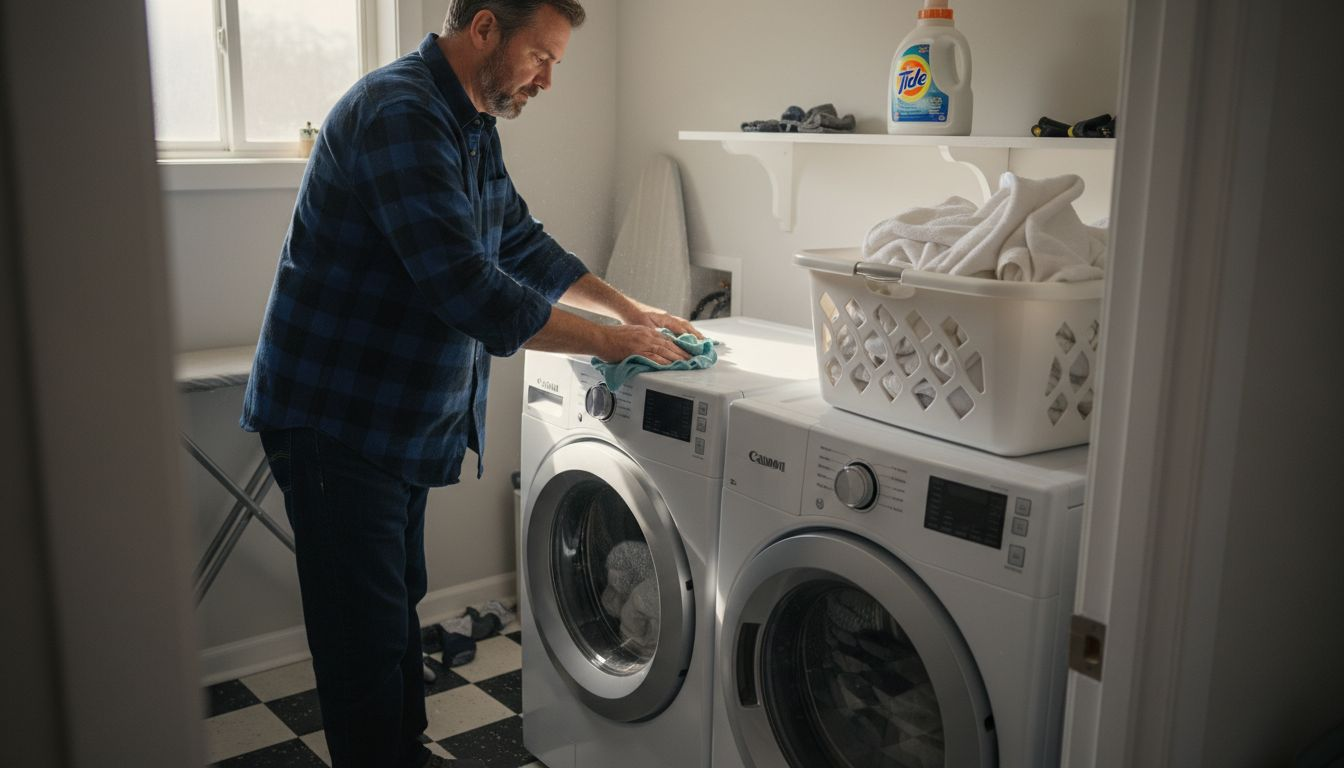
Washer and dryer breakdowns catch you off guard, leaving your laundry routine in chaos and your wallet lighter. Neglecting simple maintenance tasks leads to wasted energy, higher bills, and even dangerous situations like water leaks or fire hazards. Preventing these headaches is easier than you might think.
You have the power to protect your appliances, save money, and avoid stressful repairs, often with just a few minutes of care. This guide will reveal practical steps trusted by appliance experts that actually make a difference in your washer and dryer’s performance.
Get ready to discover the overlooked habits and clever maintenance tips that extend appliance life, improve efficiency, and keep your Marlboro, New Jersey laundry running smoothly. Each step will show you exactly what to do—and why skipping it simply isn’t worth the risk.
Table of Contents
- 1. Clean The Lint Filter After Every Use
- 2. Inspect Hoses For Leaks And Wear Regularly
- 3. Balance Your Washer To Prevent Shaking
- 4. Avoid Overloading Both Washer And Dryer
- 5. Use The Right Detergent For Your Machine
- 6. Schedule Periodic Deep Cleaning
- 7. Check For Unusual Noises And Promptly Address Issues
Quick Summary
| Takeaway | Explanation |
|---|---|
| 1. Clean Lint Filter After Each Use | Cleaning the lint filter regularly improves dryer efficiency and minimizes fire hazards caused by lint buildup. |
| 2. Inspect Hoses Monthly for Damage | Regular inspections of washer and dryer hoses prevent leaks and costly water damage to your home. |
| 3. Balance Washer Loads to Reduce Vibration | Distributing laundry evenly in the washer prevents shake, minimizing potential damage to your appliance and plumbing. |
| 4. Avoid Overloading Washers and Dryers | Following load size recommendations ensures proper function, cleaner clothes, and extends appliance lifespan. |
| 5. Use Appropriate Detergent Type | Selecting the right detergent for your machine type prevents damage and buildup that could lead to costly repairs. |
1. Clean the Lint Filter After Every Use
Your dryer’s lint filter is one of the hardest working parts of your appliance, yet it’s often the most neglected. Taking 30 seconds to clean it after each load is the single most important habit you can develop to keep your dryer running efficiently and safely.
When you run your dryer, lint accumulates on the filter screen. This buildup restricts airflow, forcing your dryer to work harder and longer to dry your clothes. A clogged lint filter doesn’t just waste energy and time; it also creates a serious fire hazard. Lint is highly flammable, and when it gets trapped inside your dryer’s ductwork, it can ignite if temperatures become too high.
The good news is that preventing this is incredibly simple. After each drying cycle, reach into your dryer and gently remove the lint filter. Use your hand or a paper towel to wipe away the accumulated lint. This captures not just visible fibers but also helps reduce microfiber pollution from your laundry. Research shows that regular lint filter maintenance captures up to 87% of microfibers released during laundry, protecting both your appliance and the environment.
Now here’s what matters for your household in Marlboro, NJ and surrounding Monmouth County communities: many homeowners wait until their dryer stops working properly before they pay attention to lint. By then, the damage is done. Your drying times have doubled, your energy bills have climbed, and you’re facing expensive repairs or replacement costs. This is entirely preventable.
The correct cleaning method is crucial. Never bang or hit the lint trap against anything, even though you might think it’s cleaning it faster. Hitting lint traps can damage them, causing inefficiency and possible machine failure. Instead, gently roll the trap between your palms or use your fingers to massage the lint away. For stubborn buildup, a soft brush works well. Once cleaned, slide the filter back into place before starting your next load.
Make this part of your routine. If you dry clothes daily, that’s seven lint filters per week. If you skip cleaning one, lint starts accumulating. If you skip a week, you’re looking at a significant restriction that impacts your dryer’s performance. Homeowners who maintain this simple habit report shorter drying times, lower energy costs, and appliances that last years longer than average.
Pro tip: Keep your lint filter in plain sight near your dryer so you remember to clean it every single time, and set a calendar reminder for a monthly deep clean of your dryer’s exhaust vent to catch any lint that makes it past the filter.
2. Inspect Hoses for Leaks and Wear Regularly
Your washer and dryer hoses are silent heroes working behind the scenes with every cycle. Most homeowners forget they exist until disaster strikes, but a few minutes of regular inspection can prevent thousands of dollars in water damage to your Marlboro home.
Think of hoses like the arteries in your appliances. They carry water and air under pressure, and when they fail, the consequences are immediate and severe. A burst hose can flood your laundry room, seep into your walls, damage flooring, and even compromise your home’s foundation if water reaches the basement. Unlike the lint filter that needs daily attention, hoses require a different kind of care: periodic inspection to catch problems before they become emergencies.
Washing machine hoses are particularly vulnerable because they operate under constant water pressure. Over time, rubber deteriorates from temperature fluctuations, chemical exposure from detergents, and the constant stress of water flow. Dryer inlet hoses experience wear from vibration and temperature changes. Both types develop weak spots that eventually burst or leak, often with little warning.
Here’s what to look for during your monthly inspection. Pull your washer and dryer slightly away from the wall so you can see the hoses clearly. Examine each hose from end to end for visible cracks, bulges, or soft spots. Squeeze the hose gently; it should feel firm, not mushy or overly flexible. Check the connection points where hoses attach to your appliances and water supply. Look for any sign of water seeping out, even tiny drips. If you find any of these issues, replace the hose immediately before using the appliance again.
The type of hose matters tremendously for durability. Stainless steel braided hoses offer significantly better protection than older rubber hoses. The metal braid reinforces the hose and reduces the risk of bursting, giving you peace of mind and a longer service life. If your current hoses are older rubber types, consider upgrading to braided stainless steel. The investment now pays dividends by preventing catastrophic failures later.
Clamps and fittings deserve attention too. Vibration from your appliances can gradually loosen connections. Check that all clamps are tight and secure, but do not overtighten them as this can damage the fitting. Replace any corroded or damaged clamps. When you inspect, also verify that hoses are not kinked or bent at sharp angles, as this restricts flow and accelerates wear.
Regular inspection of hoses is key to avoiding leaks and failures that cause costly downtime. Homeowners in Monmouth County communities who adopt this habit report fewer emergency service calls and better overall appliance reliability. Periodically replacing hoses before they fail, even if they look okay, gives you control over timing and prevents surprises during holiday gatherings or family visits when your washer or dryer fails catastrophically.
Pro tip: Mark your calendar for the first day of each month to inspect your hoses, and if any are more than five years old, replace them proactively even if they appear fine to extend appliance life and prevent water damage.
3. Balance Your Washer to Prevent Shaking
If your washing machine sounds like it’s about to take flight during the spin cycle, you have an imbalance problem. An unbalanced washer doesn’t just create annoying noise; it can damage your appliance, shake your plumbing pipes, and create costly problems that extend far beyond your laundry room.
When your washer operates, the drum spins at high speeds while containing hundreds of pounds of wet laundry. If that weight distributes unevenly, the centrifugal force creates violent vibrations. Your machine literally bounces and shakes, which puts tremendous stress on internal components, bearings, and suspension systems. Over time, this wear and tear accelerates appliance failure and can even cause water hammer, a phenomenon where shock waves travel through your plumbing lines and damage pipes throughout your home.
Modern washers contain sophisticated balance sensing technologies such as balance rings filled with oil and steel balls that detect and counteract unbalanced loads automatically. However, these systems can only do so much if you’re overloading your machine or packing clothes unevenly into the drum. Understanding how your washer works helps you prevent these problems before they start.
The solution starts with how you load your clothes. Instead of jamming everything into one side of the drum, distribute your laundry evenly around the entire circumference. For a full load, imagine dividing the drum into sections and placing roughly equal amounts of fabric in each section. Heavy items like jeans and towels should alternate with lighter pieces like t-shirts and underwear. This simple habit prevents the drum from becoming lopsided during the spin cycle.
Overloading is one of the biggest culprits. Yes, you might fit more laundry into one cycle, but your washer needs space to agitate and rinse effectively. Cramming too many clothes forces the motor to work harder and makes balancing nearly impossible. Follow your washer’s manufacturer guidelines for load capacity. When in doubt, do two smaller loads instead of one oversized load.
Next, examine where your washer sits. Your machine needs to be level on the floor to function properly. Most washers have adjustable feet that you can raise or lower. Use a level tool to check that your washer is even in all directions. If your floor slopes or your washer sits on an uneven surface, adjust those feet until the machine is perfectly level. Uneven flooring is a common problem in older homes throughout Marlboro and surrounding Monmouth County neighborhoods, and it frequently causes washing machine vibration issues.
During operation, periodically listen for unusual noise or feel for excessive vibration. Check that the washer hasn’t shifted out of position. Over months and years, vibration gradually moves appliances across the floor. If your washer has migrated several inches from where it started, releveling it should reduce shaking significantly. Additionally, water hammer arrestors installed on your water supply lines provide shock absorption that protects your plumbing from damage caused by sudden pressure changes during the fill and drain cycles.
Balancing your washer properly reduces noise, prevents water hammer issues, minimizes vibration damage to internal components, and extends your appliance’s working life by years. Homeowners who adopt proper loading habits and maintain level machines experience far fewer service calls and emergency repairs.
Pro tip: If you notice persistent shaking even with balanced loads and a level machine, the drum bearing or suspension system may be failing, and you should schedule a professional inspection before the problem damages your plumbing or flooring.
4. Avoid Overloading Both Washer and Dryer
The temptation is real. You’ve got a mountain of laundry, and stuffing one more load into your washer or dryer seems like a great time saver. That’s exactly the thinking that leads to expensive repair bills and potential safety hazards in your Marlboro home.
Overloading is one of the fastest ways to destroy your appliances. When you pack too many clothes into your washer, the drum cannot agitate them properly. Water and detergent cannot reach all the fabrics, so cleaning performance suffers dramatically. Your clothes come out dirtier, not cleaner. The motor has to work much harder to move all that extra weight, which accelerates wear on internal components like bearings, seals, and the drive belt. What might have been a 10-year appliance lifespan shrinks to 5 or 6 years because you’re cutting corners on load size.
Your dryer faces even greater risks. When you overload your dryer, clothes cannot tumble freely. Heat cannot circulate evenly through the load, so some items stay damp while others get scorched. The drum spins harder under the weight, stressing the rollers, idler pulley, and bearing. More critically, lint cannot escape properly when clothes are crammed together. Lint accumulates inside the dryer, creating a serious fire hazard. Clothes dryer safety standards emphasize that overloading directly increases fire risk from lint buildup and reduced airflow.
Manufacturers specify load capacity limits for a reason. Those numbers are based on extensive testing and real world performance data. Your washer’s capacity might be 4.5 cubic feet, meaning the drum should never be more than three-quarters full when you load it. This leaves space for water circulation and agitation. Similarly, your dryer capacity recommendation ensures proper airflow and tumbling action. When you ignore these guidelines, you’re gambling with your appliance’s health and your home’s safety.
Here’s the practical reality for busy families. Two smaller loads take slightly longer than one oversized load, but the first load finishes while you’re working on other things. Meanwhile, your appliances last longer, use less energy because they operate more efficiently, and perform their jobs better. Your clothes get cleaner in the washer and drier in the dryer. Overloading household appliances increases energy consumption and creates electrical strain that can pose fire risks throughout your home’s electrical system.
To gauge the right load size, use the hand test. When your washer or dryer is loaded with dry clothes, you should be able to fit your hand flat into the remaining space. If you cannot fit your hand, the load is too large. This simple check prevents you from exceeding capacity without needing to measure or guess.
Break the habit of waiting until laundry day to wash everything at once. Spreading washing throughout the week, even just two or three loads instead of five oversized ones, extends appliance life significantly. Your family will also have cleaner clothes, shorter drying times, and lower utility bills. Homeowners in Monmouth County who follow proper load limits report far fewer service calls and repair emergencies.
Pro tip: Check your appliance’s owner manual for the exact cubic footage or weight capacity, write it down on a sticky note, and place it near your washer and dryer so you and your family always know the correct load size.
5. Use the Right Detergent for Your Machine
Not all detergents are created equal, and using the wrong one can quietly destroy your washing machine from the inside out. The detergent aisle at your local store is overwhelming, but understanding which product matches your machine type is one of the simplest ways to protect your investment.
The biggest mistake homeowners make is using regular detergent in a High Efficiency (HE) washer. HE machines use significantly less water than traditional washers, roughly half the amount. Regular detergents are formulated to work with that higher water volume and create lots of suds. When you use regular detergent in an HE machine, those excess suds cannot rinse away properly. They accumulate inside your machine, leaving residue on clothes and creating buildup within the drum and water lines. Over time, this residue causes odors, mold growth, and mechanical problems that require expensive repairs.
HE detergents are specifically designed to produce fewer suds and work effectively with lower water levels. They’re more concentrated, so you use less per load. The chemistry is completely different from regular detergent. Understanding how your washing machine cleans helps explain why this distinction matters so much. When the detergent type matches your machine’s design, water circulation and chemical action work together perfectly.
The problem compounds when you use too much detergent, even if it’s the right type. Many people think more detergent means cleaner clothes. It doesn’t. Excess detergent leaves residue that attracts dirt and creates buildup. Your clothes actually come out less clean, and your machine works harder to rinse everything away. The correct amount is usually far less than you think. Read your detergent bottle carefully. Most HE detergents are so concentrated that you need just a tablespoon or two for a full load.
If you have a traditional top loading washer, you’ll use regular detergent, but still avoid overdoing it. The key is matching the detergent type to your specific machine. Check your washer’s owner manual or look at the machine itself. There’s usually a label indicating whether it’s HE or standard capacity. Once you know, buy only detergent formulated for that type.
For families with young children in Marlboro homes, consider the safety aspect as well. Single use detergent packets are convenient, but they pose ingestion risks if children access them. Liquid and powder detergents in traditional bottles are safer for households with kids. Beyond the convenience factor, proper detergent selection protects both your appliance and your family’s health.
Specialized detergents for specific fabrics or water temperatures are fine to use occasionally, but your primary detergent should always match your machine type. Color safe, sport, or delicate formulas still come in both HE and regular versions. Check that label carefully. Switching back and forth randomly between detergent types confuses the issue and sometimes results in using the wrong formula for your machine.
Buildup from incorrect detergent use accumulates gradually. You might not notice immediate problems. But six months or a year later, your washer starts smelling bad, clothes come out dingy, or the machine makes unusual sounds. Many of these issues trace directly back to detergent mistakes. By choosing detergents formulated for your machine type from day one, you prevent these problems entirely.
The investment in proper detergent is minimal compared to the cost of repairs. A bottle of HE detergent costs about the same as regular detergent. The difference is that it lasts longer because you use less per load, and your machine stays clean and healthy for years.
Pro tip: Keep a permanent marker and label your detergent bottle with your machine type (HE or standard) and the recommended amount per load so everyone in your household uses it correctly and you never accidentally buy the wrong type again.
6. Schedule Periodic Deep Cleaning
Daily and weekly maintenance keeps your washer and dryer running smoothly, but periodic deep cleaning is what extends their lifespan by years. Think of it like the difference between brushing your teeth daily and getting a professional cleaning at the dentist. One keeps things functioning, but the other prevents serious problems down the road.
Your washer accumulates detergent residue, mineral deposits from water, and fabric fibers that regular washing cycles cannot fully remove. Over months, this buildup creates a sludgy layer inside the drum and on internal components. This residue traps bacteria and causes musty odors that no amount of fabric softener can hide. More importantly, it reduces cleaning performance and creates conditions that accelerate wear on seals and bearings. Your dryer faces similar challenges with lint that escapes the filter and accumulates inside the machine, restricting airflow and creating fire hazards.
Deep cleaning your appliances seasonally should be part of your regular home maintenance routine. Most homeowners benefit from scheduling deep cleaning twice yearly, typically in spring and fall. Spring cleaning removes buildup from winter use, and fall cleaning prepares your appliances for heavy use during colder months when families do more laundry.
For your washer, start by running an empty hot water cycle with two cups of white vinegar or a commercial washing machine cleaner. This dissolves mineral deposits and detergent buildup. Some modern washers have a dedicated clean cycle that you can run monthly for lighter maintenance. Once the cycle finishes, wipe down the rubber gasket around the door opening where moisture and lint accumulate. Use a damp cloth or old toothbrush to scrub away visible residue and mold. Leave the door open for several hours afterward to allow air circulation and prevent moisture from accumulating.
Your dryer requires more intensive attention. The most critical deep cleaning task is removing lint from the exhaust vent. Lint buildup inside your venting system restricts airflow dramatically and creates serious fire hazards. You should clean your dryer vent annually at minimum, more frequently if you use your dryer heavily. You’ll need to access the vent where it exits your home, which might be in the back of your house or outside. Use a dryer vent cleaning brush or hire a professional. This single task prevents the majority of dryer fires and significantly improves efficiency.
While you’re working on your dryer, also vacuum the lint trap chamber and the area around the drum. Use the crevice attachment on your vacuum to reach into tight spaces. Wipe down the interior drum with a damp cloth to remove any dust or residue. Check the blower wheel and fan for lint accumulation. These areas rarely get cleaned during regular use, but lint finds its way into every cavity.
Don’t forget about the drain lines in your washer. Pull your machine away from the wall and locate the emergency drain line, which is typically a small hose near the bottom. Empty this line into a bucket to catch any accumulated water and debris. This prevents backup issues and maintains proper drainage.
For homeowners in Marlboro and throughout Monmouth County, scheduling deep cleaning is particularly important if you have hard water. Mineral deposits accumulate faster in hard water areas, making regular vinegar cycles even more valuable. If you notice your washer performing poorly despite proper loading and detergent, buildup is usually the culprit.
Make this part of your routine by setting calendar reminders on your phone. Spring equinox and fall equinox are easy dates to remember. When these dates arrive, block off an hour or two for deep cleaning. It’s far easier than scheduling emergency repairs when something fails.
Pro tip: Create a simple maintenance log documenting when you last cleaned your washer, dryer vent, and drain lines, then set phone reminders one week before the next scheduled cleaning so you never miss a deep cleaning session.
7. Check for Unusual Noises and Promptly Address Issues
Your washer and dryer communicate with you. When they start making sounds they didn’t make before, they’re telling you something is wrong. Ignoring those sounds is like ignoring warning lights on your car’s dashboard. By the time you finally pay attention, the damage is done and repair costs have skyrocketed.
Unusual noises are your earliest warning system. A grinding sound, metal scraping, squealing, or rhythmic thumping all indicate different problems. Some are minor fixes that cost less than a hundred dollars. Others signal serious mechanical failure or safety hazards. The critical insight is that unusual appliance noises often precede fires and component failures. Addressing them promptly prevents catastrophic problems.
Let’s talk about specific sounds and what they typically mean. A high pitched squealing from your washer usually indicates a worn drum bearing or pulley. This part is failing and will eventually seize completely, leaving your drum unable to spin. A grinding or scraping noise suggests something metal is rubbing against something else, often a foreign object caught between the drum and tub, or a damaged component. Thumping during the spin cycle often points to an unbalanced load, worn bearings, or items in the wash that shouldn’t be there like coins or buttons.
Your dryer makes different sounds that warrant attention. A loud rumbling or squealing indicates worn blower wheels, idler pulleys, or drum rollers. These components wear out from constant use, and ignoring the noise leads to catastrophic failure. If your dryer starts making a burning smell alongside unusual noise, stop using it immediately. This combination signals an internal fire risk that requires professional intervention.
When you hear something unusual, your first step is to describe the sound accurately. Is it a squealing, grinding, thumping, or rumbling? When does it occur? During the entire cycle or only during specific phases? Does it happen with all loads or only certain sizes? Document these details because they help a technician diagnose the problem quickly.
Next, try the obvious fixes. For your washer, check for unbalanced loads and redistribute laundry evenly to see if that eliminates the noise. Level the machine to ensure it sits flat. Make sure there are no items stuck between the drum and tub. Sometimes a coin or underwire from a bra creates noise that sounds serious but has a simple fix.
For your dryer, clean the lint filter thoroughly and check the exhaust vent. Restricted airflow causes the motor to work harder, creating unusual sounds. Empty any debris from around the blower wheel if you can safely access it. Make sure nothing is stuck in the drum.
If basic troubleshooting doesn’t eliminate the noise, call for professional service. This is not an area where you should experiment. Internal washing machine and dryer repairs involve high voltage electricity, pressurized water lines, and moving parts that can cause serious injury. A professional technician can diagnose the exact problem quickly and safely.
For homeowners in Marlboro and Monmouth County communities, timing matters. If you notice an unusual noise on Monday and schedule service for Friday, you’re taking a risk. The longer a failing component operates, the more damage it causes. What might have been a bearing replacement that costs three hundred dollars becomes a full drum replacement costing three times as much. Prompt action saves money and prevents your appliance from dying prematurely.
Many homeowners delay service calls because they’re worried about the cost. But that delay usually costs more in the long run. A worn bearing addressed early prevents secondary damage to the motor, drum, and suspension system. Catching problems early is always cheaper than addressing cascading failures after components fail completely.
Pro tip: Record a short video of the noise on your phone and note exactly when it occurs during the cycle, then send this to the service company when scheduling so they arrive prepared with the right parts and expertise.
Below is a comprehensive table summarizing the main strategies for maintaining and extending the lifespan of washers and dryers as discussed in the article.
| Task | Actions Required | Benefits |
|---|---|---|
| Clean the lint filter | Remove lint from the filter after each use. Avoid striking the filter and clean stubborn buildup with a soft brush. | Improves efficiency, reduces fire hazards, and captures microfibers to protect the environment and appliance longevity. |
| Inspect appliance hoses | Examine hoses monthly for cracks, bulges, or leaks. Replace older rubber hoses with stainless steel braided alternatives for durability. Secure clamps properly. | Prevents water damage and appliance failure. Enhances safety and reliability of water or air hoses. |
| Balance washers | Load clothing evenly to ensure proper spin balance. Adjust washer feet for level operation. | Reduces vibration, prevents damage to internal components and plumbing, and decreases wear and tear. |
| Avoid overloading appliances | Follow manufacturer load capacity guidelines to prevent overburdening the machine. Test with a hand flat in remaining drum space. | Ensures efficient operation, decreases energy use, prevents mechanical stress, and reduces fire risk. |
| Use appropriate detergents | Choose detergents specifically designed for the appliance type (e.g., HE vs. standard) and use recommended amounts. | Maintains cleanliness of both clothes and machines, reduces residue and odors, and optimizes performance. |
| Perform deep cleaning | Periodically clean the interior of both machines and venting systems. Use cleaning agents like vinegar or specific cleaning products. | Removes buildup, prevents odors and fire hazards, and extends appliance lifespan. |
| Address unusual noises promptly | Investigate and troubleshoot odd sounds. Schedule repairs if initial fixes don’t resolve the issue. | Prevents small issues from escalating into costly repairs, avoiding total appliance failure. |
Protect Your Washer and Dryer with Expert Care and Fast Repairs
Maintaining your washer and dryer is essential to avoid costly repairs and safety risks like lint fires and water damage. This article highlights key challenges such as lint buildup, hose wear, unbalanced loads, improper detergent use, and unusual noises that can shorten appliance lifespan and disrupt your daily routine. If you find yourself facing issues despite your best efforts, or if you want peace of mind knowing your appliances are in top shape, rely on trusted local professionals.

Expert Appliance Repair in Marlboro, NJ offers fast, reliable service to handle everything from dryer fires risks and hose replacements to washer balancing and deep cleanings. With our family-owned experience since 1988, same-day repairs, and 24/7 emergency support, you can avoid unexpected downtime and expensive breakdowns. Explore real customer reviews and detailed service options in our Appliance Archives – Expert Appliance and see why Monmouth County homeowners trust us. Protect your investment today by scheduling service through Expert Appliance Repair. Don’t wait for a full breakdown or safety hazard to act—contact us now and keep your laundry running smoothly.
Frequently Asked Questions
How often should I clean the lint filter in my dryer?
Cleaning the lint filter in your dryer should be done after every use. Take 30 seconds to remove the lint to maintain optimal airflow and reduce fire risks.
What should I inspect on my washer and dryer hoses?
Regularly inspect your washer and dryer hoses for any leaks, cracks, or signs of wear. Check the hoses monthly, and replace any that show damage to prevent water damage in your home.
How can I prevent my washing machine from shaking excessively?
To prevent excessive shaking, balance your washer by evenly distributing laundry throughout the drum. Ensure your washer is level on the floor to reduce vibrations during operation.
What is the best way to avoid overloading my washer and dryer?
To avoid overloading, follow your appliance’s load capacity recommendations, usually indicated in cubic feet. Use the hand test; if you can’t fit your hand flat on top of the load, it’s too full.
Why is it important to use the right detergent for my washing machine?
Using the correct detergent type for your washing machine prevents residue buildup and mechanical issues. Always choose HE detergent for High Efficiency machines, and use the recommended amount for optimal performance.
How often should I schedule deep cleaning for my washer and dryer?
Schedule deep cleaning for your washer and dryer at least twice a year, ideally in spring and fall. This helps remove buildup and maintain appliance efficiency, extending their lifespan and preventing costly repairs.