
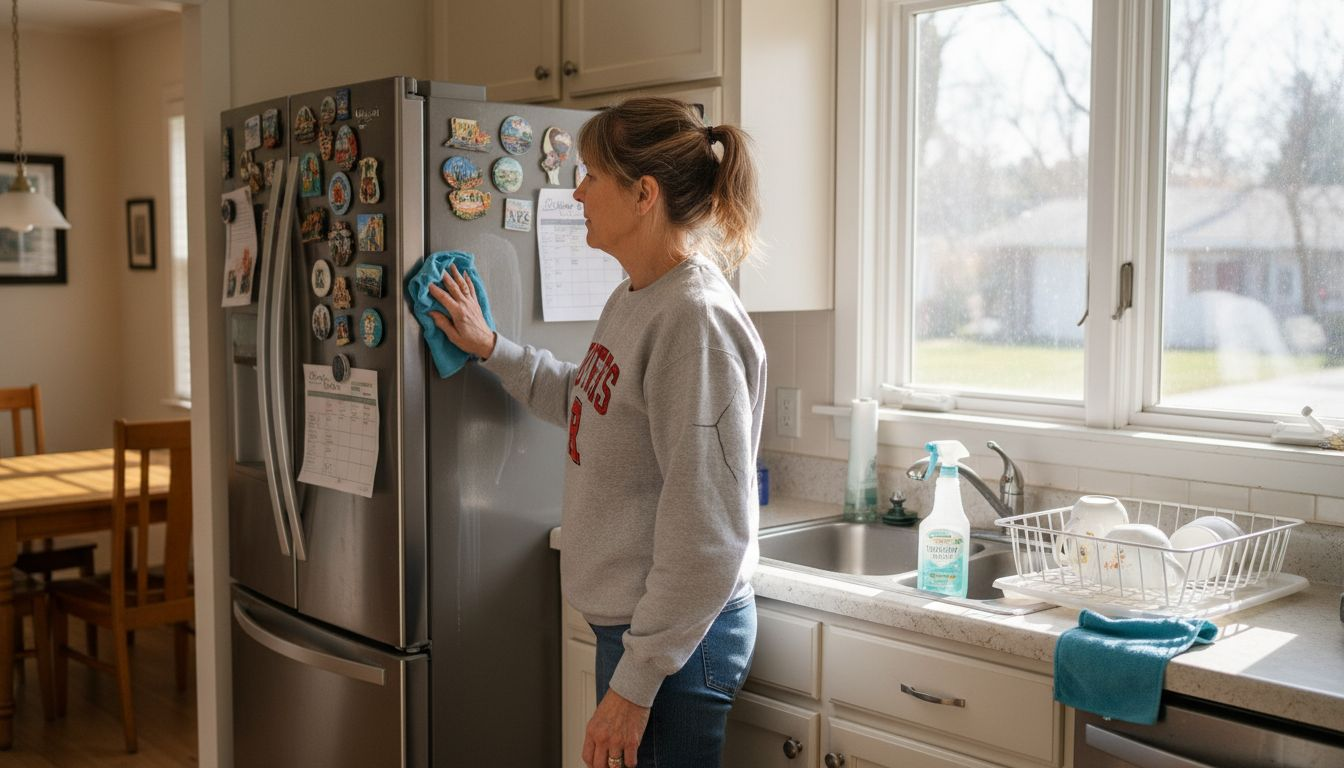
Dirty appliances silently drain your wallet every month. Regular cleaning of refrigerator coils improves energy efficiency by up to 30%, yet most Monmouth County homeowners overlook this simple maintenance task. This comprehensive appliance cleaning checklist helps you maintain every major appliance in your home, preventing costly repairs while slashing energy bills. You’ll discover exactly when to clean each appliance, which methods work best for New Jersey’s unique climate, and when professional help is worth the investment.
Table of Contents
- How to Choose the Right Cleaning Approach for Your Appliances
- Appliance-Specific Cleaning Checklists: Step-by-Step
- General Cleaning Tips and Tools for Safe, Efficient Appliance Care
- Local Environmental Considerations for Monmouth County, NJ
- DIY vs. Professional Cleaning: When to Call the Experts
- Summary Comparison Table and Situational Recommendations
- Keep Your Appliances Running Smoothly with Expert Appliance Repair
- Frequently Asked Questions
Key Takeaways
| Point | Details |
|---|---|
| Quarterly coil cleaning | Cleaning refrigerator coils and seals every three months boosts energy efficiency and extends appliance lifespan significantly. |
| Monthly dispenser maintenance | Washing machine detergent dispensers and door seals need monthly cleaning to prevent mold growth and eliminate odors. |
| Annual professional service | Schedule yearly professional cleaning for dryer vents and complex components to maintain safety and warranty compliance. |
| Local climate adjustments | Monmouth County’s hard water and humidity require more frequent cleaning cycles for dishwashers and washing machines. |
How to Choose the Right Cleaning Approach for Your Appliances
Your cleaning strategy depends on several factors specific to your household and location. Understanding these criteria helps you create a maintenance schedule that actually works.
Start by assessing how often you use each appliance. A family of five using the washing machine daily needs more frequent cleaning than a couple doing laundry twice weekly. Heavy usage accelerates buildup of detergent residue, lint, and mineral deposits.
Monmouth County’s water supply presents unique challenges. The area experiences moderate to high water hardness, causing mineral deposits to accumulate faster in dishwashers, washing machines, and coffee makers. Check your local water quality report to understand what you’re working with. The importance of appliance cleaning in NJ becomes clear when you see how quickly hard water damages internal components.
Select cleaning products carefully. Each appliance has specific material requirements. Stainless steel surfaces need gentle cleaners to avoid scratching, while plastic components can handle more aggressive solutions. Always verify that your chosen cleaner won’t void your warranty.
Safety comes first. Unplug appliances before cleaning internal components. Turn off water supply lines when accessing washing machine or dishwasher interiors. Wear protective gloves when handling chemical cleaners, especially in poorly ventilated spaces.
Pro Tip: Keep your appliance user manuals in a dedicated folder or digital file. Manufacturers include specific cleaning instructions that preserve warranty coverage and prevent accidental damage to sensitive components.
Appliance-Specific Cleaning Checklists: Step-by-Step
Each appliance requires different cleaning techniques and schedules. Follow these detailed checklists to maintain every major appliance in your home.
Refrigerator Maintenance:
- Vacuum refrigerator coils quarterly using a coil brush or vacuum attachment to remove dust and pet hair.
- Wipe door seals monthly with warm soapy water to maintain airtight closure.
- Clean interior shelves and drawers every two weeks using baking soda solution.
- Check and clean drain pan every six months to prevent odors.
Washing Machine Protocol:
- Run empty hot water cycle with two cups white vinegar monthly to dissolve detergent buildup.
- Scrub rubber door seal weekly, paying attention to hidden folds where mold grows.
- Remove and clean detergent dispenser drawer monthly under running water.
- Leave door open after each use to air dry and prevent mildew.
Oven and Range Care:
- Use self-cleaning cycle every three to six months, ensuring proper ventilation.
- Wipe stovetop after each use to prevent baked-on food residue.
- Clean range hood filters monthly in hot soapy water or dishwasher.
- Check and clean oven door seal annually to maintain temperature efficiency.
Dishwasher Maintenance Schedule:
Cleaning frequency varies based on water hardness. Monmouth County homes should clean filters every one to three months depending on usage. Remove the bottom rack and twist out the filter assembly. Rinse under hot water and scrub away food particles with an old toothbrush.
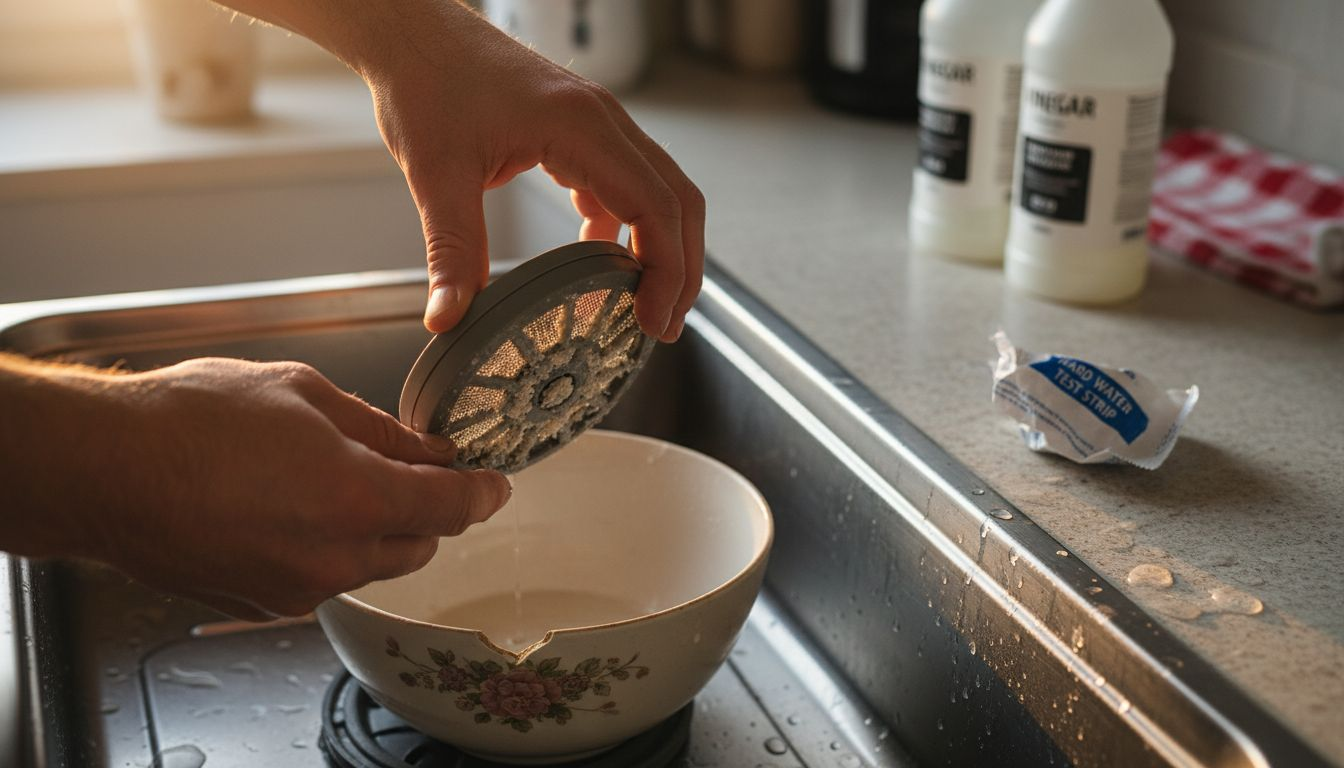
Run an empty cycle with dishwasher cleaner or two cups white vinegar every month. This removes mineral deposits and soap scum from spray arms and interior walls. Inspect and clean spray arm holes quarterly using a toothpick to clear blockages.
Dryer Safety and Performance:
Remove lint trap debris after every single load. This simple habit reduces fire risk and improves drying efficiency by up to 25%. Clean the lint trap housing monthly using a vacuum attachment to reach trapped lint.
Schedule annual dryer vent cleaning professionally. Clogged vents cause 15,000 house fires yearly in the United States. The vent system needs thorough cleaning from the dryer to the exterior vent cap.
Vacuum Cleaner Upkeep:
- Empty canister or replace bag when two-thirds full for optimal suction.
- Clean or replace filters monthly, depending on vacuum type and usage.
- Check and remove tangled hair from brush roll every two weeks.
- Inspect hoses quarterly for clogs or cracks that reduce performance.
This complete appliance checklist gives you specific timelines for every cleaning task. The energy-saving benefits of coil cleaning alone justify the small time investment these maintenance tasks require.
General Cleaning Tips and Tools for Safe, Efficient Appliance Care
The right tools make appliance cleaning faster and safer. Stock your cleaning kit with these essential items.
Microfiber cloths work best for stainless steel surfaces. They trap dirt without scratching and leave no lint behind. Keep separate cloths for different appliances to avoid cross-contamination.
Natural cleaning solutions handle most appliance maintenance safely. White vinegar dissolves mineral deposits and soap scum. Baking soda scrubs away stuck-on food without abrasive damage. Mix equal parts vinegar and water in a spray bottle for everyday cleaning.
Avoid steel wool pads and abrasive sponges on finished surfaces. They leave permanent scratches that trap dirt and look unsightly. Use soft-bristle brushes for textured surfaces and old toothbrushes for tight spaces.
Chemical cleaners require caution. Never mix ammonia and bleach products, as they create toxic fumes. Open windows for ventilation when using commercial oven cleaners or heavy-duty degreasers. Read product labels to verify compatibility with your appliance materials.
Wear latex or nitrile gloves during cleaning sessions. They protect your hands from harsh chemicals and hot water. Safety glasses prevent splashes when cleaning overhead components like range hoods.
Pro Tip: Test new cleaning products on inconspicuous areas first. Apply a small amount to the back or underside of the appliance and wait 24 hours. This simple precaution prevents costly damage to visible surfaces.
Invest in specialty tools that simplify specific tasks. Refrigerator coil brushes bend to reach tight spaces behind units. Dryer vent cleaning kits include long flexible brushes that navigate curved ductwork. These tools pay for themselves by reducing service calls.
These DIY appliance maintenance tips show you exactly which tasks save money versus those requiring professional expertise.
Local Environmental Considerations for Monmouth County, NJ
Monmouth County’s environmental conditions affect how often you need to clean appliances. Understanding these local factors helps you adjust maintenance schedules appropriately.
Hard water causes the biggest headaches for area homeowners. Calcium and magnesium minerals leave white spots on dishes and build up inside water-using appliances. Run monthly vinegar rinses through dishwashers and washing machines to combat these deposits.
Test your home’s water hardness using inexpensive test strips from hardware stores. Results above 7 grains per gallon indicate hard water requiring more aggressive cleaning schedules. Some Monmouth County municipalities post water quality reports online showing exact hardness levels by zone.
Humidity creates ideal conditions for mold and mildew growth. New Jersey summers bring moisture that washing machines and dishwashers trap in rubber seals and hidden crevices. Leave appliance doors ajar between uses to promote air circulation and drying.
Consider installing a whole-house water softener if mineral buildup becomes overwhelming. These systems remove hardness-causing minerals before water reaches your appliances, dramatically reducing cleaning frequency and extending equipment life.
Rinse aids help dishwashers combat hard water spotting. Fill the rinse aid dispenser monthly and adjust the dosage setting based on your water hardness. This simple addition prevents mineral films on glassware and dishes.
Seasons affect cleaning needs differently. Winter heating dries indoor air, reducing mold risk but increasing static electricity that attracts dust to surfaces. Summer humidity demands more frequent mold prevention measures.
These NJ-specific appliance maintenance tips address local challenges that generic cleaning advice misses. Monmouth County homeowners benefit from service contracts for Monmouth County that include seasonal maintenance adjustments based on local environmental conditions.
DIY vs. Professional Cleaning: When to Call the Experts
Knowing your limits prevents costly mistakes and potential safety hazards. Some tasks belong firmly in the DIY category while others require professional expertise.
Handle these routine maintenance tasks yourself:
- Cleaning lint traps, filters, and removable components
- Wiping surfaces, shelves, and door seals
- Running self-cleaning cycles on ovens
- Emptying and cleaning drip pans and dispenser drawers
- Basic coil vacuuming with proper tools
These simple tasks require no special skills and present minimal risk of damage or injury.
Call professionals for complex or risky work:
- Dryer vent cleaning through walls or roofs
- Deep refrigerator coil cleaning requiring unit movement
- Gas appliance servicing or disconnection
- Warranty-covered maintenance specified by manufacturer
- Electrical component access or inspection
Professional service costs vary across New Jersey. Expect to pay between $150 and $300 for thorough dryer vent cleaning, depending on system length and complexity. Refrigerator coil service typically runs $100 to $200 including inspection of other cooling system components.
Early professional intervention saves money long term. A technician spotting worn components during routine cleaning can replace them before they fail catastrophically. Preventive maintenance costs far less than emergency repairs.
Safety considerations outweigh DIY savings for certain appliances. Gas ranges and dryers require specialized knowledge of fuel lines and combustion systems. One mistake can create fire hazards or carbon monoxide risks. Never attempt repairs or deep cleaning on gas appliances without proper training.
Warranty terms often mandate professional service for specific maintenance tasks. Review your warranty documentation before attempting any cleaning that involves disassembly or component access. Voiding coverage to save a service call fee is penny wise and pound foolish.
The importance of professional appliance cleaning becomes clear when you weigh risk against reward. Follow proven appliance maintenance schedule tips that clearly distinguish DIY from professional tasks.
Summary Comparison Table and Situational Recommendations
This comparison table synthesizes cleaning requirements across all major appliances, helping you plan maintenance efficiently.
| Appliance | Routine Tasks | Frequency | Hard Water Adjustment | Method |
|---|---|---|---|---|
| Refrigerator | Coil vacuuming, seal wiping | Quarterly, Monthly | Add monthly vinegar wipe | DIY brush/vacuum |
| Washing Machine | Dispenser, seal, vinegar cycle | Monthly, Weekly | Increase to biweekly cycle | DIY cleaning |
| Dishwasher | Filter, spray arm, vinegar cycle | 1-3 months, Monthly | Monthly filter cleaning | DIY removal/rinse |
| Oven/Range | Self-clean, stovetop, hood filter | 3-6 months, Daily, Monthly | No adjustment | DIY wiping/cycle |
| Dryer | Lint trap, vent system | Every load, Annually | No adjustment | DIY trap, Pro vent |
| Vacuum | Empty bin, clean filter, brush roll | As needed, Monthly, Biweekly | No adjustment | DIY maintenance |
Busy Homeowner Strategy:
Focus on high-impact tasks that take minimal time. Empty lint traps daily, wipe spills immediately, and run monthly cleaning cycles while doing other chores. Schedule quarterly professional service for time-intensive deep cleaning.
Budget DIY Approach:
Handle all routine maintenance yourself using natural cleaners. Invest in basic tools like coil brushes and dryer vent kits. Save professional services for annual dryer vent cleaning where safety concerns outweigh cost savings.
Professional Service Preference:
Subscribe to seasonal maintenance contracts covering all appliances. Technicians perform scheduled cleaning, catch potential problems early, and maintain detailed service records. This hands-off approach maximizes appliance lifespan with minimal owner involvement.
Lifestyle and Location Factors:
- Large families increase cleaning frequency across all appliances
- Pet owners need more frequent vacuum and filter maintenance
- Hard water areas require aggressive monthly mineral removal
- Humid coastal locations demand vigilant mold prevention
Your ideal approach balances available time, budget constraints, and comfort with hands-on maintenance. Review this complete maintenance checklist to customize a schedule matching your specific situation and Monmouth County environmental factors.
Keep Your Appliances Running Smoothly with Expert Appliance Repair
Maintaining appliances properly extends their lifespan, but even well-maintained equipment eventually needs professional attention. Monmouth County homeowners trust Expert Appliance Repair for comprehensive service that goes beyond basic cleaning.
Our technicians understand the specific challenges facing New Jersey homes. We’ve serviced thousands of local appliances affected by hard water, coastal humidity, and seasonal temperature swings. This regional expertise means faster diagnosis and more effective solutions.
We service all major appliance brands including refrigerators, washers, dryers, ovens, dishwashers, and vacuums. Our maintenance checklist services include professional cleaning combined with safety inspections that catch problems before they become emergencies.
Scheduling preventive maintenance saves money compared to emergency repairs. Regular service keeps warranties valid, improves energy efficiency, and extends equipment life by years. Contact our appliance and vacuum repair team for same-day service throughout Marlboro and surrounding Monmouth County communities.
Frequently Asked Questions
What is the best cleaning frequency for major appliances in Monmouth County?
Clean refrigerator coils quarterly, washing machine dispensers monthly, and dryer vents annually as baseline schedules. Adjust frequency upward if you have hard water, high humidity exposure, or heavy appliance usage. Dishwashers in hard water areas need filter cleaning every four to six weeks instead of quarterly.
How does Monmouth County’s water hardness affect my appliance cleaning routine?
Hard water accelerates mineral buildup in dishwashers, washing machines, and any water-using appliance. Increase vinegar rinse cycles to biweekly instead of monthly, clean filters more frequently, and inspect spray arms for clogged holes every month. Consider water softener installation if buildup becomes excessive despite aggressive cleaning.
When should I hire a professional instead of cleaning appliances myself?
Call professionals for dryer vent cleaning through walls, gas appliance servicing, deep coil cleaning requiring appliance movement, and any maintenance specified in warranty terms. DIY works fine for accessible parts like lint traps, filters, door seals, and surface cleaning.
Are natural cleaning products effective and safe for all appliances?
White vinegar and baking soda handle most appliance cleaning safely and effectively. They dissolve mineral deposits, eliminate odors, and scrub away residue without harsh chemicals. Avoid vinegar on natural stone surfaces and always verify compatibility with your specific appliance materials before using any cleaner.
How can I prevent mold growth in humid New Jersey homes?
Leave washing machine and dishwasher doors open between uses to promote air circulation. Wipe rubber seals weekly to remove moisture and trapped debris. Run monthly hot water cycles with vinegar to kill existing mold spores. Install bathroom exhaust fans and use dehumidifiers during humid summer months to reduce overall moisture levels.