
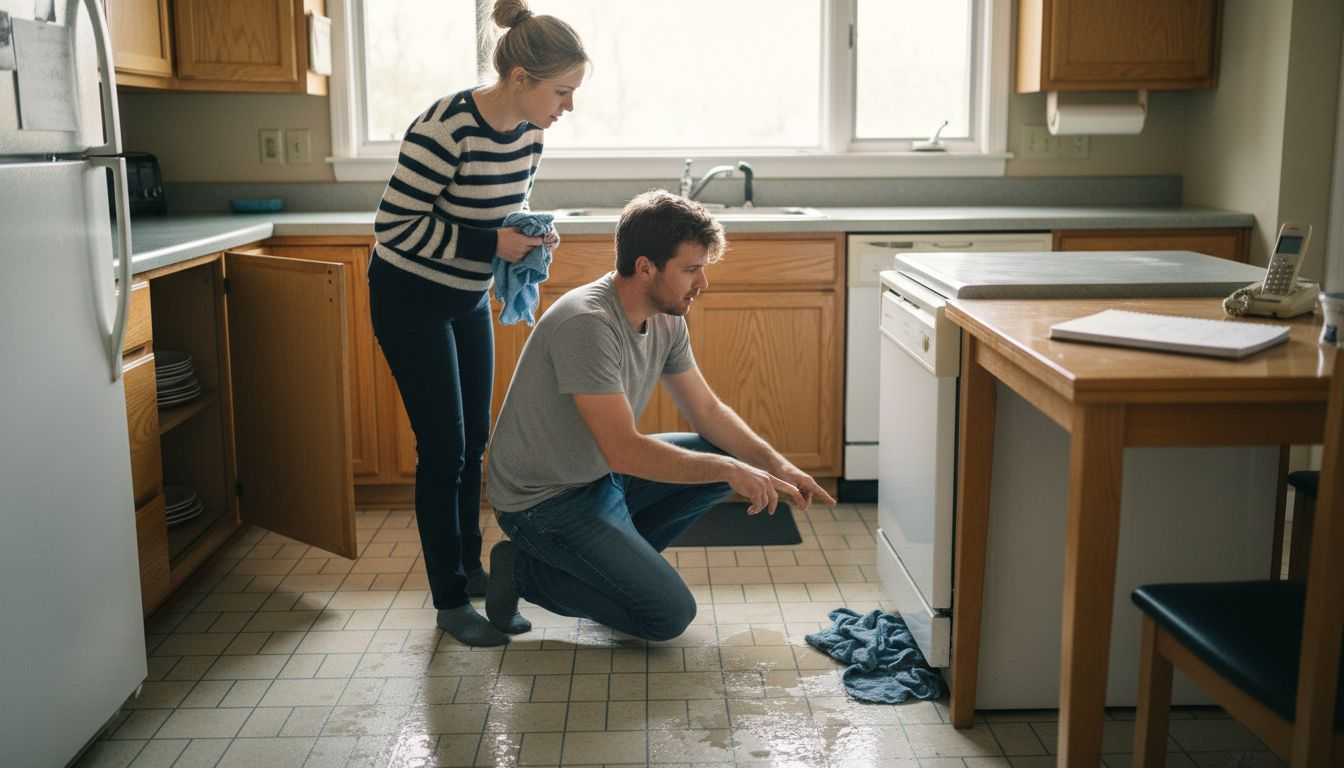
When an appliance crisis hits, even the calmest American homeowner can feel overwhelmed. Appliance emergencies threaten not only comfort but also safety and property value for families in Marlboro, New Jersey. Fast action matters because a single malfunction can cause costly water damage or dangerous electrical hazards. This guide helps local homeowners spot true emergencies, understand warning signs, and quickly connect with trusted repair professionals to protect their homes.
Table of Contents
- What Qualifies as an Appliance Emergency
- Common Types of Appliance Crises in Homes
- Major Safety Hazards and Warning Signs
- Immediate Action Steps for Homeowners
- Legal and Consumer Protections in New Jersey
Key Takeaways
| Point | Details |
|---|---|
| Identify Appliance Emergencies | Urgent situations requiring immediate action include electrical malfunctions, water leaks, and gas appliance issues. Understanding these can prevent property damage and personal injury. |
| Immediate Action Steps | Homeowners should assess danger, disconnect power safely, and contact professionals during appliance emergencies to minimize risks. |
| Legal Protections for Homeowners | New Jersey law provides consumer rights and emergency management support, ensuring safe repair practices and rapid response to appliance-related issues. |
| Maintain Preparedness | Keep emergency contact numbers and a well-stocked emergency kit to respond effectively to appliance crises. |
What Qualifies as an Appliance Emergency
Appliance emergencies represent urgent situations that pose immediate risks to your home’s safety and functionality. Unlike routine maintenance issues, these scenarios demand rapid intervention to prevent significant property damage or potential personal injury. In New Jersey homes, understanding what constitutes a true appliance emergency can help homeowners take swift, appropriate action.
According to legal definitions, an appliance emergency involves an urgent and unexpected situation that requires immediate response to protect life, health, or property. Urgent protective measures typically include scenarios like electrical hazards, fire risks, or water damage that could cause substantial harm if not addressed quickly. Specific examples of appliance emergencies might include:
- Electrical Malfunctions: Sparking outlets, exposed wiring, or burning smells from major appliances
- Water Leakage: Refrigerator or washing machine leaks that could cause flooding
- Gas Appliance Issues: Potential gas leaks from stoves or dryers that create immediate safety risks
- Complete Operational Failure: Critical appliances like refrigerators stopping unexpectedly, risking food spoilage
The legal definition of emergency emphasizes that these situations are characterized by their unexpected nature and potential for significant damage. Professional appliance repair technicians are trained to distinguish between routine problems and genuine emergencies that require immediate intervention.
Here’s a quick reference for identifying common appliance emergencies and the right contact for each situation:
| Appliance Issue | Immediate Risk | Who to Contact First |
|---|---|---|
| Electrical malfunction | Fire, electrical shock | Emergency services (911) |
| Water leakage | Flood, mold | Licensed appliance technician |
| Gas leak | Explosion, poisoning | Utility company |
| Complete appliance failure | Food spoilage, disruption | Appliance repair professional |
Pro Tip: Always keep a fire extinguisher near major appliances and know how to quickly disconnect electrical power in case of unexpected emergencies.
Common Types of Appliance Crises in Homes
New Jersey homeowners face a variety of potential appliance emergencies that can disrupt daily life and cause significant property damage. Common appliance problems range from minor malfunctions to critical system failures that require immediate professional intervention. Understanding these potential crises helps homeowners recognize when they need urgent repair services.
Refrigerator emergencies represent some of the most critical household appliance issues. These can include:
- Compressor failures preventing cooling
- Sudden water leaks causing floor damage
- Malfunctioning icemakers
- Complete electrical system breakdowns
- Unexpected temperature fluctuations threatening food preservation
Appliance reliability surveys reveal that electronic control failures, cooling system breakdowns, and water leakage are among the most frequent problems homeowners encounter. These issues can quickly escalate from minor inconveniences to major emergencies that require professional repair or replacement.
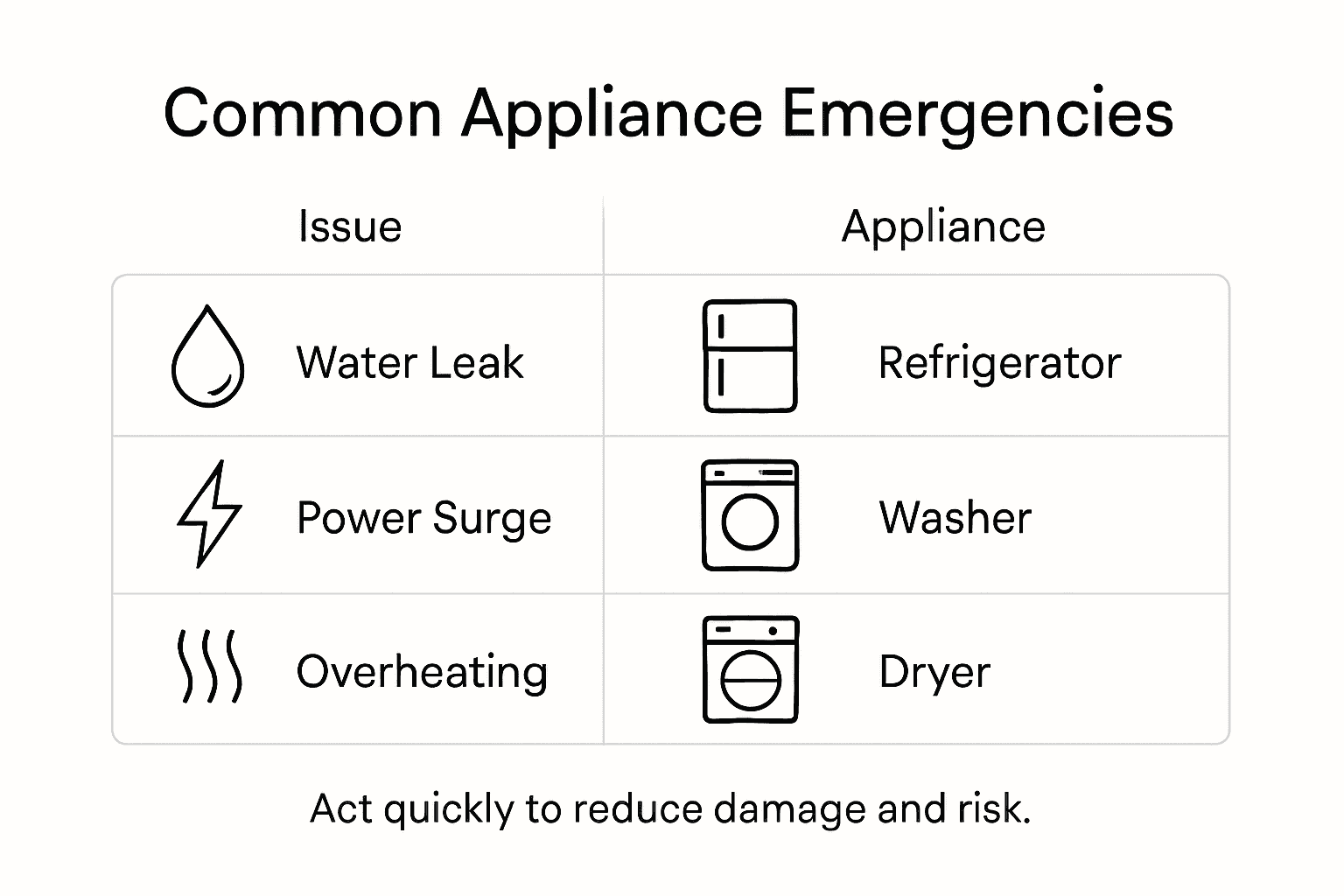
Other critical appliance crises include washing machine and dryer failures, which can range from complete operational shutdown to potential electrical hazards. Problems like failure to spin, unexpected water leakage, or burning electrical smells demand immediate attention to prevent property damage and ensure household safety.
Pro Tip: Maintain a list of emergency contact numbers for appliance repair services and always unplug electrical appliances if you suspect a serious malfunction.
Major Safety Hazards and Warning Signs
Home appliances can pose significant safety risks when not properly maintained or monitored. Home safety experts emphasize that recognizing potential hazards early can prevent catastrophic accidents and protect both property and lives. Understanding the warning signs of appliance malfunctions is crucial for New Jersey homeowners.
Critical safety hazards associated with household appliances include:
- Electrical Shock Risks: Exposed wiring, damaged cords, or faulty internal components
- Fire Hazards: Overloaded circuits, malfunctioning heating elements, or electrical short circuits
- Thermal Dangers: Overheating components, melting insulation, or unexpected temperature spikes
- Gas Appliance Threats: Potential gas leaks or improper ventilation
Warning signs that demand immediate attention include:
- Flickering lights when appliances operate
- Frequent circuit breaker trips
- Warm or discolored electrical outlets
- Burning electrical smells
- Visible sparks during appliance use
- Unusual sounds or vibrations from mechanical components
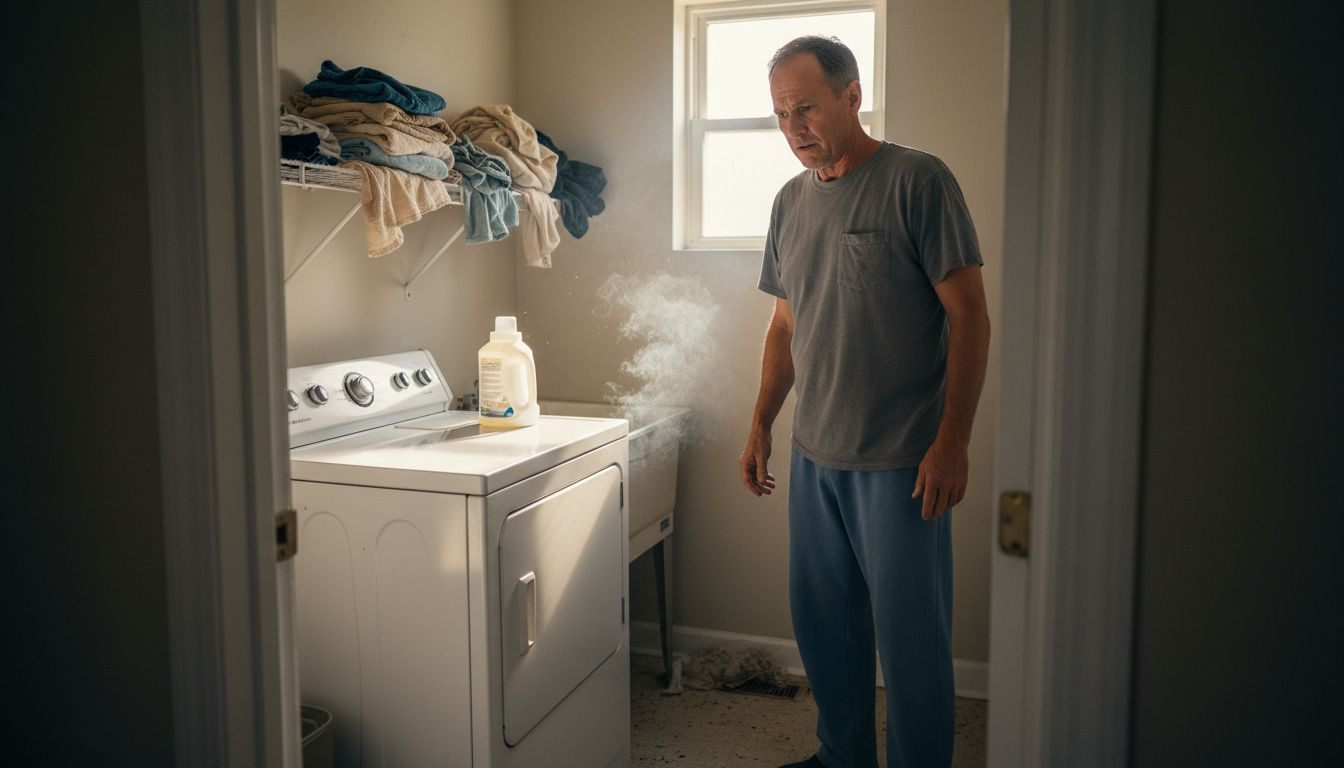
Electrical malfunctions can escalate quickly, transforming seemingly minor issues into life-threatening situations. Homeowners should never ignore persistent warning signs or attempt complex repairs without professional expertise. The potential for electrical shock, fire, or catastrophic system failure is too high to risk amateur intervention.
Pro Tip: Install smoke detectors near major appliances and keep a multipurpose fire extinguisher in an easily accessible location to quickly address potential emergencies.
Immediate Action Steps for Homeowners
When facing an appliance emergency, quick and strategic response can mean the difference between minor damage and a catastrophic incident. Home emergency preparedness guidelines emphasize the critical importance of having a clear action plan and knowing exactly what steps to take during unexpected appliance failures.
Immediate action steps for homeowners include:
- Assess the Immediate Danger
- Quickly evaluate whether the situation poses an electrical or fire risk
- Determine if immediate evacuation is necessary
- Check for visible signs of electrical sparking or smoke
- Disconnect Power Safely
- Turn off the appliance at its power source
- Unplug the device if it is safe to do so
- Shut off the circuit breaker if you detect any electrical anomalies
- Emergency Contact Protocol
- Call emergency services if there are signs of fire or significant risk
- Contact a professional appliance repair service immediately
- Notify your home insurance provider about the potential damage
Home fire preparedness experts recommend having a clear evacuation plan and avoiding attempts to retrieve belongings during potential fire situations. Always prioritize personal safety over property preservation.
Be prepared by maintaining a readily accessible emergency kit with essential supplies like flashlights, first aid materials, important documents, and emergency contact information. Understanding and practicing these immediate action steps can significantly reduce risks and potential damage during appliance emergencies.
Pro Tip: Create a laminated emergency action card with step-by-step instructions and keep it near major appliances for quick reference during stressful situations.
Legal and Consumer Protections in New Jersey
New Jersey homeowners have robust legal protections designed to safeguard their interests during appliance-related emergencies. Consumer protection agencies play a critical role in ensuring residents are protected from fraudulent practices and unsafe product conditions that could compromise household safety.
Key legal protections for New Jersey residents include:
-
Consumer Rights Enforcement
- Protection against deceptive appliance repair practices
- Mandatory safety standards for household appliances
- Dispute resolution mechanisms for faulty product claims
-
Emergency Management Support
- Coordinated response to utility and appliance-related emergencies
- Regulatory oversight of repair and replacement services
- Support for homeowners experiencing significant property damage
The New Jersey Office of Emergency Management provides comprehensive support by coordinating disaster preparedness and response efforts. This includes establishing guidelines for handling appliance emergencies, ensuring that consumers have clear pathways for seeking assistance and protection during critical incidents.
Homeowners should familiarize themselves with their rights, maintain documentation of appliance purchases and repairs, and understand the complaint procedures available through state consumer protection agencies. Keeping detailed records can significantly strengthen your position if disputes arise regarding appliance failures or repair services.
This summary table explains legal protections for New Jersey homeowners during appliance emergencies:
| Protection Type | What It Covers | How It Helps Homeowners |
|---|---|---|
| Consumer rights | Deceptive repairs, unsafe products | Ensures safe, fair service |
| Emergency management | Disaster coordination, rapid reporting | Provides fast emergency aid |
| Dispute resolution | Faulty repairs, insurance claims | Helps resolve conflicts |
Pro Tip: Keep a dedicated folder with appliance warranties, repair receipts, and manufacturer documentation to streamline any potential legal or insurance claims.
Fast and Reliable Solutions for Appliance Emergencies in New Jersey
Facing an unexpected appliance failure can quickly turn into a stressful emergency with risks like electrical hazards or water damage. The article highlights the urgent need for quick action when issues arise with major home appliances like refrigerators, washers, and dryers. If you notice warning signs such as sparking outlets, leaks, or unusual appliance sounds, time is of the essence to protect your home and safety.
Expert Appliance understands these challenges and offers trusted same-day and 24/7 emergency repair services in Marlboro and Monmouth County. With decades of experience and a family-owned commitment, we provide clear upfront pricing and professional care to restore your appliances fast. Learn more about our comprehensive appliance services by visiting our Appliance Archives – Expert Appliance and stay informed on best practices for appliance safety.
Don’t let an appliance emergency put your home at risk. Act now by reaching out to Expert Appliance for immediate expert help. Have peace of mind knowing reliable repairs are just a call away when you need them most. Explore our range of repair solutions or contact us today to schedule fast service and safeguard your household.
Frequently Asked Questions
What constitutes an appliance emergency?
An appliance emergency involves urgent situations that pose risks to safety or property, such as electrical malfunctions, water leakage, gas leaks, or complete operational failures of critical appliances.
How can I identify if an appliance issue is an emergency?
Look for warning signs like sparking outlets, burning smells, water pooling, or unusual noises. If any immediate safety risk is present, it is crucial to act quickly and contact a professional.
What steps should I take in case of an appliance emergency?
First, assess the immediate danger and disconnect power safely. Then, call emergency services if necessary, and reach out to a professional appliance repair service for urgent assistance.
What legal protections do I have during appliance emergencies?
New Jersey homeowners have protections against deceptive repair practices, safety standards for appliances, and support from consumer protection agencies for handling disputes, ensuring that you can seek assistance and protection during emergencies.