
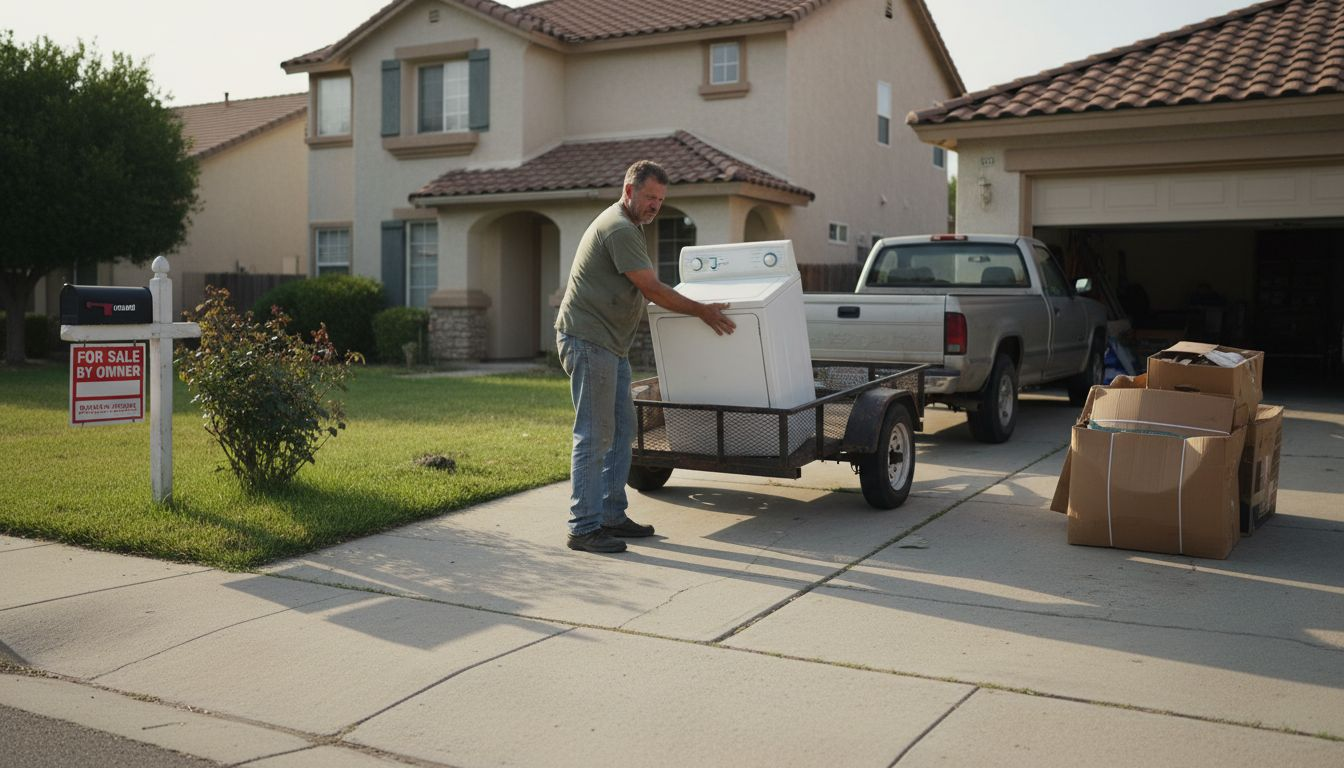
Most American households generate over a million tons of e-waste every year, yet many Marlboro homeowners are unsure what really happens when an appliance stops working. Suddenly, a broken refrigerator or washer is more than an inconvenience—it becomes an urgent decision about safe, responsible disposal. This guide cuts through the myths surrounding appliance recycling and reveals how simple, environmentally friendly solutions can keep dangerous materials out of landfills while offering peace of mind for your family and community.
Table of Contents
- Defining Appliance Recycling And Common Myths
- Types Of Appliances Eligible For Recycling
- How The Appliance Recycling Process Works
- Legal And Environmental Rules In New Jersey
- Risks, Fees, And Safer Alternatives
Key Takeaways
| Point | Details |
|---|---|
| Importance of Appliance Recycling | Appliance recycling minimizes environmental contamination and conserves resources by recovering valuable materials. |
| Common Myths Addressed | Many homeowners believe recycling is too difficult or meaningless, but each appliance contributes to sustainability efforts. |
| Eligible Appliances | A variety of common household appliances, including refrigerators and computers, can be responsibly recycled. |
| Legal Regulations | New Jersey enforces strict recycling laws to ensure safe disposal and promote environmental responsibility for residents. |
Defining Appliance Recycling and Common Myths
Appliance recycling represents a critical environmental strategy for Marlboro homeowners seeking responsible disposal of outdated household equipment. Appliance recycling involves systematically dismantling scrapped home appliances to recover valuable materials and components while preventing environmental contamination.
The process is more complex than simply throwing away old refrigerators or washing machines. Professional recycling facilities carefully disassemble appliances, removing hazardous components like refrigerants and electrical systems before sorting materials such as metals, plastics, and electronic parts for potential reuse. Recycling saves significant energy across material recovery processes, with some materials like aluminum requiring up to 95% less energy to recycle compared to creating new products from raw materials.
Common myths about appliance recycling often discourage homeowners from participating in these environmentally responsible practices. Many residents incorrectly believe that recycling requires too much effort, won’t make a meaningful difference, or that their single appliance cannot impact broader environmental sustainability. In reality, proper recycling prevents toxic materials from entering landfills, reduces manufacturing energy consumption, and supports a circular economy where resources are continuously repurposed.
Pro Tip: Before recycling any appliance, remove personal data from smart devices and check with local Marlboro recycling centers about their specific acceptance guidelines and potential pickup services.
Types of Appliances Eligible for Recycling
Homeowners in Marlboro have numerous opportunities to responsibly recycle household appliances, with a wide range of electronic and electrical equipment qualifying for environmentally friendly disposal. Waste Electrical and Electronic Equipment (WEEE) encompasses multiple appliance categories that can be systematically processed to recover valuable materials and prevent environmental contamination.
The most common appliances eligible for recycling include large home systems and personal electronics. These typically involve:
- Refrigerators and freezers
- Washing machines and dryers
- Televisions and computer monitors
- Desktop and laptop computers
- Air conditioning units
- Small kitchen appliances like microwaves, toasters, and coffee makers
- Cellular phones and tablets
- Audio and video entertainment systems
Each appliance type requires specialized recycling techniques to safely extract reusable components and manage potentially hazardous materials. Common appliances eligible for recycling include various electronic devices that contain valuable metals like copper, aluminum, and rare earth elements. Professional recycling facilities carefully disassemble these items, separating plastics, metals, and electronic components to maximize material recovery and minimize environmental impact.
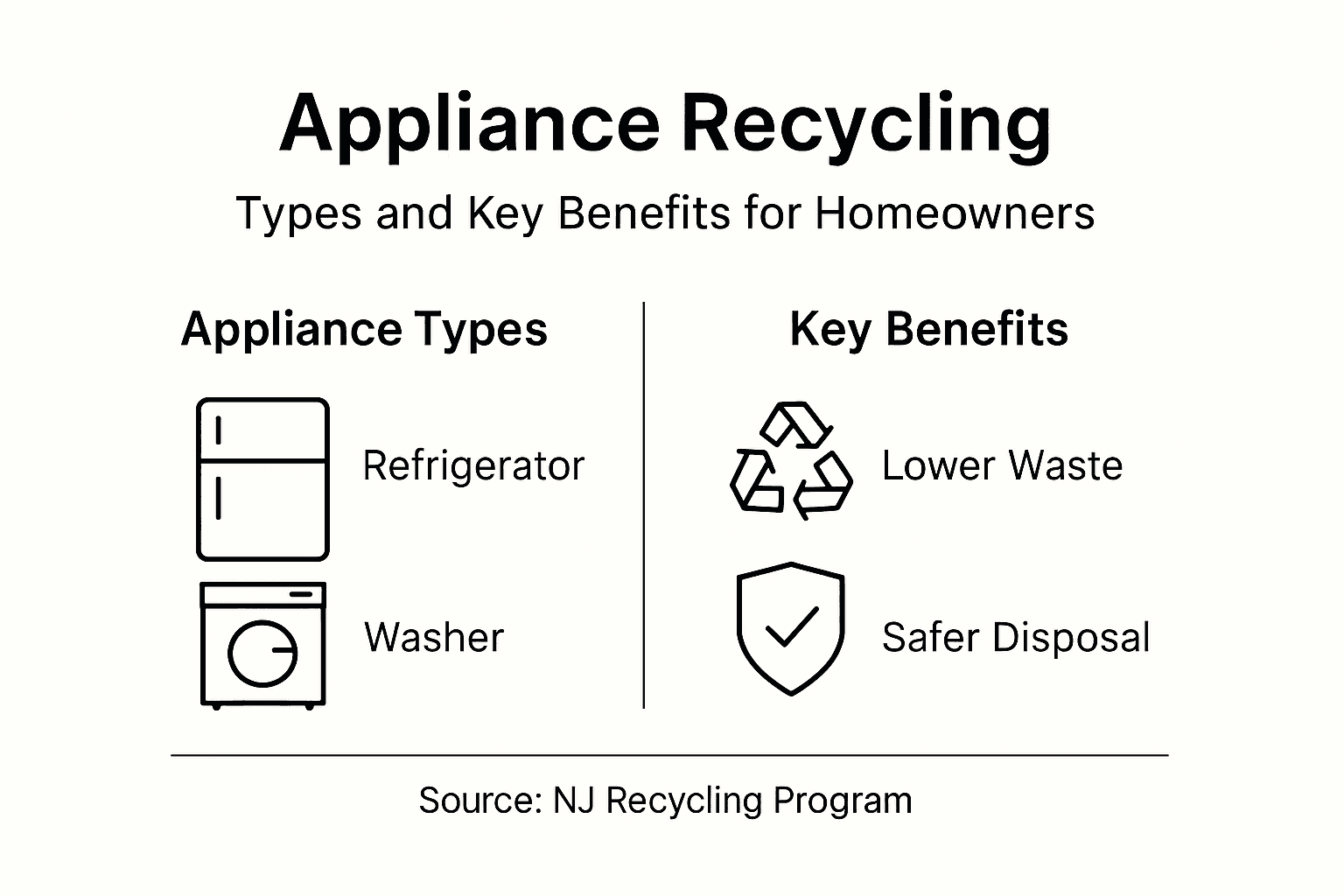
Here’s a comparison of common household appliances and their unique recycling considerations:
| Appliance Type | Special Recycling Steps | Common Hazardous Materials |
|---|---|---|
| Refrigerator/Freezer | Remove refrigerants, manage insulation | CFCs, foams |
| Washing Machine/Dryer | Disassemble motors, separate metals | Minimal (some wiring) |
| Computer/Monitor | Extract circuit boards, recover metals | Lead, mercury |
| Air Conditioner | Drain coolants, separate metals | Refrigerant gases |
| Small Kitchen Devices | Remove batteries, process plastics | Batteries (some models) |
Pro Tip: Before dropping off appliances for recycling, remove personal data from electronic devices and check with local Marlboro recycling centers about specific preparation requirements for different appliance types.
How the Appliance Recycling Process Works
Appliance recycling involves a systematic multistep process designed to safely dismantle and recover valuable materials from old household equipment. Professional recycling facilities carefully deconstruct appliances to minimize environmental impact while maximizing material recovery, ensuring that potentially hazardous components are handled responsibly.
The recycling process typically follows these key stages:
- Initial Assessment and Preparation
- Inspecting the appliance’s condition
- Removing personal data from electronic devices
- Checking for any hazardous materials
- Dismantling and Component Separation
- Safely removing refrigerants and toxic substances
- Extracting valuable metal components
- Separating plastics, glass, and electronic parts
- Material Processing
- Using electromagnets to separate ferrous metals
- Applying specialized sorting techniques for non-metallic materials
- Compacting recovered materials for industrial reuse
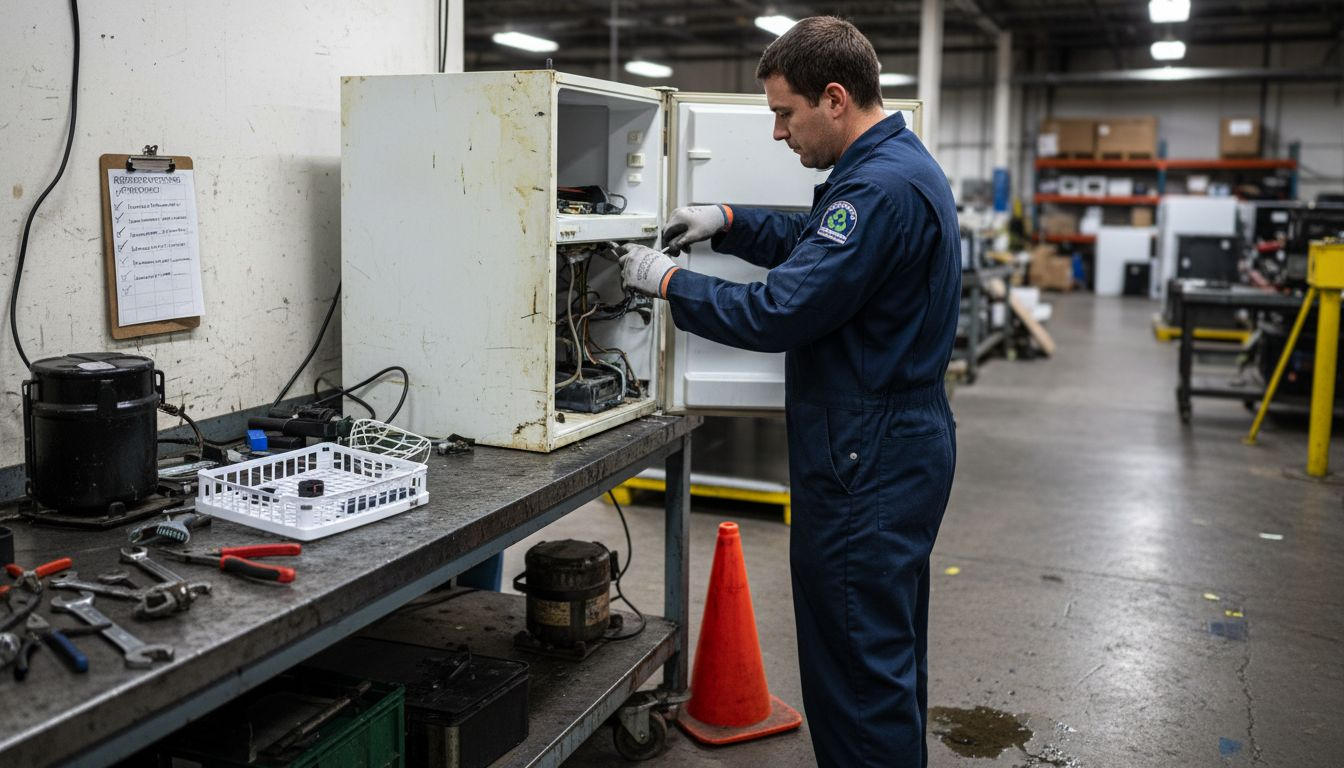
Refrigerator recycling requires additional specialized handling to address unique challenges like refrigerant extraction and insulation material management. Each appliance type presents distinct recycling requirements, with professional facilities employing advanced technologies to efficiently process different electronic and mechanical systems.
Pro Tip: Contact your local Marlboro recycling center in advance to understand their specific preparation requirements and ensure a smooth appliance recycling experience.
Legal and Environmental Rules in New Jersey
New Jersey enforces comprehensive recycling regulations designed to protect the environment and promote responsible waste management. The state has implemented several key legislative measures that directly impact how Marlboro homeowners and businesses handle appliance disposal and recycling, creating a robust framework for environmental sustainability.
Key legal requirements for appliance recycling in New Jersey include:
- Mandatory Source Separation Act: Requires residents to separate recyclable materials from general waste
- Electronic Waste Management Act: Establishes specific guidelines for electronic device disposal
- Manufacturer responsibility for creating safe recycling pathways
- Compliance with federal and state environmental protection standards
The New Jersey Electronic Waste Management program provides free recycling options for residents, enabling convenient disposal of electronic devices at approved collection sites. Manufacturers must ensure their products can be responsibly recycled, with the New Jersey Department of Environmental Protection (NJDEP) actively overseeing enforcement and educational initiatives to promote proper waste management practices.
Pro Tip: Contact your local Marlboro municipal office or visit the NJDEP website to confirm the most current recycling guidelines and approved collection locations for electronic waste and large appliances.
Risks, Fees, and Safer Alternatives
Appliance recycling involves significant environmental and health considerations that Marlboro homeowners must carefully understand before disposing of electronic equipment. Potential risks include exposure to hazardous materials like mercury, lead, and toxic refrigerants that can cause serious environmental and personal health complications if not managed professionally.
Key risks and potential costs associated with appliance recycling include:
-
Environmental Risks:
- Toxic chemical leakage into soil and groundwater
- Potential air pollution from improper disposal
- Release of harmful greenhouse gases
-
Financial Considerations:
- Potential drop-off or pickup fees at recycling facilities
- Costs associated with professional dismantling
- Potential transportation expenses
Informal e-waste recycling poses substantial environmental dangers worldwide, with only a small percentage of electronic waste being processed through regulated channels. Safer alternatives include:
To help homeowners understand their choices, here’s a summary of safer appliance recycling alternatives:
| Alternative Method | Environmental Benefit | Who Can Use It |
|---|---|---|
| Certified Recycling Center | Ensures safe material handling | All residents |
| Manufacturer Take-Back | Promotes product stewardship | Appliance purchasers |
| Electronics Collection Event | Community-based, convenient | Local households |
| Charity Donation | Extends appliance lifespan | Functional devices owners |
- Manufacturer take-back programs
- Certified local recycling centers
- Community electronics collection events
- Donating functional appliances to local charities
Pro Tip: Research multiple local recycling options and compare their fees, environmental certifications, and disposal practices to ensure responsible and cost-effective appliance recycling.
Keep Your Marlboro Home Appliances Running and Ready for Recycling
Appliance recycling is a smart choice for environmentally conscious Marlboro homeowners who want to reduce waste and protect the planet. However, before you decide to recycle or replace your appliance, consider expert repair services that can extend its lifespan and delay disposal. At Expert Appliance Repair, we understand the importance of maintaining your essential household equipment like refrigerators, washers, and dryers to avoid unnecessary recycling and waste.
Explore reliable repair solutions in our Appliance Archives to keep your machines efficient and safe. Our family-owned company offers fast same-day service and 24/7 emergency support in Marlboro, NJ, making it easier to manage appliance issues without rushing to recycle. When repairs no longer make sense, trust our guidance on responsible appliance handling and learn more at Expert Appliance Repair. Take action now to protect your home and the environment with trusted local service you can count on.
Frequently Asked Questions
What is appliance recycling?
Appliance recycling involves systematically dismantling old household equipment to recover valuable materials and components while preventing environmental contamination.
What types of appliances can be recycled?
Common appliances eligible for recycling include refrigerators, washing machines, televisions, computers, air conditioning units, and small kitchen devices like microwaves and toasters.
How does the appliance recycling process work?
The recycling process typically involves an initial assessment, dismantling and component separation, followed by material processing to recover metals, plastics, and other recyclable materials safely.
Why is it important to recycle appliances?
Recycling prevents hazardous materials from entering landfills, reduces energy consumption in manufacturing, and supports a circular economy by repurposing resources.
Recommended
- Why Schedule Regular Appliance Service in Marlboro – Expert Appliance
- Why Appliance Brands Matter for Marlboro Homes – Expert Appliance
- 7 Key Benefits of Appliance Repair for NJ Homeowners – Expert Appliance
- What Is Appliance Maintenance? Complete Guide for NJ Homes – Expert Appliance
- 7 najważniejszych korzyści sprzątania bez chemii w domu