
Appliance repairs in Monmouth County, NJ can run hundreds of dollars per visit, and the worst part is that most breakdowns are completely avoidable. Routine maintenance reduces repairs by 50% over five years, which means every homeowner and small business owner in the area has a real financial incentive to follow a consistent care schedule. This article pulls together expert-backed best practices for the appliances you rely on most, with specific adjustments for Monmouth County’s hard water, humidity, and seasonal weather patterns. Whether you’re managing a busy household in Marlboro or running a small business nearby, these routines will save you money and stress.
Table of Contents
- Clean and maintain refrigerators: Maximizing efficiency and life span
- Washer and dryer care: Preventing mold, odors, and fire risk
- Dishwasher and oven maintenance: Deep cleaning for optimal performance
- Adapting care routines for Monmouth County homes and businesses
- The long-term value: Safe, reliable, and longer-lasting appliances
- Our take: Why consistent care beats costly repairs every time
- Get professional appliance care in Monmouth County
- Frequently asked questions
Key Takeaways
| Point | Details |
|---|---|
| Clean regularly | Routine maintenance like coil and filter cleaning dramatically extends appliance life and saves on bills. |
| Adapt for Monmouth County | Local water and humidity conditions mean more frequent care is needed than the national average. |
| Safety first | Unplug appliances before deep cleaning and inspect hoses or cords to prevent hazards. |
| Professional help matters | Annual or quarterly service from experts reduces expensive repairs, especially for small businesses. |
| Consistent routines | Setting reminders for simple tasks reduces emergencies and keeps your appliances running longer. |
Clean and maintain refrigerators: Maximizing efficiency and life span
Preventing refrigerator repair is easier than you think. Let’s start with expert cleaning routines that make a measurable difference.
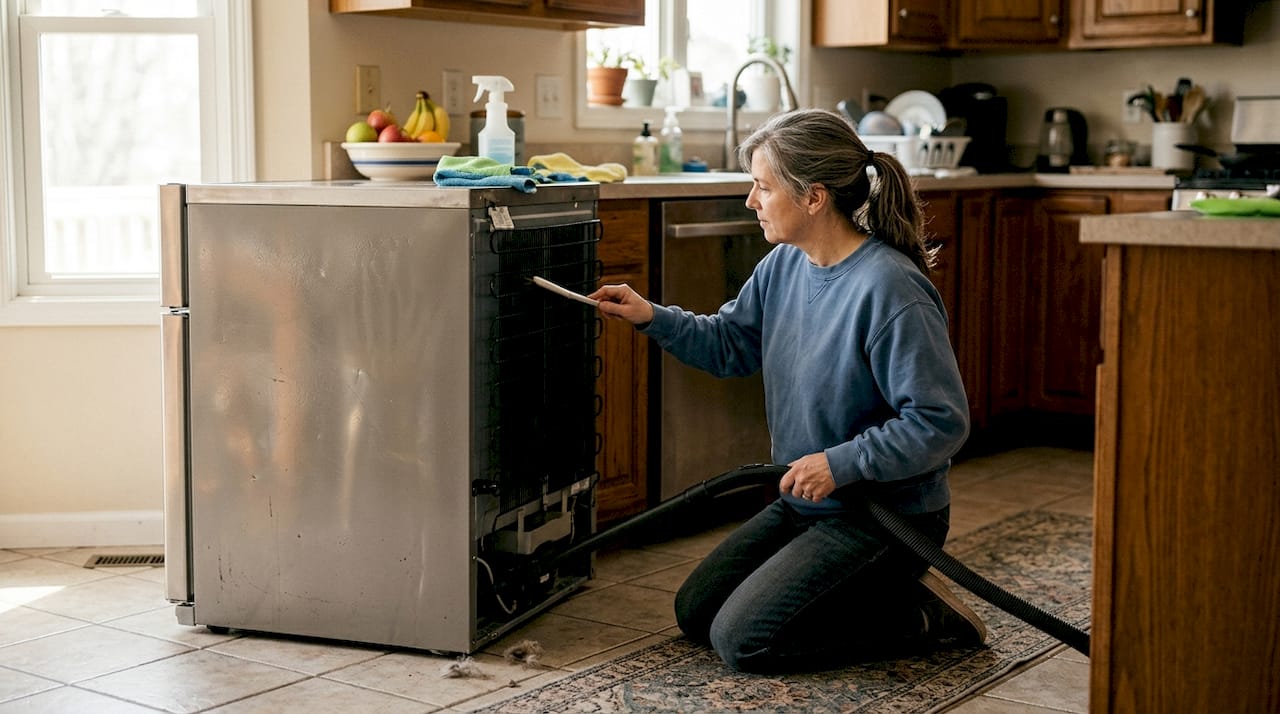
Your refrigerator runs 24 hours a day, seven days a week, and the condenser coils sitting underneath or behind the unit are doing a lot of that heavy lifting. When those coils get clogged with dust, pet hair, or debris, the compressor has to work harder, your energy bill climbs, and the appliance ages faster. Cleaning condenser coils every 3 to 6 months improves energy efficiency by up to 30% and extends the lifespan of the unit. If you have pets or live in a dusty home, quarterly cleaning is the smarter choice.
Monmouth County’s humidity adds another layer of concern. Moisture in the air can accelerate dust and debris buildup on coils, and it also puts stress on door gaskets over time. Wipe down door gaskets monthly with a damp cloth and check for cracks or gaps that let cold air escape. A gasket that doesn’t seal properly forces your refrigerator to run longer cycles, which shortens its life.
Here are the key refrigerator maintenance tasks to stay on top of:
- Vacuum condenser coils every 3 to 6 months (quarterly for pet owners)
- Wipe door gaskets monthly and inspect for wear
- Organize the interior to allow proper air circulation
- Check the drip pan under the unit twice a year
- Review your appliance maintenance tips for model-specific guidance
Pro Tip: Set a recurring quarterly reminder on your phone labeled “fridge coil clean” so it never slips through the cracks. Pair it with a quick review of your maintenance schedule tips to keep all your appliances on track at once.
Avoid common appliance mishaps by always consulting your manufacturer manual before using any cleaning product on interior surfaces. Some finishes scratch easily, and certain chemical sprays can damage plastic shelving or rubber seals.
Washer and dryer care: Preventing mold, odors, and fire risk
After tackling refrigerators, next on your list should be laundry appliances. Regular care here matters even more than most people realize.
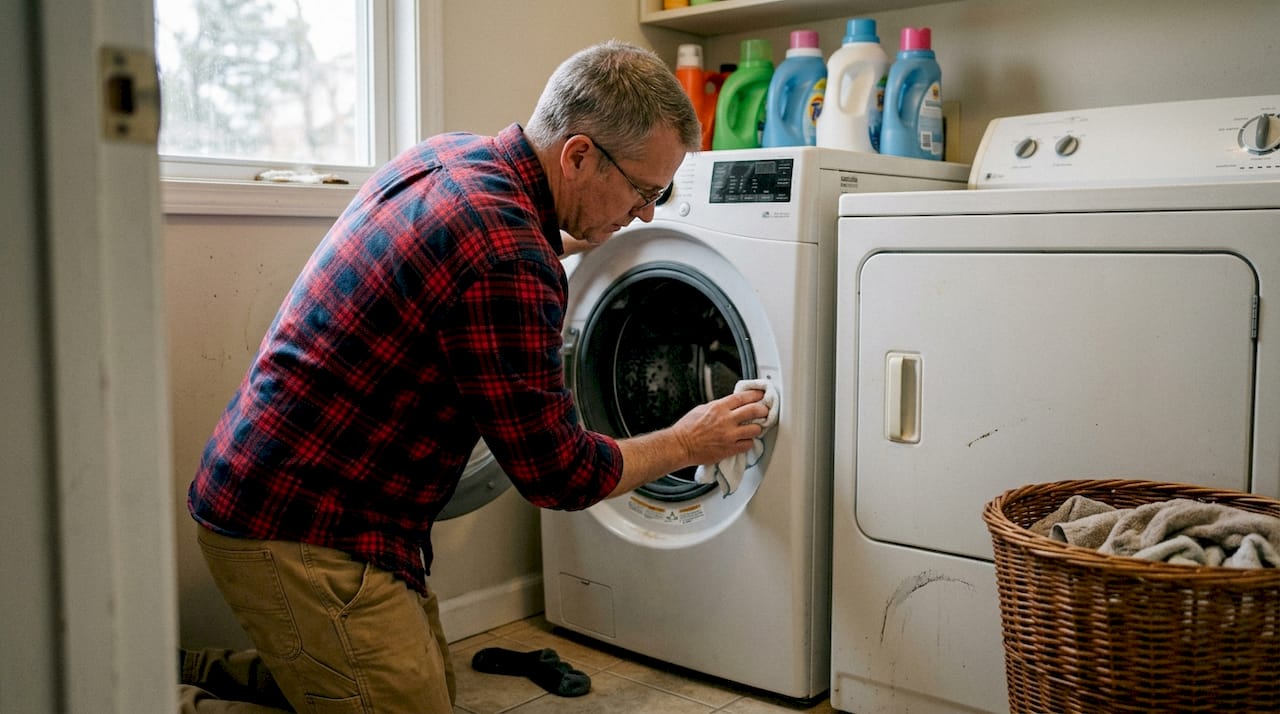
Front-load washers are notorious for mold and mildew buildup along the door seal, and top-loaders aren’t immune either. Cleaning your washing machine monthly using Affresh tablets or a hot bleach cycle prevents mold, odors, and residue buildup that can transfer to your clothes. After every single load, leave the door open for at least an hour to let moisture escape. This one habit alone dramatically cuts down on musty smells.
Dryers carry a more serious risk. Clogged dryer vents cause roughly 15,000 house fires across the US every year. Cleaning the lint trap after every load and annually cleaning the vent significantly reduces that fire risk. Professional vent cleaning is worth scheduling once a year, especially if your dryer duct runs a long distance or makes sharp turns inside your wall.
Here’s a step-by-step routine to follow:
- Clean the lint trap after every single dryer load
- Run a monthly deep clean cycle on your washer
- Leave the washer door open after each use to dry out
- Inspect hoses and power cords every five years and replace if cracked
- Schedule a professional dryer vent cleaning annually
A clogged dryer vent doesn’t just waste energy. It’s one of the leading causes of residential fires in the US, and it’s entirely preventable with a simple annual cleaning.
For more detail on what to watch for, the prevent mold and odors guide from Affresh covers washer-specific care in depth. You can also browse our washer and dryer repair tips for local service guidance.
Pro Tip: If you run a small business with commercial laundry machines, increase your cleaning frequency to every two weeks. Heavy use accelerates buildup and wear faster than residential schedules can handle.
Dishwasher and oven maintenance: Deep cleaning for optimal performance
Once the laundry area is squared away, focusing on kitchen workhorses like dishwashers and ovens ensures hygiene and peak performance.
Monmouth County’s hard water is a real challenge for dishwashers. Mineral deposits build up inside the spray arms and along the filter, reducing cleaning power and eventually causing damage. Cleaning the dishwasher filter weekly or monthly and running a monthly vinegar rinse cycle keeps buildup in check. Pull out the spray arms every few months and check for clogged holes. A toothpick clears those blockages in seconds.
For ovens, the self-clean cycle is your best friend. Running the self-clean feature every 3 to 6 months and inspecting door seals annually keeps the oven running efficiently and safely. Avoid abrasive cleaners on glass cooktops since they scratch the surface and can weaken it over time. Always check manufacturer instructions before using any cleaning product.
| Appliance | Task | Frequency |
|---|---|---|
| Dishwasher | Clean filter | Weekly to monthly |
| Dishwasher | Vinegar rinse cycle | Monthly |
| Dishwasher | Inspect spray arms | Every 3 months |
| Oven | Self-clean cycle | Every 3 to 6 months |
| Oven | Inspect door seals | Annually |
| Oven | Clean glass cooktop | As needed, no abrasives |
Key dishwasher and oven care habits:
- Remove and rinse the dishwasher filter regularly
- Check spray arm holes for mineral clogs
- Use a dishwasher maintenance workflow to stay organized
- Run oven self-clean when buildup is visible but before it becomes excessive
- Review your appliance maintenance checklist to track all tasks
Pro Tip: Pick one Saturday each quarter and knock out deep cleaning for all major kitchen appliances at once. Batching the work takes less than two hours and keeps everything running smoothly year-round.
Adapting care routines for Monmouth County homes and businesses
While general best practices are important, Monmouth County’s unique environment means local homeowners and businesses should go a step further.
Hard water is widespread across Monmouth County, and it shortens appliance life faster than most people expect. Calcium and magnesium deposits coat heating elements, clog filters, and reduce water flow in dishwashers and washing machines. Monthly vinegar rinses and inspections every 4 months are recommended for local homes, compared to the national standard of every six months. That difference adds up to significantly less wear over time.
Monmouth’s humid summers and coastal storm patterns also accelerate corrosion on hoses, electrical cords, and connectors. Inspect these components every four months rather than waiting for an obvious problem. A cracked hose on a washing machine can flood a laundry room fast, and the water damage repair bill will dwarf any appliance service cost.
| Scenario | National standard | Monmouth County recommendation |
|---|---|---|
| Coil and filter cleaning | Every 6 months | Every 3 to 4 months |
| Descaling rinse | Every 3 months | Monthly |
| Hose and cord inspection | Every 6 months | Every 4 months |
| Professional inspection | Annually | Annually, plus after major storms |
For small businesses, the stakes are even higher. Annual professional inspections and quarterly checks on commercial units are the baseline for heavy-use environments. A restaurant or laundromat running machines multiple times per day needs a tighter schedule than a single-family home.
Useful local resources:
- Follow the business appliance maintenance guide for commercial-specific schedules
- Use the smart appliance tips NJ guide for connected appliance care
- Reference Whirlpool’s maintenance checklist as a general seasonal baseline
Pro Tip: Adjust your routine each spring and fall. Monmouth’s summer heat and humidity spike wear on refrigerators and air-cooled appliances, while fall storms can cause power fluctuations that stress motors and electronics.
The long-term value: Safe, reliable, and longer-lasting appliances
After outlining each care routine, here’s what it means for your wallet and peace of mind in the long run.
The numbers are hard to argue with. Routine maintenance reduces major repairs by 50% over five years, and well-maintained appliances last 8 to 15 years depending on the type. Refrigerators routinely hit the 13 to 15 year mark with proper care. Dishwashers can stretch to 10 to 12 years. Without regular maintenance, those same appliances often fail well before the 8-year mark.
Safety is the other major benefit that doesn’t get enough attention. Inspecting cords and hoses catches problems before they become fires or floods. Running clean appliances means no mold or bacteria transferring to your food or laundry. These aren’t minor quality-of-life improvements. They’re real protections for your family or your customers.
Here’s what consistent maintenance delivers:
- Fewer breakdowns and emergency repair calls
- Lower monthly energy bills from efficient operation
- A safer home or business environment
- Longer appliance lifespan with predictable replacement timelines
- Higher resale value if you sell your home
Key stat: Cleaning refrigerator coils alone can cut energy use by up to 30%, which adds up to real savings on your utility bill every single month. Explore the appliance service benefits and learn how to prevent costly repairs with a structured approach. The cut repairs by 50% guide offers a complete breakdown of what consistent care looks like in practice.
| Appliance | Average lifespan with care | Without regular maintenance |
|---|---|---|
| Refrigerator | 13 to 15 years | Under 10 years |
| Dishwasher | 10 to 12 years | 6 to 8 years |
| Washer/Dryer | 10 to 13 years | 7 to 9 years |
| Oven/Range | 15 to 17 years | 10 to 12 years |
Our take: Why consistent care beats costly repairs every time
Here’s something we’ve seen over and over again in our 35-plus years serving Monmouth County: the appliances that fail dramatically almost never fail without warning. There’s always a clogged coil, a cracked hose, or a filter that hasn’t been touched in three years sitting at the root of the problem. The homeowner just didn’t know to look.
Most people focus on buying better appliances when the real game-changer is simply maintaining the ones they already have. A mid-range refrigerator with quarterly coil cleanings will outlast an expensive model that’s never been serviced. That’s not an opinion. That’s what we see on service calls.
For families with pets or dusty homes, increasing coil and filter cleaning frequency is not optional. It’s the difference between a 12-year appliance and a 7-year one. Small businesses face even higher stakes because heavy use compresses the damage timeline significantly.
If you take nothing else from this article, set three reminders right now: one for coils, one for filters, and one for hoses. Check the professional repair benefits when something feels off. Consistency beats every shortcut.
Get professional appliance care in Monmouth County
Building a solid care routine at home is the foundation, but some jobs genuinely benefit from a trained set of eyes. Dryer vent cleaning, refrigerator diagnostics, and hose inspections are faster and more thorough when handled by a professional who knows what to look for.
At Expert Appliance Repair, we’ve been serving Marlboro and Monmouth County since 1988. Our team offers scheduled maintenance visits, same-day repair service, and 24/7 emergency support so you’re never left waiting. Review our maintenance tips and download the maintenance checklist to track your routines. Small business owners can get started with our business maintenance guide built specifically for Monmouth County commercial needs. Schedule an inspection today before a small issue becomes a big bill.
Frequently asked questions
How often should I clean my refrigerator coils in Monmouth County, NJ?
Clean refrigerator coils every 3 to 6 months, but quarterly is the better choice if you have pets or high dust levels. Coil cleaning every 3 to 6 months improves energy efficiency by up to 30% and extends the unit’s lifespan.
Why does Monmouth County’s hard water impact appliance care routines?
Hard water deposits calcium and magnesium inside appliances, reducing efficiency and causing damage over time. Hard water and humidity in Monmouth County require monthly descaling rinses and inspections every four months rather than the national six-month standard.
How do I reduce fire risk from my dryer?
Clean the lint trap after every single load and have the vent professionally cleaned once a year. Annual vent cleaning is the most effective step you can take to prevent dryer-related fires at home.
How much longer will my appliances last with regular maintenance?
Most appliances last 8 to 15 years with proper care, which is significantly longer than neglected units. Routine maintenance cuts major repairs by 50% over five years and keeps appliances running well past their average replacement age.
Should small businesses follow different appliance care routines?
Yes, small businesses should schedule annual professional inspections and increase cleaning frequency for heavily used equipment. Heavy commercial use demands quarterly checks on commercial units to prevent breakdowns during peak business hours.