
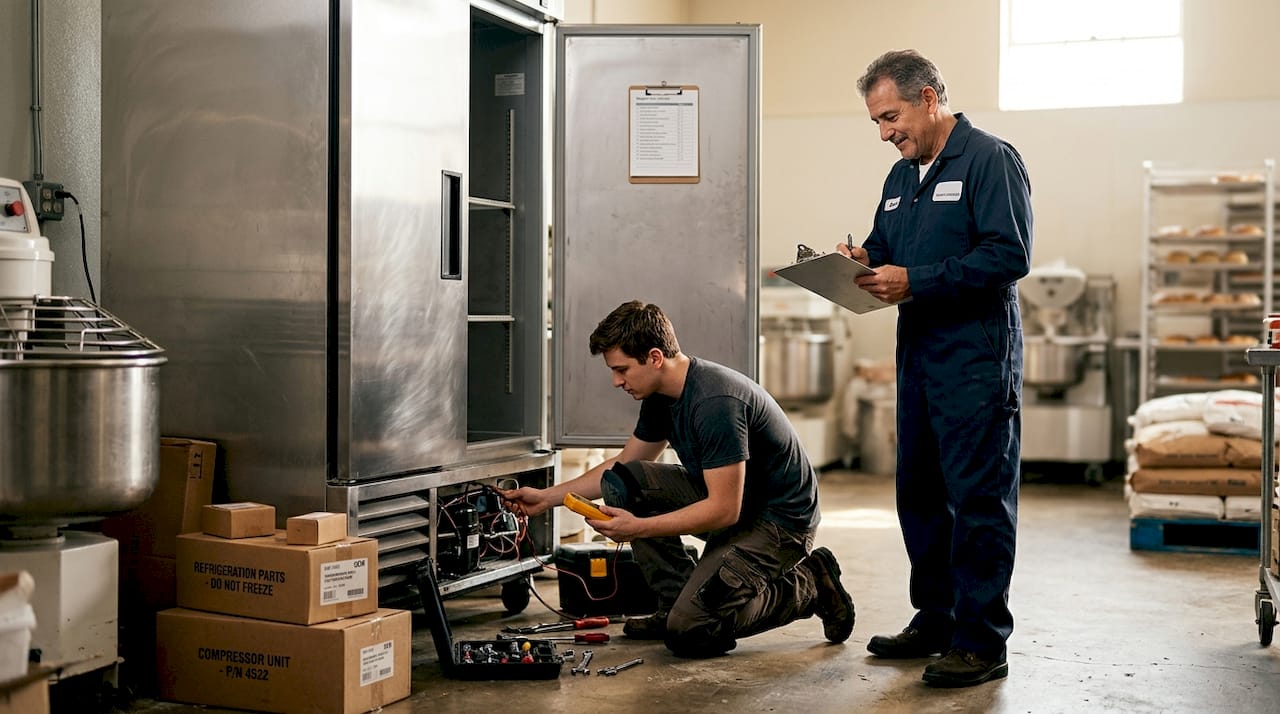
When your refrigerator stops cooling or your dishwasher floods the floor, daily routines grind to a halt. For Monmouth County homeowners and small business owners, appliance failures mean lost productivity, spoiled inventory, and disrupted operations. This guide walks you through the complete appliance repair process, from safety protocols and diagnosis to deciding when repair beats replacement. You’ll learn troubleshooting techniques that resolve 60% of common failures, maintenance strategies that cut emergencies in half, and how same-day repair services restore your essential appliances quickly.
Table of Contents
- Understanding The Appliance Repair Process: Step-By-Step Guidance
- When To Repair Or Replace: Cost, Age, And Efficiency Considerations
- Troubleshooting Common Appliance Issues And Quick Fixes
- Preventive Maintenance Tips To Extend Appliance Life And Avoid Emergencies
- Why Trust Expert Appliance For Your Monmouth County Repairs
Key takeaways
| Point | Details |
|---|---|
| Standard repair workflow | Safety checks, symptom diagnosis, OEM parts sourcing, component replacement, and thorough testing ensure reliable fixes. |
| Cost-benefit decision rule | Repair when cost stays under 50% of replacement price and appliance has not exceeded two-thirds of expected lifespan. |
| Troubleshooting resolves most issues | Basic checks of power, connections, and filters fix about 60% of appliance problems before professional help is needed. |
| Preventive maintenance cuts emergencies | Quarterly or monthly inspections reduce emergency breakdowns by 50% and extend appliance life significantly. |
Understanding the appliance repair process: step-by-step guidance
Successful appliance repair follows a structured methodology that prioritizes safety, accurate diagnosis, and quality parts. Skipping steps leads to incomplete fixes or safety hazards. Here’s the proven workflow professionals use.
Start every repair by disconnecting power. Unplug the appliance or switch off the circuit breaker. For gas appliances, shut off the gas supply valve. Water-connected units like dishwashers and washing machines require closing the water supply lines. These precautions prevent electrical shock, gas leaks, and flooding during repairs.
Observe symptoms carefully before disassembly. Note unusual noises, error codes, temperature fluctuations, or leaks. Check simple causes first: verify the outlet works, inspect power cords for damage, and confirm water hoses are connected. Many service calls resolve with these basic checks, saving time and money.
Use diagnostic tools for precision. A multimeter tests electrical components like heating elements, thermostats, and motors for continuity and proper voltage. Appliance manuals provide wiring diagrams and component specifications. When you diagnose appliances systematically, you pinpoint the exact faulty part instead of guessing.
Source genuine OEM parts for reliability. Aftermarket components may fit but often fail prematurely or void warranties. OEM parts match original specifications, ensuring safety and performance. Order parts using your appliance’s model number, which appears on the rating plate inside or behind the unit.
Follow this repair sequence:
- Document the appliance’s condition with photos before disassembly
- Remove panels and components in reverse order of assembly
- Replace the faulty part, checking for proper fit and secure connections
- Reassemble carefully, ensuring all fasteners and clips are tight
- Reconnect power, water, or gas supplies
- Run test cycles to verify the repair resolved the issue
Test thoroughly before returning the appliance to service. Run a complete cycle, monitor for leaks, listen for abnormal sounds, and verify proper temperatures. This appliance service workflow catches secondary issues before they cause new problems.
Pro Tip: Keep a repair log noting symptoms, parts replaced, and test results. This record helps troubleshoot future issues and tracks appliance history for repair versus replacement decisions.
When to repair or replace: cost, age, and efficiency considerations
Deciding between repair and replacement requires analyzing cost, remaining lifespan, and operational efficiency. Smart decisions save money and prevent throwing away fixable appliances.

Apply the 50% cost rule: repair if the cost stays under half the replacement price. A $200 repair on a $1,000 refrigerator makes financial sense. A $600 repair on the same unit suggests replacement, especially if the appliance is older.
Consider the two-thirds lifespan threshold. Most appliances last 10 to 15 years depending on type and usage. If your unit has exceeded two-thirds of its expected life and needs major repairs, replacement often delivers better long-term value. A 12-year-old washer with a blown motor likely faces additional failures soon.
Energy efficiency influences the calculation. Older appliances consume significantly more electricity and water than modern Energy Star models. Monthly utility savings from a new efficient unit can offset the purchase price over time. Calculate your current appliance’s operating cost versus a replacement to see the payback period.
Preventive maintenance reduces emergencies by 50%, making repair more viable. Regular cleaning, inspections, and minor adjustments catch problems before they become catastrophic failures. Small businesses benefit especially from scheduled maintenance to avoid costly downtime during peak hours.
Key factors favoring repair:
- Repair cost under 50% of replacement price
- Appliance age under two-thirds of expected lifespan
- Single component failure rather than multiple system issues
- Recent previous repairs still under warranty
- High-quality brand with good parts availability
Key factors favoring replacement:
- Frequent breakdowns requiring multiple service calls
- Obsolete parts that are expensive or hard to find
- Safety concerns like gas leaks or electrical shorts
- Energy costs significantly higher than modern models
- Appliance no longer meets your capacity needs
Small business owners should weigh downtime costs heavily. A failed commercial refrigerator can spoil thousands of dollars in inventory. In these cases, even a costly repair that restores service within hours beats waiting days for a replacement delivery and installation. Understanding appliance upgrades vs repairs helps you make informed decisions aligned with your operational needs.
Troubleshooting common appliance issues and quick fixes
Systematic troubleshooting resolves 60% of appliance failures without professional help. Learning these techniques saves service call fees and gets appliances running faster.
Start with power and connections. Check that the appliance is plugged in securely and the outlet works by testing with another device. Inspect the circuit breaker for trips and reset if needed. Examine power cords for fraying or damage. These simple checks fix many no-power complaints.
Address water and drainage issues next. Washing machines and dishwashers often fail due to kinked supply hoses or clogged drain lines. Disconnect hoses, flush them with water, and check for blockages. Clean lint filters in dryers and washing machines monthly to maintain proper airflow and drainage.
Refrigerators and freezers frequently suffer from airflow problems, not compressor failure. Dirty condenser coils reduce cooling efficiency and force the compressor to run constantly. Vacuum coils every three months. Check door seals for gaps that let cold air escape. Verify the unit is level so doors close properly.
Compressor issues are often misdiagnosed. Most cooling problems stem from refrigerant leaks, faulty valves, or blocked expansion devices rather than compressor failure. If your refrigerator runs but doesn’t cool, check for ice buildup on evaporator coils or listen for the compressor cycling on and off rapidly.
| Symptom | Common Cause | Quick Fix |
| — | — |
| No power | Tripped breaker or loose plug | Reset breaker, secure connection |
| Poor cooling | Dirty condenser coils | Vacuum coils, check door seals |
| Water leaks | Clogged drain line | Clear drain tube with wire or flush |
| Excessive noise | Loose components or worn bearings | Tighten panels, lubricate moving parts |
| Won’t start | Faulty door switch or lid lock | Test switch with multimeter, replace if needed |
Use diagnostic tools to confirm faults. A multimeter reveals whether heating elements, thermostats, and motors have proper electrical continuity. Test voltage at outlets to ensure adequate power supply. When you troubleshoot appliances methodically, you avoid replacing good parts.
Know when to call professionals. Gas appliance repairs, refrigerant system work, and complex electronic control boards require specialized tools and certification. Attempting these repairs without training creates safety hazards and can void warranties. If basic troubleshooting doesn’t resolve the issue, prepare for appliance service by documenting symptoms and clearing access to the unit.
Pro Tip: Keep appliance manuals and model numbers accessible. Error codes displayed on digital panels correspond to specific faults listed in the manual, guiding you to the exact problem component.
Preventive maintenance tips to extend appliance life and avoid emergencies
Regular maintenance extends appliance lifespan by years and cuts emergency repairs by 50%. These simple tasks take minutes but prevent costly breakdowns.
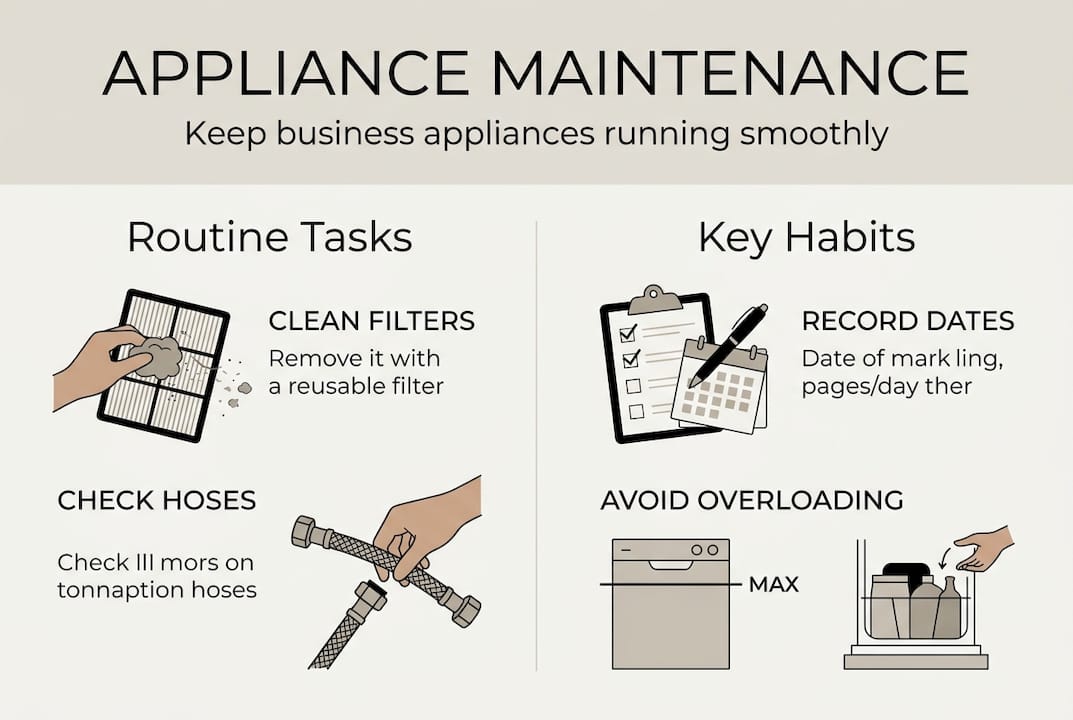
Clean filters and components monthly. Dryer lint screens need cleaning after every load to prevent fires and maintain efficiency. Dishwasher filters trap food particles that cause odors and poor cleaning. Refrigerator water filters require replacement every six months for clean ice and water. Range hood filters capture grease that otherwise builds up and creates fire hazards.
Inspect hoses and connections quarterly. Washing machine supply hoses can burst without warning, flooding your home. Replace rubber hoses with braided stainless steel versions that resist bursting. Check for bulges, cracks, or leaks. Tighten connections that have loosened from vibration. Dryer vent hoses should be rigid metal rather than flexible plastic to prevent lint buildup and fires.
Lubricate moving parts to reduce wear. Dishwasher and washing machine door hinges benefit from food-grade lubricant. Dryer drum rollers and pulleys last longer with periodic lubrication. Check your appliance manual for recommended lubricant types and application points.
Maintenance schedule for homeowners:
- Monthly: Clean lint filters, inspect hoses, wipe door seals
- Quarterly: Vacuum refrigerator coils, check water filters, test door switches
- Annually: Deep clean oven and range, inspect electrical connections, service HVAC components
Small businesses require more frequent attention. Commercial kitchens should inspect appliances weekly and perform deep cleaning monthly. High-use equipment like coffee makers and ice machines need daily cleaning to prevent mineral buildup and bacterial growth.
Avoid overloading appliances. Washing machines and dryers work best at 75% capacity. Overstuffing strains motors, bearings, and belts, causing premature failure. Dishwashers need proper spacing between dishes for water and detergent to reach all surfaces. Refrigerators require air circulation around stored items.
Document maintenance activities. Note dates of filter changes, part replacements, and cleaning tasks. This log helps identify patterns and supports warranty claims. You’ll also know when the next service is due without guessing. A maintenance checklist keeps you organized and ensures nothing gets overlooked.
Pro Tip: Set smartphone calendar reminders for recurring maintenance tasks. Automated alerts ensure you never miss critical service intervals, preventing small issues from becoming expensive repairs. Following DIY appliance maintenance tips consistently pays off with years of reliable service.
Why trust Expert Appliance for your Monmouth County repairs
When appliances fail, you need fast, reliable service that gets your home or business running again. Expert Appliance has served Monmouth County since 1988, delivering same-day appliance service that minimizes downtime. Our certified technicians handle all major household and commercial appliances, from refrigerators and washers to ovens and dishwashers.
We use genuine OEM parts that ensure lasting repairs and maintain your appliance warranties. Our team has expertise across all major appliance brands, so whether you own Whirlpool, Samsung, LG, or GE, we have the knowledge and parts to fix it right the first time. We also share appliance maintenance tips to help you prevent future breakdowns. With 24/7 emergency support and upfront pricing, you’ll know exactly what to expect before we start work. Contact us today to schedule your repair and experience the difference that local expertise and fast response times make.
FAQ
How fast can same-day appliance repair services respond in Monmouth County?
Same-day appliance repair services in Monmouth County typically respond within two to four hours of your call, depending on technician availability and your location. Emergency services may arrive even faster for urgent situations like refrigerator failures or gas appliance issues. Scheduling flexibility improves when you call early in the day. Learn more about same-day appliance repair in Monmouth County.
What are the most common quick fixes homeowners can try before calling a technician?
Checking power connections, resetting circuit breakers, and cleaning appliance filters resolve about 60% of simple appliance issues. Verify the appliance is plugged in securely, inspect for tripped breakers, and clear any visible blockages in drains or vents. These steps take minutes and often restore function without a service call. For more guidance, review common appliance troubleshooting tips.
How often should small businesses in Monmouth County schedule preventive maintenance?
Small businesses should schedule preventive maintenance quarterly for standard appliances and monthly for high-use equipment like commercial refrigerators and dishwashers. Regular inspections catch wear before failures occur, reducing costly downtime and emergency repairs by 50%. Kitchens and food service operations benefit most from frequent professional maintenance. Explore our small business appliance maintenance guide.
Are OEM parts necessary for quality appliance repairs?
OEM parts ensure compatibility, safety, and longevity because they match original manufacturer specifications exactly. Aftermarket parts may fit but often fail prematurely, void warranties, and create safety hazards. Using genuine parts maintains your appliance’s performance and resale value. Our technicians stock OEM parts for all major appliance brands we repair, ensuring reliable fixes that last.
Recommended
- Small business appliance maintenance guide Monmouth County 2026 – Expert Appliance
- Appliance troubleshooting in 2026: expert Monmouth County guide – Expert Appliance
- Cut Appliance Repairs 50%: Monmouth County NJ Guide – Expert Appliance
- Commercial appliance terminology for Monmouth County NJ – Expert Appliance