
Freezer breakdowns can throw any American household into chaos, with spoiled food and costly repairs around the corner. Research shows that more than half of freezer failures are linked to a few core technical issues, yet many homeowners miss early warning signs. Understanding what causes these malfunctions empowers you to protect your freezer, maintain food safety, and avoid unexpected expenses by staying ahead of the most common culprits.
Table of Contents
- What Causes Freezer Malfunctions And Failures
- Types Of Common Freezer Problems
- How Temperature Fluctuations Affect Food Safety
- Troubleshooting Frost Buildup And Ice Issues
- Recognizing When To Call A Professional Repair Service
Key Takeaways
| Point | Details |
|---|---|
| Understanding Common Causes | Freezer malfunctions can arise from issues such as compressor problems, faulty control units, and door seal damage. Regular maintenance can help prevent these issues. |
| Monitor Temperature Consistency | Fluctuating temperatures can pose significant food safety risks, including bacterial growth. Maintain temperatures consistently below 0°F for optimal food preservation. |
| Recognizing Frost and Ice Issues | Ice buildup may indicate improper temperature regulation or blocked air circulation. Implement quarterly maintenance to reduce ice formation and enhance efficiency. |
| Know When to Seek Professional Help | Persistent issues like temperature inconsistencies or unusual noises should prompt a call to a professional. Timely intervention can prevent severe system failures and additional costs. |
What Causes Freezer Malfunctions and Failures
Freezer failures can emerge from multiple complex mechanical and environmental factors, creating significant disruption for homeowners. Modern freezers rely on intricate systems where a single component malfunction can trigger widespread performance issues. Refrigerator repair experts recognize that understanding these potential problems is crucial for preventing costly breakdowns.
One primary cause of freezer malfunctions stems from compressor problems. Compressors are the heart of any refrigeration system, responsible for circulating refrigerant and maintaining proper temperatures. Research by PATH identified that internal refrigerant leaks frequently occur due to inappropriate material choices or poor soldering techniques. These microscopic leaks can gradually compromise the entire cooling mechanism, leading to inefficient temperature regulation and potential complete system failure.
Additional common freezer malfunction sources include:
- Faulty Control Units: Electronic control boards that regulate temperature and defrost cycles can deteriorate
- Defective Thermostats: Sensors that inaccurately measure internal temperatures
- Damaged Door Seals: Worn gaskets allowing cold air to escape
- Electrical Connection Issues: Loose or corroded wiring disrupting power supply
- Blocked Air Circulation: Overloaded freezers preventing proper cold air distribution
Pro Tip: Regular Maintenance Check: Schedule professional freezer inspections annually to catch potential issues before they escalate into expensive repairs, focusing on cleaning condenser coils, checking refrigerant levels, and testing electrical connections.
Here’s a summary comparison of freezer malfunction causes and recommended maintenance focus:
| Malfunction Cause | Typical Impact on Freezer | Maintenance Focus Area |
|---|---|---|
| Compressor issues | Ineffective cooling, failure | Refrigerant check, listen for noise |
| Faulty control units | Unstable temperature | Control board inspection |
| Damaged door seals | Energy loss, frost buildup | Seal replacement or cleaning |
| Electrical connection issues | Intermittent operation | Inspect wiring, tighten connections |
| Blocked air circulation | Overheating, uneven freezing | Organize food, clear vents |
Types of Common Freezer Problems
Freezer problems can manifest in various ways, impacting the appliance’s performance and potentially compromising food safety. Comprehensive appliance troubleshooting reveals that most freezer issues stem from specific mechanical or electrical failures that require targeted diagnostic approaches.
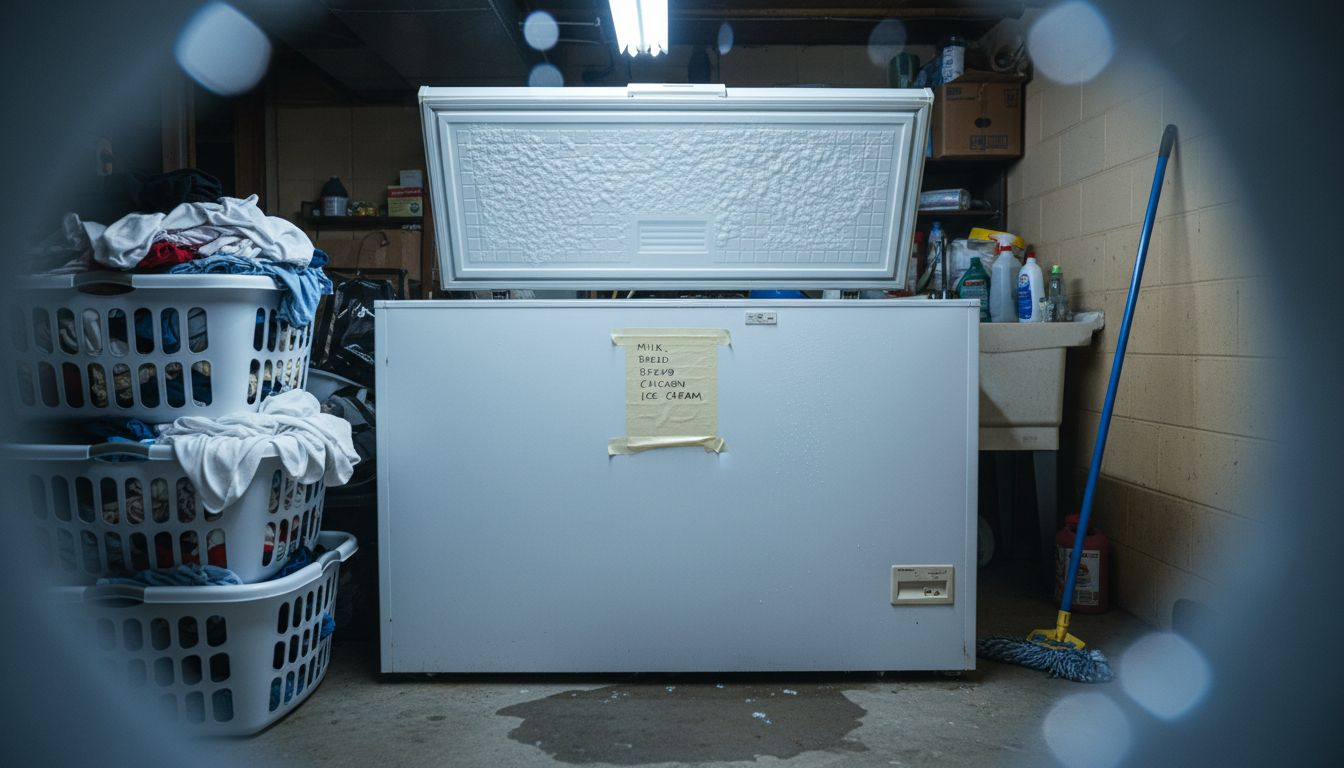
Research on refrigeration systems highlights several prevalent freezer problems that homeowners frequently encounter. These include internal refrigerant leaks, faulty control units, and defective temperature regulation mechanisms that can dramatically reduce cooling efficiency.
Common freezer problems typically fall into several key categories:
- Temperature Inconsistency: Fluctuating internal temperatures that prevent proper food preservation
- Frost Buildup: Excessive ice formation blocking air circulation and reducing cooling capacity
- Unusual Noises: Grinding, buzzing, or clicking sounds indicating potential mechanical failures
- Compressor Malfunctions: Complete system shutdown or reduced cooling performance
- Electrical Issues: Intermittent power supply or complete system failure
Pro Tip: Early Detection Strategy: Regularly monitor your freezer’s performance, listen for unusual sounds, and check temperature consistency to catch potential issues before they escalate into major repair needs.
How Temperature Fluctuations Affect Food Safety
Temperature stability is crucial for preserving food quality and preventing potential health hazards in freezers. Food safety guidelines emphasize the critical nature of maintaining consistent cold temperatures to prevent bacterial growth and food spoilage.
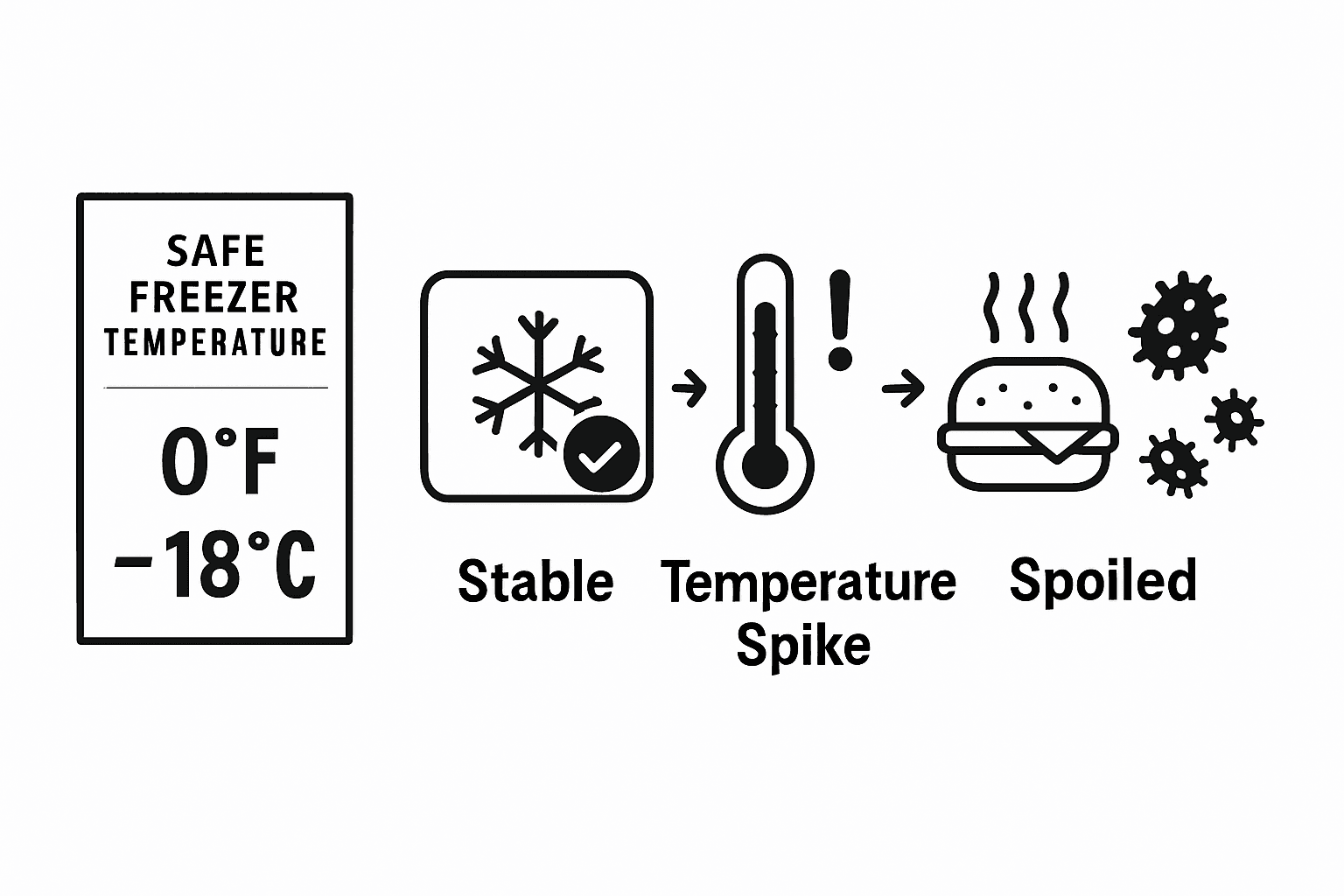
During power outages or mechanical failures, freezer temperatures can rapidly rise, creating dangerous conditions for stored food. Clemson University’s research reveals that when food reaches temperatures above 40°F for more than two hours, it becomes unsafe for consumption. This temperature threshold represents a critical point where harmful microorganisms can multiply rapidly, potentially causing serious foodborne illnesses.
Key risks associated with temperature fluctuations include:
- Bacterial Multiplication: Rapid growth of dangerous pathogens
- Protein Degradation: Breaking down of food cell structures
- Moisture Loss: Freezer burn and reduced food quality
- Nutrient Destruction: Compromising the nutritional value of stored foods
- Potential Cross-Contamination: Increased risk of spreading harmful bacteria
Pro Tip: Temperature Safety Protocol: Keep a reliable refrigerator thermometer inside your freezer and check temperatures regularly, ensuring they remain consistently below 0°F to maximize food preservation and safety.
The table below shows how specific freezer problems can compromise food safety:
| Problem Type | Food Safety Risk | Example of Consequence |
|---|---|---|
| Temperature fluctuation | Bacterial growth, spoilage | Rising above 40°F/2+ hours |
| Frost buildup | Uneven freezing, dehydration | Freezer burn, poor texture |
| Power loss | Unsafe thawing, rapid spoilage | Foodborne illness risk |
| Door leak | Inconsistent freezing, moisture | Cross-contamination hazard |
Troubleshooting Frost Buildup and Ice Issues
Frost and ice accumulation represent significant challenges for freezer performance and efficiency. Freezer maintenance techniques reveal that ice buildup often stems from multiple underlying mechanical and environmental factors that require systematic investigation.
Condenser coil maintenance research demonstrates that dirty or clogged condenser coils can substantially contribute to unexpected frost formation. These components play a critical role in heat exchange, and when obstructed, can disrupt the entire cooling mechanism and trigger excessive ice accumulation.
Common causes of frost and ice buildup include:
- Water Leakage: Unexpected moisture sources creating ice formations
- Faulty Thermostat: Incorrect temperature regulation
- Damaged Door Seals: Allowing warm air infiltration
- Blocked Air Circulation: Preventing proper cooling distribution
- Clogged Condenser Coils: Reducing overall cooling system efficiency
Pro Tip: Frost Prevention Strategy: Perform quarterly maintenance by gently vacuuming condenser coils, checking door seals, and ensuring proper temperature calibration to minimize unexpected ice buildup.
Recognizing When to Call a Professional Repair Service
Emergency appliance repair tips highlight the importance of understanding when DIY solutions transition into professional intervention. Freezer problems can quickly escalate from minor inconveniences to major system failures if not addressed promptly and correctly.
Research on complex refrigeration systems indicates that certain mechanical issues require specialized technical expertise. Attempting to repair intricate components like internal refrigerant systems or control units without proper training can potentially cause more damage and create significant safety risks.
Signal signs that demand professional freezer repair include:
- Persistent Temperature Inconsistencies: Repeated failure to maintain stable cold temperatures
- Unusual Electrical Behaviors: Frequent tripping of circuit breakers or erratic power consumption
- Complex Mechanical Noises: Grinding, loud buzzing, or persistent clicking sounds
- Significant Frost or Ice Buildup: Extensive ice formation beyond standard maintenance
- Complete System Shutdown: Total loss of cooling functionality
- Refrigerant Leaks: Any visible signs of chemical leakage or unusual odors
Pro Tip: Professional Assessment Strategy: If you observe multiple warning signs or feel uncertain about a repair, schedule a professional diagnostic evaluation to prevent potential long-term appliance damage and unnecessary expenses.
Trusted Freezer Repair Solutions for Marlboro and Monmouth County Residents
Dealing with common freezer problems like temperature inconsistencies, frost buildup, or compressor failures can be frustrating and risky for your food safety. Understanding issues such as faulty control units, damaged door seals, or refrigerant leaks is only half the battle. For homeowners and small businesses in Marlboro, NJ, getting fast and dependable repair service is essential to prevent costly food spoilage and appliance damage. Our team at Expert Appliance Repair brings decades of experience addressing these precise challenges with professionalism and care.
If your freezer shows signs of malfunction described in our Appliance Archives – Expert Appliance or you suspect serious issues like persistent temperature fluctuation or unusual noises, do not wait. Contact us at https://expertapplianceinc.com to schedule same-day service. With 24/7 emergency support and upfront pricing, we ensure you receive expert solutions promptly. Protect your home and investments by trusting the professionals who have proudly served Monmouth County since 1988.
Frequently Asked Questions
What are the common causes of freezer malfunctions?
Common causes include compressor problems, faulty control units, defective thermostats, damaged door seals, electrical connection issues, and blocked air circulation.
How can temperature fluctuations affect food safety in my freezer?
Temperature fluctuations can allow harmful bacteria to grow in food, especially if temperatures rise above 40°F for more than two hours, risking foodborne illnesses and spoilage.
What should I do if I notice frost buildup in my freezer?
To address frost buildup, check for water leakage, ensure the thermostat is functioning properly, inspect door seals for damage, and make sure air circulation is not blocked. Regular maintenance can help prevent this issue.
When should I call a professional for freezer repairs?
Call a professional if you experience persistent temperature inconsistencies, unusual electrical behaviors, complex mechanical noises, significant frost buildup, complete system shutdown, or signs of refrigerant leaks.