
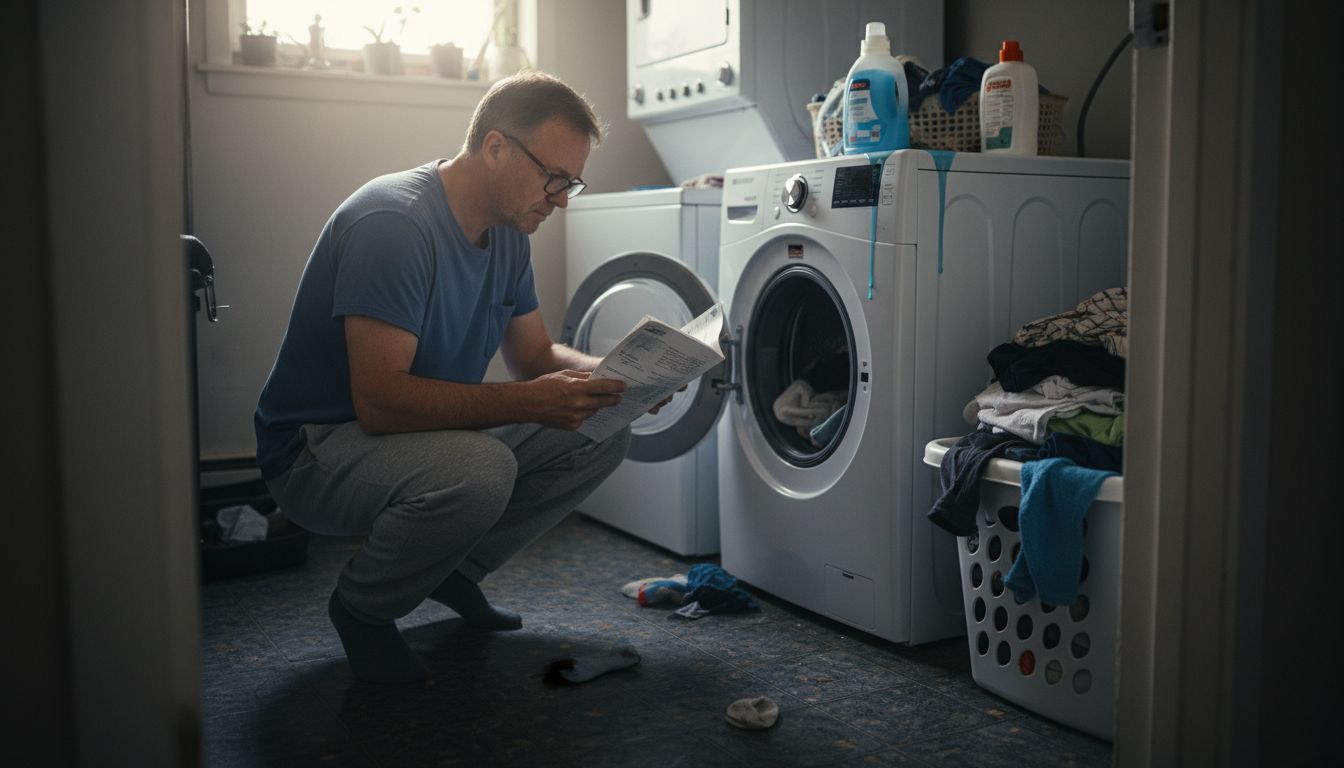
Over 60 percent of american homes will experience a washing machine problem within the first five years of ownership. These machines handle heavy daily use but even small issues can disrupt routines and cause extra stress. Knowing the common causes of breakdowns helps american households avoid delays, expensive repairs, and the headache of unexpected laundry pileups. This guide helps you spot symptoms, understand what leads to failure, and learn practical steps to keep your machine running longer.
Table of Contents
- Common Washing Machine Problems Explained
- Types of Washer Failures and Symptoms
- Troubleshooting Steps for Typical Issues
- Costs, Risks, and When to Call a Pro
- Preventing Future Washing Machine Breakdowns
Key Takeaways
| Point | Details |
|---|---|
| Common Issues | Washing machines often face problems like starting failures, drainage issues, excessive noise, leaking, and spinning troubles. Identifying these can help prevent costly repairs. |
| Troubleshooting Steps | Homeowners can often resolve minor washing machine issues by checking power connections, water supply, and drainage components before seeking professional help. |
| Cost Awareness | Repair costs can vary significantly, with minor fixes costing around $50-$200 and major repairs exceeding $500. Understanding when to call a professional can save money. |
| Preventive Maintenance | Regular cleaning, load management, and mechanical inspections can prevent 70-80% of potential washing machine failures, extending the appliance’s lifespan. |
Common Washing Machine Problems Explained
Washing machines are complex appliances that can experience a range of frustrating issues. Modern homeowners need practical solutions to diagnose and address common problems quickly. Common appliance problems often stem from routine maintenance challenges that, if left unaddressed, can lead to more significant repairs.
According to consumer research data, several critical washing machine problems frequently emerge. These include mechanical failures like failure to start, unusual noises during operation, and water leakage. Mechanical issues can often result from simple problems such as unbalanced loads, worn belts, or electrical connection issues. Homeowners should pay close attention to warning signs like grinding sounds, excessive vibration, or unexpected stopping during wash cycles.
The most prevalent washing machine problems typically fall into several key categories:
- Starting Failures: When the machine won’t begin a wash cycle
- Drainage Issues: Water not properly exiting the machine
- Excessive Noise: Unusual sounds during operation
- Leaking: Water escaping from unexpected areas
- Spinning Problems: Inability to spin or complete wash cycles
Addressing these issues requires understanding their root causes. Proper washing machine repair workflows can help diagnose problems efficiently. Professional technicians recommend regular maintenance, including checking hose connections, cleaning filters, and ensuring proper load balance to minimize potential complications. By recognizing early warning signs and taking proactive steps, homeowners can extend their washing machine’s lifespan and prevent costly emergency repairs.
Types of Washer Failures and Symptoms
Consumer research data reveals that washing machine failures manifest through several distinct categories of mechanical and functional problems. Understanding these symptoms can help homeowners diagnose issues before they escalate into more complex repairs. Front load washer repair requires careful identification of specific failure patterns that indicate underlying mechanical or electrical challenges.
The most common washer failure types include:
- Control Panel Malfunctions: Symptoms include unresponsive buttons, error codes, or complete electrical shutdown
- Drainage Complications: Characterized by standing water, slow drainage, or complete pump failure
- Spin Cycle Disruptions: Indicated by clothes remaining wet, unusual grinding noises, or incomplete spin cycles
- Water Inlet Problems: Manifesting as insufficient water flow, sporadic filling, or complete water supply interruption
- Motor Failures: Presenting through inconsistent operation, loud mechanical sounds, or total motor shutdown
Professional technicians emphasize that early detection of these symptoms can prevent extensive damage. The American Cleaning Institute recommends homeowners pay attention to subtle changes in washing machine performance, such as unusual sounds, unexpected vibrations, or changes in wash cycle efficiency. Regular maintenance and prompt investigation of any irregularities can significantly extend an appliance’s operational lifespan and prevent costly comprehensive repairs.
Troubleshooting Steps for Typical Issues
Consumer Reports research highlights critical initial diagnostic steps for washing machine issues. Homeowners can often resolve minor problems without professional intervention by systematically examining key components and operational characteristics. Understanding these troubleshooting techniques can save time, money, and prevent potential long-term appliance damage.
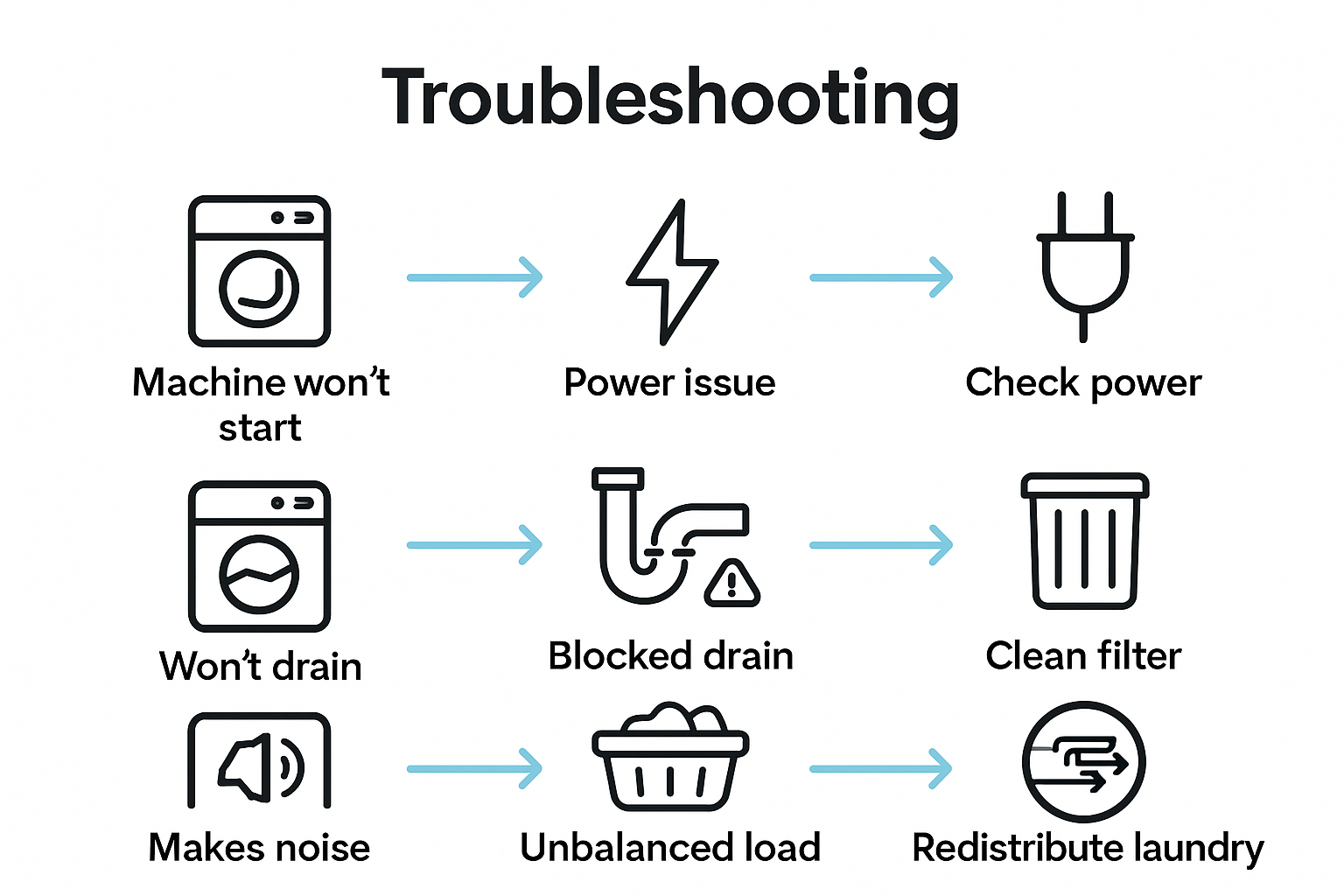
Here are comprehensive troubleshooting steps for common washing machine problems:
- Power and Connection Issues
- Check electrical outlet functionality
- Verify power cord is securely connected
- Inspect circuit breaker for potential tripping
- Test alternative electrical outlets
- Water Supply Troubleshooting
- Examine water inlet hoses for visible cracks
- Ensure water valves are fully open
- Check for kinks or blockages in supply lines
- Verify water pressure is adequate
- Drainage Problems
- Inspect drain hose for obstructions
- Clean lint filter and drain pump
- Ensure drain hose is not kinked or elevated incorrectly
- Test drain height and routing
The American Cleaning Institute recommends additional preventative measures to minimize washing machine complications. Proper load balancing, avoiding overloading, and using appropriate detergent quantities can significantly reduce mechanical stress. When self-troubleshooting fails, professional washing machine repair becomes essential to prevent further system deterioration and potential complete appliance failure.
Costs, Risks, and When to Call a Pro
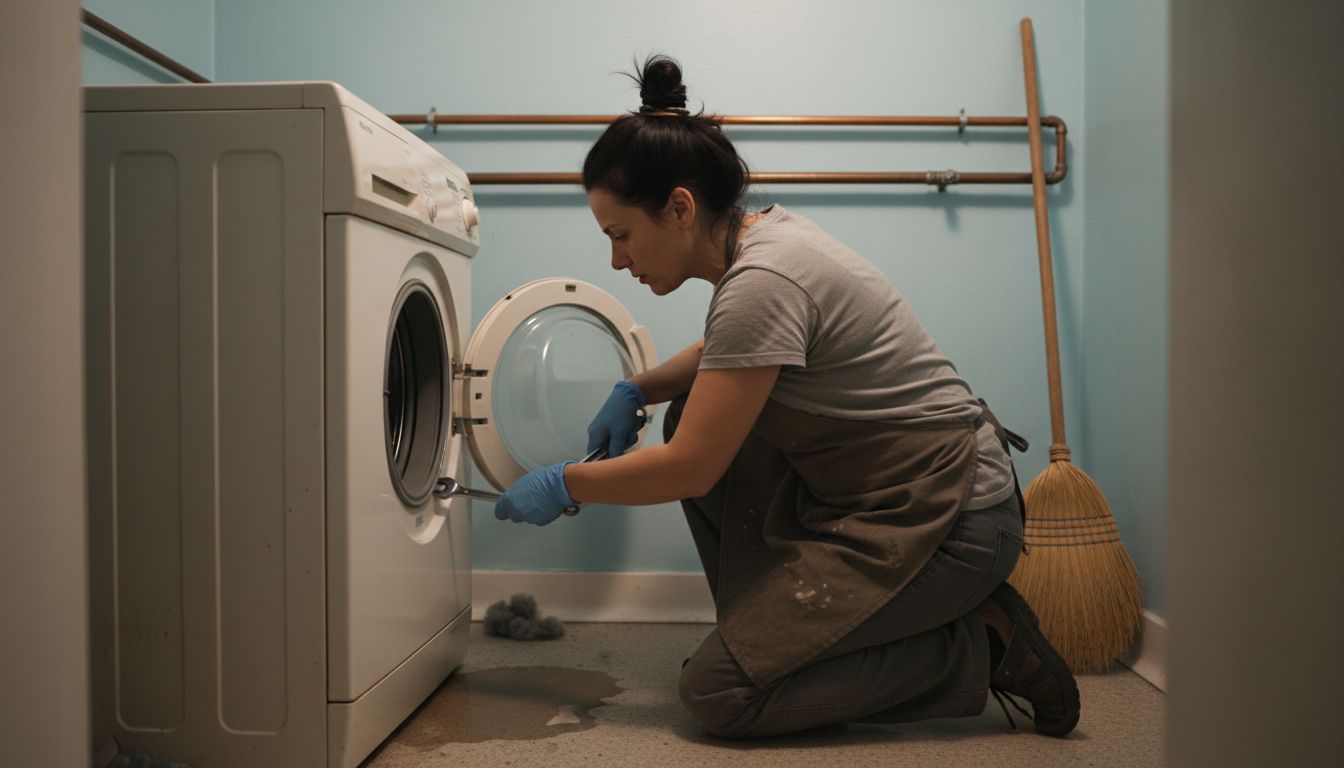
Consumer Reports research reveals that washing machine repairs can range dramatically in cost and complexity, making it crucial for homeowners to understand when professional intervention becomes necessary. Amateur repairs can often lead to more extensive damage, potentially transforming a minor issue into an expensive total replacement scenario.
Typical repair cost scenarios break down as follows:
-
Minor Repairs ($50-$200)
- Simple part replacements
- Basic electrical or mechanical adjustments
- Quick diagnostic fixes
-
Moderate Repairs ($200-$500)
- Motor component replacements
- Complex electrical system repairs
- Significant component diagnostics
-
Major Repairs/Replacement ($500-$1,000+)
- Complete system overhauls
- Total motor replacements
- Advanced mechanical failures
The American Cleaning Institute emphasizes that preventative maintenance can significantly reduce unexpected repair costs. Professional washing machine repair becomes essential when DIY troubleshooting fails, warning signs persist, or when specialized diagnostic equipment is required. Homeowners should consider professional service if experiencing persistent issues like unexplained water leaks, consistent error codes, unusual mechanical sounds, or complete system failures that compromise the appliance’s core functionality.
Preventing Future Washing Machine Breakdowns
Consumer Reports research highlights that proactive maintenance is the most effective strategy for preventing washing machine failures. Strategic preventive measures can significantly extend an appliance’s operational lifespan and minimize unexpected repair costs. Appliance maintenance requires consistent attention and systematic care to avoid potential system breakdowns.
Critical preventive maintenance strategies include:
-
Regular Cleaning
- Clean lint filters after every load
- Wipe down machine interior monthly
- Run empty hot water cleaning cycles quarterly
- Remove soap scum and mineral deposits
-
Load Management
- Avoid overloading washing machine
- Distribute clothes evenly
- Use appropriate wash cycles
- Remove clothes promptly after washing
-
Mechanical Inspection
- Check water hoses for cracks quarterly
- Inspect electrical connections
- Listen for unusual sounds during operation
- Verify proper machine leveling
The American Cleaning Institute emphasizes that consistent maintenance prevents 70-80% of potential washing machine failures. Homeowners should create a routine inspection schedule, documenting each maintenance session to track the appliance’s performance over time. By implementing these strategic preventive measures, households can significantly reduce the risk of unexpected breakdowns and extend their washing machine’s operational efficiency.
Keep Your Washing Machine Running Smoothly with Expert Appliance Repair
If your washing machine is showing signs of leaking water unexpected noises or failure to start you are not alone. These common washing machine problems can disrupt your daily routine and cause stress. Understanding issues like drainage problems spin cycle disruptions and control panel malfunctions is crucial but tackling them alone can be overwhelming. That is where our professional team steps in offering fast reliable repair services tailored to homeowners and small businesses around Marlboro NJ and Monmouth County.
Explore our Appliance Archives to learn more about maintaining your appliances or visit Expert Appliance Repair to schedule same-day service today. Don’t let appliance breakdowns interrupt your life. Take action now for quick diagnostics and transparent pricing backed by over three decades of trusted family owned experience. When your washing machine needs expert care call us first and enjoy peace of mind knowing your repairs are handled professionally and promptly.
Frequently Asked Questions
What are the common reasons why my washing machine won’t start?
The main causes for a washing machine not starting include power supply issues, faulty control panels, or problems with the door latch. Checking the power cord, circuit breaker, and ensuring the door is securely closed can often resolve this issue.
How can I troubleshoot water drainage problems in my washing machine?
To address drainage issues, inspect the drain hose for kinks or clogs, clean the lint filter, and ensure the drain pump is functioning. Additionally, verify that the hose is correctly positioned and not elevated too high, which can hinder drainage.
What should I do if my washing machine is making unusual noises?
Unusual noises may indicate several problems, including an unbalanced load, worn-out belts, or motor issues. Stop the machine, redistribute the load, and inspect for any mechanical wear. If the noise persists, consider contacting a professional for diagnosis.
How can I prevent future issues with my washing machine?
To prevent future washing machine problems, conduct regular maintenance such as cleaning lint filters, not overloading the machine, and inspecting hoses for wear. Implementing these practices can significantly extend the lifespan of your appliance.
Recommended
- Washing Machine Repair Workflow for Fast, Reliable Service – Expert Appliance
- Washing Machine Repair | Front Load Washer Repair
- Common Appliance Problems: Troubleshooting Tips and Solutions – Expert Appliance
- 7 Essential Dishwasher Troubleshooting Steps for Quick Fixes – Expert Appliance
- 9 Signs of Fuel Contamination Symptoms You Should Know – My WordPress