
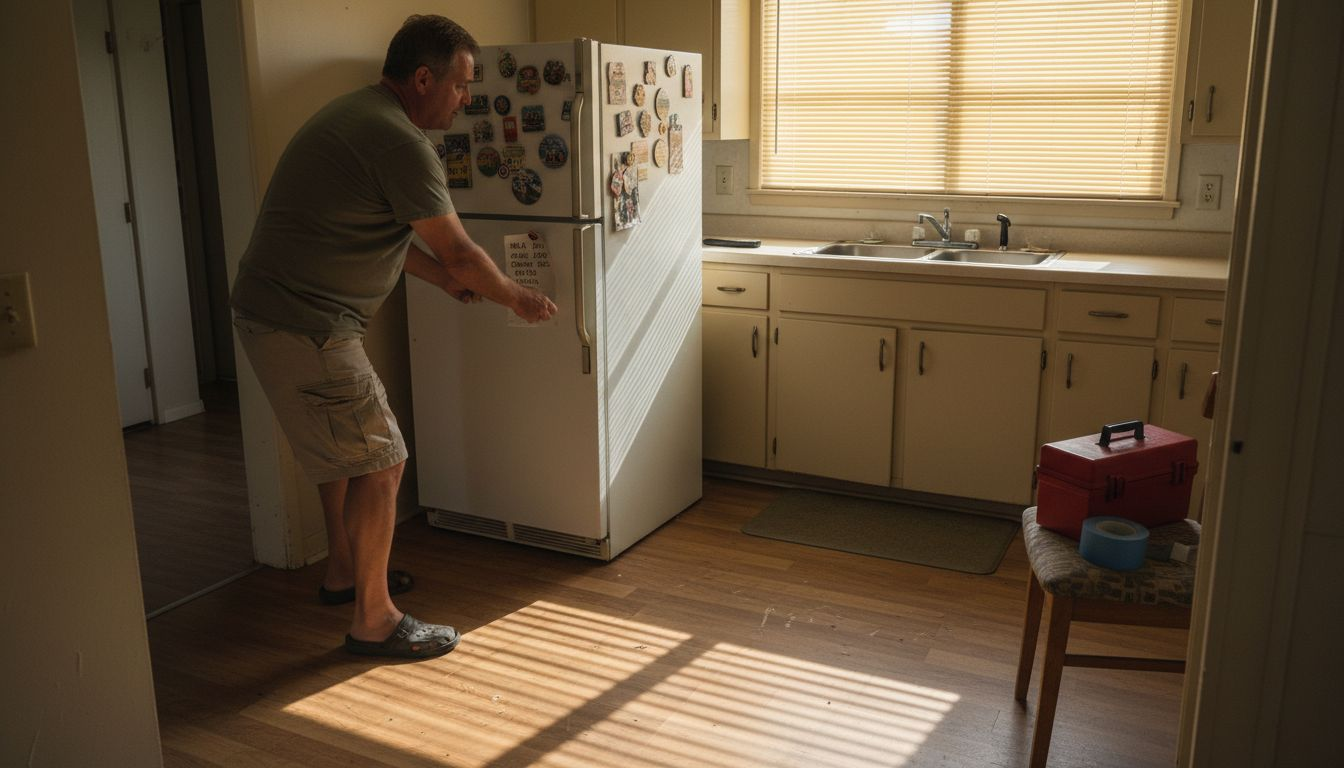
Nothing derails your day like an appliance breakdown. Your refrigerator stops cooling the morning before a big party, or your washer floods the laundry room mid-cycle. These emergencies often stem from neglect. Regular maintenance reduces repair costs by up to 50%, and in Monmouth County, local humidity makes upkeep even more critical. This guide walks you through maintaining refrigerators, washers, dryers, ovens, and dishwashers so you can avoid expensive repairs and keep your home running smoothly.
Table of Contents
- Prerequisites: Tools, Materials, And Safety Preparation
- Step-By-Step Maintenance Routines For Major Appliances
- Safety Precautions And Common Mistakes
- Local Environmental Factors Affecting Appliance Maintenance
- Expected Outcomes And Benefits Of Regular Maintenance
- Troubleshooting And When To Call A Professional
- Trust Expert Appliance For Reliable Repair & Maintenance In Monmouth County
- Frequently Asked Questions
Key Takeaways
| Point | Details |
|---|---|
| Cost Savings | Following maintenance schedules cuts repair expenses by half over five years. |
| Local Climate Impact | Monmouth County humidity accelerates appliance wear, requiring more frequent inspections. |
| Safety First | Always unplug appliances before maintenance and use only manufacturer-approved cleaners. |
| Professional Help | Know when to call experts for complex issues like electrical faults or persistent leaks. |
| Preventive Advantage | Early detection through routine checks prevents emergency repairs and extends appliance lifespan. |
Prerequisites: Tools, Materials, and Safety Preparation
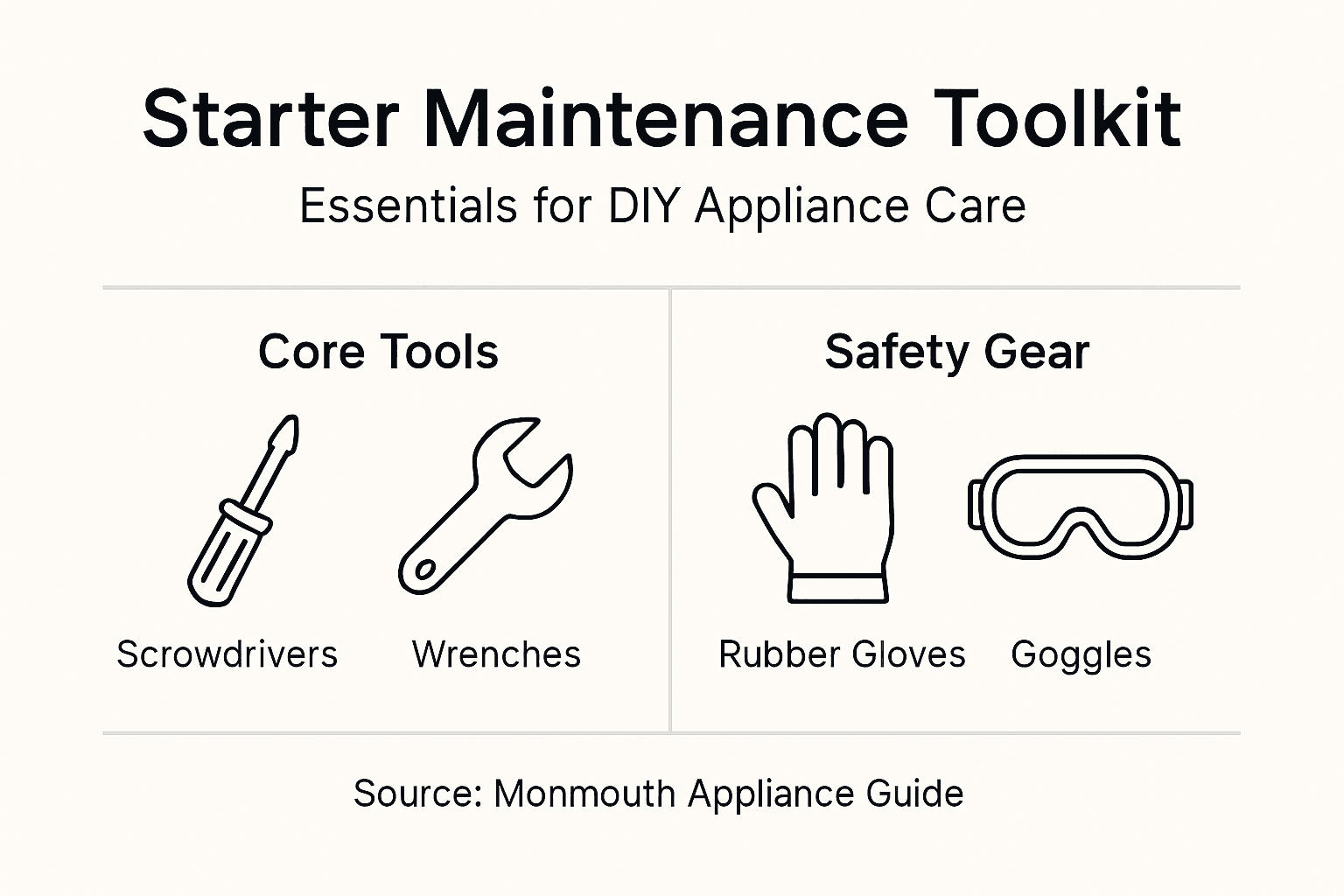
Before you start any maintenance, gather the right tools and protect yourself. You need basic equipment: Phillips and flathead screwdrivers, soft brushes, microfiber cloths, rubber gloves, and a multimeter for electrical testing. A flashlight helps you see behind and under appliances, while a vacuum with a crevice tool clears dust from tight spaces.
Safety comes first. Always unplug appliances before starting work to avoid electric shock. Even turning off a circuit breaker is not enough because residual charge can remain in capacitors. Wear protective gloves and safety glasses, especially when handling sharp metal edges or cleaning chemicals. Only use manufacturer-approved cleaning agents. Generic household cleaners often contain harsh chemicals that degrade rubber seals, plastic components, and metal finishes, leading to premature failures.
Organize your workspace before you begin. Move appliances away from walls if needed, and lay down towels to catch spills. Keep a notebook or phone app to log maintenance dates and observations. This record helps you track patterns and catch problems early.
Pro Tip: Label your tool bag with maintenance dates for each appliance. This simple habit ensures you never skip a scheduled cleaning and builds a reliable maintenance routine.
For more guidance on building your maintenance toolkit, explore our DIY appliance maintenance tips to ensure longer-lasting appliances.
Step-by-Step Maintenance Routines for Major Appliances
Each appliance in your home requires specific care. Here are proven routines for your most essential equipment.
Refrigerators: Cleaning refrigerator coils every 6 months improves energy efficiency by 25%. Pull the fridge away from the wall and vacuum the condenser coils on the back or underneath. Dust buildup forces the compressor to work harder, raising energy bills and shortening lifespan. Check door seals by closing the door on a dollar bill. If it pulls out easily, replace the gasket. Clean the drip pan under the fridge quarterly to prevent mold and odors.
Washing Machines: Inspect hoses every three months for cracks, bulges, or brittleness. Replace them every five years regardless of appearance. Run an empty hot water cycle with white vinegar monthly to dissolve detergent residue and prevent mold in the drum and hoses. Leave the door open after each load to allow moisture to evaporate. Clean the detergent dispenser and door gasket weekly.
Dryers: Clean the lint trap after every load without exception. Lint buildup is a major fire hazard and reduces drying efficiency. Every six months, disconnect the vent hose and vacuum it thoroughly. Check the exterior vent opening to ensure flaps open freely. Wipe down the drum interior monthly to remove fabric softener residue that can stain clothes.
Ovens and Stoves: Use the self-cleaning cycle every three months to burn off baked-on food, which extends heating element life. Between deep cleans, wipe up spills immediately before they carbonize. Remove burner grates and drip pans weekly, soaking them in warm soapy water. Check oven door seals annually for gaps that allow heat to escape and reduce cooking efficiency.
Dishwashers: Remove and clean the filter monthly. Most filters twist out from the bottom of the tub. Scrub them under running water with a soft brush to remove food particles and grease. Run an empty cycle with dishwasher cleaner quarterly to dissolve mineral deposits and soap scum. Inspect the spray arms for clogs, using a toothpick to clear blocked holes. Wipe down door seals to prevent leaks.
The table below summarizes recommended frequencies:
| Appliance | Task | Frequency |
|---|---|---|
| Refrigerator | Clean coils | Every 6 months |
| Washer | Inspect hoses | Every 3 months |
| Dryer | Clean vent hose | Every 6 months |
| Oven | Self-clean cycle | Every 3 months |
| Dishwasher | Clean filter | Monthly |
Pro Tip: Schedule all your six-month tasks for the same weekend in spring and fall. Combining maintenance saves time and ensures nothing gets forgotten.
For a comprehensive overview, check our appliance maintenance checklist, or dive into specific guides like our dishwasher maintenance workflow and washer and dryer care checklist.
Safety Precautions and Common Mistakes
Maintenance keeps appliances running, but only if done safely. Never work on a plugged-in appliance. 45% of DIY attempts fail due to neglecting to unplug, and abrasive cleaners increase repair rates by 18%. Even a small shock can cause serious injury, and some capacitors store lethal voltage even after unplugging.
Avoid these common mistakes:
- Using steel wool or abrasive pads on stainless steel or coated surfaces. These scratch protective finishes and create rust points.
- Skipping regular cleaning schedules. Missing even one maintenance cycle allows buildup that becomes harder to remove later.
- Ignoring unusual sounds or smells. These are early warning signs that require immediate attention.
- Over-tightening screws or connections. This cracks plastic components and strips threads.
- Mixing cleaning products. Combining bleach with other chemicals creates toxic fumes.
If you make a mistake, address it immediately. Scratched surfaces need touch-up paint or protective coatings to prevent corrosion. Stripped screws require replacement with slightly larger sizes or thread repair kits. Damaged seals must be replaced before they cause leaks.
Safety is not optional. Every maintenance task begins with unplugging the appliance and ends with a visual inspection to confirm everything is reassembled correctly.
For additional safety guidance, review our DIY maintenance safety tips before starting any project.
Local Environmental Factors Affecting Appliance Maintenance
Monmouth County’s coastal proximity creates unique challenges. Higher humidity increases corrosion risk, so inspections are recommended every 4 months locally compared to the six-month national standard. Moisture accelerates rust on metal components like oven racks, dryer drums, and refrigerator shelves. It also degrades electrical connections, causing intermittent failures that are hard to diagnose.
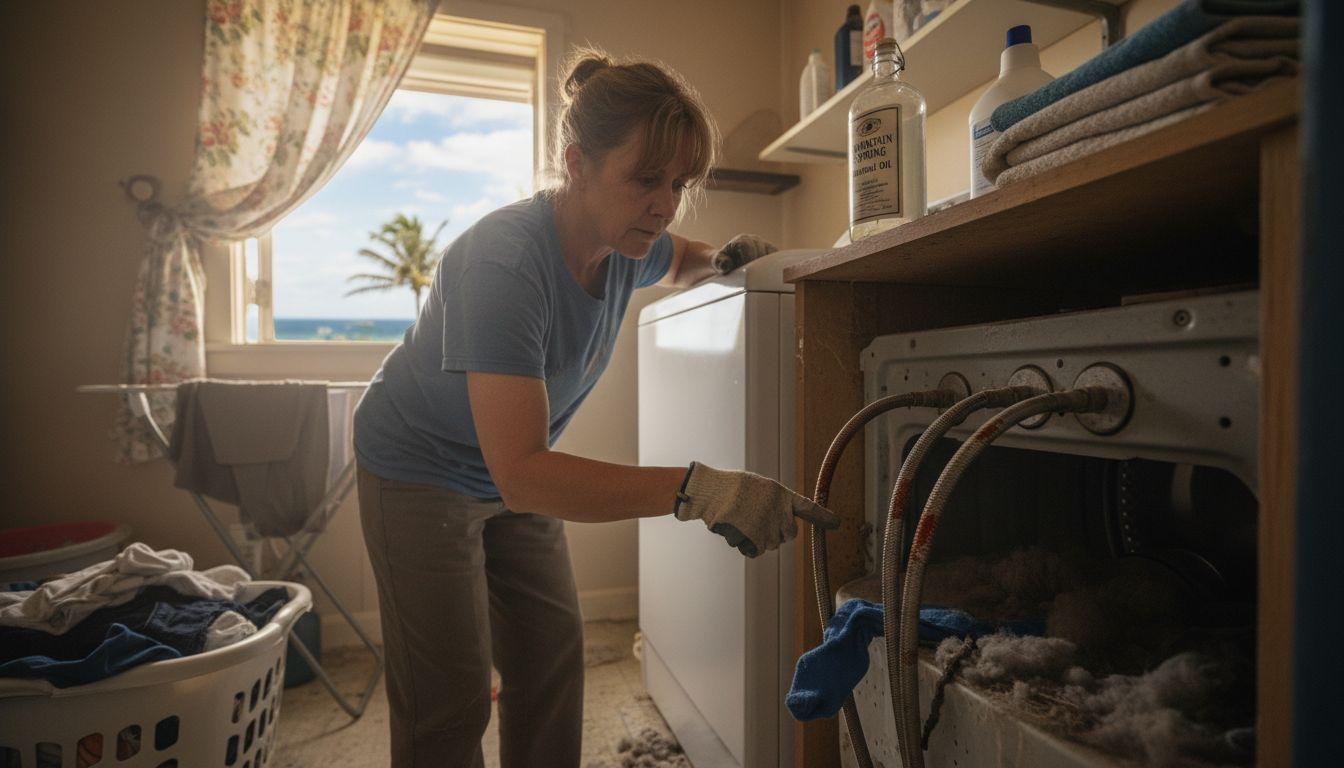
Pay special attention to metal parts that show early signs of rust. Apply a thin coat of food-safe mineral oil to oven racks and refrigerator shelves after cleaning. Check electrical plugs and cords for corrosion, especially on outdoor or garage appliances. Replace corroded plugs immediately because they create fire hazards.
The table below compares standard maintenance frequencies with Monmouth County recommendations:
| Task | Standard Frequency | Monmouth County Frequency |
|---|---|---|
| Refrigerator coil cleaning | Every 6 months | Every 4 months |
| Washer hose inspection | Every 6 months | Every 4 months |
| Dryer vent cleaning | Annually | Every 8 months |
| Oven seal check | Annually | Every 8 months |
Adjusting your schedule to local conditions prevents problems before they start. The modest increase in maintenance frequency pays for itself by avoiding humidity-related failures.
For region-specific advice, explore our Monmouth County appliance cleaning checklist or consider our Monmouth County service contracts for professional support.
Expected Outcomes and Benefits of Regular Maintenance
Consistent maintenance delivers measurable results. Following proper schedules achieves a 50% reduction in repair costs over 5 years, 25% improved refrigerator energy efficiency, and 30% fewer dishwasher drain problems. These are not theoretical savings. Real homeowners in Monmouth County report lower utility bills and fewer emergency service calls.
Your refrigerator runs more efficiently when coils are clean, cutting electricity consumption noticeably. You see the difference in your monthly bill. Washers and dryers last years longer when hoses and vents stay clear. You avoid the $800 to $1,500 cost of premature replacement. Ovens heat evenly and cook food properly when heating elements are maintained, reducing wasted energy and frustration.
Beyond cost savings, maintenance gives you peace of mind. You know your appliances work when you need them. No surprise breakdowns during holidays or busy weeks. Your home runs smoothly, and you control the timing of any necessary repairs instead of dealing with emergencies.
Track your maintenance activities and compare repair costs year over year. Most homeowners notice significant savings within the first 18 months. The data proves the value of your effort.
Learn more about how to prevent costly repairs and review our maintenance schedule tips for optimal planning.
Troubleshooting and When to Call a Professional
DIY maintenance handles routine care, but some problems require professional expertise. Knowing when to seek professional help avoids costly DIY errors and reduces emergency damage. Call a technician immediately if you notice any of these warning signs:
- Unusual noises like grinding, squealing, or banging that persist after cleaning
- Water leaks that continue despite checking hoses and seals
- Electrical problems including tripped breakers, burning smells, or sparks
- Appliances that fail to start or shut off unexpectedly
- Gas odors near stoves or dryers, which indicate dangerous leaks
Attempting complex repairs without proper training risks injury and often makes problems worse. A qualified technician has specialized tools and knowledge to diagnose issues accurately. Professional repairs typically cost less than replacing an appliance damaged by incorrect DIY fixes.
In Monmouth County, keep emergency repair contacts readily available. Save the number in your phone and post it near your appliances. When an emergency strikes, quick professional response prevents water damage, fire hazards, and spoiled food.
Weigh the cost of professional service against the risk of mistakes. Simple tasks like cleaning filters or replacing hoses are safe for homeowners. Anything involving refrigerant, gas lines, or complex electrical systems requires a licensed technician.
For guidance on repair decisions, read our article on appliance upgrades vs repairs or review our DIY maintenance tips to understand your limits.
Trust Expert Appliance for Reliable Repair & Maintenance in Monmouth County
While regular maintenance prevents most problems, professional support ensures your appliances receive expert care. Expert Appliance serves Monmouth County homeowners with comprehensive appliance repair for top brands including refrigerators, washers, dryers, ovens, and dishwashers. Our family-owned business has delivered trusted service since 1988, combining decades of experience with same-day availability and upfront pricing.

Our technicians provide thorough inspections, preventive maintenance plans, and emergency repairs when you need them most. Whether you need help with routine upkeep or face an unexpected breakdown, we respond quickly with knowledgeable solutions. Our appliance and vacuum repair services cover every major household brand, ensuring your home stays running smoothly year-round.
Schedule your next maintenance check or repair by calling us today. Visit our website to learn more about our appliance maintenance tips and discover how professional service complements your DIY efforts for maximum appliance longevity.
Frequently Asked Questions
How often should I schedule appliance maintenance in Monmouth County?
Inspect major appliances every four months due to local humidity and accelerated corrosion. This frequency prevents moisture-related damage that is common in coastal areas. Adjust your calendar to accommodate the shorter interval compared to national recommendations.
What safety gear is essential before starting appliance maintenance?
Wear rubber gloves and protective eyewear for every maintenance task. These basics protect against sharp edges, chemical splashes, and electrical hazards. Always unplug appliances before beginning any work to eliminate shock risks completely.
Can I use any household cleaner on my appliances?
Only manufacturer-approved cleaners should touch your appliances. Generic or abrasive products damage seals, coatings, and internal components, leading to expensive repairs. Check your owner’s manual for recommended cleaning solutions before starting.
When is it time to call a professional for appliance repairs?
Contact a technician immediately if appliances leak continuously, make grinding noises, emit burning smells, or fail electrical safety tests. Emergency repair services in Monmouth County respond quickly to prevent property damage and safety hazards that exceed DIY capabilities.