
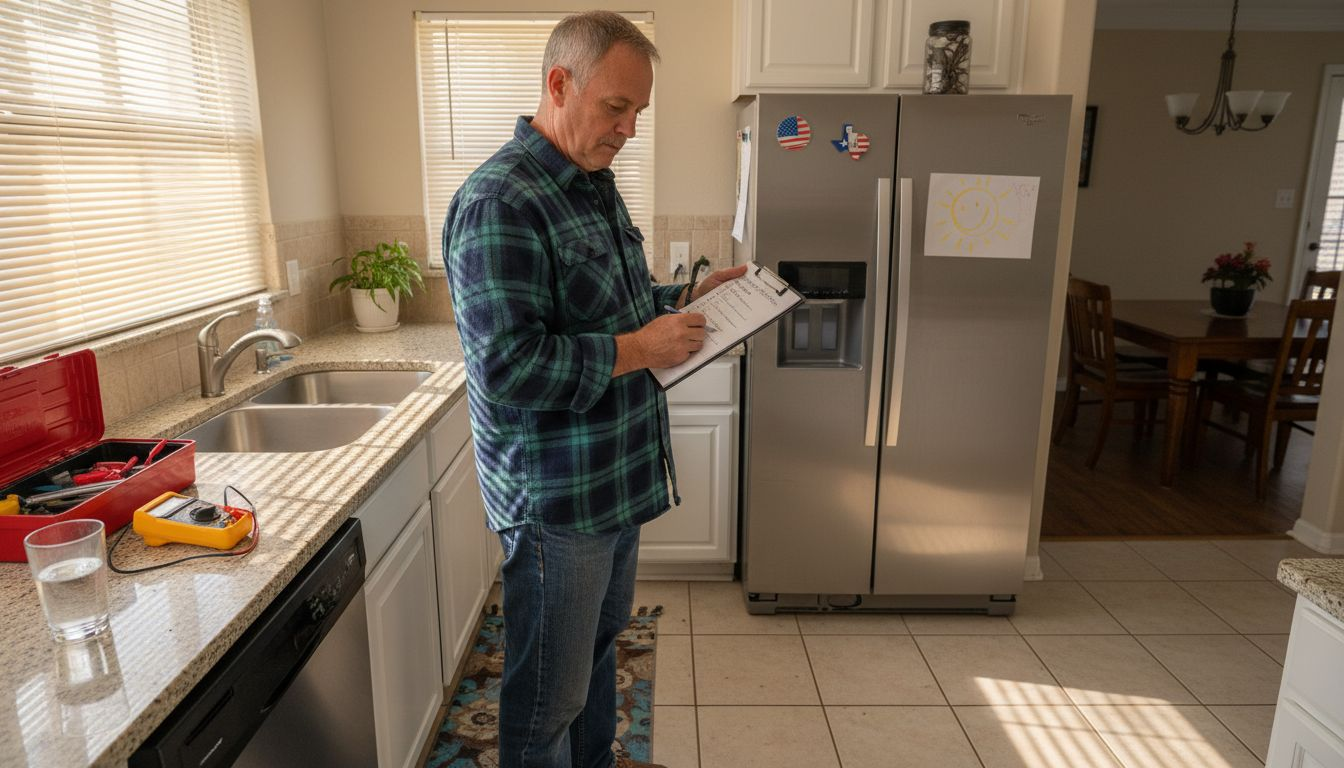
Every American homeowner knows a sudden appliance meltdown can stop your day in its tracks. A single missed warning sign or unknown shut-off valve may quickly lead to costly damage, especially in places like Marlboro, New Jersey. With over 40 percent of home insurance claims linked to appliance or plumbing accidents, knowing how to handle these emergencies has never been more important. Discover how smart safety steps and the right local experts can protect your home and peace of mind.
Table of Contents
- 1. Know Your Appliance Power Sources
- 2. Locate Main Water Shut-Off Valves
- 3. Identify Common Appliance Warning Signs
- 4. Keep Emergency Contact Numbers Handy
- 5. Prepare Basic Safety Tools and Supplies
- 6. Test Smoke and Carbon Monoxide Detectors
- 7. Document Appliance Warranty and Service Info
Quick Summary
| Takeaway | Explanation |
|---|---|
| 1. Understand Appliance Power Requirements | Identify if your appliances require 120 or 240 volts to prevent overloads and electrical hazards. Check the manufacturer labels for voltage specs. |
| 2. Know Your Main Water Shut-Off Valve | Locate your main water shut-off valve to prevent extensive water damage during emergencies. Ensure all household members know how to access it. |
| 3. Recognize Appliance Warning Signs | Be vigilant for unusual noises, burning smells, or circuit tripping to identify appliance issues early and seek professional help. |
| 4. Compile Emergency Contacts | Keep a list of essential emergency contacts in an accessible place to ensure quick responses in emergencies, like repair services and hospitals. |
| 5. Maintain Safety Tools and Supplies | Prepare essential safety equipment, such as fire extinguishers and detectors, and ensure every family member knows their locations and use. |
1. Know Your Appliance Power Sources
Every home appliance relies on specific power sources that determine its performance, safety, and efficiency. Understanding these power sources is critical for preventing electrical hazards and maintaining your household equipment.
Most residential appliances in New Jersey homes operate on standard 120 volt or 240 volt electrical circuits, which require careful consideration of electrical load and compatibility. The Electrical Safety Foundation International recommends that homeowners have their electrical systems professionally inspected, especially in older homes or after major renovations.
Different appliances demand unique electrical requirements. Large appliances like electric dryers, ovens, and refrigerators typically need dedicated 240 volt circuits, while smaller devices like microwaves and coffee makers can function on standard 120 volt outlets. Knowing these distinctions helps prevent circuit overloads and potential electrical risks.
To assess your home’s power sources effectively, consider these practical steps:
• Locate your home’s electrical panel and understand circuit capacities
• Check appliance voltage requirements on manufacturer labels
• Verify outlet compatibility before plugging in new equipment
The Consumer Product Safety Commission warns against using extension cords with major appliances, as this practice can lead to overheating and potential fire hazards.
Pro Tip: Invest in a basic multimeter to help you understand your home’s electrical circuits and verify voltage compatibility before connecting any new appliances.
2. Locate Main Water Shut-Off Valves
Knowing the location of your home’s main water shut-off valve can save you from potential catastrophic water damage and expensive repairs. Every homeowner should understand exactly where this critical valve is positioned and how to quickly access it during an emergency.
The New York State Division of Homeland Security and Emergency Services advises homeowners to familiarize themselves with main water shut-off valve locations as part of proactive household emergency preparedness. Water damage can occur rapidly, making immediate valve shutdown crucial for minimizing potential property destruction.
Main water shut-off valves are typically located in several potential areas:
• Basement or crawl space near the front foundation wall
• Utility room close to water heater
• Outside the home near the perimeter
• Underground near the street with an access cover
Identifying your specific valve requires thorough investigation. Check near your water meter or where the main water line enters your home. In colder regions like New Jersey, indoor locations are more common to prevent freezing.
When locating the valve, look for a circular wheel handle or lever mechanism. Practice turning the valve to ensure you can operate it smoothly in an actual emergency. Some valves might require a specialized water meter key or wrench for operation.
Pro Tip: Take a smartphone photo of your main water shut-off valve location and share it with all household members, ensuring everyone knows how to access it quickly during unexpected water emergencies.
3. Identify Common Appliance Warning Signs
Recognizing early warning signs of appliance malfunction can save homeowners significant time, money, and potential safety risks. Your household appliances communicate potential problems through subtle signals that should never be ignored.
The Electrical Safety Foundation International warns that certain signs like repeatedly blown fuses or tripped circuit breakers indicate serious underlying electrical issues that could potentially cause fire or electrical shock.
Pay close attention to these critical warning signs:
• Unusual noises such as grinding, buzzing, or loud humming
• Burning smells from electrical components
• Inconsistent performance like weak cooling or heating
• Visible physical damage to cords or appliance surfaces
• Frequent circuit breaker trips
The University of California Environmental Health & Safety department highlights additional red flags including tingling sensations when touching appliances, discolored outlets, and unexpected sparking.
If you notice multiple warning signs, immediate professional inspection becomes crucial. Do not attempt to repair complex electrical issues by yourself, as this could lead to more significant damage or personal injury.
Pro Tip: Create a simple checklist of warning signs and review your major appliances monthly to catch potential problems before they escalate into costly repairs.
4. Keep Emergency Contact Numbers Handy
In moments of crisis, having immediate access to critical emergency contact information can make the difference between rapid resolution and prolonged damage. Preparation is key when unexpected household emergencies strike.
The New York State Division of Homeland Security and Emergency Services recommends maintaining a comprehensive list of emergency contacts to ensure prompt response during unexpected situations.
Essential Emergency Contacts to Compile:
• Local Fire Department
• Police Department
• Utility Companies
• Preferred Appliance Repair Service
• Insurance Provider
• Family Emergency Contacts
• Poison Control Center
• Nearest Hospital
Create multiple accessible copies of these contacts. Store digital versions on your smartphone, print a physical list for your refrigerator, and keep a laminated copy in your emergency preparedness kit. Consider saving these numbers with a distinctive label like “EMERGENCY” to distinguish them quickly.
Modern technology offers additional safety strategies. Many smartphones allow emergency contact setup directly in the device settings, enabling quick access even when the phone is locked. Some family communication apps also provide centralized emergency contact management.
Pro Tip: Update your emergency contact list annually and ensure all household members know exactly where to find these critical phone numbers during stressful situations.
5. Prepare Basic Safety Tools and Supplies
Homeowners need a strategic collection of safety tools and supplies to quickly respond to potential household emergencies. Preparation is not just about having tools but understanding how to use them effectively.
The Consumer Product Safety Commission highlights critical safety equipment every household should possess to prevent and manage potential hazards.
Essential Safety Tools and Supplies:
• Fire Extinguisher rated for multiple types of fires
• Smoke Detectors with working batteries
• Carbon Monoxide Detector
• First Aid Kit
• Electrical Safety Devices
• Flashlight with Extra Batteries
• Emergency Shutoff Tools
The Electrical Safety Foundation International recommends installing ground fault circuit interrupters (GFCIs) and arc fault circuit interrupters (AFCIs) to significantly reduce electrical hazard risks. These devices provide critical protection against electrical fires and shock.
Organize your safety supplies in a clearly marked, easily accessible location. Ensure every family member knows the precise location of these tools and understands basic usage instructions. Regular maintenance and annual replacement of batteries in detection devices are crucial for maintaining their effectiveness.
Pro Tip: Create a dedicated emergency preparedness cabinet and conduct a family safety drill every six months to familiarize everyone with the location and proper use of safety equipment.
6. Test Smoke and Carbon Monoxide Detectors
Ensuring the functionality of your home’s safety detection systems is not just a recommendation but a critical lifesaving practice. Smoke and carbon monoxide detectors serve as your first line of defense against potentially deadly household hazards.
MedlinePlus recommends installing detectors on every floor of your home and conducting monthly tests to guarantee their operational status. These devices are your silent guardians against fire and invisible toxic gas threats.
Monthly Testing Procedure:
• Press and hold the test button on each detector
• Listen for loud alarm sound indicating proper functioning
• Check battery indicator lights
• Replace batteries if sound is weak or nonexistent
• Clean detector surfaces from dust and debris
The New York State Division of Homeland Security and Emergency Services emphasizes the critical nature of regular detector maintenance. Modern detectors typically have a lifespan of 7 to 10 years, after which complete replacement becomes necessary.
Position detectors strategically throughout your home. Recommended locations include bedrooms, hallways, kitchen, and near sleeping areas. Avoid placing them near windows, doors, or ventilation systems that might interfere with sensor accuracy.
Pro Tip: Set a smartphone calendar reminder for monthly detector testing and annual battery replacement to ensure consistent home safety monitoring.
7. Document Appliance Warranty and Service Info
Knowing the details of your appliance warranties and service histories can save you significant time, money, and frustration when unexpected repairs become necessary. Comprehensive documentation serves as your primary defense against unexpected expenses and potential service disputes.
The Consumer Product Safety Commission’s Manufacturer’s Guide emphasizes the critical importance of maintaining thorough records for safety and maintenance purposes. Proper documentation provides a clear timeline of your appliance’s maintenance and repair history.
Essential Documentation to Preserve:
• Original purchase receipts
• Manufacturer warranty cards
• Service repair records
• Model and serial numbers
• Proof of extended warranty purchases
• Maintenance service logs
• Repair technician contact information
The Electrical Safety Foundation International recommends keeping a comprehensive record of service histories to ensure proper maintenance and safety compliance. Digital storage options like cloud services or dedicated home inventory apps can provide secure and easily accessible document management.
Create a dedicated physical or digital folder for each major appliance. Scan and save original documents, take photos of model and serial number plates, and update your records after each service or repair visit. This systematic approach will streamline future maintenance and potential warranty claims.
Pro Tip: Set a calendar reminder every six months to review and update your appliance documentation, ensuring all information remains current and easily accessible.
Below is a comprehensive table summarizing key insights and safety recommendations discussed throughout the article.
| Topic | Description | Key Considerations |
|---|---|---|
| Appliance Power Sources | Understanding voltage requirements helps avoid electrical hazards. | Ensure compatibility and prevent overloads by checking voltage and circuit capacities. |
| Main Water Shut-Off Valves | Identifying the valve location is crucial to prevent water damage. | Familiarize with the location, practice operation, and consider cold region differences. |
| Appliance Warning Signs | Recognizing early signs can prevent costly repairs and risks. | Look for unusual noises, smells, and performance issues—seek professional help if needed. |
| Emergency Contacts | Keeping an updated emergency contact list ensures quick responses. | Store contacts digitally and physically, and update them annually. |
| Basic Safety Tools | Having essential tools helps manage emergencies effectively. | Include fire extinguishers, smoke detectors, and first aid kits—conduct regular drills. |
| Detectors Testing | Regular testing of smoke and carbon monoxide detectors saves lives. | Perform monthly tests, replace batteries as needed, and position strategically. |
| Appliance Documentation | Documentation aids in efficient warranty claims and repairs. | Maintain digital and physical records of warranties, receipts, and service histories. |
Protect Your Home With Expert Appliance Support When Emergencies Strike
Homeowners face urgent challenges when appliances suddenly fail, especially during critical moments requiring quick action like those highlighted in the 7 Essential Emergency Appliance Checklist Tips. From knowing your appliance power sources to recognizing warning signs and maintaining vital safety tools, preparation mitigates risk but cannot eliminate unexpected breakdowns. Common pain points include safety concerns, costly repairs, and the stress of not having reliable service when you need it most.
At Expert Appliance Inc, we understand these worries deeply. As a trusted local service provider in Marlboro, NJ and throughout Monmouth County, we specialize in quick, professional repair and maintenance for refrigerators, washers, dryers, ovens, and more. Our same-day service and 24/7 emergency support ensure you are never left in the lurch during an appliance crisis. Familiarize yourself with essential appliance knowledge in our Appliance Archives and discover how we can help keep your household running safely and smoothly.

Don’t wait for an emergency to disrupt your life. Visit Expert Appliance Inc now to schedule fast, reliable appliance repair with upfront pricing and unbeatable local expertise. Prepare your home today for tomorrow’s unexpected challenges with trusted support at your side.
Frequently Asked Questions
What are the key steps to assess my appliance’s power sources?
Understanding your appliance’s power sources starts with locating your home’s electrical panel and checking circuit capacities. Verify each appliance’s voltage requirements on its manufacturer label and ensure outlet compatibility before plugging in new equipment.
How can I quickly find my main water shut-off valve?
To locate your main water shut-off valve, check areas such as the basement, utility room, or near the water meter where the main water line enters your home. Familiarize yourself with the valve’s mechanism by practicing turning it, which will help you act quickly in an emergency.
What warning signs should I look for to recognize appliance malfunctions?
Watch for unusual noises, burning smells, inconsistent performance, visible damage to cords, or frequently tripped circuit breakers as signs of appliance issues. If you notice multiple warning signs, schedule a professional inspection immediately to prevent further damage.
How often should I test my smoke and carbon monoxide detectors?
You should test your smoke and carbon monoxide detectors monthly to ensure they are operational. Press and hold the test button, check battery indicators, and clean the detector surfaces to maintain functionality and safety.
What essential emergency contact numbers should I keep on hand?
Compile a list of emergency contact numbers for your local fire and police departments, utility companies, preferred appliance repair services, and your insurance provider. Keep this list accessible in multiple locations, such as your smartphone and on the refrigerator, to ensure quick access during emergencies.
How can I organize my appliance warranty and service information effectively?
Maintain a dedicated folder for each appliance where you can store original purchase receipts, warranty cards, and service repair records. Update these folders regularly after each service visit to make it easier to access important information when needed.
Recommended
- 7 Essential Emergency Appliance Repair Tips for Homeowners – Expert Appliance
- Emergency Appliance Repair: Complete Guide for NJ Homes – Expert Appliance
- Complete Guide to Emergency Appliance Service Importance – Expert Appliance
- What Is Appliance Maintenance? Complete Guide for NJ Homes – Expert Appliance