
Dryer Not Heating? Comprehensive Troubleshooting & Repair Guide for Electric and Gas Dryers
Experiencing a dryer that won’t heat can be frustrating, especially when you rely on it for clean, dry clothes. This comprehensive guide will help you identify the common causes of heating issues in both electric and gas dryers, providing you with effective troubleshooting steps and repair solutions. By understanding the underlying problems, you can save time and money while ensuring your dryer operates efficiently. In this article, we will cover the most common causes of dryer heating issues, how to troubleshoot electrical components, diagnose airflow problems, identify component failures, and implement preventative maintenance practices.
What Are the Most Common Causes of a Dryer Not Heating?
When your dryer fails to heat, several factors could be at play. Understanding these common causes can help you pinpoint the issue and take appropriate action.
How Do Power Supply Issues Affect Electric Dryer Heating?
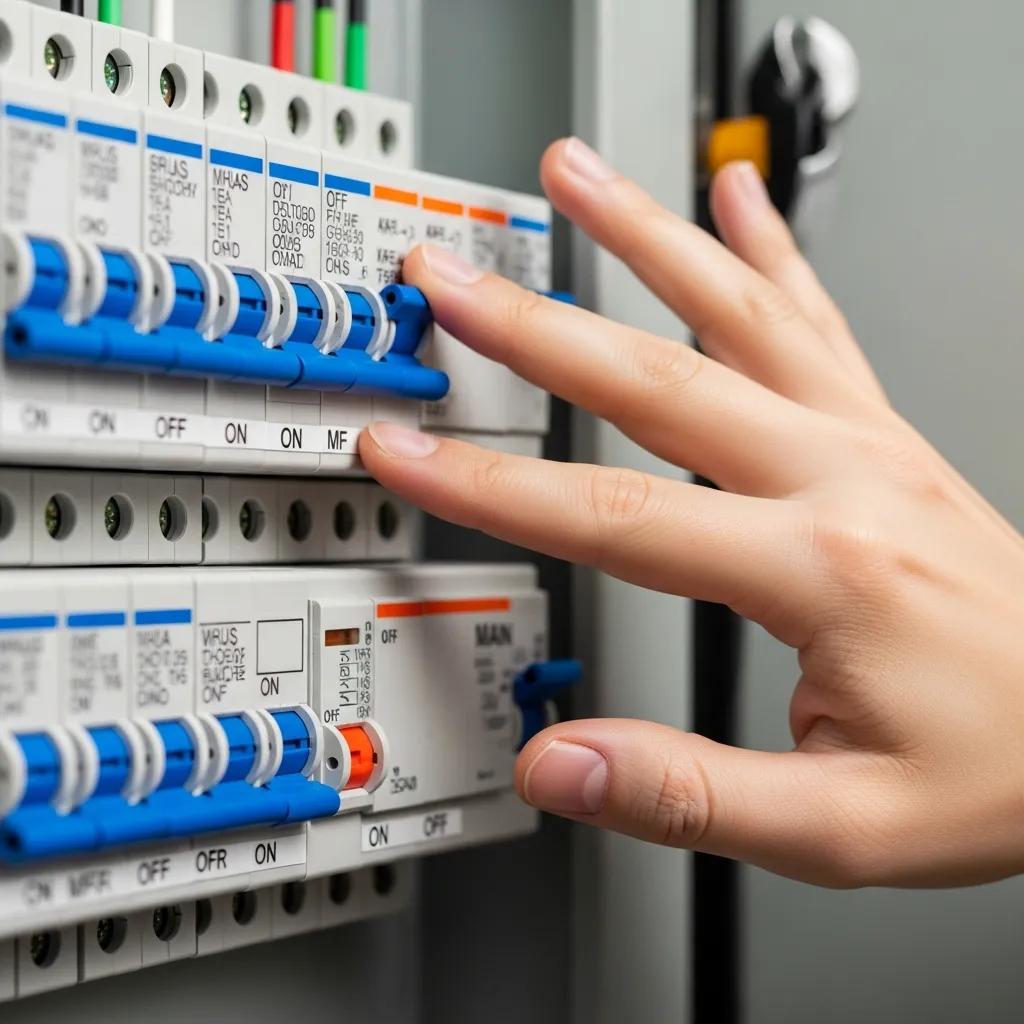
Power supply issues are a primary reason electric dryers fail to heat. If the dryer is not receiving adequate power, it cannot generate the necessary heat. Common problems include tripped circuit breakers or faulty power cords. To troubleshoot, check the circuit breaker panel for any tripped breakers and ensure the power cord is securely connected to the outlet. If the breaker is fine and the cord is intact, consider testing the outlet with a multimeter to confirm it is providing the correct voltage (typically 240 volts for electric dryers).
What Role Does Gas Supply Play in Gas Dryer Heating Problems?
For gas dryers, the gas supply is crucial for heating. If there is an issue with the gas line or the dryer’s gas valve, the dryer will not heat properly. Start by checking that the gas valve is open and that there are no leaks in the gas line. Additionally, inspect the igniter to ensure it is functioning correctly. If the igniter is faulty, it will need to be replaced to restore heating functionality.
How Can You Troubleshoot Power and Electrical Components in Dryers?
Troubleshooting the electrical components of your dryer is essential for identifying heating issues. This section outlines the steps to check and reset circuit breakers and test the heating element.
How to Check and Reset Circuit Breakers for Electric Dryers
- Locate the breaker box: Find the circuit breaker panel in your home.
- Identify the dryer circuit: Look for the breaker labeled for the dryer.
- Reset the breaker: If the breaker is tripped, switch it off and then back on to reset it.
This simple step can often resolve heating issues caused by power interruptions.
How to Test the Dryer Heating Element Using a Multimeter
- Unplug the dryer: Ensure safety by disconnecting the power supply.
- Access the heating element: Remove the back panel of the dryer to locate the heating element.
- Use a multimeter: Set the multimeter to the ohms setting and test the heating element terminals. A reading of infinite resistance (no continuity) indicates a faulty element that needs replacement.
By following these steps, you can effectively determine if the heating element is the source of the problem.
What Are the Steps to Diagnose and Repair Airflow and Safety Issues?
Airflow issues can significantly impact your dryer’s heating efficiency. Proper diagnosis and repair are essential for optimal performance.
How to Clean and Inspect the Lint Trap and Dryer Vent for Blockages
- Remove the lint trap: Take out the lint trap and clean it thoroughly.
- Inspect the vent: Check the vent for any blockages or lint buildup.
- Clean the vent: Use a vacuum or a vent cleaning brush to remove any obstructions.
Regular cleaning helps prevent overheating and ensures efficient drying.
How to Locate, Test, and Replace a Blown Thermal Fuse in Your Dryer
- Unplug the dryer: Ensure safety by disconnecting the power supply.
- Locate the thermal fuse: It is usually found on the blower housing or near the heating element.
- Test the fuse: Use a multimeter to check for continuity. If there is no continuity, replace the fuse.
Replacing a blown thermal fuse is a straightforward process that can restore heating functionality.
How Do You Identify and Fix Component Failures in Dryers?
Identifying component failures is crucial for effective dryer repairs. This section covers common failures and how to address them.
How to Diagnose and Replace a Faulty Dryer Thermostat
- Unplug the dryer: Ensure safety by disconnecting the power supply.
- Locate the thermostat: It is typically found near the heating element.
- Test the thermostat: Use a multimeter to check for continuity. If it fails the test, replace it.
Replacing a faulty thermostat can restore proper heating cycles in your dryer.
What Are the Signs of Gas Dryer Flame Sensor Issues and How to Repair Them?
Gas dryer flame sensor issues can prevent the dryer from heating. Signs include the dryer running but not heating. To repair:
- Unplug the dryer: Ensure safety by disconnecting the power supply.
- Locate the flame sensor: It is usually near the burner assembly.
- Test the sensor: Use a multimeter to check for continuity. If it is faulty, replace it.
Repairing or replacing a malfunctioning flame sensor is essential for restoring heat in gas dryers.
What Preventative Maintenance Practices Help Avoid Dryer Heating Problems?
Preventative maintenance can significantly reduce the likelihood of heating issues in your dryer. Here are some effective practices.
Which Regular Cleaning Tasks Improve Dryer Heating Efficiency?
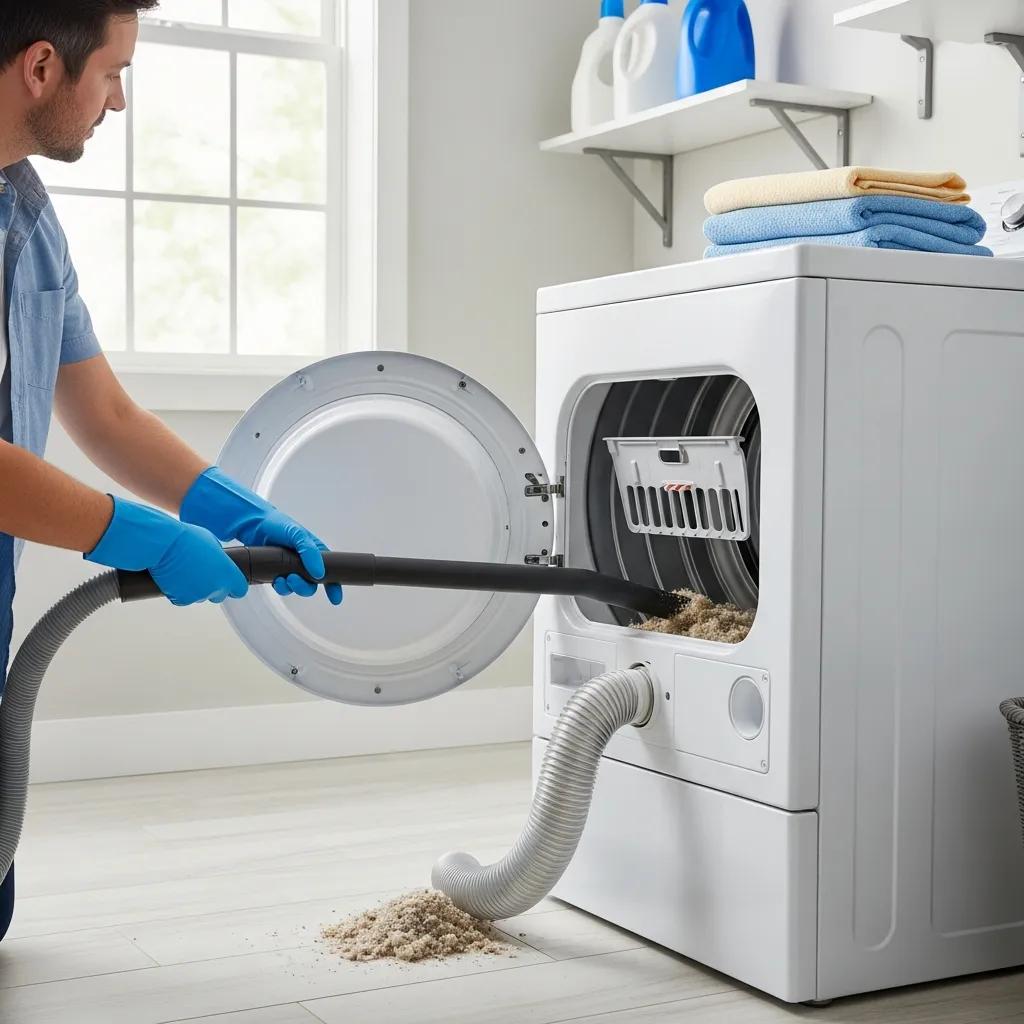
- Cleaning the lint trap: Always clean the lint trap before each use to ensure proper airflow.
- Inspecting the vent: Check the vent for blockages at least once a year.
- Cleaning the dryer drum: Wipe down the drum periodically to remove any residue.
These tasks help maintain optimal performance and prevent overheating.
How Often Should You Schedule Professional Dryer Vent Cleaning?
Scheduling professional dryer vent cleaning is recommended at least once a year. This service ensures that all lint and debris are removed from the venting system, reducing fire hazards and improving efficiency. Regular maintenance can extend the life of your dryer and enhance its performance.
When Should You Call a Professional for Dryer Heating Repairs?
Knowing when to call a professional can save you time and prevent further damage to your dryer.
What Are the Safety Risks of DIY Dryer Repairs?
DIY repairs can pose safety risks, including electrical hazards and fire risks. If you are unsure about any repair, it is best to consult a professional. They have the expertise to handle complex issues safely and effectively.
How to Evaluate Repair Costs: DIY vs. Professional Service
When evaluating repair costs, consider the following:
- DIY Costs: Factor in the cost of parts and tools needed for repairs.
- Professional Service Costs: Get quotes from local repair services to compare.
- Time and Expertise: Consider the time you will spend and your comfort level with repairs.
Weighing these factors can help you make an informed decision about whether to tackle repairs yourself or hire a professional.
| Component | Common Issue | Solution |
|---|---|---|
| Heating Element | No heat | Test and replace if faulty |
| Thermal Fuse | Blown | Test and replace |
| Gas Valve | No gas flow | Check and open valve |
| Maintenance Task | Frequency | Benefit |
|---|---|---|
| Clean lint trap | After each use | Prevents overheating and improves airflow |
| Inspect vent | Annually | Reduces fire risk |
| Professional cleaning | Annually | Maintains efficiency |
By following this guide, you can effectively troubleshoot and repair your dryer heating issues, ensuring your appliance operates efficiently and safely.