
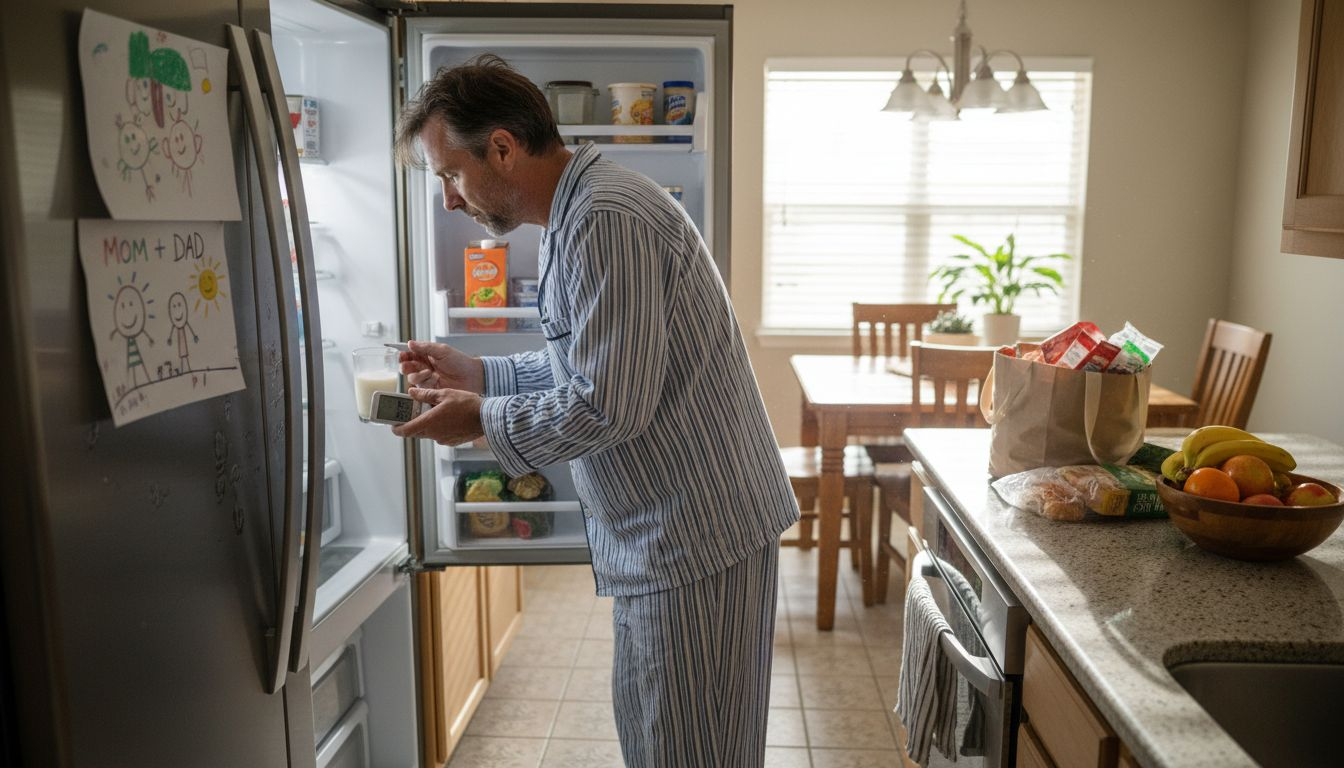
Most homeowners believe refrigerators produce cold air, but they actually work by removing heat. This misunderstanding causes confusion when your fridge struggles to stay cold, and knowing the real process helps you identify problems faster. Understanding how your refrigerator maintains proper temperatures protects your food investment and prevents costly energy waste in Marlboro’s varying climate.
Table of Contents
- How Refrigerators Stay Cold: The Refrigeration Cycle Explained
- Key Components That Regulate Refrigeration Temperature
- Common Causes of Cooling Failure in Residential Refrigerators
- Troubleshooting Your Refrigerator: Homeowner Steps Before Repair Calls
- Comparison of Refrigeration Technologies: Vapor Compression vs. Thermoelectric
- Common Misconceptions About Refrigerator Cooling
- Conclusion: Maintaining Cold and When to Call a Professional in Marlboro, NJ
- Get Expert Refrigerator Repair and Maintenance in Marlboro, NJ
Key Takeaways
| Point | Details |
|---|---|
| Refrigeration Cycle | Refrigerators remove heat through a sealed refrigerant system using compression, condensation, expansion, and evaporation phases. |
| Critical Components | Thermostats, compressors, condenser coils, and door gaskets work together to regulate temperature and maintain efficiency. |
| Common Failures | Dirty coils can reduce efficiency by 30%, while damaged gaskets and refrigerant leaks cause most cooling problems. |
| Simple Maintenance | Regular coil cleaning and gasket inspections prevent 60% of common cooling issues and extend appliance life. |
| Professional Help | Persistent warming, strange noises, or frost buildup signal the need for expert repair to avoid food spoilage. |
How Refrigerators Stay Cold: The Refrigeration Cycle Explained
Your refrigerator doesn’t manufacture cold. It removes heat from inside the compartment and releases it outside through a continuous cycle called vapor compression refrigeration. This process relies on refrigerant, a special fluid that changes between liquid and gas states to transfer heat efficiently.
The refrigeration cycle operates in four distinct phases that work together seamlessly. Understanding these phases helps you recognize when something goes wrong.
- Evaporation Phase: Liquid refrigerant inside the evaporator coils absorbs heat from your food compartment, causing the refrigerant to evaporate into a gas. This heat absorption is what cools your fridge interior.
- Compression Phase: The compressor pressurizes the refrigerant gas, dramatically increasing its temperature and pressure. This prepares the refrigerant to release the absorbed heat.
- Condensation Phase: Hot, pressurized refrigerant flows through condenser coils on the back or bottom of your fridge. As it releases heat to the surrounding air, the refrigerant condenses back into liquid form.
- Expansion Phase: An expansion valve reduces the pressure of the liquid refrigerant, cooling it significantly before it re-enters the evaporator coils to start the cycle again.
Your fridge’s thermostat monitors the internal temperature constantly. When temperatures rise above your set point, the thermostat signals the compressor to start cycling. When the desired temperature is reached, the compressor stops until needed again. This on-and-off cycling is normal and helps maintain consistent cooling without wasting energy.
The key refrigerator parts explained work in harmony to create this continuous heat removal process. Refrigerators remove heat by circulating refrigerant through compression, condensation, expansion, and evaporation phases, making them sophisticated heat pumps rather than simple cooling boxes.
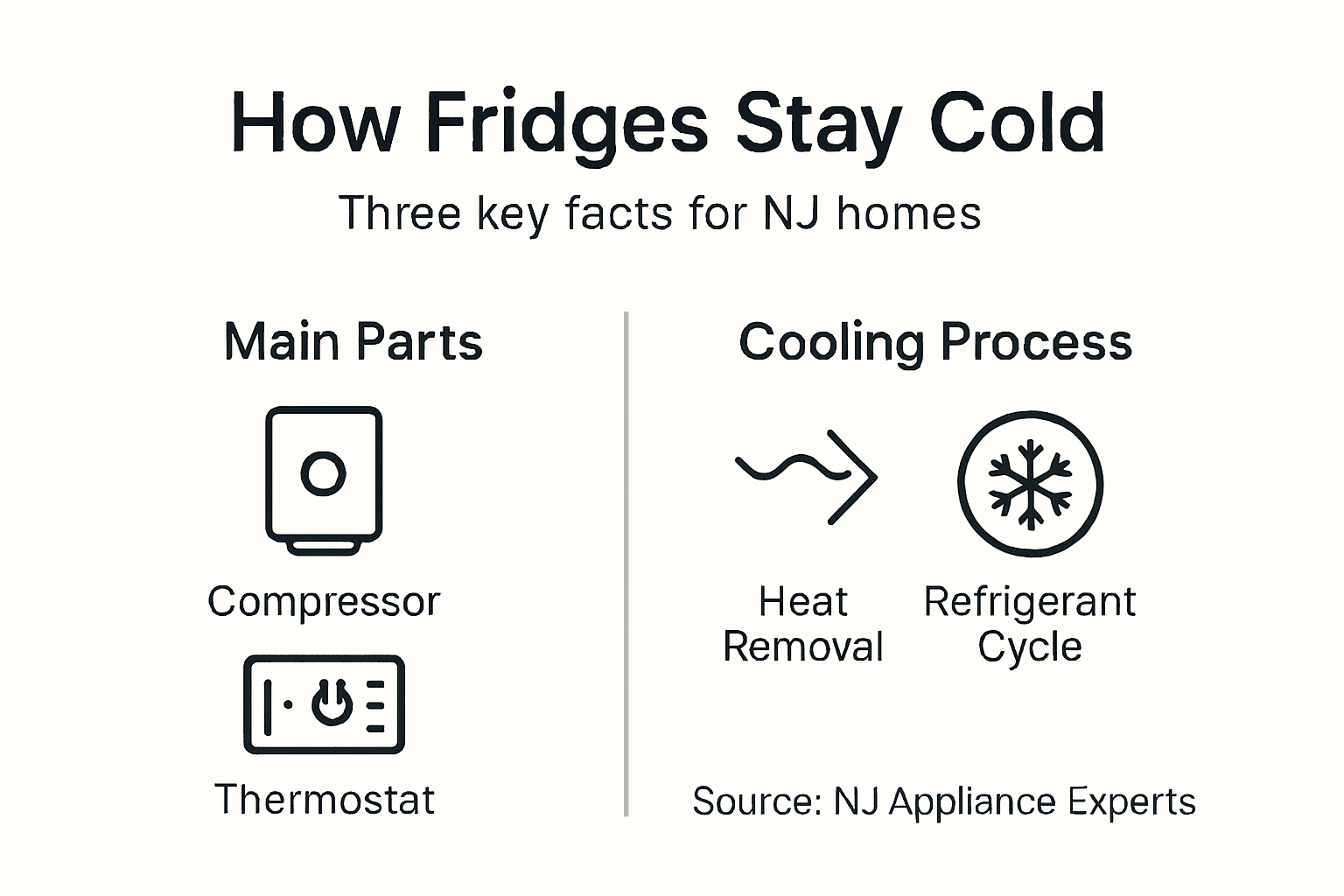
Key Components That Regulate Refrigeration Temperature
Several critical components control how effectively your refrigerator maintains cold temperatures. Each part plays a specific role in the cooling cycle, and failure of any component can compromise your entire appliance.
The thermostat acts as your refrigerator’s brain. The thermostat controls when the compressor runs to maintain temperature, sensing internal conditions and triggering cooling cycles as needed. Modern digital thermostats provide more precise temperature control than older mechanical versions, reducing temperature fluctuations.
Your compressor is the hardest-working component. This motorized pump pressurizes refrigerant gas and pushes it through the system. You’ll hear the compressor kick on with a low humming sound when cooling begins. A failing compressor often makes clicking, buzzing, or grinding noises that signal trouble.
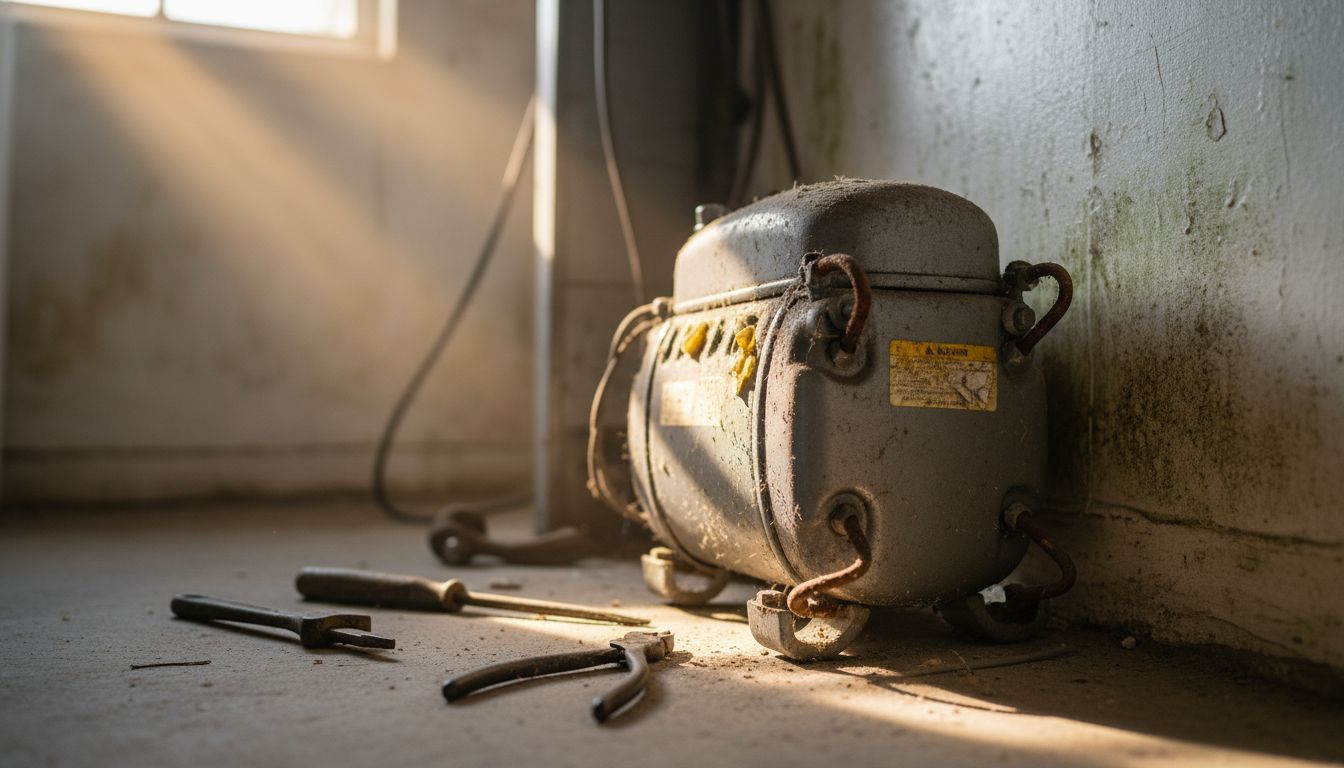
Condenser coils release the heat your fridge removes from inside. These coils, typically located on the back panel or underneath the unit, must dissipate heat efficiently into your kitchen air. When dust and debris coat these coils, heat release slows dramatically, forcing your compressor to work harder and longer.
Door gaskets create an airtight seal around your refrigerator compartment. These rubber strips prevent warm kitchen air from entering and cold air from escaping. Even small gaps or tears in gaskets can cause significant temperature problems.
Pro Tip: Test your door gasket by closing the door on a dollar bill. If you can pull the bill out easily, your gasket needs replacement. A proper seal should grip the paper firmly all around the door.
These key refrigerator components must function correctly together. When one part fails, others compensate by working overtime, which accelerates wear and increases energy consumption throughout your appliance.
Common Causes of Cooling Failure in Residential Refrigerators
Refrigerator cooling problems usually stem from a handful of common issues. Recognizing these causes early helps you prevent food spoilage and expensive emergency repairs.
Refrigerant leaks represent serious problems requiring immediate professional attention. Low refrigerant levels reduce cooling capacity significantly because there’s insufficient fluid to absorb and transfer heat. You might notice your fridge running constantly but failing to reach proper temperatures.
Dirty condenser coils can reduce efficiency by up to 30%, leading to inadequate cooling. Dust accumulation acts as insulation, preventing heat from escaping into the air. This common issue develops gradually over months or years, so you might not notice declining performance until the problem becomes severe.
Damaged door gaskets create air leaks that constantly introduce warm, moist air into your refrigerator. Your compressor runs more frequently trying to compensate, wasting energy and wearing out faster. Look for condensation around door edges or frost buildup inside as warning signs.
Thermostat malfunctions prevent proper temperature regulation. A faulty thermostat might not signal the compressor to start, leaving your fridge too warm, or it might cause the compressor to run nonstop, freezing everything inside. Temperature inconsistency is the primary symptom.
Compressor failures stop the refrigeration cycle completely. This critical component can fail due to electrical problems, mechanical wear, or overheating from other issues. Complete cooling loss despite the fridge having power often indicates compressor failure.
Pro Tip: Keep a thermometer inside your fridge to monitor actual temperatures. Your refrigerator should maintain 35 to 38°F consistently. Temperatures above 40°F risk bacterial growth and food spoilage.
Recognizing these failure patterns helps you determine whether simple maintenance or professional refrigerator maintenance tips will solve your cooling issues. Early detection prevents minor problems from becoming major repairs.
Troubleshooting Your Refrigerator: Homeowner Steps Before Repair Calls
You can diagnose and fix several common refrigerator problems yourself before calling for professional service. These straightforward checks often identify simple issues that don’t require expert intervention.
-
Inspect Door Gaskets Thoroughly: Run your hand along all door edges feeling for cool air escaping. Check for visible cracks, tears, or sections where the gasket pulls away from the door frame. Clean gaskets with warm soapy water to remove food residue that prevents proper sealing.
-
Clean Condenser Coils Every Six Months: Unplug your refrigerator for safety. Locate coils on the back panel or underneath the unit. Use a coil brush or vacuum with a brush attachment to remove dust, pet hair, and debris. This simple task restores heat dissipation and can immediately improve cooling.
-
Verify Thermostat Settings Are Appropriate: Confirm your temperature setting falls between 35 and 38°F for the refrigerator compartment and 0°F for the freezer. Accidentally adjusted controls are surprisingly common. Wait 24 hours after adjusting to assess whether cooling improves.
-
Listen for Compressor Operation Sounds: Put your ear near the bottom back of the fridge. You should hear the compressor cycle on with a steady hum every few hours. Silence, clicking without starting, or loud grinding noises indicate compressor problems requiring professional diagnosis.
-
Check Air Circulation Inside Compartments: Ensure you’re not overloading shelves or blocking vents with food items. Air must circulate freely around items to maintain even cooling throughout the compartment.
Pro Tip: Checking door gasket integrity and cleaning condenser coils regularly can prevent 60% of common refrigerator cooling issues, saving you the cost and inconvenience of service calls.
These troubleshooting steps in our step-by-step refrigerator troubleshooting guide empower you to resolve minor problems quickly. Following these refrigerator maintenance tips extends your appliance’s lifespan and improves energy efficiency substantially.
Comparison of Refrigeration Technologies: Vapor Compression vs. Thermoelectric
Two main refrigeration technologies exist for cooling applications, though you’ll find vapor compression in virtually all household refrigerators. Understanding why helps explain your fridge’s performance characteristics.
Vapor compression refrigeration uses the phase-change cycle described earlier with circulating refrigerant. This technology excels at removing large amounts of heat efficiently, making it ideal for cooling entire food compartments. The system can maintain temperatures 40 to 50 degrees below ambient room temperature reliably.
Thermoelectric cooling relies on the Peltier effect, where electrical current flowing through two different conductors creates a temperature difference. One side gets cold while the other releases heat. You’ll find this technology in small wine coolers, portable coolers, and compact office fridges.
| Feature | Vapor Compression | Thermoelectric |
|---|---|---|
| Cooling Power | High capacity, cools 40-50°F below ambient | Limited capacity, cools 20-25°F below ambient |
| Energy Efficiency | Highly efficient for large spaces | Less efficient, better for small volumes |
| Maintenance | Requires periodic coil cleaning | Minimal maintenance needed |
| Noise Level | Moderate (compressor cycling sounds) | Very quiet (no moving parts) |
| Typical Applications | Full-size home refrigerators and freezers | Wine coolers, mini fridges, portable units |
| Lifespan | 10-20 years with proper maintenance | 5-10 years typical |
Vapor compression dominates household refrigeration because it delivers superior cooling capacity and energy efficiency for the space requirements of family food storage. The technology’s proven reliability and effectiveness outweigh the minor noise and maintenance considerations.
Thermoelectric systems work well for specialized applications where quiet operation matters more than cooling power. However, they cannot match vapor compression’s ability to maintain safe food storage temperatures in varying ambient conditions.
Common Misconceptions About Refrigerator Cooling
Several persistent myths confuse homeowners about refrigerator operation and optimal usage practices. Clearing up these misconceptions helps you use your appliance more effectively.
-
Myth: Refrigerators Produce Cold Air: Refrigerators remove heat rather than creating cold. This fundamental misunderstanding causes confusion about why cooling takes time and why outside surfaces feel warm. The heat your fridge removes from inside must go somewhere, which is why condenser coils and the compressor area feel hot.
-
Myth: Colder Settings Always Preserve Food Better: Setting your thermostat to the coldest setting doesn’t improve food safety and wastes significant energy. Temperatures below 35°F can partially freeze fresh produce and dairy products, affecting texture and quality. The optimal range of 35 to 38°F balances safety with food quality.
-
Myth: Cooling Happens Instantly After Closing the Door: Your refrigerator needs time to remove the warm air that entered when you opened the door. The refrigerant cycle must circulate multiple times to restore proper temperature. This process typically takes 15 to 30 minutes depending on how long the door stayed open.
-
Myth: Emptier Refrigerators Cool More Efficiently: Cold food items actually help maintain temperature by acting as thermal mass. When you open the door, stored cold food helps stabilize temperature faster than an empty fridge where warm air fills the entire space. However, overpacking blocks air circulation, so balance is key.
-
Myth: You Should Never Clean Behind Your Refrigerator: Regular cleaning behind and underneath your fridge is essential maintenance. Dust-covered condenser coils dramatically reduce cooling efficiency and force your compressor to work harder, shortening its lifespan.
Understanding these realities helps you set appropriate expectations and avoid practices that waste energy or harm food quality. Proper refrigerator use based on how the appliance actually works saves money and extends equipment life.
Conclusion: Maintaining Cold and When to Call a Professional in Marlboro, NJ
Your refrigerator’s ability to stay cold depends on regular maintenance and prompt attention to warning signs. Simple preventive care dramatically reduces the risk of unexpected failures and food spoilage.
Routine maintenance preserves efficiency and prevents most emergency breakdowns. Cleaning condenser coils twice yearly, inspecting door gaskets monthly, and monitoring internal temperatures weekly catch problems before they escalate. These small time investments protect your food and your wallet.
- Persistent Temperature Problems: When your fridge can’t maintain 35 to 38°F despite proper thermostat settings, professional diagnosis identifies underlying issues.
- Unusual Noises: Grinding, clicking, or loud humming from the compressor area signals mechanical problems requiring expert attention.
- Excessive Frost Buildup: Ice accumulation inside fresh food compartments or around door seals indicates air leaks or defrost system failures.
- Visible Leaks: Water pooling under or inside your refrigerator points to drain blockages, damaged water lines, or condensation issues.
- Constant Running: A compressor that never cycles off works too hard, wasting energy and risking premature failure.
Local fridge repair experts in NJ and NY provide rapid response when these signs you need urgent appliance repair appear. Professional technicians diagnose complex refrigeration problems accurately and make repairs that restore proper cooling quickly.
Scheduling regular appliance service in Marlboro catches developing issues during routine checkups. Preventive service costs far less than emergency repairs and protects against sudden cooling failures that spoil an entire refrigerator full of groceries.
Acting promptly when cooling problems emerge saves money and protects your household’s food safety. The knowledge you’ve gained helps you maintain your refrigerator effectively and recognize when professional expertise becomes necessary.
Get Expert Refrigerator Repair and Maintenance in Marlboro, NJ
When your refrigerator shows signs of cooling problems, Expert Appliance delivers fast, reliable repair services throughout Marlboro and Monmouth County. Our experienced technicians diagnose issues accurately and restore proper cooling quickly to prevent food spoilage.
We service all major appliance repair for top brands and provide comprehensive maintenance to extend your refrigerator’s lifespan. Our appliance and vacuum repair services cover everything from simple gasket replacements to complex compressor repairs. Use our detailed appliance maintenance checklist for homeowners to keep your refrigerator running efficiently between service visits. Call today to schedule service and protect your food investment with professional care.
Frequently Asked Questions
How often should I clean the condenser coils on my refrigerator?
Condenser coils should be cleaned every six months to prevent dust buildup that reduces cooling efficiency. Regular cleaning can lower energy consumption by up to 30% and extend your refrigerator’s operational life significantly.
What are signs my refrigerator’s thermostat is malfunctioning?
Inconsistent internal temperatures, constant compressor running without reaching set temperature, or failure to cycle on and off normally indicate thermostat problems. Adjusting temperature settings without any resulting change in cooling also signals thermostat failure requiring professional inspection.
Can I fix a refrigerant leak myself?
Refrigerant leaks require certified professionals with proper equipment and EPA certification. DIY repairs are unsafe, illegal, and ineffective because refrigerant handling requires specialized training and tools. Prompt professional repair prevents further cooling loss and protects your appliance from additional damage.
How does door gasket damage impact my refrigerator’s cooling?
Damaged gaskets allow warm air to enter continuously, forcing your refrigerator to run longer cycles and significantly raising energy costs. Even small tears or gaps compromise the seal enough to cause temperature problems. Inspect gaskets regularly and replace them when you notice cracks, deformation, or cooling issues.