

A stubborn stove that will not ignite can quickly derail dinner plans and raise real concerns about kitchen safety for Marlboro families. Stove ignition issues go beyond simple inconvenience and may spark hazards that could affect your entire home, especially since cooking is the leading cause of home fires and injuries in the United States. Homeowners in Marlboro, New Jersey can count on practical guidance here for identifying the cause of ignition problems and knowing when professional repair is necessary to keep every kitchen safe.
Table of Contents
- Stove Ignition Basics and Common Myths
- Different Stove Ignition Systems Explained
- How Gas and Electric Ignition Mechanisms Work
- Safety Risks and Preventing Stove Accidents
- Troubleshooting Ignition Issues and When to Call an Expert
Key Takeaways
| Point | Details |
|---|---|
| Stove Ignition Complexity | Understanding stove ignition involves recognizing that gas and electric stoves utilize different mechanisms for flame initiation and require careful attention to safety practices. |
| Myth-Busting | Dispel common myths about stove fires; ignition can occur at lower temperatures due to grease or unattended cooking equipment. |
| Safety Precautions | Always maintain kitchen safety by staying near the stove while cooking, keeping flammable materials away, and having a fire extinguisher accessible. |
| Troubleshooting Awareness | Be proactive about troubleshooting ignition issues, but call a professional for serious problems like gas leaks or burnt wires to ensure safety. |
Stove Ignition Basics and Common Myths
Stove ignition processes are more complex than most homeowners realize. Cooking fires represent a significant home safety risk across New Jersey kitchens, with unattended equipment being the primary culprit for potential accidents.
Understanding how stoves ignite involves recognizing multiple potential spark sources. Gas stoves typically use electrical spark mechanisms or pilot lights to initiate flame, while electric stoves rely on heating elements that generate intense thermal energy. The fundamental ignition process requires three key components: fuel, oxygen, and an ignition source.
Common myths about stove ignition can lead to dangerous misconceptions. Contrary to popular belief, fires do not exclusively start from high heat. Grease overheating or boiling can create significant fire risks, even at seemingly moderate temperatures. Kitchen safety demands constant vigilance and understanding of potential ignition scenarios.
Key risks associated with improper stove usage include:
- Unattended cooking equipment
- Flammable materials near heat sources
- Electrical component malfunctions
- Grease buildup on cooking surfaces
- Faulty ignition mechanisms
Pro tip: Always keep a fire extinguisher within reach and never leave cooking equipment unattended, especially when using high heat or cooking with oils.
Different Stove Ignition Systems Explained
Modern kitchens utilize various sophisticated ignition technologies that ensure reliable and efficient cooking experiences. Gas stoves, electric ranges, and innovative induction cooktops represent the primary types of stove ignition systems used in New Jersey households.
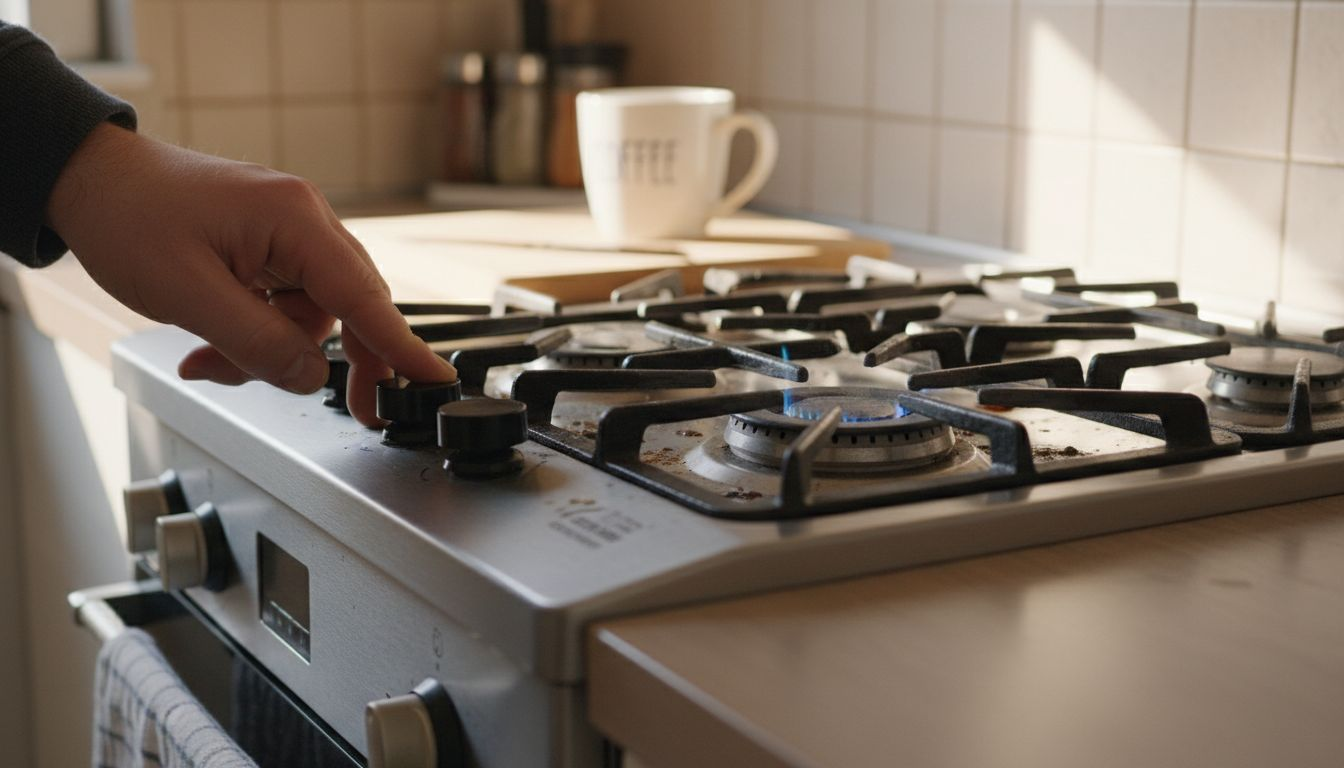
Traditional gas stoves rely on piezoelectric spark generators or pilot lights to create flame. These systems use mechanical pressure on specialized crystals to generate high-voltage electrical sparks, allowing instant and consistent ignition without requiring external electricity. Piezo ignition mechanisms are particularly reliable, typically built directly into stove control knobs for convenient operation.
Induction stove technology represents a significant advancement in cooking appliance design. Electromagnetic heating systems generate heat directly within cookware, offering remarkable energy efficiency and enhanced safety. Unlike traditional gas or electric stoves, induction cooktops heat only the pan, leaving the surface relatively cool and reducing potential burn risks.
Key characteristics of different stove ignition systems include:
- Gas stoves: Piezoelectric or pilot light ignition
- Electric stoves: Heating element activation
- Induction stoves: Electromagnetic field generation
- Reliability of spark mechanism
- Energy consumption variations
Pro tip: When selecting a new stove, consider the ignition system’s efficiency, safety features, and compatibility with your existing kitchen infrastructure.
Here’s a quick comparison of common stove ignition systems and their key attributes:
| Stove Type | Ignition Method | Energy Efficiency | Maintenance Needs |
|---|---|---|---|
| Gas (Piezo) | Mechanical spark | Moderate | Clean burners regularly |
| Gas (Pilot Light) | Continuous flame | Lower due to always-on | Check for flame stability |
| Electric Range | Heating element | Moderate to High | Inspect wires/elements |
| Induction | Electromagnetic field | High | Clean cooktop surface |
How Gas and Electric Ignition Mechanisms Work
Modern stoves employ sophisticated spark ignition systems that ensure reliable and safe cooking experiences across New Jersey kitchens. The fundamental difference between gas and electric stove ignition mechanisms lies in their energy conversion and spark generation techniques.
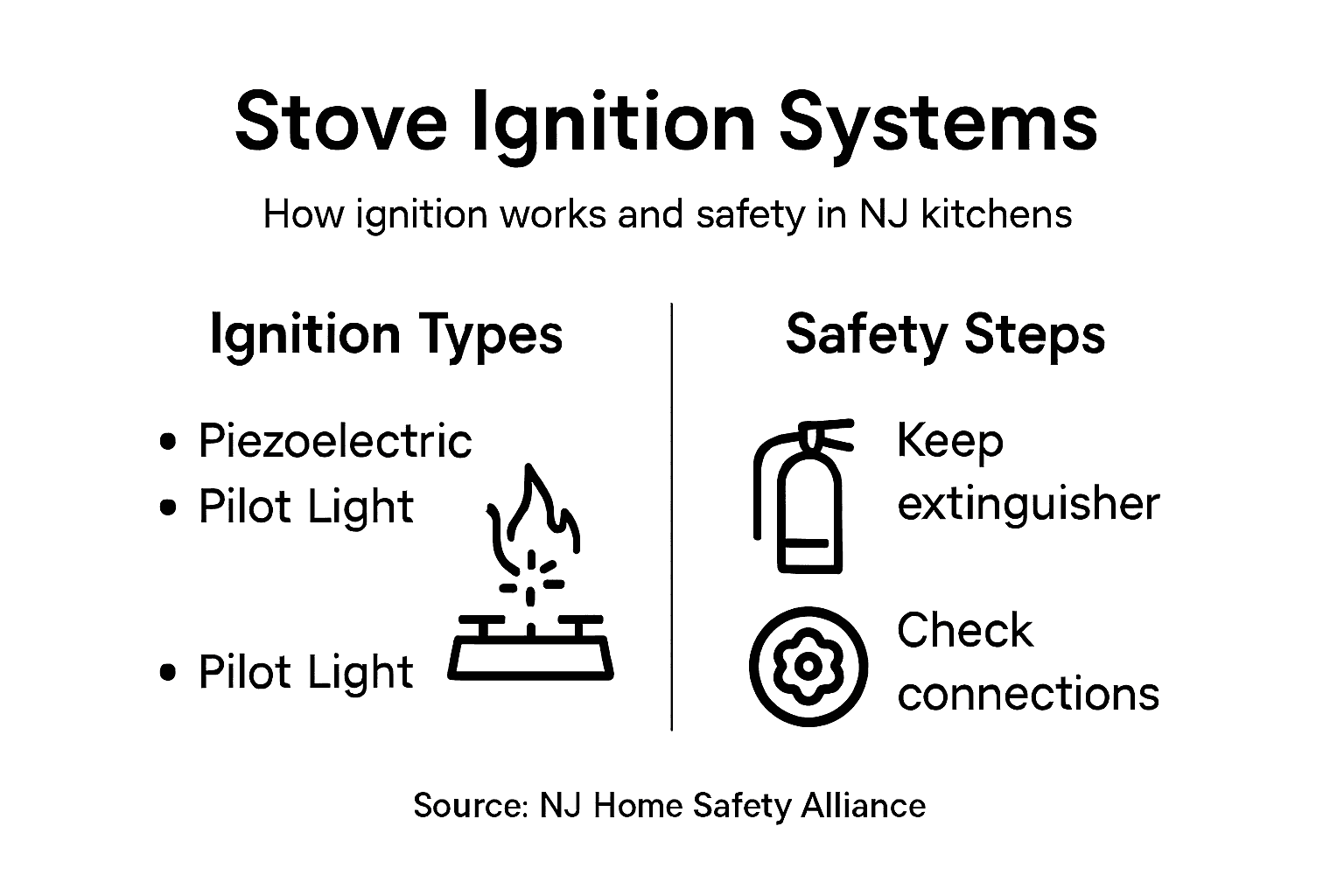
Gas stoves utilize piezoelectric ignition technology, which creates a high-voltage electrical spark through mechanical compression of specialized crystals. When a burner knob is turned, the piezo mechanism generates an instant spark that ignites the gas flow, creating a controlled flame without requiring external battery power. Piezoelectric crystal mechanisms are remarkably efficient, providing consistent and immediate ignition with minimal maintenance.
Electric stoves, in contrast, rely on resistance heating elements that convert electrical energy directly into thermal energy. These heating elements are typically made of nichrome wire or ceramic materials that generate intense heat when electrical current passes through them. The ignition process is essentially instantaneous, with the heating element warming up within seconds of being activated by the stove’s control mechanism.
Key differences between gas and electric ignition systems include:
- Fuel source dependency
- Spark generation method
- Heat distribution characteristics
- Maintenance requirements
- Energy efficiency levels
Pro tip: Regularly inspect your stove’s ignition system and clean around burners to ensure optimal performance and prevent potential safety hazards.
Safety Risks and Preventing Stove Accidents
Cooking fires represent a significant home safety risk across New Jersey households, with unattended cooking equipment being the primary culprit for potential accidents. Understanding and implementing proper kitchen safety practices can dramatically reduce the likelihood of dangerous incidents.
Gas stoves introduce additional complexities, as they emit indoor air pollutants that can compromise respiratory health. Indoor air pollution from gas stoves includes harmful substances like nitrogen dioxide and methane, which can trigger respiratory issues such as asthma. Proper ventilation and regular maintenance are critical for mitigating these risks.
Kitchen safety demands constant vigilance and proactive prevention. Homeowners should implement strategies to minimize potential fire hazards and protect their families from accidental injuries. Critical safety practices include maintaining a clean cooking area, keeping flammable materials away from heat sources, and never leaving cooking equipment unattended.
Key safety strategies for preventing stove-related accidents include:
- Standing by the stove during cooking
- Turning off burners when leaving the kitchen
- Keeping fire extinguishers readily accessible
- Maintaining proper ventilation
- Regularly cleaning cooking surfaces
- Checking electrical and gas connections
- Installing smoke detectors near cooking areas
Pro tip: Create a designated three-foot “safety zone” around your stove, keeping children and flammable items clear to prevent potential accidents.
Troubleshooting Ignition Issues and When to Call an Expert
Kitchen appliance safety demands vigilance, particularly when experiencing stove ignition system problems. Homeowners should understand the difference between minor troubleshooting steps and situations requiring professional intervention.
Common ignition issues typically manifest through specific warning signs. Intermittent sparking, unusual clicking sounds, gas odors without flame, or repeated circuit breaker trips indicate potential underlying problems. Gas stoves might experience pilot light failures, while electric stoves could have heating element malfunctions that compromise safe operation.
Warning indicators suggesting immediate professional assistance include:
- Persistent electrical burning smells
- Visible wire damage or fraying
- Inconsistent flame patterns
- Repeated ignition failures
- Circuit breaker repeatedly tripping
- Unusual sounds during operation
- Gas leaks or strong gas odors
Diagnostic steps before calling an expert involve basic safety checks. Ensure gas connections are secure, electrical plugs are intact, and no visible damage exists. However, never attempt complex repairs if you are uncertain, as improper intervention can escalate safety risks.
The following table outlines expert tips for troubleshooting stove ignition concerns versus situations requiring a safety professional:
| Issue Observed | User Troubleshooting Step | Call a Professional If |
|---|---|---|
| Stove not sparking | Check connections and power | Burning smell or wire damage |
| Flame inconsistent | Clean burner or contacts | Gas odor or noisy ignition |
| Heating element slow to heat | Ensure power cord is secure | Circuit breaker keeps tripping |
| Pilot light out | Relight pilot per manual | Pilot won’t stay lit |
Pro tip: Always keep a fire extinguisher nearby and know your stove’s emergency shut-off procedures before attempting any diagnostic procedures.
Keep Your New Jersey Kitchen Safe with Expert Appliance Repair
Understanding how stoves ignite reveals the risks of faulty ignition systems and unattended cooking. If you face issues like inconsistent sparking or pilot light failures, these common problems can quickly turn dangerous without fast and reliable repair. At Expert Appliance Repair, we specialize in resolving stove ignition concerns to keep your Marlboro, NJ kitchen safe and efficient.

Don’t wait for a minor ignition problem to become an emergency. Benefit from same-day service, 24/7 support, and experienced technicians who understand the importance of stove safety and maintenance. Visit Expert Appliance Repair now to schedule your service or learn more about preventing stove-related accidents. Protect your home and loved ones by acting today with trusted local appliance solutions from our family-owned business serving Monmouth County.
Explore our quick stove ignition repair services here and take control of kitchen safety.
Frequently Asked Questions
How do gas and electric stoves ignite differently?
Gas stoves typically use piezoelectric ignition systems or pilot lights to create a flame through electrical sparks, while electric stoves use heating elements that convert electrical energy into thermal energy for immediate heating.
What should I do if my stove fails to ignite?
If your stove is not sparking, ensure that the gas connections are secure and that the electrical power is intact. If issues persist, such as gas odors or visible damage, it is best to call a professional for assistance.
How can I prevent stove-related accidents in my kitchen?
To reduce risks, always stay near your stove while cooking, keep flammable materials away from heat sources, maintain clean cooking areas, and have a fire extinguisher readily accessible.
What are the key components needed for a stove to ignite?
The three key components required for the ignition of a stove are fuel (gas or electricity), oxygen, and an ignition source (like an electrical spark or pilot light).
Recommended
- Why Stove Maintenance Matters for NJ Homes – Expert Appliance
- 7 Warning Signs Your Stove Needs Professional Repair – Expert Appliance
- Stove Heat Distribution: Improving Cooking Results Locally – Expert Appliance
- Stove Repair Instructions: Step-by-Step Fixes for Your Home – Expert Appliance
- Poisoning – Mayiclaim