

TL;DR:
- Weather, especially humidity and temperature swings, significantly degrade appliance performance and lifespan.
- Seasonal threats like storms, heat, and freezing directly cause appliance wear, hidden damage, and failures.
- Regular maintenance, inspections, and humidity control help prevent costly weather-related appliance breakdowns.
Most appliance breakdowns in Monmouth County have nothing to do with bad luck or old age. Weather is the silent culprit. From summer humidity that pushes your refrigerator into overdrive, to winter cold that cracks seals on your washing machine, the local climate puts your appliances through stress most homeowners never see coming. Monmouth County sits in a climate zone where seasonal swings are sharp: hot, humid summers, cold winters, and unpredictable spring storms. That combination is harder on your appliances than anywhere with a milder year-round climate. This guide breaks down the science, the seasonal threats, and the practical steps that keep your appliances running longer and your repair bills lower.
Table of Contents
- Why weather matters: The science behind appliance performance
- Seasonal threats: How Monmouth County weather impacts key appliances
- Hidden dangers: Costly consequences most owners overlook
- Prevention and protection: Practical steps for year-round appliance health
- What most appliance guides get wrong about weather effects
- Protect your appliances with expert help
- Frequently asked questions
Key Takeaways
| Point | Details |
|---|---|
| Weather strains appliances | High humidity and temperature swings silently reduce appliance lifespan and efficiency. |
| Seasonal risks | Storms, freezes, and high heat each trigger specific appliance failures if unaddressed. |
| Prevention saves money | Routine, seasonally-timed maintenance avoids costly emergency repairs. |
| Local conditions matter | Monmouth County’s unique weather amplifies the need for targeted appliance care. |
Why weather matters: The science behind appliance performance
Appliances are designed to work within a fairly narrow band of conditions. Manufacturers test them in controlled environments, not in a Monmouth County summer with 90% humidity and a power surge from a thunderstorm. The gap between lab conditions and real-world climate is where most damage happens.
Temperature swings are a major culprit. Metal and rubber components expand when hot and contract when cold. Over time, that constant movement loosens fittings, cracks seals, and stresses motors. A refrigerator gasket that seems fine in October can become brittle and warped by February, allowing warm air to seep in and forcing the compressor to work overtime.
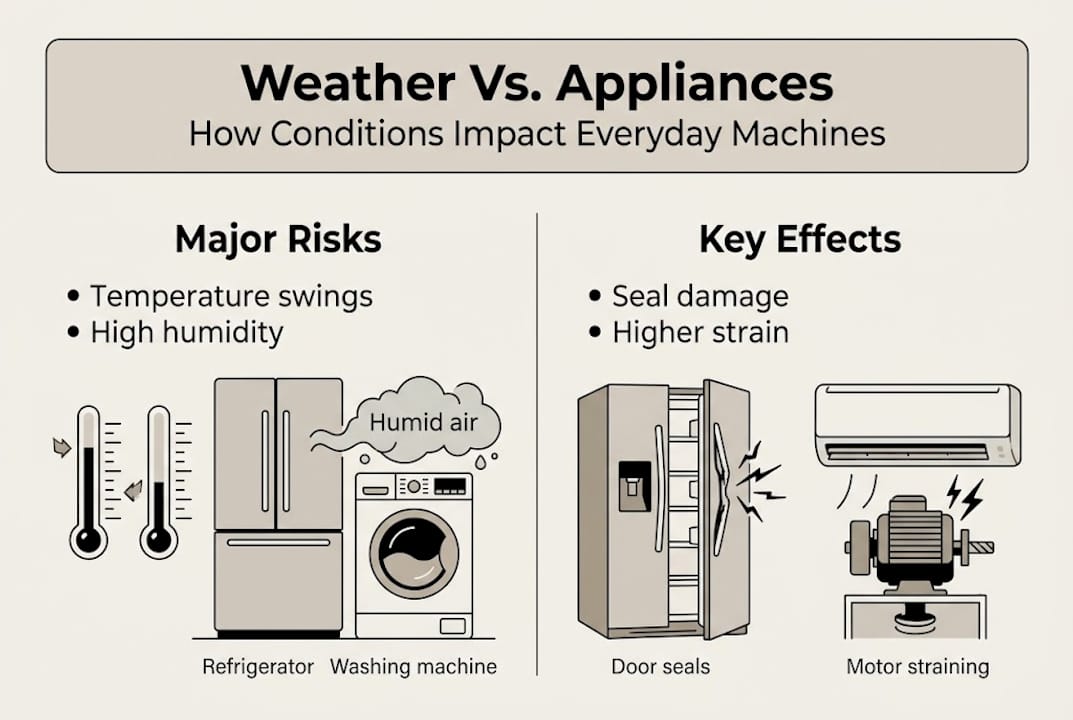
Humidity adds another layer of stress. When relative humidity climbs above 50 to 60 percent, cooling appliances have to work much harder because they are removing both heat and moisture from the air at the same time. This dual burden is called latent load. Research published by MDPI confirms that heat and humidity raise energy use by 10 to 20 percent when relative humidity rises from 40 to 60 percent. For homeowners, that translates directly to higher utility bills and faster component wear.
Here is a quick look at how weather conditions affect common appliances:
| Weather condition | Appliances most affected | Main risk |
|---|---|---|
| High humidity (above 60%) | Refrigerator, AC, dehumidifier | Latent load overwork, mold |
| Extreme heat (above 90°F) | Washer, dryer, refrigerator | Motor strain, overheating |
| Freezing temps (below 32°F) | Dishwasher, washing machine | Burst lines, cracked seals |
| Power surges (storms) | Oven, refrigerator, electronics | Control board failures |
Beyond energy costs, weather-driven wear causes what we call hidden damage. Seals weaken slowly. Coils accumulate grime faster in humid air. Motors run hotter in heat waves. None of these problems trigger an alarm. You often find out about them only when an appliance stops working entirely. The appliance issues homeowners face that seem random are frequently the end result of months of weather-related stress. Unchecked appliance downtime adds up fast, especially for small business owners who depend on equipment every single day.
Seasonal threats: How Monmouth County weather impacts key appliances
Every season in Monmouth County brings its own set of appliance risks. Knowing what to watch for each quarter is the first step to avoiding an expensive surprise.
Spring brings heavy rain and electrical storms. Power surges are one of the most underappreciated causes of appliance damage. A single surge can fry the control board of an oven or refrigerator instantly. Spring also brings moisture into basements, raising humidity around washers, dryers, and water heaters. Water pooling near appliances can accelerate rust and create conditions where mold takes hold.
Summer is brutal for anything that cools. Refrigerators and AC units in Monmouth County run almost continuously during heat waves, and the added humidity means they are fighting both heat and moisture at once. Washing machines also work harder in summer because they handle more loads and are often in hot garages or un-air-conditioned utility rooms.
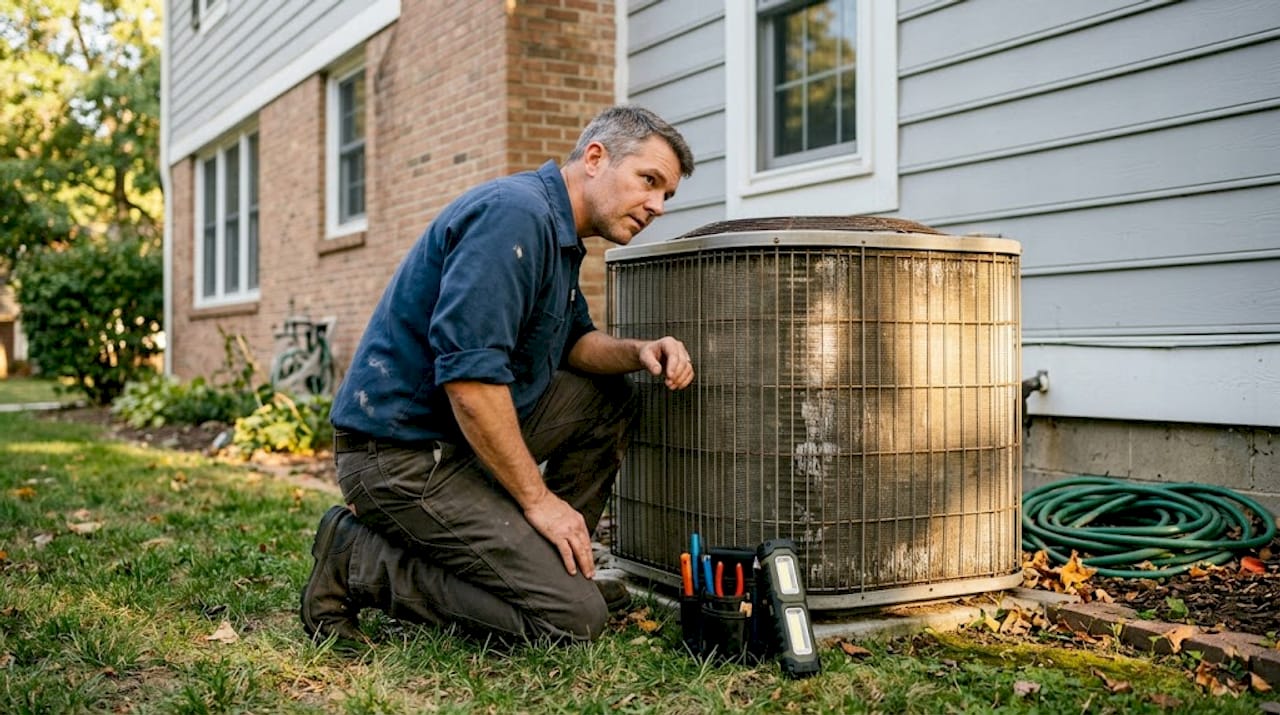
Fall is deceptively dangerous. Leaves and debris clog dryer vents quickly, creating a fire hazard and reducing drying efficiency. Humidity stays high through October in New Jersey, and basements remain at risk for mold growth on and around appliances. Research shows that cold weather contracts seals and pipes, raising burst risks even before winter officially arrives.
Winter delivers the sharpest threats. Frozen pipes burst. Seals on dishwashers and washing machines shrink and crack. Heating appliances run at maximum capacity for weeks at a time, shortening their service life noticeably.
| Season | Most at-risk appliances | Quick check |
|---|---|---|
| Spring | Oven, refrigerator, sump pump | Test surge protectors, check for water pooling |
| Summer | Refrigerator, AC, washer | Clean coils, inspect hoses |
| Fall | Dryer, dehumidifier, water heater | Clear vents, test basement humidity |
| Winter | Dishwasher, washer, furnace | Insulate exposed pipes, check door seals |
Pro Tip: Before each seasonal shift, spend 10 minutes walking through your utility areas. A quick visual check of hoses, vents, and connections often catches a problem before it becomes a repair call.
If you experience storm-related water damage, review a water damage insurance checklist before filing a claim. Pairing that with consistent habits around preventing appliance breakdowns and following appliance troubleshooting tips can help you stay ahead of seasonal damage year-round.
Hidden dangers: Costly consequences most owners overlook
Here is where things get expensive. Weather stress does not just cause immediate failures. It creates conditions where small problems compound into big ones, often over a period of months.
Consider what happens when a refrigerator runs hard through a hot, humid summer. The condenser coils get dirty faster. The compressor cycles more frequently. Seals soften from the heat. By September, the fridge is running 15 percent less efficiently than it was in May. None of that shows up until your food starts spoiling early or your electric bill spikes unexpectedly.
Most appliance failures we see are not random events. They are the predictable outcome of seasonal stress that went unaddressed. The breakdown is just the last step in a process that started months earlier.
The hidden costs extend beyond repair bills:
- Mold and mildew can grow inside washing machines, dishwashers, and around water heaters when humidity goes unchecked, creating health risks and foul odors.
- Electrical faults from repeated power surges quietly degrade control boards over time. One storm might not break anything, but five storms over a season often do.
- Energy waste from an overworked appliance adds up. An appliance running 20 percent less efficiently adds real dollars to your monthly utility bill.
- Shortened lifespan means buying a new appliance years earlier than you should have to.
Research confirms that even moderate humidity above 60% strains appliances and HVAC systems significantly over time. Many homeowners discover this truth only after they face appliance emergencies that require urgent, costly service calls.
One often-missed area is storm-related exterior damage that affects appliances indirectly. Hail can damage HVAC units and outdoor components. Understanding hail damage claims can help you recover costs you might otherwise miss. Catching common appliance failures early, before they escalate, is always the smarter and cheaper path.
Prevention and protection: Practical steps for year-round appliance health
The good news is that protecting your appliances from weather damage does not require expensive equipment or hours of work. Most of it comes down to a few smart habits, applied consistently.
Here are the most effective steps, organized by priority:
- Check and replace door seals and hoses every spring and fall. Rubber degrades with temperature swings. A cracked seal on a refrigerator or washing machine hose is the kind of small problem that becomes a flood or a dead appliance.
- Clean condenser coils and dryer vents twice a year. Dirty coils make refrigerators and AC units work harder. A clogged dryer vent is a fire risk. Both take under 30 minutes.
- Install surge protectors on all major appliances. A quality whole-home surge protector costs less than a single appliance repair call and protects everything in the house simultaneously.
- Monitor indoor humidity with a simple gauge. A basic hygrometer costs under $20 and gives you a real-time read on moisture levels. Keep your home between 40 and 50 percent relative humidity. Research shows that maintaining humidity under 60% significantly reduces stress on appliances while saving energy.
- Schedule professional maintenance checks before summer and winter. A technician can spot worn parts, clean internal components, and flag issues before they cause a breakdown.
Pro Tip: If you hear your refrigerator running more than usual during summer, do not ignore it. That extra runtime is a sign the system is stressed. Check the coils and door seals first. If those look fine, call a technician before the compressor burns out.
Building a consistent appliance maintenance schedule is the single best thing you can do for long-term appliance health. For deeper guidance, the smart appliance maintenance tips we have put together for New Jersey homeowners and the full NJ appliance maintenance checklist make it easy to stay on track. For storm preparedness, reviewing hail damage insurance tips can save you significant money if outdoor units take a hit.
What most appliance guides get wrong about weather effects
Most articles about weather and appliances focus on dramatic scenarios: floods, hurricanes, major storms. That framing misses the real problem entirely.
After decades of working with homeowners across Monmouth County, we have seen that the biggest threat is not the rare disaster. It is the ordinary summer that runs three weeks hotter than usual, or the stretch of rainy spring days that keeps basement humidity at 70 percent for a month. That kind of routine, unremarkable weather quietly chips away at appliance components in ways that never make headlines.
Conventional wisdom says prepare for the worst. What we say is: pay attention to the average. The cumulative stress from everyday humidity and temperature swings causes far more appliance failures than any single storm event. Regular attention through a solid appliance maintenance checklist gives you far more protection than any emergency reaction ever will.
Peace of mind does not come from reacting to a breakdown. It comes from consistent, seasonal habits that keep problems small and manageable.
Protect your appliances with expert help
Now that you understand how Monmouth County weather puts real pressure on your appliances, the best next step is acting on that knowledge before a breakdown forces your hand.

At Expert Appliance Repair, we have served homeowners and small businesses across Monmouth County since 1988. Whether you need appliance and vacuum repair after a tough season or want to get ahead of problems with a maintenance visit, we are ready to help. Explore our appliance maintenance tips to see how easy it is to protect your investment, or check out our dedicated small business appliance guide built specifically for Monmouth County operations. Call us today and let’s keep your appliances running through every season.
Frequently asked questions
How do high humidity levels affect my refrigerator and AC?
High humidity forces your refrigerator and AC to remove both heat and moisture from the air at the same time, which uses significantly more energy. Research shows energy consumption rises 10 to 20% when humidity climbs from 40 to 60 percent, accelerating component wear across both systems.
What appliance failures are most common after a winter freeze?
Burst water lines, cracked door seals, and damaged washing machines or dishwashers are the most frequent failures following a deep freeze. Studies confirm that cold contracts seals and pipes, creating serious risk of ruptures, especially in appliances located in unheated spaces.
What’s the easiest way to prevent weather-related appliance breakdowns?
Schedule seasonal maintenance checks, inspect hoses and seals before each major weather shift, and keep indoor humidity below 60 percent. Research confirms that proactive maintenance and humidity control meaningfully reduce the cumulative stress that leads to unexpected failures.
Is appliance damage from storms covered by insurance?
Coverage varies by policy, but most homeowners insurance plans cover storm-related appliance damage, including hail impact on outdoor HVAC units. Always review your policy details carefully and consult a claims specialist if you are unsure what qualifies for reimbursement.
Recommended
- Role of Appliance Repair for Businesses: Protecting Productivity – Expert Appliance
- 7 proven ways to prevent appliance damage and extend lifespan – Expert Appliance
- Why Appliances Break Down and How It Impacts You – Expert Appliance
- Preventing appliance breakdowns: 5 tips for NJ homeowners – Expert Appliance
- Property Damage Austell – Public Adjusters Atlanta GA | Public Adjusters Georgia