
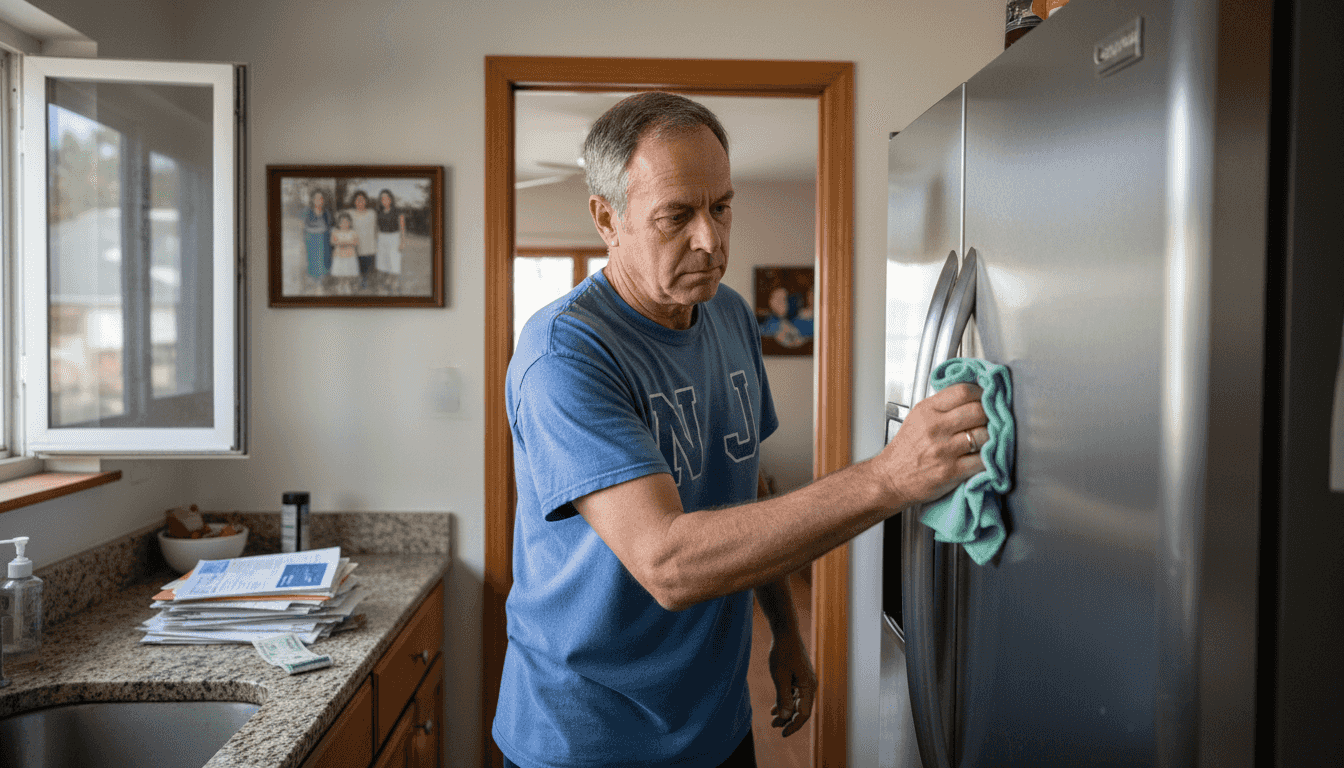
Busy families in Marlboro know that keeping appliances running smoothly is more than routine tidying. Appliance cleaning plays a key role in reducing bacteria and dirt, protecting your investment and helping your home stay healthy. This guide offers practical advice on proper cleaning methods, highlighting how careful maintenance after repairs safeguards both appliance efficiency and household safety.
Table of Contents
- What Appliance Cleaning Really Means
- Types of Appliances and Unique Needs
- How Regular Cleaning Extends Appliance Life
- Energy Savings and Appliance Efficiency
- Health, Safety, and Local Compliance
- Mistakes to Avoid When Cleaning Appliances
Key Takeaways
| Point | Details |
|---|---|
| Comprehensive Cleaning | Appliance cleaning involves removing dirt, grease, and microorganisms to maintain hygiene and functionality. |
| Unique Appliance Needs | Different categories of appliances require specific cleaning methods to ensure optimal performance and longevity. |
| Regular Maintenance Benefits | Consistent cleaning extends appliance lifespan, prevents breakdowns, and enhances energy efficiency. |
| Avoid Common Mistakes | Using incorrect cleaning agents or neglecting manufacturer guidelines can lead to equipment damage and reduced performance. |
What Appliance Cleaning Really Means
Appliance cleaning is more than a simple wipe-down. It’s a comprehensive process designed to remove dirt, grease, and potentially harmful microorganisms from household devices. Proper cleaning involves strategic approaches that go beyond surface-level appearance, focusing on maintaining both hygiene and functionality.
At its core, appliance cleaning encompasses several critical aspects:
- Removing accumulated dirt and grime
- Eliminating potential bacterial and microbial contaminants
- Preventing buildup that could compromise appliance performance
- Maintaining aesthetic and functional integrity of household devices
The goal of thorough appliance cleaning is multifaceted. Cleaning experts recommend systematic removal of unwanted contaminants that can accumulate over time, including soil, food residues, and microscopic organisms that might pose health risks. This process involves more than just visual cleanliness—it’s about creating a safe, hygienic environment for your household.
Professional cleaning approaches typically involve specialized techniques tailored to different appliance types. Kitchen appliances like refrigerators, ovens, and dishwashers require distinct cleaning methods compared to laundry equipment or small electronic devices. Understanding the specific needs of each appliance ensures more effective maintenance and extends their operational lifespan.
Pro tip: Invest in appliance-specific cleaning products and follow manufacturer guidelines to maintain optimal performance and hygiene.
Types of Appliances and Unique Needs
Home appliances represent complex systems designed to simplify household tasks, each with distinct cleaning and maintenance requirements. Home appliance technologies range from major kitchen equipment to small electronic devices, demanding specialized care approaches to preserve their functionality and extend their operational lifespan.
Household appliances can be broadly categorized into several key groups:
-
Kitchen Appliances:
- Refrigerators
- Ovens and stoves
- Dishwashers
- Microwaves
-
Laundry Appliances:
- Washing machines
- Dryers
- Irons
-
Cleaning Appliances:
- Vacuum cleaners
- Steam mops
- Air purifiers
Each appliance category requires unique maintenance strategies. Kitchen appliances like refrigerators demand regular interior cleaning to prevent bacterial growth and eliminate food odors. Laundry equipment needs consistent filter maintenance and careful detergent management to prevent mechanical wear.
Here’s a comparison of cleaning approaches for different appliance categories:
| Appliance Category | Typical Contaminants | Best Cleaning Approach | Risk if Neglected |
|---|---|---|---|
| Kitchen Appliances | Food residues, oils | Disinfect interior, clean coils, use food-safe cleaners | Spoiled food, bacterial growth |
| Laundry Appliances | Lint, detergent film | Clean filters, wipe drum, use specialty cleaners | Reduced efficiency, mechanical issues |
| Cleaning Appliances | Dust, allergens | Change filters, empty dust bins, sanitize surfaces | Poor air quality, lower performance |
Professional cleaning approaches recognize that different appliances have specific material and functional considerations which impact their cleaning protocols. For instance, stainless steel surfaces require non-abrasive cleaners, while plastic components might need gentler treatment to prevent scratching or degradation.
Pro tip: Create a dedicated cleaning schedule that addresses the unique requirements of each appliance type to maximize performance and longevity.
How Regular Cleaning Extends Appliance Life
Regular appliance cleaning is far more than a cosmetic task—it’s a critical strategy for preserving the longevity and performance of household equipment. Kitchen appliance maintenance prevents breakdowns and improves overall efficiency, ensuring that your valuable investments continue to serve your household effectively.
The key benefits of consistent cleaning include:
- Reducing mechanical wear and strain
- Preventing performance degradation
- Eliminating potential health hazards
- Maintaining energy efficiency
- Avoiding costly repair or replacement expenses
Dirt, grease, and food residue accumulation can significantly compromise appliance functionality. Refrigerator coils clogged with dust work harder to maintain temperature, while stove burners covered in grime distribute heat unevenly. These small issues can compound over time, leading to premature mechanical failures and reduced operational lifespan.
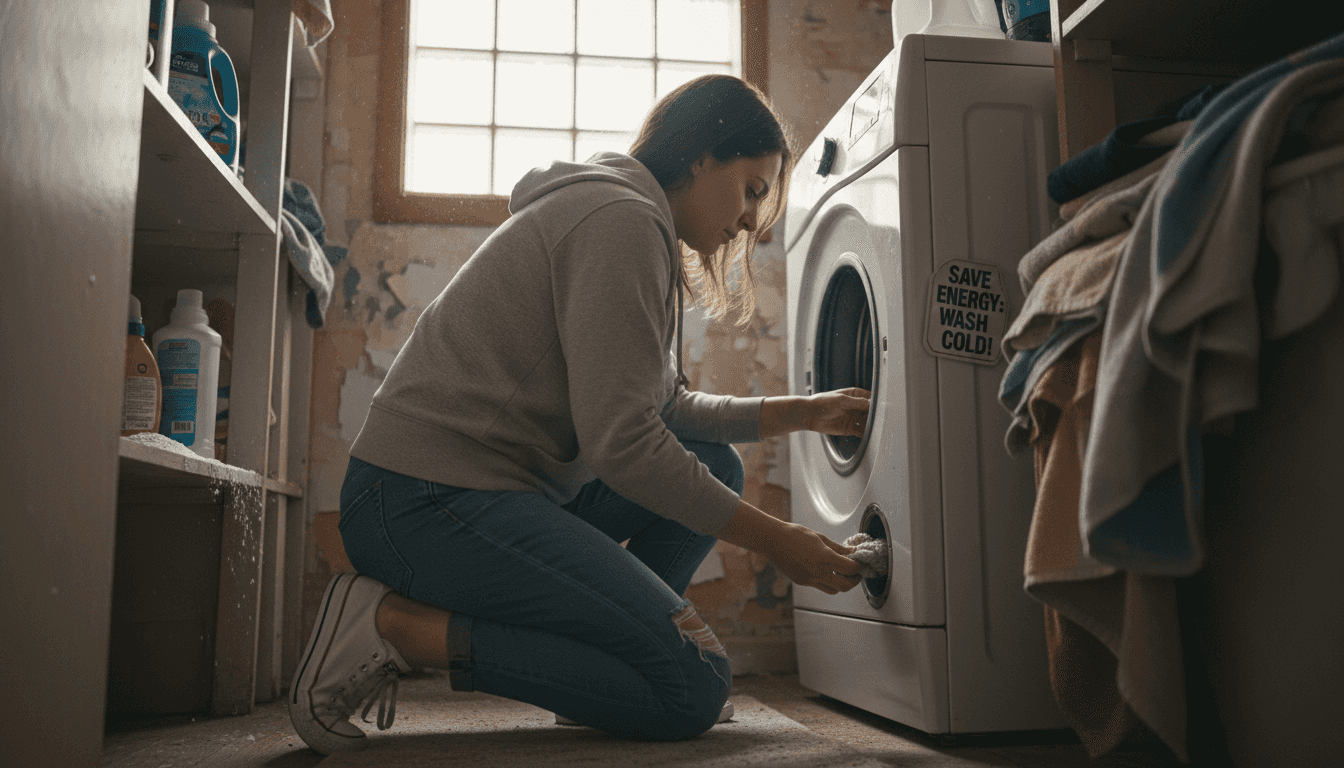
Efficient cleaning practices reduce the likelihood of expensive repairs by addressing potential problems before they escalate. Professional maintenance involves more than surface cleaning—it requires understanding each appliance’s unique mechanical components and implementing targeted cleaning strategies that protect and optimize performance.
Pro tip: Create a monthly maintenance calendar that schedules specific cleaning tasks for each appliance to ensure consistent and thorough care.
To help maximize efficiency and appliance life, here’s a summary of essential maintenance actions and their benefits:
| Maintenance Action | Frequency | Main Benefit |
|---|---|---|
| Wipe surfaces | Weekly | Prevents residue buildup |
| Clean filters & vents | Monthly | Maintains airflow and efficiency |
| Inspect dust-prone areas | Quarterly | Avoids overheating and fire risk |
| Check manufacturer guidelines | Annually | Ensures warranty and optimal use |
Energy Savings and Appliance Efficiency
Energy efficiency is no longer just an environmental consideration—it’s a critical factor in reducing household expenses and optimizing appliance performance. Appliance efficiency standards continue to drive technological improvements that benefit both consumers and the broader energy ecosystem.
Key strategies for maximizing appliance energy efficiency include:
- Using EnergyStar certified equipment
- Performing regular maintenance
- Implementing smart usage habits
- Replacing outdated models with modern, efficient alternatives
- Monitoring energy consumption patterns
Modern appliances are designed with sophisticated technologies that significantly reduce energy consumption. Refrigerators, for instance, now use advanced compressor systems and improved insulation materials that maintain temperature with minimal electricity. Dishwashers and washing machines incorporate sensors that optimize water and energy use based on load size and soil levels.
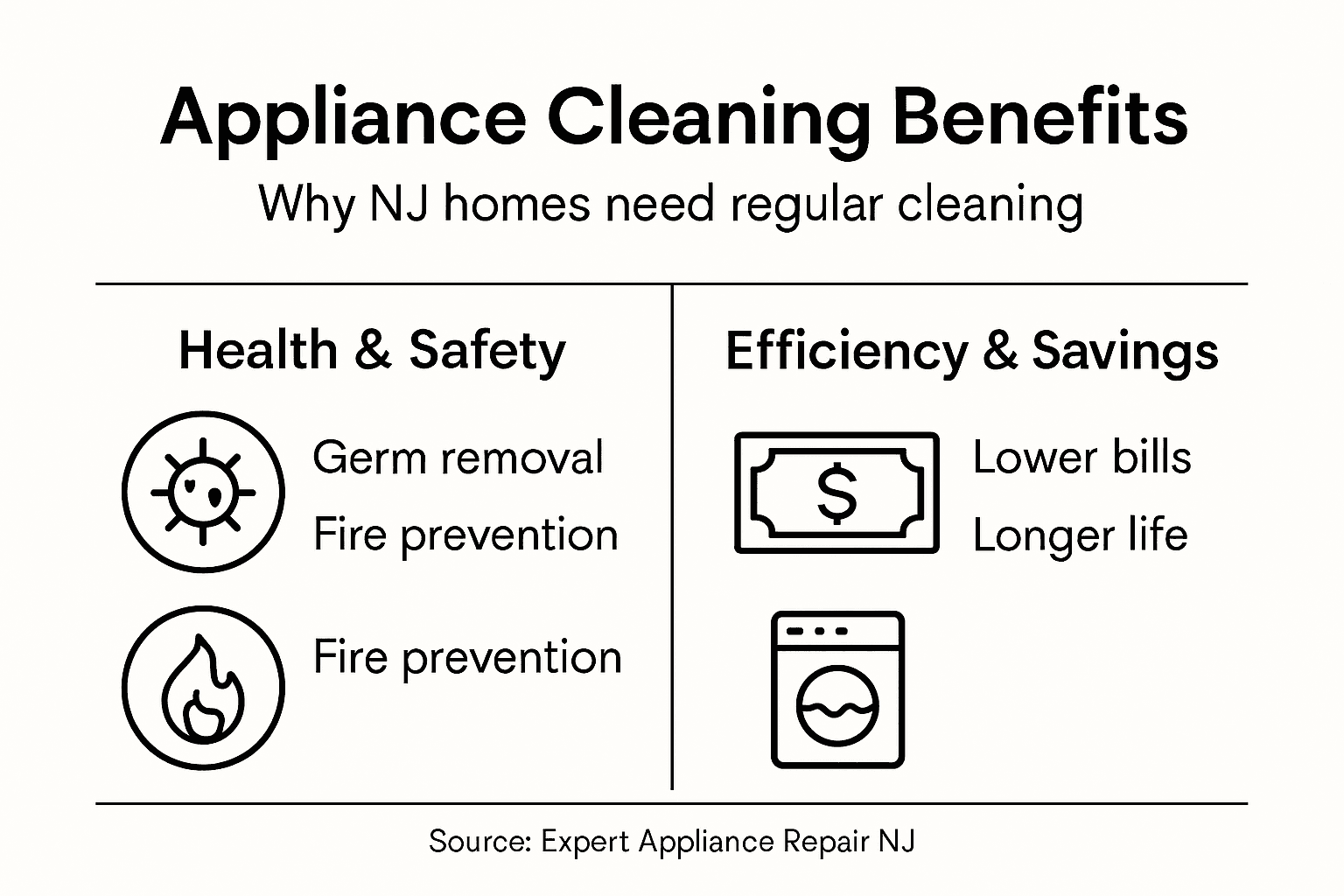
Department of Energy efficiency standards have transformed household energy consumption, creating substantial economic and environmental benefits. These regulations push manufacturers to develop increasingly sophisticated, energy-efficient technologies that save consumers money while reducing overall carbon emissions.
Pro tip: Invest in a home energy monitor to track individual appliance electricity usage and identify opportunities for efficiency improvements.
Health, Safety, and Local Compliance
Appliance cleaning involves more than aesthetic maintenance—it’s a critical process for ensuring household safety and adhering to local health regulations. New Jersey safety standards mandate proper cleaning and maintenance to protect residents from potential hazards associated with improperly maintained equipment.
Key health and safety considerations include:
- Preventing chemical contamination
- Reducing bacterial growth
- Eliminating potential fire hazards
- Ensuring proper equipment functionality
- Complying with local environmental regulations
Proper cleaning requires understanding both the technical and regulatory aspects of appliance maintenance. Different appliances demand specific approaches to minimize health risks. Kitchen appliances like refrigerators need thorough sanitization to prevent food-borne illness, while electrical equipment requires careful cleaning to avoid potential electrical hazards.
Environmental protection regulations guide safe appliance maintenance practices, ensuring that cleaning methods do not introduce additional environmental or health risks. These guidelines help homeowners understand the importance of using appropriate cleaning chemicals, maintaining proper ventilation, and following manufacturer-recommended maintenance procedures.
Pro tip: Always read cleaning product labels carefully and store chemicals in their original containers, away from food preparation areas and out of children’s reach.
Mistakes to Avoid When Cleaning Appliances
Appliance cleaning requires more than good intentions—it demands knowledge and precision. Common cleaning mistakes can seriously damage household equipment and compromise both performance and safety.
Critical mistakes homeowners frequently make include:
- Using abrasive cleaning materials
- Applying incorrect cleaning chemicals
- Neglecting manufacturer-specific instructions
- Ignoring electrical safety precautions
- Failing to disconnect appliances before deep cleaning
Some cleaning practices might seem harmless but can cause significant long-term damage. For instance, using vinegar on all surfaces or generic cleaning solutions can strip protective coatings, corrode metal components, and void manufacturer warranties. Different appliances require specialized cleaning approaches—what works for a refrigerator might destroy a stainless steel oven’s finish.
Cleaning myths can lead to ineffective and potentially harmful maintenance practices, potentially reducing appliance lifespan and performance. Professional cleaning requires understanding material sensitivities, using appropriate tools, and following precise manufacturer guidelines.
Pro tip: Always consult your appliance’s user manual and test cleaning solutions on a small, inconspicuous area before applying them broadly.
Protect Your New Jersey Home with Expert Appliance Care
Maintaining clean and well-functioning appliances is essential for every Marlboro household to avoid costly repairs and health risks mentioned in the article. From eliminating harmful bacteria to preventing mechanical breakdowns, professional cleaning and repair services address the critical challenges of appliance maintenance in NJ homes. If you want to ensure your refrigerator, washer, dryer, or stove operates safely and efficiently year-round, trusting local experts is the key.
Discover how our family-owned team at Expert Appliance Repair combines decades of experience with fast 24/7 emergency service. We specialize in all major household appliance repairs and maintenance across Monmouth County. Don’t wait for smoke, leaks, or costly malfunctions—schedule your service now to enjoy peace of mind and extend your appliance’s life. Learn more about our wide range of appliance services designed specifically for New Jersey homes.
Frequently Asked Questions
What are the benefits of regular appliance cleaning?
Regular appliance cleaning helps to reduce mechanical wear, prevent performance degradation, eliminate health hazards, maintain energy efficiency, and avoid costly repairs or replacements.
How does cleaning appliances improve energy efficiency?
Cleaning appliances ensures that they operate optimally, reducing energy consumption. For instance, dust on refrigerator coils can force the appliance to work harder, leading to increased electricity use.
What common mistakes should be avoided when cleaning appliances?
Common mistakes include using abrasive materials, applying incorrect cleaning chemicals, neglecting manufacturer instructions, not disconnecting appliances before cleaning, and using harmful cleaning solutions that can damage surfaces.
How often should appliances be cleaned for optimal performance?
It’s best to develop a cleaning schedule that includes weekly surface wipes, monthly filter or vent cleaning, quarterly inspections of dust-prone areas, and an annual review of manufacturer guidelines to ensure optimal performance.
Recommended
- What Is Appliance Maintenance? Complete Guide for NJ Homes – Expert Appliance
- 7 Essential Types of Home Appliances Every NJ Household Needs – Expert Appliance
- 7 Key Benefits of Regular Appliance Service for Homeowners – Expert Appliance
- Why Dishwasher Maintenance Matters for NJ Homes – Expert Appliance