
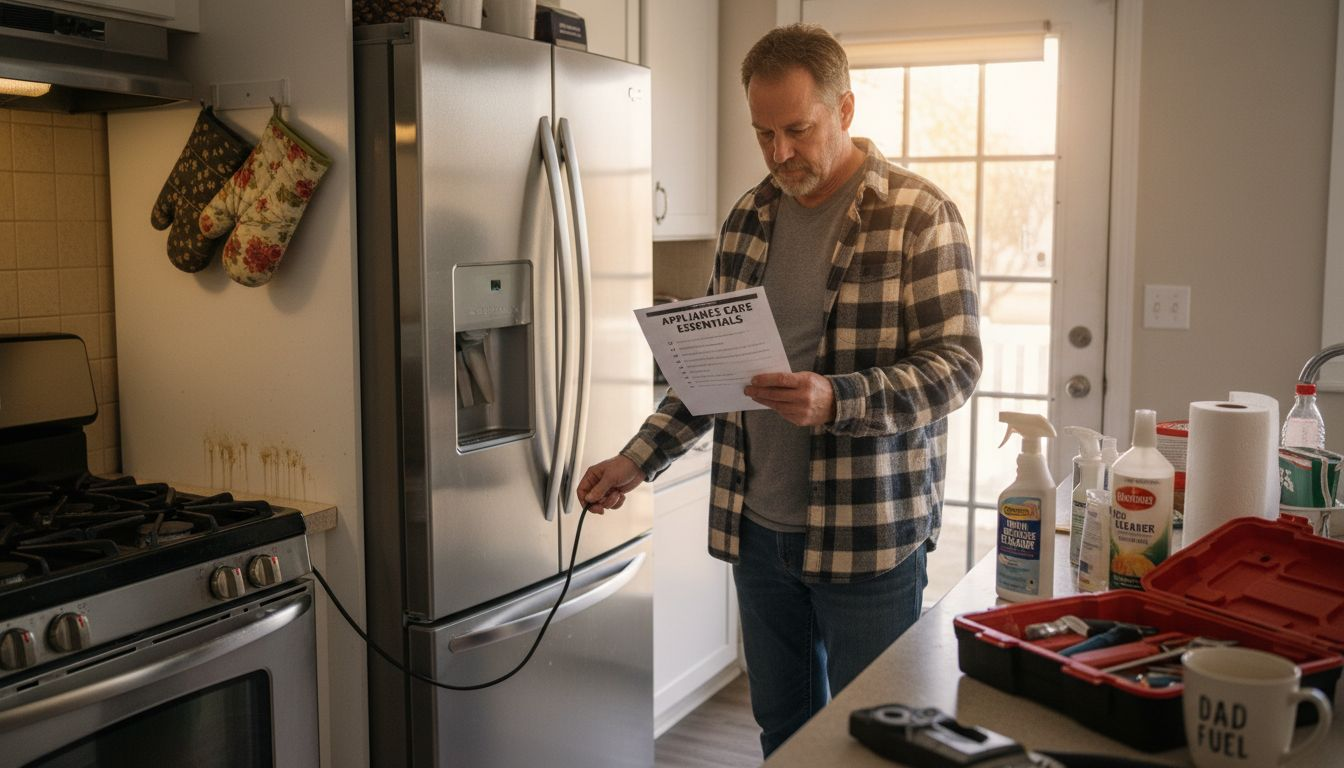
Faulty appliances are more than just an inconvenience—they can put your home at risk and drain your wallet. Issues like damaged power cords, clogged filters, and hidden leaks often start out small, but ignoring these warning signs leads to costly repairs and lost performance. It’s easy to miss these maintenance tasks, but skipping them could mean trouble for your appliances and your family’s safety.
You’ll discover practical appliance maintenance tricks you can use right away. From catching electrical hazards before they spark to restoring efficiency with a quick filter cleaning, each tip is designed to help you keep your appliances running smoothly and safely throughout the year. Get ready to learn simple steps Marlboro homeowners rely on to maximize appliance life and prevent emergencies at home.
Table of Contents
- Inspect Power Connections And Cords Regularly
- Clean Appliance Filters And Vents Carefully
- Check For Leaks Or Drips In Refrigerators And Washers
- Test Temperature Controls On Ovens And Stoves
- Clear Blockages In Dishwasher And Vacuum Motors
- Schedule Professional Maintenance For Longevity
Quick Summary
| Takeaway | Explanation |
|---|---|
| 1. Regularly Inspect Power Cords | Damage can lead to fires and appliance failures, so check cords annually. |
| 2. Clean Filters and Vents | Dirty filters reduce efficiency; clean or replace regularly based on usage. |
| 3. Check for Appliance Leaks | Small leaks waste water and can cause damage; inspect connections frequently. |
| 4. Test Oven Temperature Controls | Regular checks ensure accurate cooking temperatures and prevent food safety issues. |
| 5. Schedule Professional Maintenance | Expert service extends appliance lifespan and prevents costly repairs. |
1. Inspect Power Connections and Cords Regularly
Your appliances depend on electrical connections to function safely. Damaged cords or loose plugs can lead to electrical hazards, appliance failures, or worse.
Think of your power cords like the arteries of your home’s electrical system. When they’re compromised, everything downstream suffers. A simple inspection routine catches problems before they become dangerous.
Why Regular Inspections Matter
Electrical hazards develop quietly. You won’t see a problem coming until something sparks, burns, or stops working entirely. By the time you notice damage, your appliances and home are already at risk.
Homeowners in Marlboro, NJ should know that regular annual inspections prevent most electrical-related appliance failures. This is one of the easiest maintenance steps you can take.
Damaged cords and loose connections are among the leading causes of appliance fires and electrical injuries in residential homes.
What to Look For During Inspection
When checking your appliances, examine the entire power cord from plug to connection point. Look for these specific warning signs:
- Exposed wires or visible copper underneath the insulation
- Cracks, frays, or burns along the cord’s length
- Loose or damaged plugs that don’t fit snugly into outlets
- Discoloration or scorch marks suggesting heat damage
- Kinks or crushing damage from foot traffic or furniture
- Water exposure or moisture around the connection area
If you find any of these issues, stop using the appliance immediately. Don’t try to repair the cord with tape or patch it temporarily. The cord needs replacement.
Practical Steps for Your Appliances
Start with your most-used appliances: refrigerator, washer, dryer, dishwasher, and oven. Check the cords at least annually, more frequently if appliances are in high-traffic areas.
Ensure plugs are fully inserted into outlets. Partially plugged-in appliances generate heat and create fire hazards. Keep cords clear of water sources, heavy foot traffic, and sharp edges that could puncture the insulation.
When using extension cords, verify they’re rated for the appliance’s power requirements. Overloading cords or daisy-chaining multiple cords together creates dangerous conditions. Review electrical cord safety inspection guidelines to understand proper cord ratings and safe usage practices.
Common Mistakes Homeowners Make
Avoid running cords under rugs, carpets, or through doorways where they can be crushed. Don’t wrap cords tightly around appliances or furniture, as this damages the insulation over time. Never ignore warning signs like burning smells near outlets or visible damage.
Many people think a damaged cord “still works,” so they delay replacement. This mindset puts your home and family at risk.
When to Call for Help
If an appliance cord shows damage or you’re unsure about an outlet’s safety, don’t hesitate to contact Expert Appliance Inc. We’ve served Marlboro and Monmouth County homeowners since 1988, and our team can assess whether a cord needs replacement or if there’s a deeper electrical issue.
Pro tip: Schedule your annual cord inspection in the same month you check smoke detector batteries (spring works well). This creates a habit that protects your appliances and family all year long.
2. Clean Appliance Filters and Vents Carefully
Filters and vents are the lungs of your appliances. When they become clogged with dust, debris, and buildup, your appliances work harder and perform worse.
Think about the last time you noticed weak water pressure from your refrigerator or weak suction from your dishwasher. Chances are, a dirty filter was the culprit. Cleaning these components regularly restores performance and extends your appliance’s lifespan.
Why Filters and Vents Accumulate Debris
Every time your appliance runs, it pulls air, water, or other materials through filters and vents. Over time, particles settle in these areas, restricting flow and reducing efficiency.
In Marlboro homes, indoor dust, pet dander, and moisture all contribute to filter clogging. The problem happens silently, so most homeowners don’t realize their filters need attention until performance drops noticeably.
Dirty filters force appliances to work 30 to 50 percent harder, wasting energy and reducing cleaning effectiveness.
Which Appliances Have Filters or Vents You Should Clean
Not every appliance has the same filter system, but many common household appliances do. Know what your appliances contain:
- Refrigerators have water filters that should be replaced twice per year
- Dishwashers have filters (automatic or manual) requiring cleaning every few months
- Dryers have lint traps that need cleaning after every load
- Air vents throughout your home should be cleaned every 3 to 6 months
- Range hoods have grease filters requiring regular cleaning
Check your appliance manuals to understand what filters yours contains and how often they need attention.
How to Clean Filters Safely
Start by turning off the appliance and unplugging it for safety. Most filters slide out easily once you locate them. Rinse removable filters under running water or gently brush away loose debris.
For vent cleaning, use a vacuum cleaner with an extended hose or soft brush attachment. Avoid aggressive scrubbing, which can damage delicate fins. Microfiber cloths work well for wiping down vent surfaces without scratching.
When filters become too clogged or damaged, replace them entirely. Many filters are inexpensive and available at hardware stores or online. Using eco-friendly cleaning products minimizes chemical exposure for your family.
Creating a Filter Maintenance Schedule
Mark your calendar with filter cleaning dates. For dryers, clean the lint trap before or after each load. For refrigerator water filters, set a reminder for every six months. Dishwasher filters need attention every two to three months during regular use.
Higher usage means more frequent cleaning. Homes with pets or dusty environments may need to clean vents more often than the standard 3 to 6 month recommendation.
Warning Signs Your Filters Need Attention
Don’t wait for a scheduled date if you notice these issues. Reduced water pressure, weak suction, or unusual sounds from appliances all point to clogged filters. Some appliances display warning lights when filters are full.
If cleaning doesn’t restore performance, the filter may need replacement or there could be a deeper mechanical issue. Contact Expert Appliance Inc if you’re unsure whether a filter replacement will solve the problem.
Pro tip: Set calendar reminders on your phone for filter maintenance dates. When you get a notification, spend five minutes cleaning or replacing the filter before moving on with your day.
3. Check for Leaks or Drips in Refrigerators and Washers
Leaks are silent home destroyers. A small drip from your refrigerator or washer might seem harmless today, but tomorrow it could mean water damage, mold, and expensive repairs.
These two appliances are among the biggest water users in your home. When they leak, the damage compounds quickly. A single gallon per day might not sound like much until you realize it’s 365 gallons wasted yearly.
Why Leaks Happen in These Appliances
Refrigerators and washers both rely on water supply lines and drainage systems. Over time, hoses crack, seals wear out, and connections loosen from vibration and temperature changes.
In Marlboro homes, seasonal temperature fluctuations can accelerate hose degradation. Washers experience constant movement, stressing hoses with every cycle. Refrigerator water lines sit pressurized constantly, increasing failure risk over years.
Small leaks waste thousands of gallons annually while increasing your water bill and risking structural damage to your home.
Where to Look for Leaks
Know the vulnerable spots on each appliance. For refrigerators, check behind and beneath the unit where water pooling occurs. For washers, inspect the inlet hoses where they connect to the back of the machine.
Look at these specific areas:
- Water supply hoses where they attach to the appliance
- Drain hoses and connections
- Under the appliance for standing water or moisture
- Behind the refrigerator near the compressor and water line
- Around washer seals and door gaskets
- Floor around the appliance for water stains or soft spots
Water stains on walls, ceilings, or flooring near these appliances indicate hidden leaks that need immediate attention.
How to Detect Leaks Early
Visual inspection works, but you can use simple water meter tests to confirm a leak exists. Turn off all water-using appliances, check your meter, wait an hour without using water, then check again. Any change means water is escaping somewhere.
Listen for unusual sounds when appliances run. Dripping, hissing, or water running when nothing is operating all point to leaks. Trust your instincts if something seems off.
Why Quick Action Matters
A leak discovered today prevents water damage tomorrow. Replacing a washer hose costs $20 to $50 and takes minutes. Repairing water-damaged flooring costs thousands.
Unaddressed leaks also waste water and increase utility bills noticeably. Your meter will reveal the problem faster than you might otherwise notice.
When to Call a Professional
If you locate a leak but can’t reach the source, or if the appliance continues leaking after you’ve tightened connections, contact Expert Appliance Inc. Our team has repaired hundreds of leaking refrigerators and washers throughout Marlboro and Monmouth County since 1988. We provide same-day service to stop water damage before it spreads.
Pro tip: Place a shallow tray or towel under hoses you suspect are leaking. If water collects within 24 hours, you have confirmed a leak and can act immediately.
4. Test Temperature Controls on Ovens and Stoves
Your oven’s temperature control is the difference between perfectly baked cookies and burnt disappointment. When temperature sensors fail, your appliance can’t regulate heat properly, leading to uneven cooking and potential safety hazards.
Think of temperature controls like your oven’s brain. Without accurate feedback, it can’t maintain safe, consistent heat. Testing these controls regularly keeps your appliance working safely and efficiently.
How Temperature Controls Work
Ovens and stoves rely on temperature sensors that monitor heat levels and communicate with control systems. These sensors detect when the appliance reaches the desired temperature and signal heating elements to adjust accordingly.
When sensors malfunction or drift out of calibration, your oven might run hotter or cooler than the dial indicates. This creates cooking problems and wastes energy as the appliance overcompensates.
Inaccurate temperature controls compromise food safety and cooking results while increasing energy consumption and wear on heating elements.
Why Testing Matters
Temperature control testing identifies problems before they ruin meals or create safety risks. A sensor that’s off by just 25 degrees can cause significant cooking failures.
Homeowners in Marlboro should test their oven and stove temperature controls at least annually. Appliances used frequently may need testing twice yearly. Early detection prevents costly repairs and ensures safe operation.
How to Test Your Oven Temperature
You don’t need special equipment for a basic test. Preheat your oven to 350 degrees Fahrenheit and wait 15 minutes for stabilization.
Place an oven-safe thermometer on the center rack and close the door. After five minutes, check the thermometer reading. The actual temperature should match your oven’s setting within 10 to 15 degrees.
Repeat this test at different temperatures like 375 and 425 degrees. If readings consistently deviate beyond 15 degrees, your temperature sensors require calibration/03%3A_Sensors_and_Actuators/3.02%3A_Temperature_Sensors) or replacement.
Testing Stovetop Burners
Storetop burners are trickier to test without specialized equipment. Listen for consistent ignition and watch for even flame distribution across the burner surface.
Uneven flames, delayed ignition, or difficulty reaching full heat all suggest temperature control issues. Note any differences between burners, as this indicates specific element problems.
When to Call for Professional Help
If your tests show temperature problems, don’t attempt repairs yourself. Oven and stove repairs involve electrical components and potential hazards.
Contact Expert Appliance Inc for professional temperature control testing and calibration. Our technicians serve Marlboro and surrounding Monmouth County areas with same-day service. We’ll diagnose the issue and recommend repair or replacement options.
Pro tip: Keep your oven thermometer handy and test temperature accuracy every three months during heavy cooking seasons. This simple habit catches drift early before it affects your meal preparation.
5. Clear Blockages in Dishwasher and Vacuum Motors
Blockages are killers of appliance performance. When debris clogs your dishwasher spray arms or vacuum filters, motors work overtime, wearing out faster and consuming more energy.
Think of blockages like arterial plaque in your appliances. They restrict flow, force motors to strain, and eventually lead to failure. Regular clearing prevents this damage before it starts.
Why Blockages Form So Quickly
Dishwashers trap food particles in filters and spray arm openings. Vacuums accumulate dust, pet hair, and debris in motors and filters. Both appliances pull materials through their systems constantly, creating perfect conditions for buildup.
Homeowners often don’t notice blockages until performance drops noticeably. By then, the motor has already been working harder than intended.
Blocked motors consume significantly more energy and fail 40 percent faster than properly maintained units.
Understanding Dishwasher Blockages
Dishwashers use manual filters that trap food debris during wash cycles. These filters need cleaning every few months depending on usage frequency.
Blockages also occur in spray arms, which have small holes that spray water onto dishes. Food particles and mineral deposits clog these openings, reducing water distribution and cleaning power. When spray arms are partially blocked, entire dish loads wash poorly.
How to Clear Dishwasher Blockages
Start by locating your dishwasher filter, typically at the bottom of the wash chamber. Remove it and rinse thoroughly under running water. Use a soft brush to gently dislodge stubborn particles.
For spray arms, remove them (check your manual for specific instructions) and hold them up to light. You should see clear holes. Use a toothpick or small wire to gently clear any obstructed openings. Avoid pushing too hard, which can damage the arms.
Regular dishwasher filter cleaning every few months maintains water flow and motor efficiency.
Understanding Vacuum Blockages
Vacuums accumulate particles in multiple places. The filter itself clogs with dust, reducing suction. Hoses can become blocked by large debris or pet hair wrapped tightly.
Motor blockages happen when dust bypasses filters and enters internal components. This contamination forces motors to work harder and overheat, eventually causing failure.
How to Clear Vacuum Blockages
Start with the filter. Most vacuums have washable or replaceable filters. Clean or replace yours monthly during heavy use. Check the hose by holding it up to light and looking for visible blockages.
Run a straightened wire through blocked hoses gently to dislodge debris. Empty the collection bag or canister more frequently than you normally would. Never let it reach maximum capacity, as this restricts airflow and increases motor strain.
Prevention Is Simpler Than Repair
Clear blockages before they damage motors. A quick monthly inspection takes five minutes and prevents costly repairs.
If you find blockages you cannot clear safely, or if an appliance still performs poorly after clearing, contact Expert Appliance Inc. Our team serves Marlboro and Monmouth County with professional cleaning and repairs.
Pro tip: Set monthly reminders to inspect and clear filters for both dishwashers and vacuums. Doing this during your regular appliance check prevents blockages from accumulating and extends motor lifespan significantly.
6. Schedule Professional Maintenance for Longevity
Do-it-yourself maintenance helps, but professional service is the secret weapon for appliance longevity. Technicians catch problems you’ll never see and perform deep maintenance that extends appliance life by years.
Think of professional maintenance like dental checkups. You brush daily at home, but twice-yearly professional cleanings prevent serious problems. Your appliances work the same way.
Why Professional Service Matters
Professionals have specialized tools, training, and access to manufacturer specifications you don’t. They identify early signs of wear before failures occur. What feels like a minor issue to you might indicate a larger problem developing.
Developing and implementing scheduled maintenance plans significantly extends equipment lifespan and reduces unexpected downtime. Professional service fits into these plans as the critical foundation.
Appliances receiving regular professional maintenance last 40 to 60 percent longer than those serviced only when they break.
What Professional Maintenance Includes
Professional technicians perform inspections and preventive repairs beyond your checklist. For refrigerators, they clean condenser coils, check refrigerant levels, and inspect compressors. For washers and dryers, they examine hoses, seals, and drum bearings.
Ovens and stoves receive thorough heating element testing and gas line inspections. Dishwashers get pump evaluations and spray arm assessments. These services catch wear patterns before failure.
Creating Your Maintenance Schedule
Most appliances benefit from annual professional service. Heavy-use appliances like washing machines might need service twice yearly.
Consider these factors when scheduling:
- Age of appliance (older units need more frequent service)
- Frequency of use (daily use requires more attention than occasional use)
- Warranty requirements (some warranties require annual professional service)
- Local water quality (hard water increases mineral buildup in pipes)
- Household size (larger families use appliances more intensively)
The Cost Benefit Analysis
Annual professional service typically costs between $150 and $300 per appliance. This investment prevents repair bills that often exceed $500 to $1,000. A refrigerator compressor replacement costs $800 to $1,200 on average. Preventing that failure through maintenance is clearly the better financial choice.
You’ll also notice improved performance immediately after professional service. Appliances run quieter, clean better, and consume less energy.
Expert Appliance Inc Serves Marlboro Homeowners
Our family-owned business has provided professional appliance maintenance and repair throughout Marlboro and Monmouth County since 1988. We offer same-day service, upfront pricing, and guaranteed satisfaction.
Scheduling annual maintenance with us ensures your appliances receive expert care from experienced technicians. We’ll develop a personalized maintenance plan based on your specific appliances and usage patterns.
Pro tip: Schedule all your appliance maintenance appointments for the same month each year, such as September or March. This creates a consistent habit and ensures nothing gets overlooked.
Below is a comprehensive table summarizing the key points and takeaways on maintaining household appliances, as discussed in the article.
| Aspect of Maintenance | Key Points and Actions | Benefits |
|---|---|---|
| Inspect Power Connections | Regularly check cords for frays, exposed wires, or other damage; replace damaged cords immediately. | Prevents fire hazards and ensures appliance reliability. |
| Clean Filters and Vents | Clean filters in dishwashers, dryers, refrigerators, and air vents at recommended intervals. | Improves efficiency and extends appliance lifespan. |
| Monitor Leaks and Drips | Look for water pooling under refrigerators and washers; inspect hoses regularly. | Minimizes water wastage and avoids costly home repairs. |
| Test Temperature Controls | Confirm oven and stove temperatures using thermometers. | Enhances cooking precision and ensures safety. |
| Remove Blockages | Clear dishwasher spray arms and vacuum filters regularly. | Maintains effective operation and prolongs motor life. |
| Schedule Professional Maintenance | Arrange yearly expert checks for all major appliances. | Extends appliance lifespan and reduces potential repair costs. |
Protect Your Home with Expert Local Appliance Care in Marlboro
Maintaining your appliances is crucial to prevent costly breakdowns and ensure safety at home. This article highlights essential steps like inspecting power cords, cleaning filters, and checking for leaks that every Marlboro homeowner should prioritize. If you are facing challenges such as damaged cords, clogged filters, or faulty temperature controls, you are not alone. These issues can risk your family’s safety while driving up energy bills and repair costs.
At Expert Appliance Inc, we understand these pain points and specialize in keeping your major household appliances running smoothly. Whether it is a dishwasher needing filter cleaning, a refrigerator showing signs of leaks, or vacuums requiring professional motor clearance, our seasoned technicians provide trusted repairs and scheduled maintenance designed for local needs. Learn more about our specialized offerings in the Appliance Archives – Expert Appliance or find vacuum-specific solutions in our Vacuums Archives – Expert Appliance.

Don’t wait for a minor problem to become an emergency. Contact us today at Expert Appliance Inc to schedule your appliance inspection or same-day repair service. Protect your investment, improve energy efficiency, and keep your home safe with expert support just a call away.
Frequently Asked Questions
What should I look for when inspecting power connections and cords?
Regularly check your appliance power cords for exposed wires, cracks, or loose plugs. Inspect the entire length from the plug to the connection point at least once a year to catch any hazards early.
How do I clean appliance filters and vents?
To clean appliance filters and vents, start by turning off the appliance and locating the filter. Remove it, rinse it under running water, and use a soft brush if necessary, ensuring to clean filters every few months to maintain optimal performance.
What are the signs of leaks in refrigerators and washers?
Look for water pooling around the appliance, moisture under or behind it, or water stains on nearby walls and floors. If you detect a leak, address it immediately to prevent damage—tightening connections may help if you’re unsure.
How can I test the temperature controls on my oven?
Preheat your oven to a set temperature, place an oven-safe thermometer inside, and check the reading after a few minutes. If the thermometer reading differs by more than 15 degrees from the set temperature, consider recalibrating or replacing the sensors.
How often should I check for blockages in my dishwasher and vacuum motor?
Check for blockages in your dishwasher and vacuum motor monthly. Clear any debris from filters and hoses to prevent performance issues and extend the lifespan of your appliances.
Why is professional maintenance important for my appliances?
Professional maintenance identifies issues you might miss and includes thorough inspections and repairs. Schedule annual service to help your appliances last 40 to 60 percent longer and save money on future repairs.
Recommended
- 7 Essential Appliance Maintenance Schedule Tips for Homeowners – Expert Appliance
- What Is Appliance Maintenance? Complete Guide for NJ Homes – Expert Appliance
- Complete Appliance Maintenance Checklist for Homeowners – Expert Appliance
- DIY Appliance Maintenance Tips for Longer-Lasting Devices – Expert Appliance