
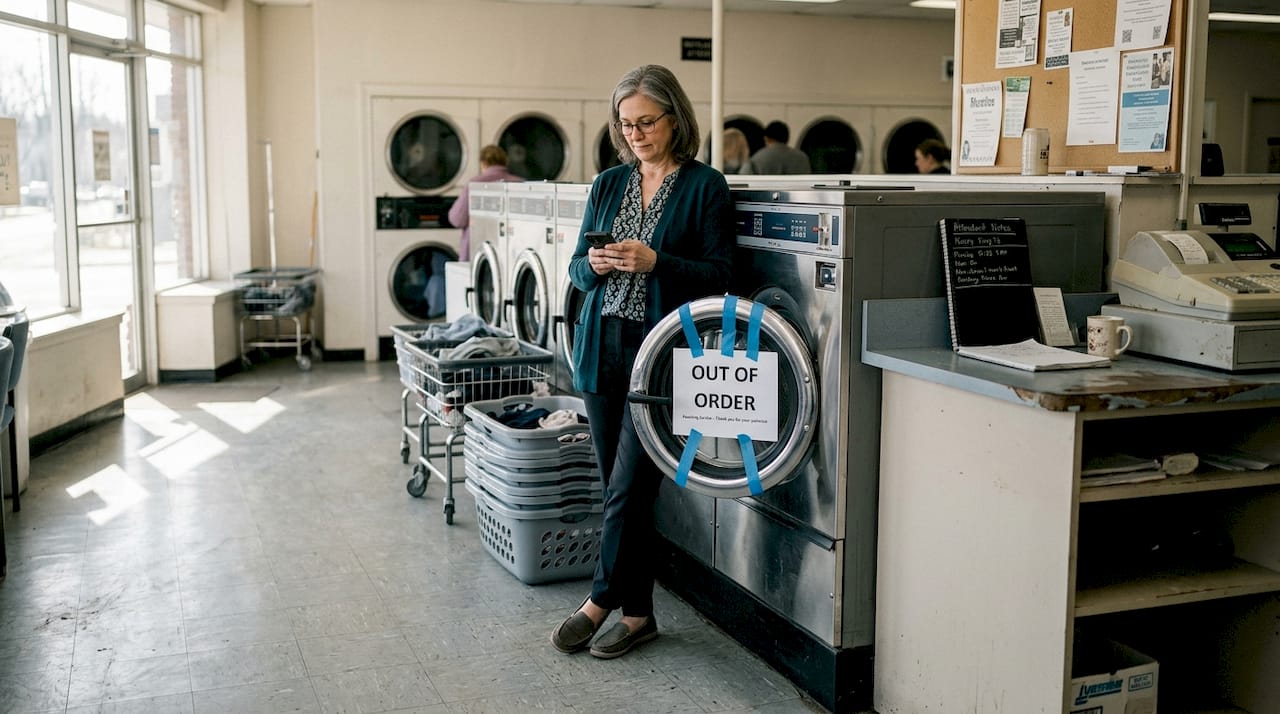
A single broken washer can cost a laundromat $50 to $100 every hour it sits idle. For Monmouth County homeowners, a failed refrigerator means spoiled groceries, frantic calls, and a week of takeout. Whether you run a small business in Marlboro or manage a busy household in Freehold, appliance breakdowns hit harder and faster than most people expect. This guide breaks down the real causes, the true financial damage, and the smartest strategies to keep your home or business running without costly interruptions.
Table of Contents
- How broken appliances disrupt businesses and homes
- Common causes of appliance breakdowns
- True cost of downtime: what businesses risk losing
- Reactive vs preventive repair: which costs less?
- The role of local repair services in minimizing downtime
- Get back to business — fast, with trusted Monmouth County repair
- Frequently asked questions
Key Takeaways
| Point | Details |
|---|---|
| Broken appliances cost big | Lost revenue and customer trust can add up quickly if repairs aren’t handled fast. |
| Prevention pays off | Routine maintenance saves 20% on repairs and extends appliance life by 30%. |
| Know common failures | Watch for issues with compressors, pumps, and control boards; local factors matter. |
| Act fast with local help | Same-day local repair services can save hundreds to thousands by avoiding extended downtime. |
| Choose repair or replace wisely | Repair makes sense if costs are less than half the price of a new appliance. |
How broken appliances disrupt businesses and homes
When an appliance fails, the damage rarely stops at the repair bill. For small businesses, equipment failures cause 42% of all unplanned downtime, and that downtime can cost anywhere from $137 to $427 per minute. That is not a typo. Even at the low end, a two-hour outage during peak hours adds up to over $16,000 in losses.
For homeowners, the disruption is just as real, even if the dollar amounts differ. A broken water heater means cold showers and potential pipe damage. A failed dryer during a New Jersey winter creates laundry pileups that stretch across days. These are not minor inconveniences. They are operational failures that affect your comfort, your schedule, and sometimes your safety.
The appliance downtime impacts on local businesses go beyond lost revenue. Customers who walk into a restaurant with a broken oven or a laundromat with out-of-order machines do not always come back. Negative reviews follow. Staff get pulled into workarounds that eat up time and morale.
“One New Jersey condo building went 116 days without heat due to warranty processing delays. Residents filed complaints, management faced legal pressure, and the reputational damage lasted long after the heat came back on.”
Here is a quick look at how downtime affects different types of operations:
| Business or home type | Primary appliance risk | Estimated hourly impact |
|---|---|---|
| Laundromat | Washer or dryer failure | $50 to $100 per machine |
| Restaurant | Oven, range, or refrigerator | $200 to $500+ |
| Food manufacturer | Processing or cooling equipment | $10,000 to $99,999 |
| Homeowner | Refrigerator or HVAC | $50 to $200 in spoilage/costs |
The benefits of appliance repair become very clear when you see these numbers side by side. A $150 repair call looks very different next to a $1,000 day of lost business.
Common causes of appliance breakdowns
Knowing why appliances fail helps you catch problems early. Most breakdowns come down to a handful of components that wear out faster than the rest of the machine.
The most common failure points include:
- Compressors in refrigerators and air conditioners, especially after years of heavy use
- Heating elements in dryers, ovens, and water heaters, which burn out from overuse or mineral buildup
- Pumps in washers and dishwashers, which clog or seize from debris and hard water deposits
- Control boards and circuit boards, which are increasingly common in smart appliances and fail from power surges or moisture
Monmouth County adds its own layer of risk. The area’s hard water is notoriously mineral-heavy, and those minerals build up inside heating elements and pipes over time. Coastal towns deal with salt air that accelerates corrosion on metal components. Summer storms bring power surges that fry circuit boards in seconds.
Statistic: Smart appliances face a 25% failure rate from control board issues alone, and hard water contributes to 30% of all heating element failures in the region.
Smart appliances are a growing concern. Newer washers, refrigerators, and ovens rely on software and sensors that older models never had. When those systems glitch, a standard repair tech may not have the right tools or knowledge. That is why Monmouth County appliance tips from a locally experienced technician matter more than generic advice from a national call center.
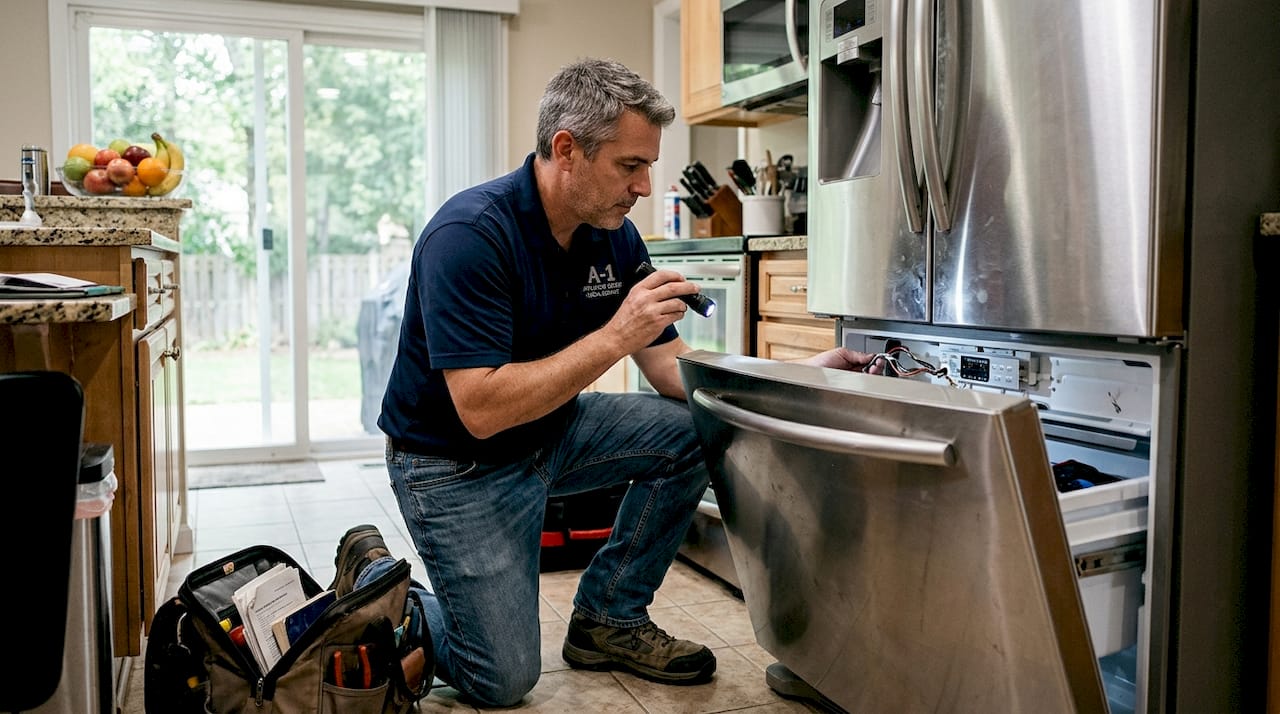
Warning signs to watch for: grinding or rattling noises, water pooling under appliances, inconsistent temperatures, and cycles that take longer than usual. Catching these early can mean the difference between a $200 fix and a $1,200 replacement.
True cost of downtime: what businesses risk losing
Let us put real numbers on the table. A laundromat with one broken washer does not just lose the quarters from that machine. One washer outage can mean $1,680 in direct revenue loss and up to $13,000 per year from customers who never return. That is the hidden multiplier most business owners miss.
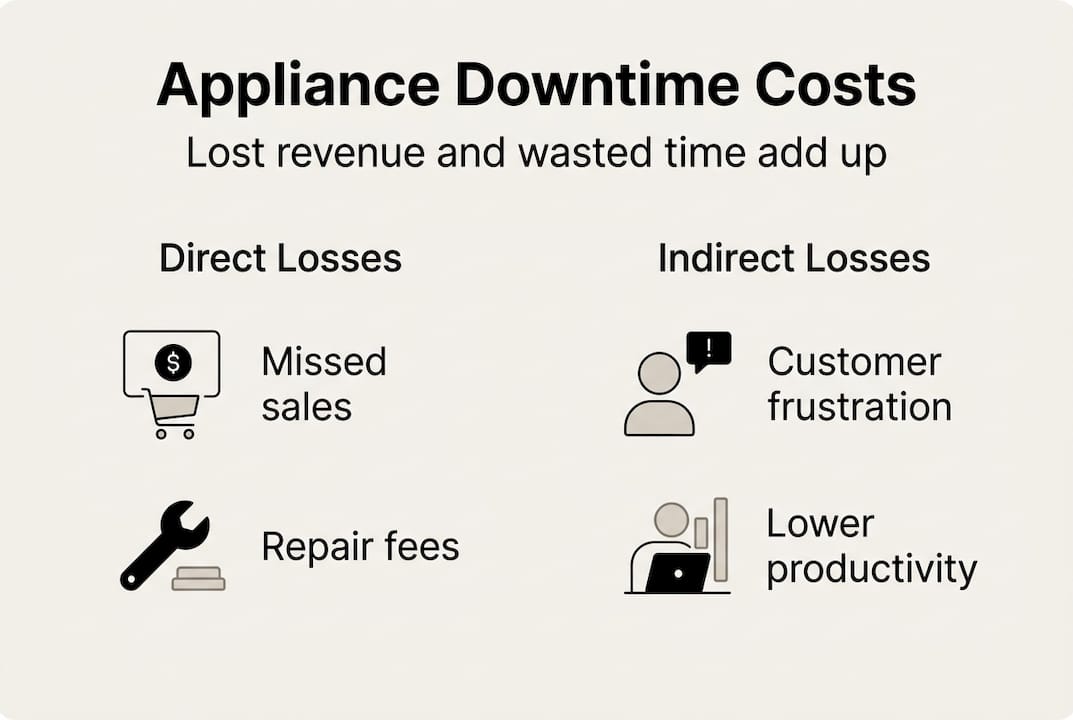
Restaurants face even steeper losses. A broken oven during a Friday dinner rush does not just mean fewer plates served. It means comped meals, angry reviews, and staff scrambling to improvise. For food manufacturers in the area, food manufacturing downtime can cost between $10,000 and $99,999 per hour depending on the production line.
Here is a side-by-side comparison of downtime costs across common Monmouth County business types:
| Business type | Direct hourly loss | Indirect annual risk | Biggest appliance threat |
|---|---|---|---|
| Laundromat | $50 to $100 | $13,000+ per machine | Washer or dryer |
| Restaurant | $200 to $500 | $25,000+ | Oven, refrigerator |
| Food manufacturer | $10,000 to $99,999 | Hundreds of thousands | Cooling or processing units |
| Retail with refrigeration | $100 to $300 | $5,000 to $15,000 | Display coolers |
The indirect costs are where businesses really bleed out. Consider these cascading effects:
- Staff overtime when employees cover for broken equipment manually
- Spoilage costs when refrigeration or freezer units fail overnight
- Emergency vendor fees when you need a last-minute supplier to cover lost capacity
- Reputation damage from negative reviews that take months to recover from
- Regulatory risk if a health inspector visits during an equipment failure
Monmouth County summers make this worse. Peak tourist season means higher foot traffic, fuller machines, and less margin for error. A broken appliance in July hits harder than the same failure in February. Explore the full business repair guide to see how local businesses are protecting themselves in 2026.
Reactive vs preventive repair: which costs less?
Most people wait until something breaks. It feels cheaper in the short term, and it often is. But reactive break-fix strategies are consistently more expensive over time than regular preventive maintenance. The emergency service call, the expedited parts, the lost revenue during the wait — it all adds up fast.
Preventive maintenance schedules reduce repair costs by 20% and extend appliance life by 30%. For a business running five or six major appliances, that is a meaningful difference in your annual budget.
Top preventive steps for Monmouth County homeowners and small businesses:
- Clean dryer lint traps and exhaust vents every month
- Descale water heaters and dishwashers twice a year to fight hard water buildup
- Inspect washer hoses and refrigerator door seals every six months
- Schedule a professional inspection for commercial appliances once a year
- Keep a log of repair history so you can spot patterns before they become emergencies
The repair-or-replace question comes up often. A good rule of thumb: if the repair costs more than 50% of what a new unit would cost, and the appliance is already past its expected lifespan, replacement usually makes more financial sense. If the appliance is relatively new and the fix is straightforward, repair wins every time.
Pro Tip: Keep a small stock of commonly replaced parts on hand, like dryer belts, washer inlet filters, and refrigerator door gaskets. A local tech can install them in minutes, cutting your downtime from days to hours. Check out how to cut appliance repair costs for a full breakdown of money-saving strategies, and bookmark the maintenance guide for Monmouth County for seasonal checklists.
The role of local repair services in minimizing downtime
Speed is everything when an appliance fails during business hours. Same-day local repair can prevent $200 per hour in peak losses, while national repair companies average a 3 to 5 day wait. That gap is the difference between a minor disruption and a week of lost revenue.
Local technicians bring more than just speed. They know Monmouth County’s specific challenges: the hard water, the coastal corrosion, the summer surge demand. They stock parts for the brands most common in the area. They can often diagnose a problem over the phone before they even arrive, which cuts the visit time in half.
What to look for when choosing a local repair service:
- Verified credentials and manufacturer certifications
- Strong local reviews with specific mentions of response time
- Upfront pricing with no hidden fees
- Experience with both residential and commercial appliances
- Availability for emergency and same-day calls
The NJ condo case mentioned earlier is a cautionary tale about what happens when you rely on slow, bureaucratic repair channels. 116 days without heat is not just uncomfortable. It is a legal and financial disaster. Fast local repair services exist precisely to prevent that kind of outcome.
Pro Tip: Build a relationship with a trusted local repair provider before you need them. Know their number, understand their service area, and ask about maintenance contracts. When your oven dies at 5 PM on a Saturday, you will be glad you already have a name to call. Explore reliable repair services in Monmouth and learn more about emergency repair services so you are never caught off guard.
When an appliance fails during peak hours, do not panic. Shut it down safely, document the issue with photos, and call your local repair provider immediately. The faster you act, the faster you recover.
Get back to business — fast, with trusted Monmouth County repair
At Expert Appliance Repair, we have been serving Marlboro and the surrounding Monmouth County area since 1988. We know what local homes and businesses need because we live and work here too.
Whether you need a quick fix or a full maintenance plan, our certified technicians offer same-day service, upfront pricing, and 24/7 emergency support. Browse our maintenance tips to stay ahead of breakdowns, read our emergency repair advice for when things go wrong fast, and check out the brands we repair to confirm we work on your specific appliances. Do not wait for a small problem to become a costly crisis. Call us today and get your appliances back on track.
Frequently asked questions
How much can a single appliance breakdown cost a small business?
A laundromat can lose $50 to $100 per hour per broken machine, with one failed washer causing up to $1,680 in direct revenue loss and more than $13,000 per year from customers who stop coming back.
Does preventive maintenance really save money?
Yes. Preventive maintenance can cut repair costs by 20% and extend appliance lifespan by 30%, making it one of the smartest investments a homeowner or small business can make.
Are local appliance repair services faster than national companies?
Local Monmouth County repair providers can offer same-day service while national competitors typically take 3 to 5 days, a gap that can mean thousands of dollars in lost business.
What are the main reasons appliances break down?
Most failures involve compressors, pumps, heating elements, or control board failures, with Monmouth County’s hard water and salt air accelerating wear on key components.
When should I repair instead of replace a broken appliance?
Repair makes sense when the fix costs less than 50% of a new unit and the appliance still has useful life remaining. If it is older and the repair is expensive, replacement is usually the smarter call.
Recommended
- DIY Appliance Maintenance Tips for Longer-Lasting Devices – Expert Appliance
- Why reliable repair services matter for Monmouth County – Expert Appliance
- Appliance Downtime – How it Impacts NJ Homes – Expert Appliance
- Why Appliances Break Down and How It Impacts You – Expert Appliance
- Emergency Coffee Machine Repair | Same Day Service | Devon Somerset