
TL;DR:
- Regularly cleaning filters, coils, and filters extends appliance lifespan and improves efficiency.
- Avoid overloading washers and dryers to prevent motor and belt damage.
- Protect appliances from hard water and power surges with softeners and surge protectors to prevent early failure.
Small habits you barely think about, like skipping a filter check or stuffing the washer to the brim, can quietly shave years off your appliances. For homeowners in Marlboro, NJ, the stakes are even higher. Monmouth County’s hard water and humidity create conditions that accelerate wear on refrigerators, dishwashers, and water heaters faster than in drier climates. The good news is that a few consistent habits can cut breakdowns dramatically and keep your appliances running strong for years longer. Here are seven proven tips that actually work.
Table of Contents
- Clean and maintain filters and coils regularly
- Never overload washers and dryers
- Protect appliances from water and power issues
- Practice smart dishwasher and water heater care
- Stick to a maintenance schedule for maximum payoff
- Our perspective: Maintenance shortcuts that backfire (and what to do instead)
- Get expert help and save your appliances
- Frequently asked questions
Key Takeaways
| Point | Details |
|---|---|
| Routine maintenance matters | Simple habits like cleaning filters and coils can extend appliance life by up to 50 percent. |
| Adapt to local conditions | Marlboro’s humidity and hard water make regular maintenance extra important for homeowners. |
| Smart use prevents costly repairs | Avoid overloading and power surges to keep appliance motors and electronics running smoothly. |
| Maintenance pays off | A regular schedule delivers years of extra value for every major home appliance. |
Clean and maintain filters and coils regularly
Filters and coils are the lungs of your appliances. When they get clogged, every machine has to work harder, run hotter, and burn more energy just to do its basic job. That extra strain adds up fast.
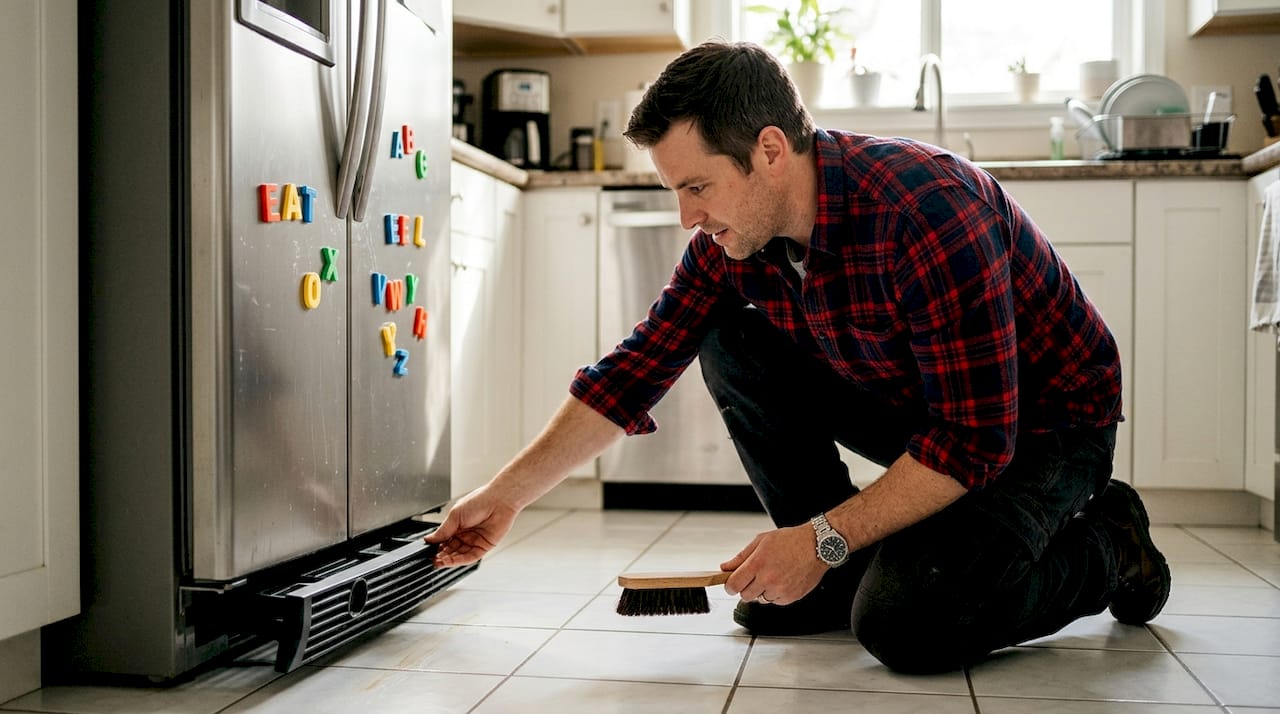
In Marlboro’s humid climate, dust and debris stick to refrigerator condenser coils more aggressively than in drier areas. Quarterly coil cleaning prevents compressor overheating and can cut service calls by half. That’s not a minor detail. A failed compressor is often the most expensive single repair a homeowner faces.
Across all your appliances, dirty filters shorten lifespan and drive up your monthly energy bill. Dryer lint traps, HVAC filters, and range hood grease filters all fall into this category.
Here’s a simple maintenance interval table to keep you on track:
| Appliance | What to clean | How often |
|---|---|---|
| Refrigerator | Condenser coils | Every 3 months |
| Dryer | Lint trap | After every load |
| HVAC | Air filter | Every 1-3 months |
| Dishwasher | Filter basket | Monthly |
| Range hood | Grease filter | Monthly |
Key benefits of staying on schedule:
- Prevents motor burnout from heat buildup
- Reduces energy consumption by 10-20%
- Extends appliance life by 25-50% with routine care
- Lowers the risk of fire from lint and grease buildup
For a full breakdown of what to check and when, the maintenance schedule on our site walks you through every major appliance.
Pro Tip: Set a recurring phone reminder on the first of each month for your quick checks. Pair it with a seasonal deep-clean for coils and filters every three months.
Never overload washers and dryers
Besides cleaning, how you use your machines every day can make a huge difference, especially when it comes to washers and dryers.
Overloading looks like this: clothes packed so tight the drum barely turns, water that can’t circulate properly, and a machine that vibrates loudly through the spin cycle. Most people think they’re saving time by cramming in one big load. They’re actually doing the opposite.
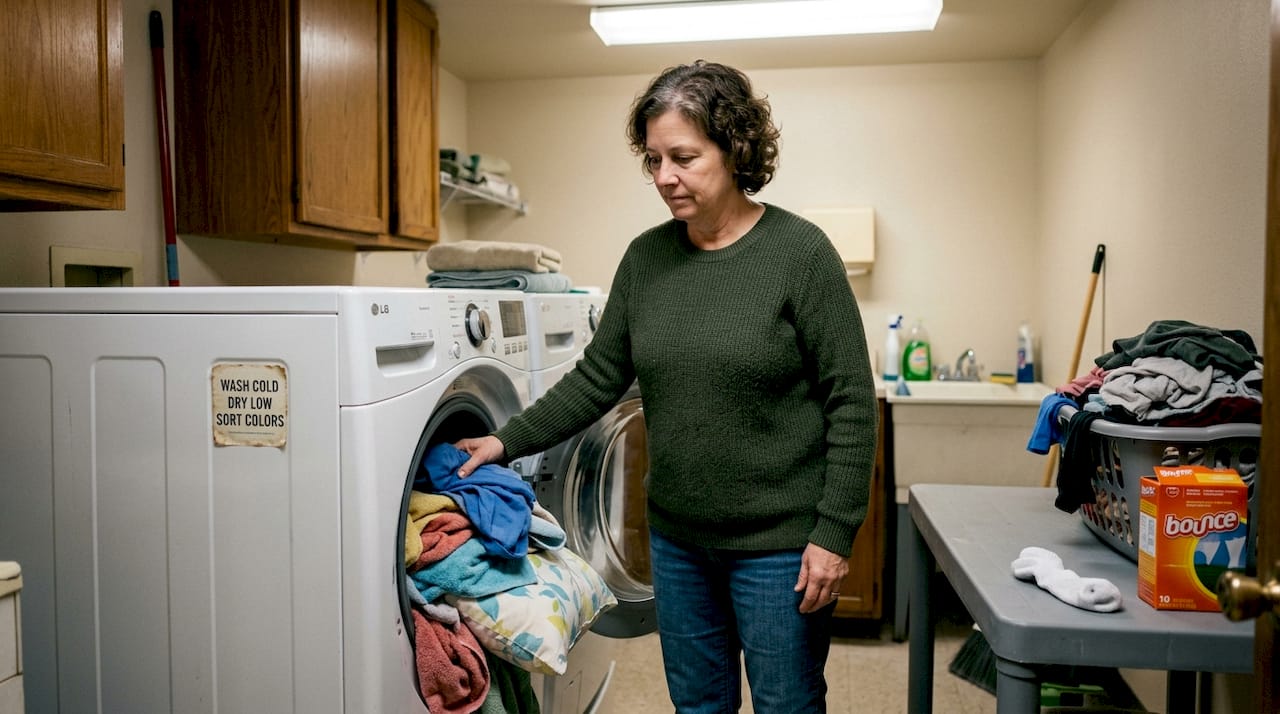
According to our washer and dryer care tips, overloading strains motors, belts, and suspension systems in ways that build up silently until something breaks. By then, you’re looking at a repair bill that could have been avoided entirely.
Here’s what chronic overloading actually causes:
- Stretched or snapped drive belts
- Burned-out motors from constant overexertion
- Water sensor failures from uneven load distribution
- Premature bearing wear that causes loud grinding noises
- Drum damage from unbalanced heavy loads
For Marlboro families doing multiple loads a week, this is a real risk. A household running four or five heavy loads every weekend is putting serious stress on machines that are designed for balanced, moderate loads.
A simple rule: if you have to push clothes down to close the lid or door, the load is too big. Fill the drum about three-quarters full and leave room for clothes to tumble freely.
Pro Tip: Running two smaller loads instead of one giant one actually takes less total time when you factor in longer cycle times and re-washing clothes that didn’t get clean the first time.
Protect appliances from water and power issues
Proper use goes hand in hand with protecting your appliances from environmental risks, especially those unique to Marlboro, like hard water and storm-related surges.
Hard water is one of the most underestimated appliance killers in New Jersey. Mineral scale builds up inside water heaters, dishwashers, and washing machines, clogging pipes and coating heating elements. Installing a water softener can extend appliance life by up to 50% and reduce energy use by 15-30%. That’s a meaningful return on a one-time investment.
Power surges are the other major threat. Marlboro sees its share of summer storms and grid fluctuations, and a single surge can fry the control board of a refrigerator or washing machine instantly.
Here’s a step-by-step approach to protecting your appliances:
- Test your home’s water hardness with an inexpensive kit from any hardware store
- Install a whole-house water softener if hardness exceeds 7 grains per gallon
- Add surge protectors to every major appliance outlet
- Unplug refrigerators, washers, and dryers before severe storms when possible
- Use our DIY maintenance tips to check for scale buildup on heating elements annually
| Appliance | Lifespan without softener | Lifespan with softener |
|---|---|---|
| Water heater | 6-8 years | 12-15 years |
| Dishwasher | 5-7 years | 9-12 years |
| Washing machine | 7-9 years | 11-13 years |
Pro Tip: Choose whole-house surge protection installed at your electrical panel rather than individual plug-in strips. It covers every appliance in the home, including your HVAC system.
Practice smart dishwasher and water heater care
With the right defenses in place, it’s time to focus on specific care for your kitchen’s hardest-working devices: your dishwasher and water heater.
Marlboro’s hard water hits these two appliances the hardest. Sediment from mineral-rich water settles at the bottom of your water heater tank, forcing the heating element to work through a layer of buildup just to warm the water. Over time, this dramatically shortens the unit’s life.
Flushing your water heater annually removes that sediment and can extend its lifespan from 6-8 years all the way to 12-15 years. For severe hard water cases, a monthly vinegar descaling treatment adds extra protection.
For dishwashers, the damage usually starts at the filter and the door seal. Scraping plates before loading and cleaning door seals monthly prevents clogs, leaks, and the kind of mold buildup that ruins the gasket.
Follow this simple care routine:
- Scrape all food off plates before loading (don’t pre-rinse, just scrape)
- Load dishes so water can reach all surfaces, avoid nesting bowls
- Clean the filter basket and spray arms monthly
- Wipe down the door seal with a damp cloth every month
- Flush your water heater every fall before heavy winter use begins
Key things to watch for:
- Cloudy glassware (early sign of hard water scale)
- Slow hot water delivery (sediment in water heater)
- Puddles under the dishwasher (failing door seal)
For a full step-by-step guide, our dishwasher maintenance workflow and dishwasher cleaning instructions cover everything in detail.
Stick to a maintenance schedule for maximum payoff
Finally, tying it all together, making maintenance a continuing habit is the ultimate way to avoid breakdowns and costly repairs.
The numbers tell the story clearly. Average appliance lifespans with proper maintenance are: refrigerators 10-15 years, washers and dryers 10-13 years, dishwashers 9-10 years, and water heaters 12-15 years. Skip the maintenance, and you’re looking at the low end of those ranges, or worse.
Here’s a practical monthly and quarterly checklist to keep everything on track:
- Monthly: Clean dishwasher filter, wipe door seals, check dryer lint trap, inspect washing machine hoses for cracks
- Quarterly: Clean refrigerator condenser coils, replace HVAC filter, degrease range hood filter, run a cleaning cycle on the washer
- Annually: Flush water heater, inspect all appliance power cords, test surge protectors, check water softener salt levels
The easiest way to stick with this is to tie each task to something you already do. Clean the fridge coils when you change your clocks for daylight saving. Flush the water heater every fall when you switch the heat on.
Digital calendar reminders, printable checklists, or a simple note on the fridge door all work. What matters is consistency, not the system. Our maintenance checklist is a free resource you can print and post at home to make this effortless.
Our perspective: Maintenance shortcuts that backfire (and what to do instead)
Here’s the honest truth most appliance guides skip: the biggest reason appliances fail early in Marlboro homes isn’t age. It’s neglect disguised as efficiency.
Homeowners skip coil cleaning because it seems minor. They delay the water heater flush because nothing seems wrong yet. They figure the appliance is “new enough” to handle a few missed maintenance cycles. Then one day the compressor dies, the heating element burns out, or the water heater tank rusts through, and the repair bill arrives.
Routine maintenance like coil cleaning and filter changes can extend appliance life by 25-50%. That’s not a minor improvement. That’s potentially five extra years from a refrigerator that would have otherwise quit at ten.
The myth of the maintenance-free appliance is particularly dangerous in New Jersey. Hard water, humidity, and frequent storms mean your appliances are working in harder conditions than the national average. They need more attention, not less.
We’ve seen it consistently over decades of service in Monmouth County: the homeowners who call us for a $150 maintenance visit every year almost never call us for a $900 emergency repair. The math is simple. Our expert tips on avoidance go deeper on this if you want the full picture.
Pro Tip: Think of appliance maintenance like an oil change. You don’t wait for the engine to seize. You schedule it before anything goes wrong.
Get expert help and save your appliances
If you’ve made it this far, you already know more about appliance care than most Marlboro homeowners. Now it’s time to put that knowledge to work.
At Expert Appliance Repair, we’ve been helping NJ homeowners protect their appliances since 1988. Whether you prefer to handle maintenance yourself or want a professional to do a full diagnostic check, we have resources for both. Browse our DIY appliance tips for step-by-step guides on every major appliance, or explore our repair services for top brands if something has already gone wrong. Our expert maintenance tips page is a great starting point for building your annual care plan. Same-day service is available across Marlboro and Monmouth County.
Frequently asked questions
How often should I clean my refrigerator coils?
Clean refrigerator coils every three months to prevent compressor overheating and extend your fridge’s life. In humid areas like Marlboro, NJ, dust builds up faster and makes quarterly cleaning even more important.
Does hard water really damage appliances?
Yes. Hard water reduces lifespan in water heaters and dishwashers by causing rapid sediment buildup, often cutting their useful life in half unless you install a water softener.
What is the 50% rule for appliance repair?
If a repair costs more than 50% of the price of a new appliance, it’s usually smarter to replace it. The 50% repair rule helps homeowners avoid throwing money at machines that are near the end of their useful life.
Will regular filter cleaning really save money?
Absolutely. Routine filter changes keep appliances running efficiently and can extend their lifespan by 25-50%, which adds up to hundreds or even thousands of dollars in avoided replacement costs.
Should I unplug my appliances during storms?
Yes, especially for major appliances like refrigerators and washers. Using surge protectors and unplugging during severe weather protects control boards and motors from electrical damage that standard warranties often don’t cover.
Recommended
- 7 Key Benefits of Regular Appliance Service for Homeowners – Expert Appliance
- 7 Essential Appliance Maintenance Schedule Tips for Homeowners – Expert Appliance
- DIY Appliance Maintenance Tips for Longer-Lasting Devices – Expert Appliance
- 7 Essential Types of Appliance Repairs for Every Homeowner – Expert Appliance