
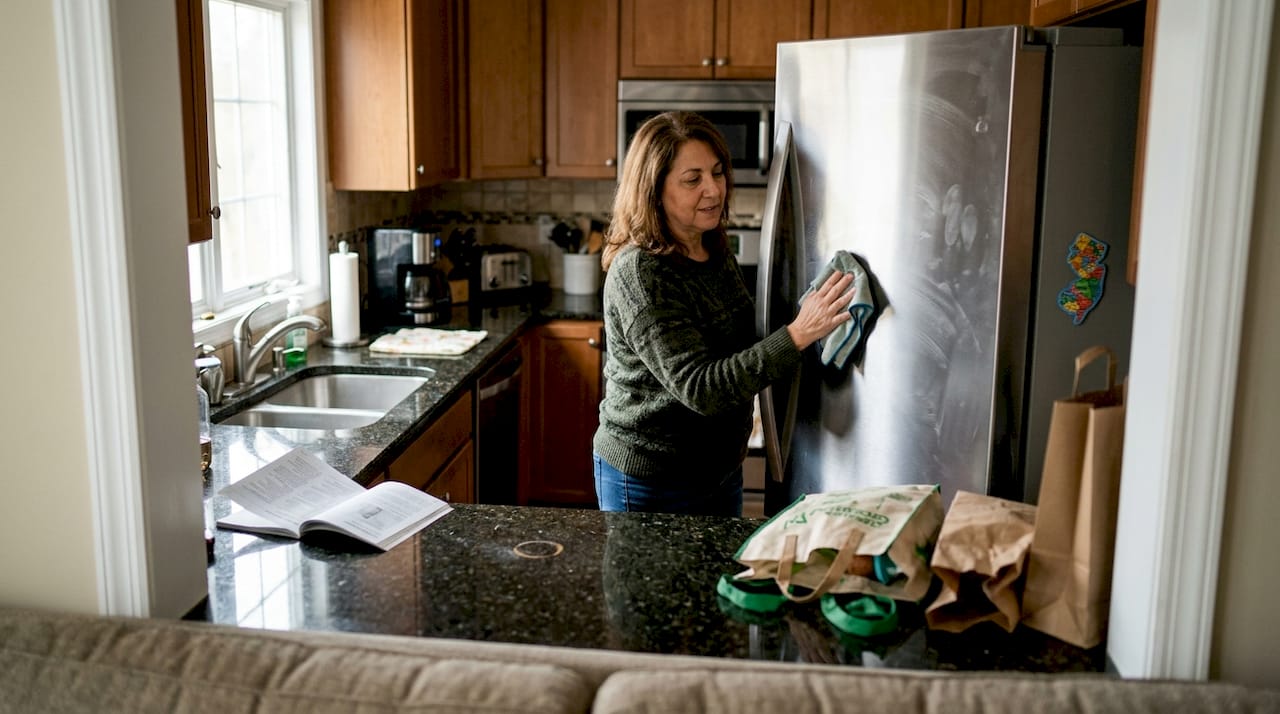
Unexpected appliance breakdowns disrupt your daily routine and drain your wallet fast. In Monmouth County, local conditions like hard water and coastal humidity accelerate wear on refrigerators, washers, water heaters, and dryers. This guide delivers five proven prevention strategies tailored to New Jersey homeowners and property managers. You’ll learn exactly how to extend appliance lifespan, avoid emergency repairs, and protect your investment with simple quarterly maintenance routines and smarter usage habits.
Table of Contents
- Key takeaways
- 1. Clean refrigerator coils every quarter
- 2. Avoid overloading washers and dryers
- 3. Flush water heaters annually to prevent sediment buildup
- 4. Monitor usage patterns and avoid complex smart appliances
- 5. Protect appliances with surge protectors and professional inspections
- Get expert appliance repair and maintenance in Monmouth County
- Frequently asked questions
Key Takeaways
| Point | Details |
|---|---|
| Quarterly coil cleaning | Cleaning refrigerator coils every quarter prevents the compressor from overheating and reduces service calls. |
| Avoid overloading laundry | Overloading washers and dryers strains motors and belts, accelerating wear and increasing the risk of breakdown. |
| Annual water heater flush | Flushing sediment from hard water annually protects efficiency and extends the water heater’s life. |
| Simpler models reduce risk | More straightforward designs with fewer smart features tend to break down less often than complex models. |
1. Clean refrigerator coils every quarter
Dirty refrigerator coils force your compressor to work overtime, generating excessive heat that leads to premature failure. When dust, pet hair, and debris accumulate on coils located behind or beneath your unit, airflow drops and efficiency plummets. Cleaning coils quarterly prevents half of refrigerator service calls, making this simple task one of the highest-impact maintenance actions you can take.
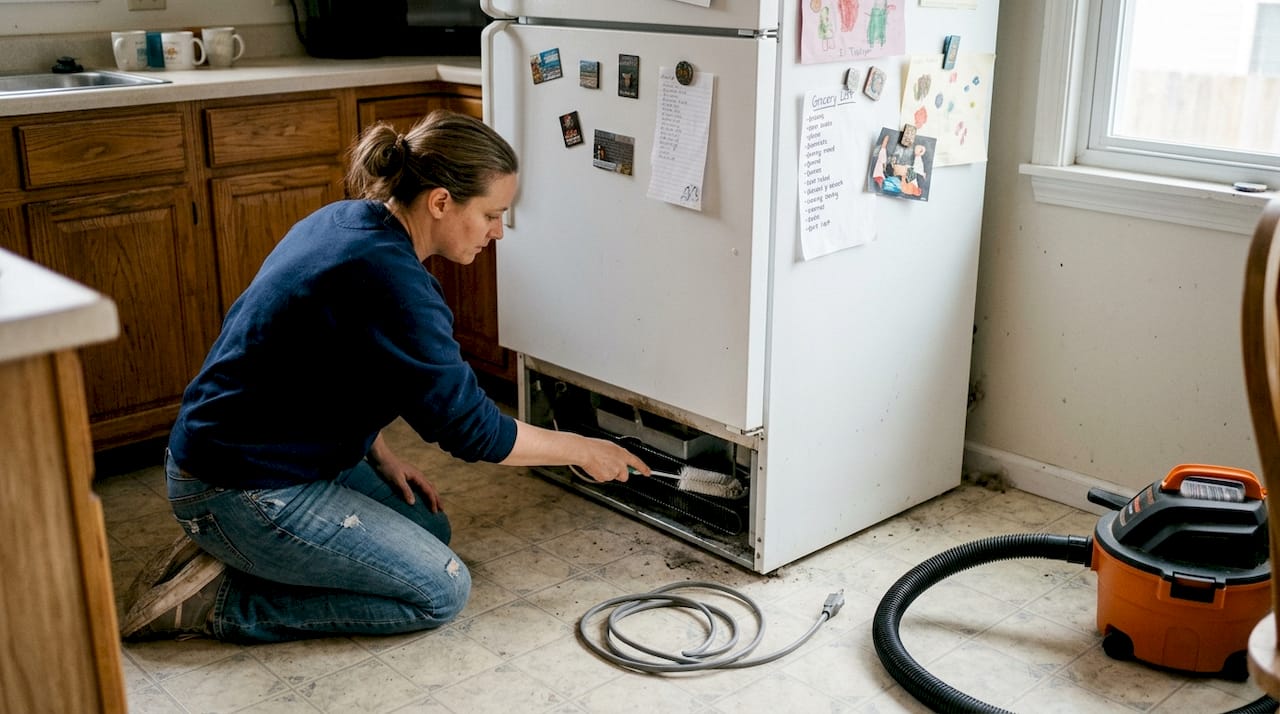
Monmouth County homes face unique challenges from coastal humidity and seasonal pollen that accelerate coil buildup. Your refrigerator works harder in summer months when ambient temperatures rise, so spring and fall cleanings are especially critical. Property managers overseeing multiple units should schedule coil maintenance as part of quarterly walkthroughs to catch problems before tenants report cooling issues.
Follow these steps for safe, effective coil cleaning:
- Unplug the refrigerator completely before starting any maintenance work
- Locate coils on the back panel or beneath the unit behind a front grille
- Use a vacuum with a brush attachment to remove loose dust and debris
- Finish with a coil brush to dislodge stubborn buildup between fins
- Avoid bending or damaging refrigerant tubes during cleaning
Pro Tip: Invest in a dedicated coil brush and shop vacuum combo for faster, more thorough cleaning. The specialized brush reaches tight spaces between coil fins that standard vacuum attachments miss, and you’ll complete the job in under 10 minutes once you establish a routine.
For homeowners seeking comprehensive refrigerator maintenance tips for homeowners, combining coil cleaning with door seal checks and temperature monitoring creates a complete prevention program that extends appliance life by years.
2. Avoid overloading washers and dryers
Stuffing too many clothes into your washer or dryer stresses motors, transmission components, belts, and suspension systems beyond their design limits. Overloading causes expensive repairs by forcing mechanical parts to work against excessive weight and friction. Even high-capacity machines have load limits that, when exceeded, trigger accelerated wear patterns you won’t notice until something breaks.
Manufacturer guidelines specify maximum load weights and volumes for good reason. A typical top-load washer handles 12-15 pounds comfortably, while front-loaders accommodate 15-18 pounds depending on drum size. Dryers need adequate airflow around clothes to function efficiently, so filling the drum more than three-quarters full reduces drying effectiveness and strains the motor.
Property managers face particular challenges in rental units where tenants may not understand proper loading practices. High cycle frequency combined with oversized loads creates a perfect storm for premature failures. Educating residents about load limits and providing clear usage guidelines reduces repair calls and extends appliance lifespan across your portfolio.
Follow these loading best practices:
- Check your owner’s manual for specific capacity recommendations by garment type
- Split bulky items like comforters and sleeping bags into separate loads
- Leave space at the top of the washer drum for proper agitation
- Avoid running heavy loads back-to-back without rest periods
Pro Tip: Give your washer and dryer a 30-minute cooldown between heavy loads. Motors and bearings generate significant heat during operation, and consecutive cycles without rest accelerate wear on critical components. This simple habit costs nothing and can double the lifespan of high-use machines.
Homeowners looking to optimize laundry appliance performance should explore dryer efficiency tips monmouth county homeowners for additional strategies that reduce energy costs while protecting your investment.
3. Flush water heaters annually to prevent sediment buildup
Monmouth County’s hard water contains elevated calcium and magnesium minerals that precipitate out during heating, forming sediment layers at the bottom of your water heater tank. This scale buildup acts as insulation between the heating element and water, forcing your system to work harder and longer to reach target temperatures. Without intervention, sediment shortens lifespan from 12-15 years to just 6-8 years while driving up energy bills and increasing failure risk.
Sediment accumulation creates multiple problems beyond efficiency loss. Mineral deposits clog drain valves, corrode tank interiors, and generate rumbling noises as steam bubbles escape through the sediment layer. In severe cases, sediment hardens into a concrete-like mass that requires professional removal or complete tank replacement.
Annual flushing removes accumulated sediment before it causes permanent damage. Schedule this maintenance task in early fall before winter heating demands increase. Property managers with multiple water heaters should stagger flushing schedules across units to avoid service disruptions and identify patterns that might indicate water quality issues requiring whole-building solutions.
Follow this proven flushing procedure:
- Turn off power to electric heaters or set gas heaters to pilot mode
- Close the cold water supply valve feeding the tank
- Connect a garden hose to the drain valve and route it to a floor drain or outside
- Open the drain valve and a hot water faucet upstairs to allow air entry
- Drain the tank completely, watching for sediment color changes
- Close the drain valve, refill the tank, and flush again if water remains cloudy
- Restore power and water supply once the tank refills and air purges from lines
Pro Tip: Homes with particularly hard water benefit from monthly vinegar descaling treatments between annual flushes. Pour two gallons of white vinegar into the tank through the cold water inlet, let it sit for six hours, then flush completely. This dissolves mineral deposits before they harden and complements your yearly maintenance routine.
For businesses managing multiple properties, the small business appliance maintenance guide monmouth county 2026 provides scalable strategies for maintaining water heaters and other critical appliances across your portfolio.
4. Monitor usage patterns and avoid complex smart appliances
How you use appliances matters as much as how you maintain them. Oversized loads and consecutive heavy cycles can halve lifespan even when you follow perfect cleaning and maintenance schedules. Duty cycle abuse, running appliances beyond their intended frequency, accelerates wear on motors, bearings, and electronic controls in ways that regular maintenance cannot prevent.
Property managers need visibility into appliance usage patterns across rental units. Install cycle counters or log books near laundry facilities to track frequency and identify units experiencing abnormal wear. Educate tenants about proper loading, appropriate cycle selection, and the importance of rest periods between heavy use sessions. These simple interventions reduce repair frequency and extend replacement timelines significantly.
Appliance complexity directly correlates with failure rates. Smart appliances experience 10-15% higher reliability issues in their first year compared to standard models due to electronic component failures, connectivity problems, and software glitches. While smart features offer convenience, they introduce additional failure points that may not justify the benefits for high-reliability applications.
Consider this comparison when making purchasing decisions:
| Feature | Smart appliances | Standard appliances |
|---|---|---|
| First-year failure rate | 10-15% higher | Baseline |
| Repair complexity | Requires specialized techs | Standard service |
| Average lifespan | 8-10 years | 12-15 years |
| Replacement part costs | Premium pricing | Standard pricing |
| Best use case | Tech-savvy owners | Rental properties, high-use |
Key usage monitoring strategies:
- Track cycles per week to identify overuse patterns early
- Establish rest periods between heavy loads to prevent motor overheating
- Choose appropriate cycle settings rather than defaulting to heavy-duty modes
- Educate all household members or tenants about proper operation
Pro Tip: When reliability is your top priority, choose the simplest model that meets your functional needs. Skip wifi connectivity, app controls, and advanced sensors in favor of mechanical controls and proven technology. This approach works especially well for rental properties where repair speed and cost matter more than cutting-edge features.
Homeowners weighing repair versus replacement decisions should review boost home efficiency with reliable repairs and appliance upgrades vs repairs for frameworks that factor in usage patterns and long-term costs.
5. Protect appliances with surge protectors and professional inspections
Power surges from lightning strikes, grid switching, and utility work damage sensitive electronic controls in modern appliances. A single significant surge can destroy circuit boards, displays, and microprocessors instantly, while repeated small surges degrade components over time until they fail. Dedicated surge protectors rated for appliance loads provide essential insurance against electrical damage that standard homeowner policies may not cover.
Annual professional inspections catch developing problems before they cause breakdowns. Trained technicians identify worn belts, failing seals, loose electrical connections, and refrigerant leaks during routine service visits. Early detection allows scheduled repairs during convenient times rather than emergency callouts when appliances fail completely. Schedule inspections during spring or fall when HVAC demands are lower and technicians have more availability.
Property managers should establish preventive maintenance contracts covering annual inspections across all rental units. Bulk service agreements reduce per-unit costs while ensuring consistent quality and faster response times when repairs become necessary. Document all inspection findings and maintenance actions to track appliance health trends and justify capital expenditure decisions.
Key inspection points professionals evaluate:
- Electrical connections for corrosion, looseness, or overheating signs
- Door and lid seals for gaps, tears, or compression loss
- Filters in refrigerators, dishwashers, and dryers for clogs
- Drive belts for cracking, glazing, or improper tension
- Thermostat accuracy and temperature consistency
Pro Tip: Combine your annual inspection with quarterly cleaning tasks to maximize efficiency gains. When a technician visits for inspection, have them verify your DIY maintenance work and provide feedback on technique improvements. This partnership approach builds your skills while ensuring nothing gets missed during routine care.
For comprehensive guidance on preventive care, explore importance of regular appliance maintenance to understand how professional service complements your DIY efforts.
Get expert appliance repair and maintenance in Monmouth County
Protecting your appliance investment requires both consistent DIY maintenance and professional expertise when problems develop. Expert Appliance brings over 35 years of experience serving Marlboro and surrounding Monmouth County communities with fast, reliable repair services for all major brands.
Whether you need emergency repairs or preventive inspections, our factory-trained technicians service the appliance brands we repair most commonly found in New Jersey homes. We provide same-day service, upfront pricing, and guaranteed satisfaction on every call.
Empower yourself with our DIY appliance maintenance tips and comprehensive appliance maintenance checklist for homeowners. These resources help you tackle routine care confidently while knowing professional help is just a phone call away when you need it.
Frequently asked questions
How often should I clean my refrigerator coils?
Clean refrigerator coils every three months for optimal performance and longevity. Quarterly cleaning prevents dust and debris accumulation that forces compressors to overheat, avoiding half of all refrigerator service calls. Homes with pets or high dust levels may benefit from monthly cleaning during peak shedding seasons.
What is the best way to prevent water heater damage from hard water?
Flush water heaters annually to remove sediment buildup caused by Monmouth County’s hard water. For homes with particularly hard water, add monthly vinegar descaling treatments and consider installing a whole-house water softener. These combined strategies extend water heater lifespan from 6-8 years to the full 12-15 year potential.
Are smart appliances more likely to break down?
Yes, smart appliances have 10-15% higher failure rates in their first year due to complex electronics and connectivity components. For rental properties or high-use situations where reliability is critical, simpler models with mechanical controls reduce breakdown risk and simplify repairs when problems do occur.
How can property managers reduce appliance repair costs?
Implement quarterly maintenance schedules, educate tenants about proper usage, and track cycle counts to identify overuse patterns early. Establish preventive maintenance contracts with local repair companies for bulk service discounts and priority scheduling. Document all maintenance actions to justify capital expenditures and identify units requiring replacement.
Should I repair or replace an older appliance?
Repair appliances under 8 years old when repair costs stay below 50% of replacement value. Replace units over 12 years old or those requiring multiple repairs within a year. Factor in energy efficiency improvements and local rebate programs when making replacement decisions, as newer models often pay for themselves through reduced utility bills.