
TL;DR:
- Routine appliance inspections detect problems early, reducing repair costs by up to 50%.
- Coastal conditions in Monmouth County accelerate appliance wear, requiring more frequent maintenance.
- Combining inspections with ongoing care prolongs appliance lifespan and ensures safety and efficiency.
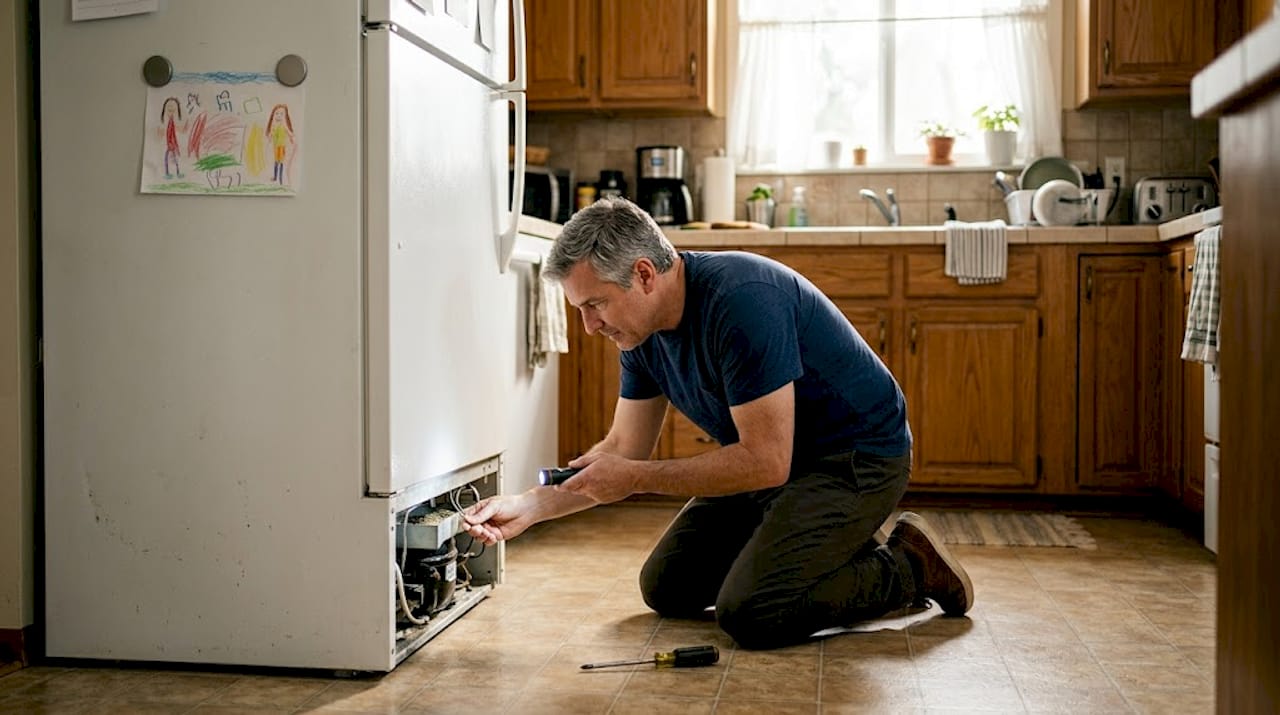
Most homeowners assume their appliances are fine until something breaks. That assumption costs real money. Routine maintenance cuts repairs 50% over five years, yet most households in Monmouth County never schedule a single proactive check. Here in coastal New Jersey, the combination of salt air, high humidity, and hard water accelerates appliance wear faster than in most parts of the country. This guide explains exactly what routine appliance inspection means, how it works in practice, why local conditions make it especially urgent, and what you can do starting today to protect your home and your budget.
Table of Contents
- What is routine appliance inspection?
- How routine appliance inspections are performed
- Why Monmouth County homes and businesses need regular appliance checks
- Inspection vs. maintenance: What’s the difference and how often do you need each?
- DIY vs. professional appliance inspections: Who should do what?
- Our take: The real secret to hassle-free appliances in Monmouth County
- Get expert help and keep your appliances running smoothly
- Frequently asked questions
Key Takeaways
| Point | Details |
|---|---|
| Definition matters | Routine appliance inspection means regular, scheduled checks of key appliances in homes and businesses, not just repairs. |
| Local climate impact | Monmouth County’s humidity and water quality require more frequent appliance checks than the national average. |
| Inspection vs. maintenance | Routine inspections check for obvious issues, but maintenance dives deeper for performance and safety. |
| DIY versus pro tasks | Homeowners should monitor and clean regularly, but certified pros are needed for certain appliances, especially for gas and during sales. |
| Prevention pays off | Consistent inspections and maintenance can cut repairs by up to 50% and extend appliance lifespans. |
What is routine appliance inspection?
With the stakes clear, it’s important to define exactly what routine appliance inspection means. Routine appliance inspection refers to systematic visual and operational checks of permanently installed household appliances. Think refrigerators, ovens, dishwashers, washers, and dryers. Not your toaster or countertop microwave.
The goal is simple: catch problems early before they turn into expensive repairs or safety hazards. An inspection is not the same as a repair. It’s also not a full maintenance service. Think of it like a health checkup. The doctor looks you over, notes what needs attention, and flags anything urgent. The actual treatment comes later if needed.
Here’s what a routine appliance inspection typically covers:
- Visual check of all permanently installed appliances for visible damage, rust, or leaks
- Operational test to confirm basic functions work (heating, cooling, draining, spinning)
- Safety review for gas connections, electrical cords, and ventilation
- Age and condition notes recorded for future reference
- Flagging of items that need follow-up repair or maintenance
For small businesses in Monmouth County, inspections carry extra weight. A commercial kitchen with a failing oven or a laundromat with a broken washer can lose revenue fast. Regular checks protect both the equipment and the bottom line.
“An inspection is your early warning system. It doesn’t fix the problem, but it tells you the problem exists before it becomes a crisis.”
Pro Tip: Keep a simple log of every inspection. Note the date, which appliances were checked, and anything that looked off. This record is invaluable when talking to a technician or selling your home. You can also review our appliance safety checklist to make sure you’re covering all the right bases.
How routine appliance inspections are performed
Knowing the definition, let’s break down how these inspections actually work and what’s expected by law in New Jersey.
A proper inspection follows a clear sequence:
- Visual examination of each installed appliance for cracks, corrosion, leaks, or worn seals
- Operational testing by running each appliance through its basic cycle to confirm function
- Serial number check to determine the appliance’s age and expected remaining lifespan
- Documentation of findings, including any items flagged for repair or replacement
- Reporting to the homeowner or property manager with clear next steps
Inspection mechanics include testing basic functionality, visual checks for leaks and damage, and recording age via serial numbers. This structured approach ensures nothing gets missed.
In New Jersey, the rules are specific. NJ Standards of Practice require licensed inspectors to check installed kitchen appliances including range and oven burners, heating elements, dishwashers, and garbage disposals. Microwaves and self-cleaning oven cycles are explicitly excluded from required checks.
| Appliance | Included in NJ Inspection | Notes |
|---|---|---|
| Range / oven | Yes | Burners and heating elements tested |
| Dishwasher | Yes | Basic cycle and drainage checked |
| Garbage disposal | Yes | Operation and leaks reviewed |
| Microwave | No | Excluded by NJ Standards of Practice |
| Washer / dryer | Varies | Depends on inspector and scope |
| Refrigerator | Varies | Often checked for cooling function |
For ongoing care beyond the inspection, our NJ maintenance tips walk you through what to do after the inspector leaves.
Why Monmouth County homes and businesses need regular appliance checks
But routine inspection means different things depending on where you live. Let’s see why it’s especially important by the Jersey Shore.
Monmouth County’s coastal environment is genuinely hard on appliances. Salt air causes metal components to rust faster. High humidity promotes mold growth inside washing machines and refrigerator seals. Hard water leaves mineral deposits that choke dishwashers, water heaters, and ice makers. These aren’t minor inconveniences. They shorten appliance life and drive up repair bills.
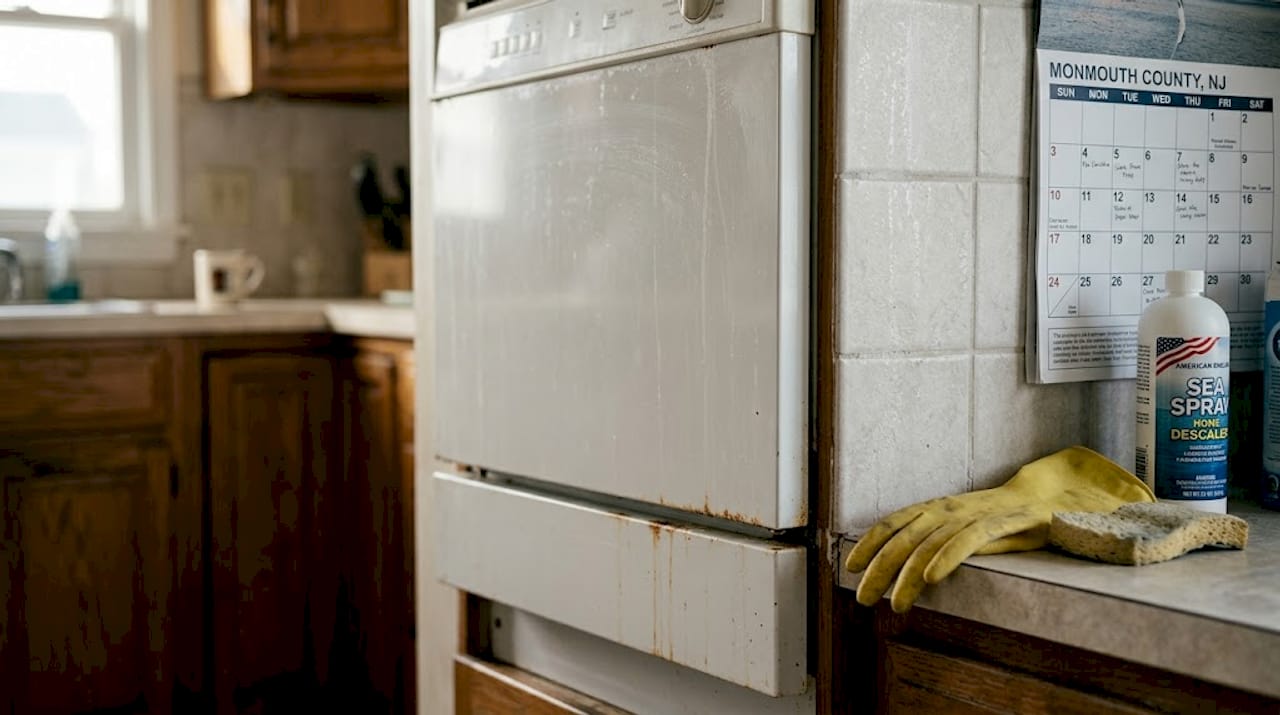
Monmouth County’s humidity and salty air means coil cleaning every 3 to 4 months compared to the national recommendation of every 6 months. That’s nearly double the frequency. Skipping this step lets dust and salt residue build up on refrigerator coils, forcing the compressor to work harder and consume more energy.
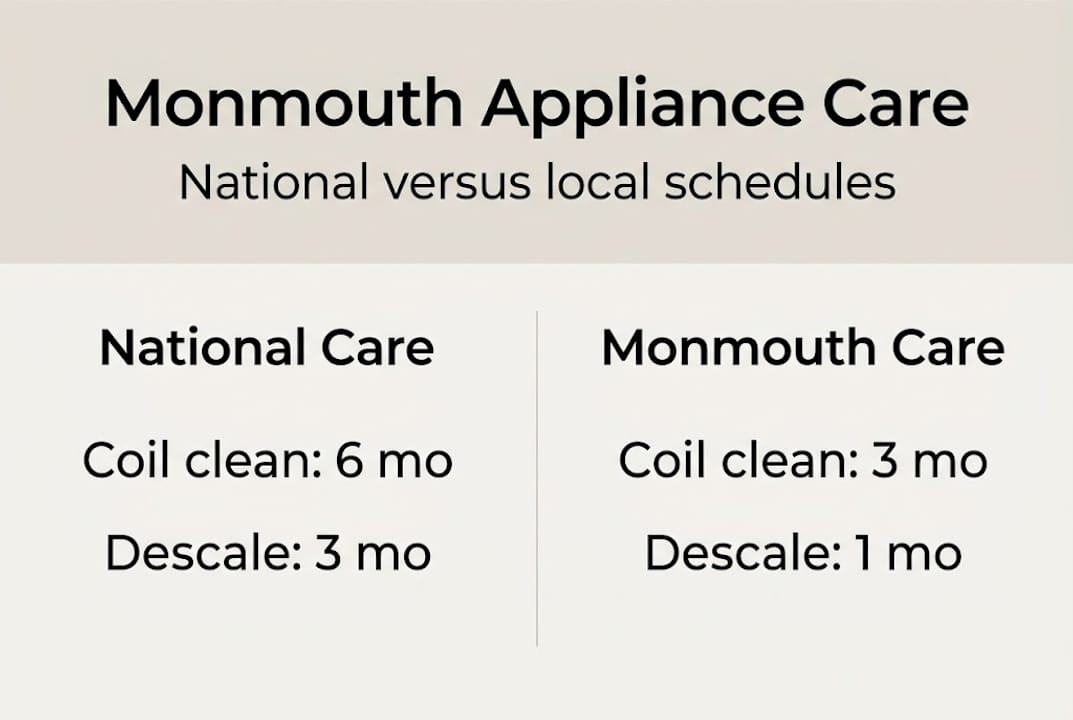
Monmouth hard water demands monthly descaling for appliances like dishwashers and coffee machines. Nationally, descaling every 3 to 6 months is typical. Ignoring this locally can double your repair costs within a few years.
Here’s a quick comparison:
| Task | National schedule | Monmouth County schedule |
|---|---|---|
| Refrigerator coil cleaning | Every 6 months | Every 3 to 4 months |
| Dishwasher descaling | Every 3 to 6 months | Monthly |
| Dryer vent cleaning | Annually | Every 6 months |
| Washer drum cleaning | Monthly | Every 2 to 3 weeks |
Pro Tip: After a coastal storm, do a quick visual check on all appliances. Salt-laden air can enter your home and accelerate corrosion on exposed metal parts, especially on older units.
Local businesses face the same risks. A restaurant near the shore with a failing commercial dishwasher or a salon with a broken water heater can face health code violations on top of repair costs. Check out our Monmouth County appliance tips for location-specific guidance.
Inspection vs. maintenance: What’s the difference and how often do you need each?
Now that the local urgency is clear, let’s tackle some confusion around inspection versus ongoing maintenance.
These two terms get used interchangeably, but they’re not the same thing. An inspection is a safety baseline. It tells you what condition your appliances are in right now. Home inspections focus on basic function and safety, while maintenance checks emphasize cleaning and proactive part replacements for longevity.
Here’s a side-by-side breakdown:
| Routine inspection | Preventive maintenance | |
|---|---|---|
| Purpose | Identify issues | Prevent issues |
| Frequency | At purchase, after repair | Quarterly or more often locally |
| Tasks | Visual, operational, document | Clean, lubricate, replace parts |
| Who does it | Licensed inspector or tech | Technician or informed homeowner |
| Outcome | Report and recommendations | Extended appliance life |
The myth worth busting: many homeowners think one annual inspection is enough. It’s not, especially in Monmouth County. Routine maintenance cuts repairs by 50%, cleaning increases refrigerator efficiency by up to 30%, and clogged dryer vents cause 15,000 fires in the US every year. These numbers make the case for going beyond inspections alone.
A practical schedule for Monmouth County:
- Monthly visual checks and descaling where needed
- Quarterly coil cleaning, dryer vent inspection, and washer drum cleaning
- Annually full professional maintenance service
- At purchase or after major repair formal licensed inspection
Use our appliance maintenance checklist to stay on track between professional visits.
DIY vs. professional appliance inspections: Who should do what?
As you plan your inspection routine, decide what you can handle and when a professional is a must.
Not everything requires a licensed technician. Homeowners can and should handle several tasks on their own:
- Monthly visual checks of seals, cords, and connections
- Cleaning refrigerator coils with a brush or vacuum
- Running a cleaning cycle on the dishwasher or washer
- Checking dryer vents for lint buildup
- Logging all activity with dates and observations
Prioritize pros for gas and electrical appliances, handle monthly visual checks yourself, and keep a maintenance log. This split approach saves money without cutting corners on safety.
When do you need a professional? Gas lines, electrical connections, and anything required for a home sale or insurance claim all need a licensed inspector or certified technician. NJ law is clear on this. Attempting gas or electrical work without proper credentials isn’t just risky. It can void your homeowner’s insurance.
One thing worth knowing: there are no dedicated routine appliance inspection companies in Monmouth County. The smart move is to combine a certified home inspector at purchase with a quarterly maintenance service provider for ongoing care. Know who to call for each need and keep their contact information handy.
Pro Tip: Ask any service provider for their NJ license number before they start work. Legitimate technicians will share it without hesitation. For small businesses, our business appliance repair guide covers what to look for when hiring.
Our take: The real secret to hassle-free appliances in Monmouth County
We’ve covered the facts. Now here’s what most articles and homeowners overlook.
After serving Monmouth County since 1988, we’ve noticed a clear pattern. Homeowners who wait for something to break always pay more, in repair bills, in stress, and sometimes in full appliance replacements that could have been avoided. The ones who come out ahead treat their appliances like they treat their cars: scheduled attention, not emergency visits.
NJ code inspections are the bare minimum. They’re a snapshot, not a strategy. The real protection comes from pairing that baseline with locally tuned quarterly care. Monmouth County’s climate is not forgiving, and appliances that get regular attention simply last longer and run more efficiently.
Keeping a maintenance log and working with reliable repair services that know the local conditions gives you something no inspection report alone can: genuine peace of mind. Act before problems appear, not after. That’s the approach that saves money and eliminates the 6pm panic call when the refrigerator stops cooling before a holiday weekend.
Get expert help and keep your appliances running smoothly
Ready to protect your investment and enjoy peace of mind? Here’s how Expert Appliance can help.
At Expert Appliance, we’ve been serving Monmouth County homeowners and small businesses since 1988. We know what coastal New Jersey does to appliances, and we’ve built our services around those local realities. Whether you need a same-day repair, a scheduled maintenance visit, or just want to know which appliance brands we repair, we’re here to help.
Explore our appliance maintenance tips to stay ahead of seasonal issues, or get fast appliance repair estimates with upfront pricing and no surprises. Our team is available 24/7 for emergencies and ready to schedule routine visits that fit your calendar. Don’t wait for a breakdown to take action.
Frequently asked questions
Which appliances are included in a routine inspection?
Installed kitchen appliances like ovens, dishwashers, and disposals are typically checked, but portables and microwaves are excluded from standard inspection scope.
How often should Monmouth County residents inspect appliances?
Quarterly coil cleaning and monthly descaling are both recommended given local humidity and hard water conditions.
Is appliance inspection required for home sale in NJ?
Yes. NJ Standards of Practice require licensed inspectors to check installed kitchen appliances during any formal home inspection.
Can I perform appliance inspections myself?
Homeowners can handle visual checks and cleaning, but gas and electrical work always requires a licensed professional for safety and legal compliance.
How does routine inspection save money?
Regular checks cut appliance repairs by 50% over five years, reducing emergency service fees and delaying costly early replacements.
Recommended
- Home appliance safety checklist: secure your Monmouth County – Expert Appliance
- Monmouth County appliance tips: Save money and extend life – Expert Appliance
- Appliance Service Contracts: What Monmouth County Needs – Expert Appliance
- Integrated Appliance Care Explained: Save on Repairs – Expert Appliance
- 7 Essential Rental Property Maintenance Checklist Tips – Rental Income Insurance