
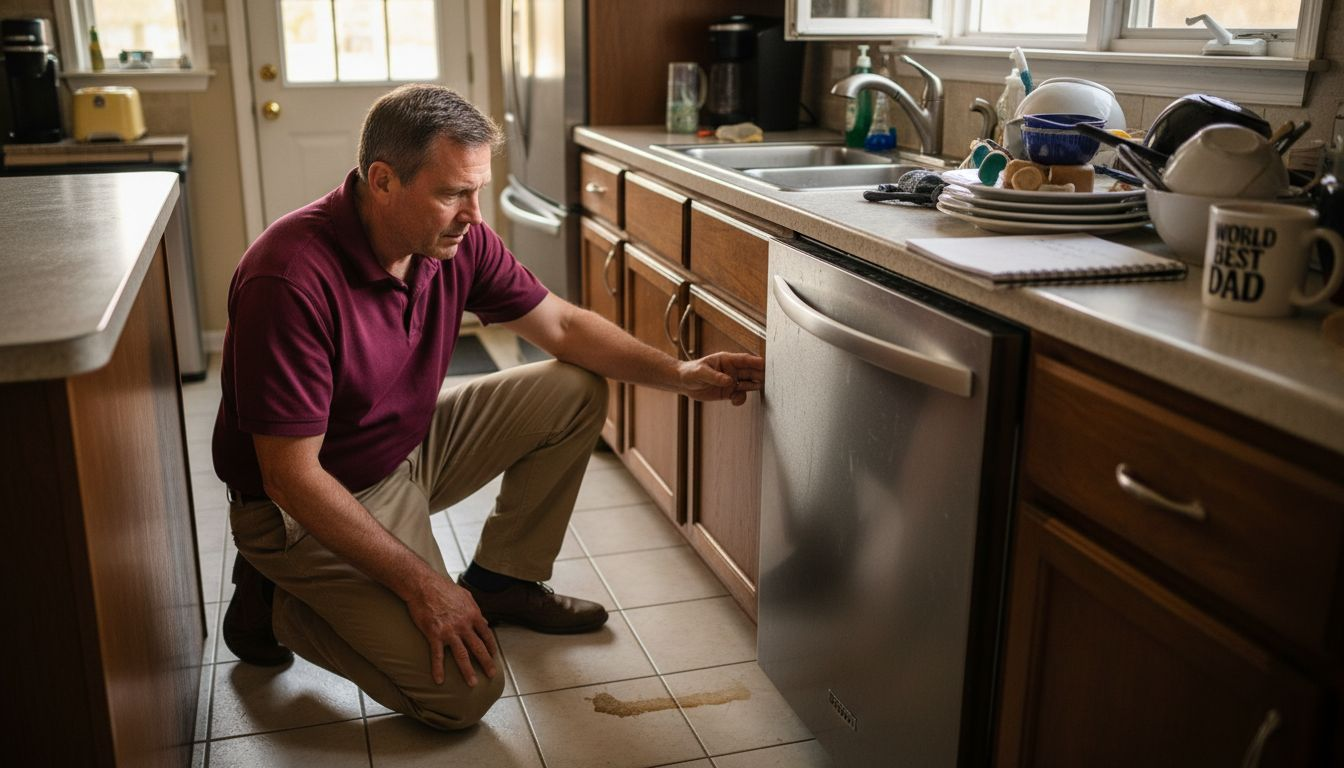
Most American families in Marlboro, NJ, rely on their appliances to keep daily routines running smoothly, yet nearly 35 percent experience sudden breakdowns each year. When your washer starts shaking or the refrigerator develops odd smells, these problems can quickly disrupt life and even threaten safety. Choosing a local, family-owned repair service means help is nearby and fast, bringing experience and trust when you need it most.
Table of Contents
- Strange Noises Or Unusual Vibrations Appear
- Appliance Fails To Start Or Stops Unexpectedly
- Unpleasant Odors Come From Your Appliance
- Clothes Or Dishes Aren’t Cleaning Properly
- Water Leaks Or Pooling Around Your Unit
- Rising Energy Bills With Normal Appliance Use
- Unresponsive Controls Or Faulty Displays
Quick Summary
| Key Insight | Explanation |
|---|---|
| 1. Unusual noises indicate problems | Strange sounds from appliances suggest issues like mechanical wear or imbalanced parts needing urgent professional inspection. |
| 2. Appliances failing to start or stop unexpectedly are dangerous | Intermittent failures may signal serious electrical issues that pose safety risks, warranting immediate investigation. |
| 3. Unpleasant odors signal potential hazards | Strange smells can indicate mold or electrical issues, requiring prompt attention to avoid safety risks and appliance failure. |
| 4. Poor cleaning performance indicates malfunctions | Consistently dirty clothes or dishes suggest underlying mechanical issues, necessitating inspection to restore performance. |
| 5. Increased energy bills indicate inefficiency | Spikes in electricity costs may point to appliance malfunctions, highlighting the need for professional assessment to prevent waste. |
1. Strange noises or unusual vibrations appear
Strange sounds or unexpected vibrations from your home appliances are more than just annoying background noise. These unusual mechanical signals can actually be your first warning of potential serious problems lurking inside your refrigerator, washer, dryer, or other household equipment.
Understanding why these noises occur is crucial. According to research from Pennsylvania State University, mechanical disturbances often indicate components operating outside their normal parameters. These vibrations might signal issues like imbalanced rotating parts, loose fasteners, or significant mechanical wear that could lead to major appliance failures if ignored.
When an appliance starts making grinding, squealing, thumping, or rattling sounds, it’s essentially sending an urgent message. Each noise type typically corresponds to a specific problem. A loud grinding might indicate worn bearings, while a rhythmic thumping could suggest an unbalanced motor or damaged component.
Homeowners should pay attention to these auditory and tactile warning signs. If your washing machine suddenly starts shaking violently during its spin cycle or your refrigerator sounds like it’s struggling to run, these are clear indicators that professional inspection is needed. Addressing these issues early can prevent more expensive repairs or complete appliance replacement.
Pro tip: Keep a log of when and how your appliances make unusual noises, as this information can help repair technicians diagnose problems more quickly and accurately.
2. Appliance fails to start or stops unexpectedly
An appliance that refuses to turn on or suddenly stops mid-cycle is more than just an inconvenience it could signal serious underlying problems. These unexpected interruptions are not random events but critical warning signs that something is fundamentally wrong with your home equipment.
According to the United States Fire Administration, unexpected appliance failures can indicate significant electrical risks that might potentially lead to electrical fires. When your refrigerator, washer, dryer, or other major home appliance stops working intermittently, it could point to deeper electrical or mechanical issues.
These startup failures typically stem from several potential causes. Electrical problems like damaged power cords, overloaded circuits, or internal wiring issues can prevent an appliance from functioning properly. Mechanical wear such as worn-out motors, damaged components, or degraded electrical connections might also cause sudden shutdowns.
Homeowners should treat these interruptions seriously. An appliance that fails to start consistently is not just an operational problem but a potential safety hazard. The unpredictable nature of these breakdowns means you could lose critical home functions at the most inconvenient moments.
Pro tip: Before calling a repair technician, check the power cord, outlet, and circuit breaker to rule out simple electrical issues that might be causing your appliance to fail.
3. Unpleasant odors come from your appliance
Strange odors emanating from your home appliances are more than just an unpleasant nuisance they can be serious warning signals about potential internal problems. When your refrigerator, dishwasher, or washing machine starts producing unusual smells, it is time to pay close attention.
According to research from consumer safety experts, certain odors can indicate immediate health or fire risks. Different smells suggest different problems musty odors might indicate mold growth, burning plastic could signal electrical issues, and rotten egg scents might point to serious mechanical failures.
Most appliance odors originate from specific sources. In washing machines, trapped moisture can create ideal environments for mold and mildew. Refrigerators might develop funky smells from spoiled food or bacterial growth in forgotten corners. Dishwashers frequently experience odor problems due to food particle buildup and inadequate cleaning.
Ignoring these smells can lead to more significant problems. Persistent odors often mean your appliance is not functioning correctly, which could result in potential breakdowns, reduced efficiency, or even safety hazards. Proper cleaning, regular maintenance, and timely professional inspection can help prevent these issues from escalating.
Pro tip: Clean your appliance seals and interior surfaces monthly with a mixture of white vinegar and water to prevent odor causing bacteria and mold growth.
4. Clothes or dishes aren’t cleaning properly
When your washing machine or dishwasher starts leaving clothes dirty or dishes grimy, it is more than just an inconvenience it is a clear signal that something is wrong with your appliance. Ineffective cleaning performance indicates underlying mechanical or operational issues that require immediate attention.
Proper cleaning performance relies on complex internal systems including water jets, detergent dispensers, and precise temperature controls. In washing machines, blocked filters, malfunctioning pumps, or deteriorating mechanical parts can drastically reduce cleaning effectiveness. Dishwashers might struggle due to clogged spray arms, failing heating elements, or problems with water circulation.
Multiple factors can contribute to poor cleaning performance. Hard water mineral buildup, incorrect detergent usage, overloading the appliance, or damaged internal components can all prevent your machines from doing their job effectively. Sometimes the problem is simple a dirty filter or spray arm. Other times it might indicate more serious mechanical wear.
Homeowners should pay attention to consistent cleaning failures. If your clothes consistently emerge with stains or your dishes have food remnants after a full cycle, it is time to investigate. These symptoms suggest your appliance is not functioning at its optimal level and might require professional repair or maintenance.
Pro tip: Run an empty hot water cycle with white vinegar monthly to help clear mineral deposits and maintain your appliance’s cleaning performance.
5. Water leaks or pooling around your unit
Water puddles around your washing machine, refrigerator, or dishwasher are not just unsightly they are urgent warning signs that something is seriously wrong with your appliance. These seemingly minor pools of water can quickly escalate into major household problems if left unchecked.
Household appliance water leaks can originate from multiple critical failure points including damaged hoses, worn seals, blocked drains, or malfunctioning water supply valves. What might appear as a small puddle could indicate substantial internal damage that threatens both your appliance and home infrastructure.
Water leaks pose significant risks beyond immediate surface damage. Persistent moisture can lead to wood rot, electrical hazards, mold growth, and structural deterioration. Different appliances have unique leak potential refrigerators might leak from defrost drains, washing machines from damaged door seals, and dishwashers from faulty pump connections.
Quick action is crucial when discovering water around your appliances. Unplug the unit, move any nearby items to prevent water damage, and assess the leak source. Some leaks might be simple fixes like tightening a connection, while others require professional diagnostic evaluation to prevent extensive damage.
Pro tip: Place a waterproof mat under appliances that are prone to leaking to catch water and protect your flooring from potential damage.
6. Rising energy bills with normal appliance use
Sudden spikes in your energy bills can be more than just an annoyance they are often a critical indicator that your home appliances are not functioning at peak efficiency. When your electricity costs climb despite maintaining similar usage patterns, your appliances might be silently consuming more power than they should.
Appliances that are struggling or experiencing internal wear tend to work harder to maintain their normal performance. A refrigerator with a failing compressor, a dryer with clogged vents, or a washing machine with worn bearings will draw significantly more electricity to complete their standard tasks. This increased energy consumption directly translates to higher monthly utility bills.
Modern appliances are designed to operate within specific energy efficiency parameters. When these devices start malfunctioning, they become energy hungry machines that drain your wallet. The extra strain on motors, heating elements, and mechanical components means they pull more electricity to compensate for their degrading performance.
Homeowners should track their energy consumption carefully. Compare your current bills with previous months and look for unexplained increases. If your usage patterns remain consistent but your costs are climbing, it is likely time to have your appliances professionally inspected for potential mechanical issues that are driving up energy consumption.
Pro tip: Use a plug-in energy meter to monitor individual appliance electricity consumption and quickly identify which devices might be operating inefficiently.
7. Unresponsive controls or faulty displays
When your appliance controls suddenly stop responding or displays start flickering unpredictably, these are not mere inconveniences but serious warning signs of potential electrical system failures. Modern appliances rely on complex electronic interfaces that can quickly deteriorate and compromise both functionality and safety.
Electronic control failures in home appliances can stem from multiple technical issues including damaged circuit boards, loose wiring connections, sensor malfunctions, or software glitches. A touchpad that does not register touches, a digital display showing nonsensical information, or buttons that remain unresponsive are all indicators of underlying electrical problems.
These control system breakdowns are more than frustrating they represent potential safety risks. Unresponsive controls might prevent critical functions like shutting off heating elements, stopping motor operations, or regulating temperature. For refrigerators, washers, dryers, and other essential home appliances, such malfunctions could lead to significant property damage or even personal injury.
Homeowners should never ignore persistent control or display issues. While a single unresponsive button might seem minor, it could signal more extensive electrical problems that require immediate professional attention. The complexity of modern appliance electronics means that DIY repairs can often cause more harm than good.
Pro tip: Before calling a repair technician, try a hard reset by unplugging the appliance for 60 seconds to see if electronic controls restore to normal function.
Below is a comprehensive table summarizing the main appliance issues, their causes, and recommended actions as discussed throughout the article.
| Issue | Potential Causes | Recommended Actions |
|---|---|---|
| Strange noises or vibrations | Imbalanced parts, loose fasteners, worn components | Log occurrences and seek professional inspection |
| Appliance failure to start or sudden stop | Electrical hazards, cord/circuit issues, motor wear | Inspect external connections; consult a technician if persists |
| Unpleasant odors | Mold growth, spoiled contents, buildup of debris | Clean areas monthly and address persistent odors promptly |
| Poor cleaning performance | Blocked filters, hard water deposits, failing components | Clean with vinegar cycles and inspect appliance internals |
| Water leaks or pooling | Damaged hoses/seals, blocked drains, failure points | Unplug, examine sources, and consider repairs to prevent damage |
| Higher energy bills | Inefficient parts, internal wear, increased effort | Monitor usage and inspect appliance efficiency |
| Unresponsive controls or displays | Circuit board issues, wiring problems, interface malfunctions | Perform a hard reset; call technician for persistent problems |
Facing Appliance Issues in Marlboro
If strange noises, sudden shutdowns, or water leaks are disrupting your daily routine, you are not alone. These common warning signs mean your appliances need expert attention before small problems become costly disasters. At Expert Appliance, we understand how frustrating and inconvenient unreliable appliances can be for Marlboro homeowners and local businesses. Our same-day service and 24/7 emergency support are designed to get your essential appliances like refrigerators, washers, dryers, and dishwashers back to peak performance quickly and safely.

Discover why so many customers turn to the trusted family-owned team at Expert Appliance since 1988. Visit our Appliance Archives – Expert Appliance for helpful insights and tips or schedule your repair today at https://expertapplianceinc.com. Don’t wait for the problem to get worse contact us now to restore your home’s comfort and safety with reliable appliance repairs you can count on.
Frequently Asked Questions
How can I tell if my appliance needs repair in Marlboro?
When your appliance starts making strange noises, fails to start, or produces unpleasant odors, these are clear signs that you may need appliance repair. Pay attention to these signs and consider calling a professional for an inspection if you notice consistent issues.
What should I do if my washing machine stops unexpectedly?
If your washing machine stops mid-cycle, check the power supply and cords first. If everything looks normal, it’s advisable to schedule an inspection to diagnose any internal electrical or mechanical failures.
What does it mean if my refrigerator is leaking water?
A leak from your refrigerator can indicate a damaged hose or seal, among other issues. Quickly address the source of the leak to avoid potential water damage to your home and to schedule a repair to prevent further complications.
Is it normal for my dishwasher to emit strange smells?
Strange odors from your dishwasher typically signal food buildup or mold. Clean the filter and run a maintenance cycle to clear out debris, and if odors persist, call a technician for a thorough inspection.
How can I monitor my appliance’s energy consumption?
To monitor your appliance’s energy usage, consider using a plug-in energy meter. This simple tool can help identify appliances that are inefficient and may need repair, helping you take action and potentially reduce energy costs by up to 20%.