
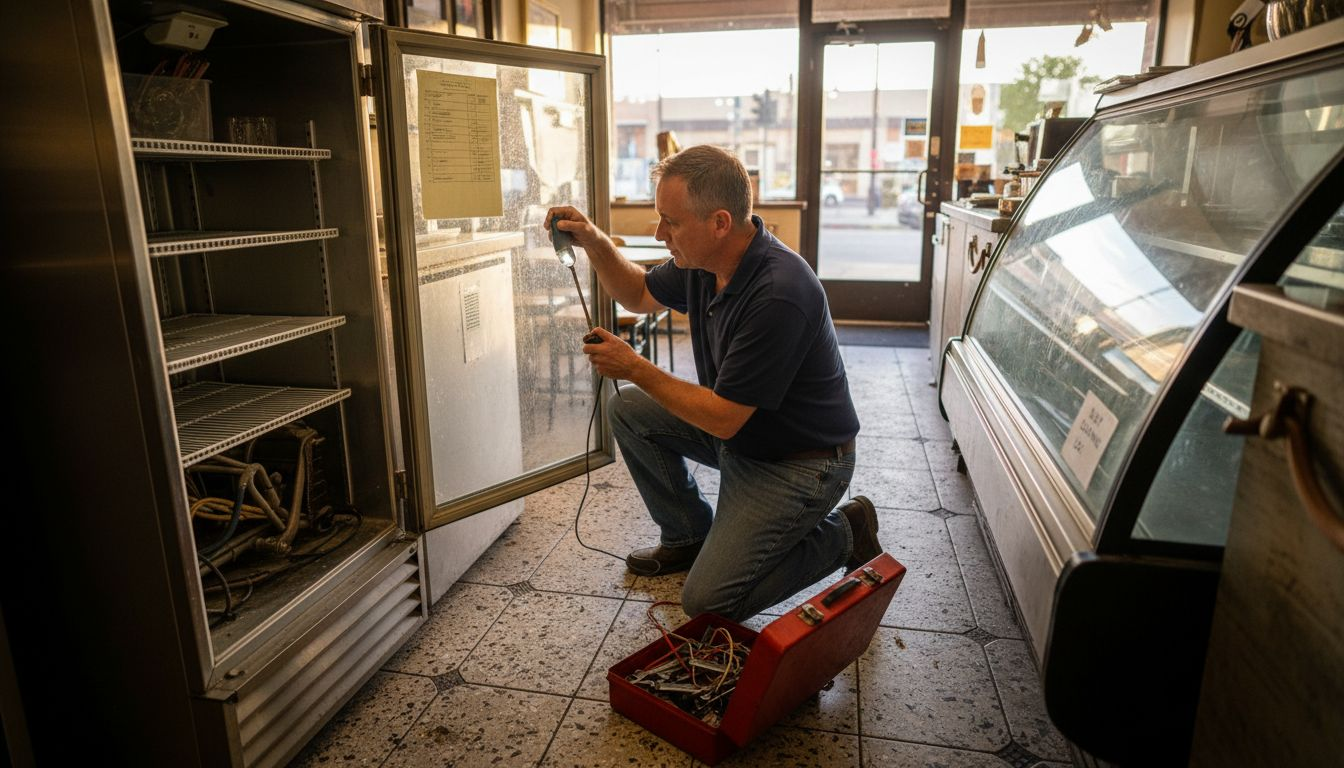
Picture this: it’s Monday morning at your Monmouth County café, and your walk-in refrigerator stops cooling just as the weekend delivery arrives. Or your laundromat’s commercial dryer fails mid-cycle during peak hours. These scenarios cost you money, customers, and peace of mind. The good news? Most appliance breakdowns are preventable with proper maintenance, and when problems do occur, systematic troubleshooting gets you back in business fast. This guide walks you through practical maintenance steps and repair workflows specifically designed for small business owners and homeowners in Monmouth County who depend on reliable appliances every single day.
Table of Contents
- Understanding Your Appliances And Preparation For Maintenance
- Step-By-Step Appliance Maintenance And Fast Repair Workflow
- Common Appliance Maintenance Mistakes And Troubleshooting Tips
- Expert Appliance Maintenance And Emergency Repair Services In Monmouth County
- FAQ
Key takeaways
| Point | Details |
|---|---|
| Regular maintenance extends appliance life | Scheduled cleaning and inspection reduce repair costs by catching issues early before they escalate into expensive failures. |
| Systematic diagnosis saves time | Following a structured workflow from symptom assessment through testing pinpoints problems quickly and accurately. |
| Know your safety limits | Simple maintenance tasks are DIY-friendly, but sealed systems and electrical components require professional expertise to avoid hazards. |
| Emergency readiness matters | Having a trusted local repair service on speed dial minimizes downtime when unexpected breakdowns strike your business. |
| Prevention beats replacement | Proactive care keeps appliances running longer and costs far less than premature replacement or emergency repairs. |
Understanding your appliances and preparation for maintenance
Before you can maintain or repair any appliance effectively, you need to know what you’re working with. Small businesses in Monmouth County typically rely on commercial-grade refrigerators, ovens, dishwashers, washing machines, and dryers. These workhorses operate under heavier loads than residential models, making them more susceptible to wear and tear. Homeowners face similar challenges with their kitchen and laundry appliances, though usage patterns differ.
Common failure points include compressor issues in refrigeration units, heating element burnout in ovens and dryers, pump failures in washers and dishwashers, and control board malfunctions across all appliance types. Warning signs appear before complete failure: unusual noises, temperature fluctuations, longer cycle times, water leaks, or error codes on digital displays. Catching these early signals prevents costly emergency repairs and business interruptions.
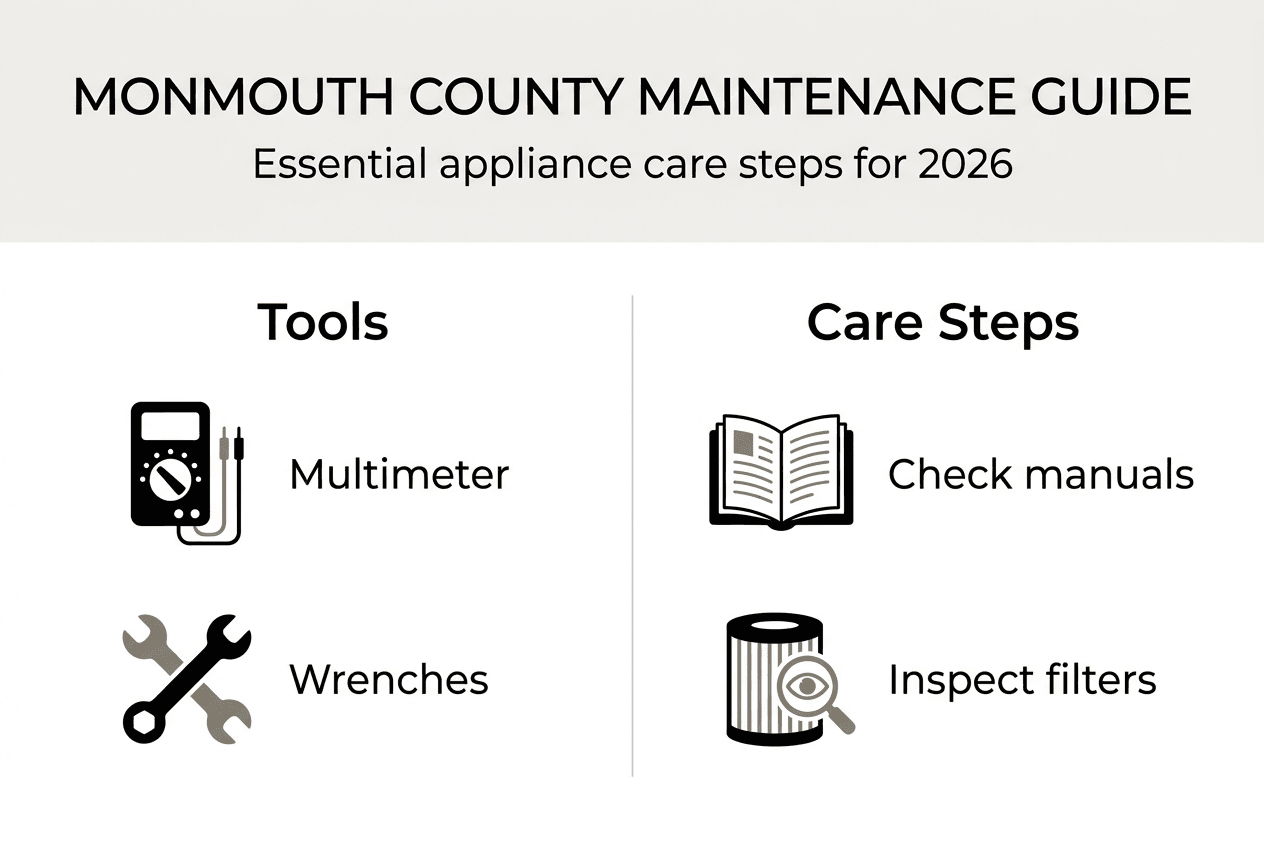
Appliance repair diagnosis involves customer symptom questions, visual inspection, multimeter testing, following manufacturer manuals, and testing full cycles post-repair. To perform basic maintenance and diagnose appliances effectively, you’ll need the right tools and knowledge.
| Tool | Primary Use |
|---|---|
| Multimeter | Testing electrical continuity, voltage, and resistance in circuits and components |
| Screwdriver set | Accessing panels, removing covers, and replacing parts |
| Manufacturer manual | Reference for specifications, wiring diagrams, and troubleshooting codes |
| Flashlight | Inspecting dark areas behind and underneath appliances |
| Cleaning supplies | Removing debris from coils, filters, and drainage systems |
Manufacturer manuals are your best friend when maintaining appliances. They contain model-specific information about parts, maintenance schedules, and diagnostic procedures. Download digital copies from manufacturer websites if you’ve lost the originals. Safety comes first: always disconnect power before opening panels or touching internal components. For gas appliances, shut off the gas supply before any maintenance work.
Pro Tip: Before diving into complex diagnostics, check the obvious culprits. Verify the appliance is plugged in securely, circuit breakers haven’t tripped, and water supply valves are fully open. A surprising number of “repairs” simply require resetting a tripped breaker or reconnecting a loose plug.
Follow your appliance maintenance checklist homeowners can use to stay organized and consistent with preventive care tasks throughout the year.
Step-by-step appliance maintenance and fast repair workflow
Routine maintenance prevents most appliance problems before they start. For small businesses, establishing a maintenance schedule protects your investment and keeps operations running smoothly. Here are essential tasks by appliance type:
- Clean refrigerator condenser coils every three months to maintain cooling efficiency
- Replace water filters in ice makers and refrigerators every six months
- Inspect door gaskets monthly for tears or gaps that waste energy
- Clean oven interiors and check heating elements for damage quarterly
- Descale dishwashers monthly using manufacturer-recommended cleaners
- Clean washer drain pumps and inspect hoses for cracks every three months
- Remove lint from dryer vents and exhaust ducts monthly to prevent fire hazards
- Test safety features like door switches and thermal fuses annually
When an appliance does malfunction, 75% of consumers choose repair over replacement for cost and sustainability, but 30% replace if repair cost exceeds 50% of replacement. Following a systematic repair workflow helps you make informed decisions quickly:
- Document the symptoms: note error codes, unusual sounds, performance issues, and when the problem started
- Perform visual inspection: look for obvious damage, loose connections, debris, or leaks
- Test electrical components: use a multimeter to check power supply, switches, and heating elements for continuity
- Consult diagnostic resources: reference manufacturer manuals and common appliance troubleshooting tips for your specific model
- Replace faulty parts: order genuine manufacturer parts when possible for reliability and warranty coverage
- Run full test cycles: verify the repair resolved the issue completely before returning the appliance to service
Knowing when to attempt repairs yourself versus calling professionals saves time and prevents safety hazards. This comparison helps you decide:
| Repair Type | DIY Appropriate | Professional Required |
|---|---|---|
| Filter replacement | Yes | No |
| Cleaning coils/vents | Yes | No |
| Door gasket replacement | Yes | No |
| Thermostat adjustment | Yes | No |
| Compressor repair | No | Yes |
| Gas line work | No | Yes |
| Sealed system repair | No | Yes |
| Control board replacement | Maybe | Recommended |
| Electrical wiring issues | No | Yes |
For appliance repair for small businesses, minimizing downtime is critical. Stock common replacement parts for your most essential appliances so repairs can happen immediately when issues arise.
Pro Tip: Create a repair decision matrix based on your comfort level and the appliance’s age. If the appliance is under warranty, always contact the manufacturer first. For out-of-warranty appliances over 10 years old, calculate whether repair costs exceed 50% of replacement value before proceeding.
Maintaining detailed records through DIY appliance maintenance tips helps you track patterns and predict when professional service might be needed.
Common appliance maintenance mistakes and troubleshooting tips
Even experienced business owners make maintenance mistakes that lead to premature appliance failure or unsafe conditions. The most common error is ignoring early warning signs until complete breakdown occurs. That slight humming noise or minor temperature fluctuation seems insignificant until your refrigerator fails completely during peak season. Address small issues immediately before they cascade into expensive emergencies.
Another frequent mistake involves attempting electrical repairs without proper knowledge or tools. DIY enthusiasm is admirable, but working with live electrical components without understanding voltage, amperage, and proper safety procedures puts you at serious risk. Similarly, skipping scheduled maintenance because appliances “seem fine” allows dust, debris, and wear to accumulate unnoticed until failure occurs.
Here are troubleshooting strategies that help you diagnose issues safely:
- Start with the simplest explanation: power supply issues, tripped breakers, or incorrect settings cause many apparent malfunctions
- Use your senses: listen for unusual sounds, smell for burning odors, feel for excessive heat or vibration
- Isolate variables: test one component at a time to identify the specific failure point
- Compare to baseline: know how your appliances normally operate so you recognize deviations quickly
- Document everything: photos and notes help you remember what you’ve tried and communicate clearly with repair technicians
Safety Warning: Never attempt repairs on sealed refrigeration systems, gas lines, or high-voltage electrical components without proper certification and tools. These systems contain pressurized refrigerants, flammable gases, and dangerous electrical currents that can cause serious injury or death. When in doubt, call a licensed professional.
Industry benchmarks show reliable brands have 4-10% first-year service rates and that about 35% of calls are emergencies. Being prepared for emergencies means having contact information for trusted local repair services readily available. Don’t wait until crisis strikes to research providers. Establish relationships with qualified technicians who understand your specific appliances and can respond quickly when needed.
For Monmouth County businesses, local expertise matters. Technicians familiar with the area understand regional factors like hard water issues, power fluctuations, and seasonal demands that affect appliance performance. They can arrive faster than distant corporate service centers and often provide more personalized attention to your specific needs.
Pro Tip: Create a maintenance log for each appliance documenting service dates, repairs performed, parts replaced, and any recurring issues. This history helps technicians diagnose problems faster and provides valuable data for deciding when replacement makes more financial sense than continued repairs. Digital photos of serial numbers and model information speed up parts ordering during emergencies.
Reference your appliance troubleshooting Monmouth County guide for location-specific tips, and keep the emergency appliance repair guide bookmarked for quick access during crises.
Expert appliance maintenance and emergency repair services in Monmouth County
When appliance issues exceed your DIY capabilities or time constraints, Expert Appliance brings over 35 years of Monmouth County expertise directly to your business or home. We understand that downtime costs you money and customers, which is why we offer same-day service and 24/7 emergency support for urgent situations. Our technicians have seen every appliance problem imaginable across Marlboro and surrounding communities since 1988.
We service all major appliance repair for top brands including commercial and residential models, with upfront pricing so you know costs before work begins. Our emergency appliance repair services minimize business interruptions with fast response times and efficient solutions. Beyond repairs, we offer maintenance plans that keep your appliances running optimally year-round. Following regular appliance maintenance tips from our experienced team prevents costly breakdowns before they happen. Contact us today to schedule service or discuss a preventive maintenance plan tailored to your specific needs.
FAQ
What types of appliances need regular maintenance for small businesses?
Refrigerators, commercial ovens, dishwashers, washing machines, and dryers are the highest maintenance priorities for small businesses in Monmouth County. These appliances operate under heavy daily loads and experience accelerated wear compared to residential models. HVAC units and water heaters also require scheduled maintenance to prevent unexpected failures during peak business seasons.
How often should I schedule professional appliance maintenance?
Schedule professional maintenance at least annually for most commercial appliances, with more frequent service for high-use equipment. Refrigeration units benefit from quarterly condenser coil cleaning, while dryers need monthly vent inspections due to fire risks. Follow manufacturer guidelines for your specific models, and consult local experts who understand Monmouth County conditions like hard water and seasonal humidity that affect appliance performance.
Can I perform small appliance repairs myself safely?
Simple maintenance tasks like cleaning filters, replacing door gaskets, and removing debris are safe DIY projects for most business owners. However, avoid attempting repairs on sealed refrigeration systems, gas lines, or complex electrical components without proper training and certification. These systems pose serious safety hazards including electrical shock, gas leaks, and refrigerant exposure. For guidance on safe DIY tasks, review DIY appliance maintenance tips that outline appropriate skill levels for various repairs.
What should I do in case of an appliance emergency at my small business?
Immediately turn off the malfunctioning appliance and disconnect its power source to prevent electrical hazards or further damage. For gas appliances, shut off the gas supply valve and ventilate the area if you smell gas. Contact a trusted local repair service right away to minimize downtime and lost revenue. Having emergency contact information saved in your phone before crises occur ensures you can respond quickly. Follow the emergency appliance repair guidance for detailed steps to protect your business during unexpected appliance failures.
Recommended
- Appliance troubleshooting in 2026: expert Monmouth County guide – Expert Appliance
- Cut Appliance Repairs 50%: Monmouth County NJ Guide – Expert Appliance
- Appliance Lifespan Guide: 9-15 Years in Monmouth County – Expert Appliance
- Commercial appliance terminology for Monmouth County NJ – Expert Appliance