
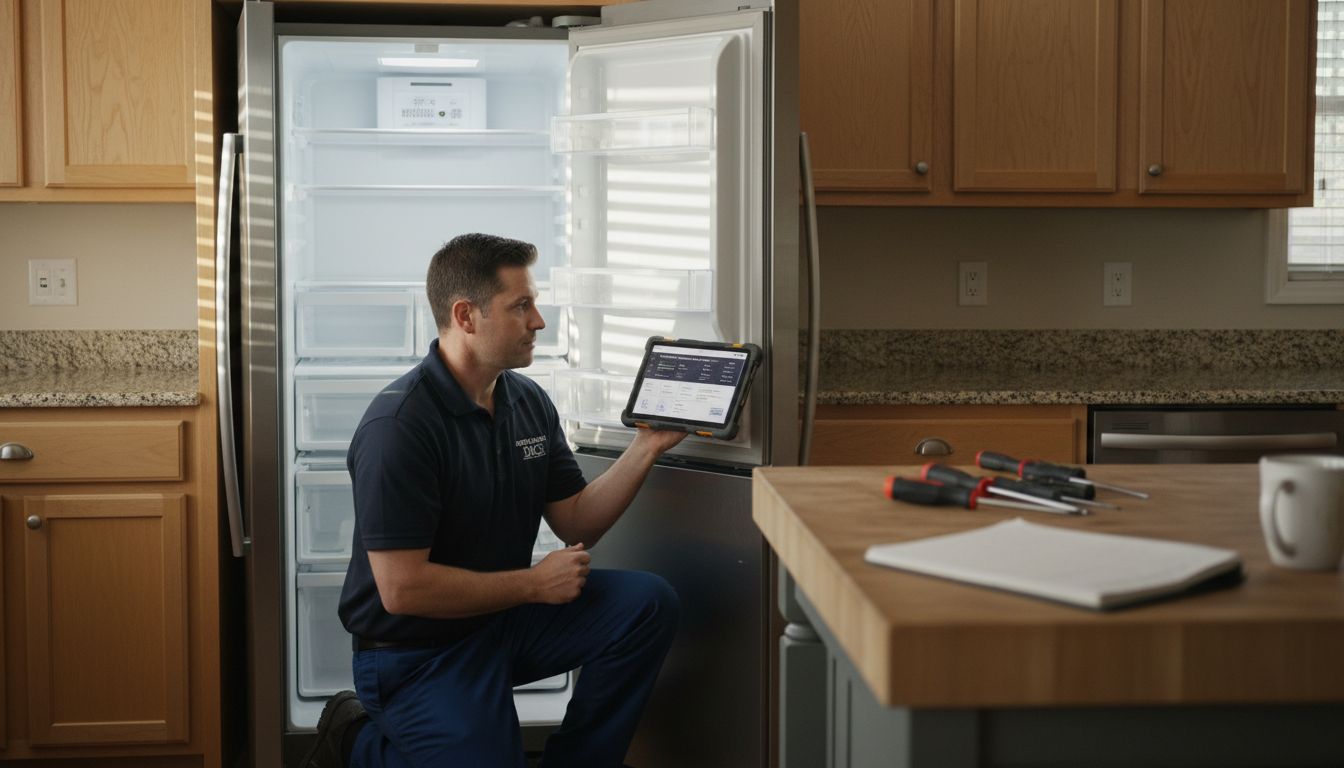
Over 60 percent of American households now own at least one smart appliance, signaling a dramatic shift in daily routines and expectations. This surge in connected devices brings new possibilities but also creates complex repair challenges that traditional services can no longer address. Understanding smart appliance repair is crucial for American families and businesses who want their technology investments to last longer and work smarter, providing real returns on both convenience and cost.
Table of Contents
- Defining Smart Appliance Repair Services
- Types of Smart Appliances and Common Problems
- How Smart Appliance Diagnostics Work
- Benefits for Homeowners and Local Businesses
- Challenges and Cost Implications of Smart Repairs
Key Takeaways
| Point | Details |
|---|---|
| Modern Appliance Repair Requires Advanced Skills | Technicians must possess a blend of mechanical, software engineering, and network expertise to repair sophisticated smart devices effectively. |
| Smart Appliances Involve Complex Technologies | Understanding advanced diagnostic systems, connectivity, and integration challenges is crucial for successful maintenance of smart appliances. |
| Significant Benefits for Users | Homeowners and businesses experience increased efficiency, reduced repair costs, and enhanced device longevity through smart appliance technologies. |
| Challenges Impacting Repair Costs | The technical complexity, proprietary technologies, and the need for continuous training contribute to higher repair expenses in the smart appliance landscape. |
Defining Smart Appliance Repair Services
Smart appliance repair represents a sophisticated approach to maintaining and servicing advanced technological home and business equipment that goes far beyond traditional maintenance techniques. Modern appliances now integrate complex digital systems, sensors, and connectivity features that demand specialized diagnostic and repair strategies.
The emergence of smart appliance repair reflects the rapid technological transformation in household and commercial equipment. Advanced technological integration requires nuanced repair methodologies that can address both hardware and software components simultaneously. Technicians must now understand intricate IoT networks, wireless communication protocols, and digital diagnostic systems in addition to traditional mechanical repair skills.
Key characteristics of smart appliance repair services include:
- Comprehensive digital diagnostics using advanced scanning tools
- Wireless system troubleshooting capabilities
- Software update and firmware management
- Integration of IoT connectivity repair techniques
- Specialized training in emerging digital home technologies
Interconnected systems demand repair approaches that transcend conventional mechanical interventions, requiring technicians to possess a hybrid skill set combining traditional mechanical expertise with advanced digital knowledge. The modern appliance repair professional must be part mechanic, part software engineer, and part network specialist to effectively service contemporary smart devices.
With the increasing complexity of home and commercial appliances, smart repair services have become essential. Homeowners and businesses need specialized technicians who can rapidly diagnose, repair, and optimize the sophisticated digital systems embedded in modern equipment, ensuring continued functionality and extending the operational lifespan of significant investments.
Types of Smart Appliances and Common Problems
Smart appliances have revolutionized modern households, integrating advanced technologies into everyday household equipment. These sophisticated devices range from refrigerators and washing machines to ovens, thermostats, and security systems, each bringing unique digital capabilities that enhance convenience and efficiency. Comprehensive research has identified multiple categories of smart appliances with distinct technological characteristics, highlighting the complexity of contemporary home technology.
Smart home appliances typically fall into several key categories:
- Kitchen Appliances: Smart refrigerators, ovens, dishwashers
- Laundry Equipment: Connected washing machines and dryers
- Climate Control: Smart thermostats and air conditioning units
- Security Systems: Intelligent cameras, door locks, and monitoring devices
- Entertainment Systems: Smart televisions and audio equipment
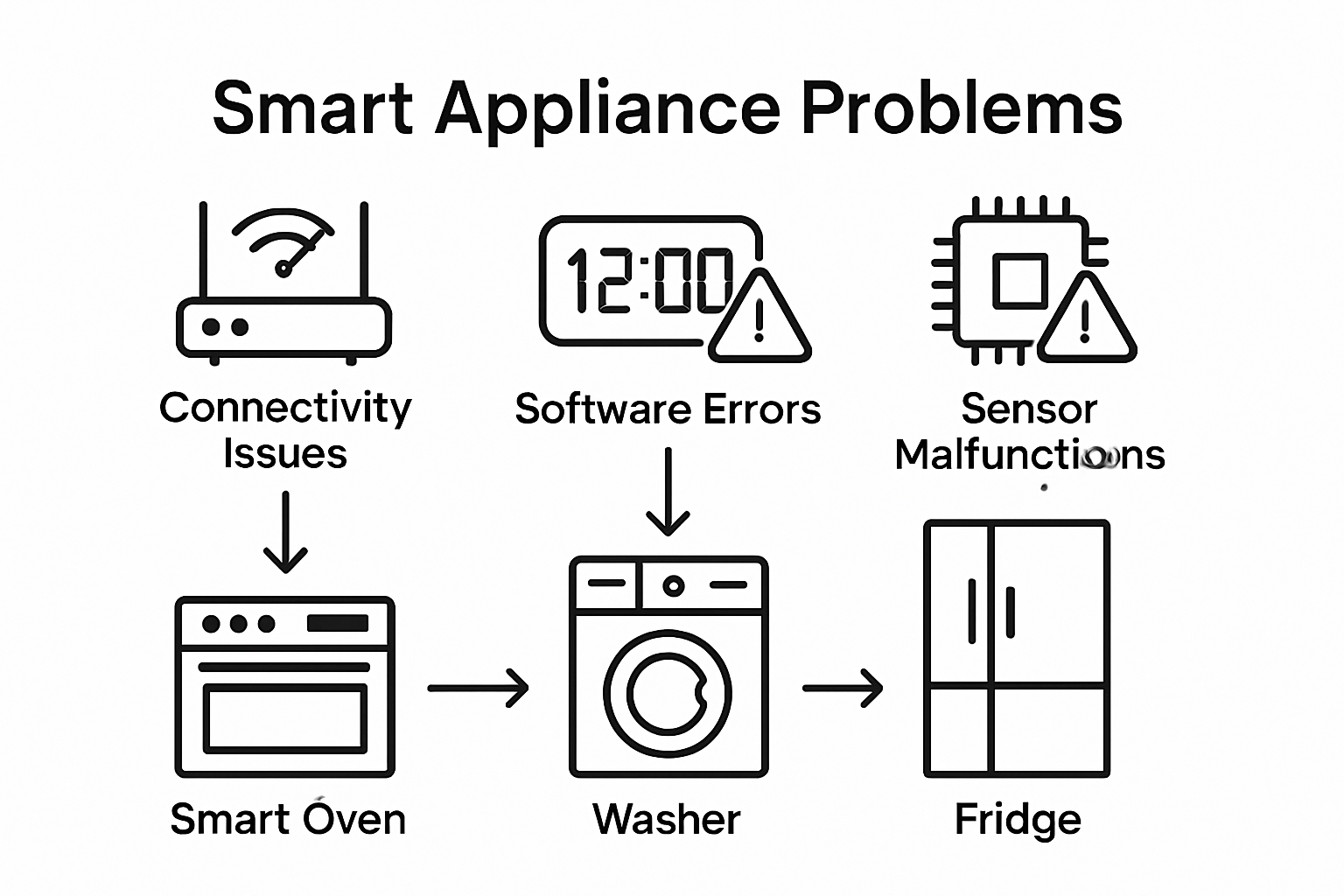
Interconnected smart grid technologies reveal significant challenges in appliance functionality and energy management, with common problems emerging across different device types. These issues frequently include:
- Persistent connectivity interruptions
- Software compatibility challenges
- Sensor calibration failures
- Unexpected system performance fluctuations
- Complex network integration difficulties
The increasing complexity of smart appliances demands sophisticated diagnostic and repair approaches. Homeowners and businesses must recognize that modern device maintenance goes beyond traditional mechanical fixes, requiring specialized technological expertise to address intricate digital and hardware interdependencies. Effective smart appliance repair now necessitates a comprehensive understanding of software systems, wireless technologies, and integrated network infrastructures.
How Smart Appliance Diagnostics Work
Smart appliance diagnostics represent a cutting-edge technological approach that transforms how we understand and maintain household equipment. Advanced sensor networks enable real-time monitoring and precise performance tracking, allowing devices to communicate potential issues before they become critical failures.
The core of smart appliance diagnostics involves multiple sophisticated technological components:
- Integrated Sensor Networks: Embedded sensors continuously collect performance data
- Machine Learning Algorithms: Advanced software analyzes complex performance patterns
- Wireless Connectivity: Instant communication of diagnostic information
- Predictive Maintenance Protocols: Anticipating potential equipment failures
- Remote Monitoring Capabilities: Enabling real-time performance tracking
Innovative monitoring systems can comprehensively analyze energy consumption and environmental interactions, providing unprecedented insights into appliance health and efficiency. These intelligent diagnostic processes go beyond traditional maintenance approaches by generating detailed performance reports, identifying subtle anomalies, and predicting potential system failures before they occur.
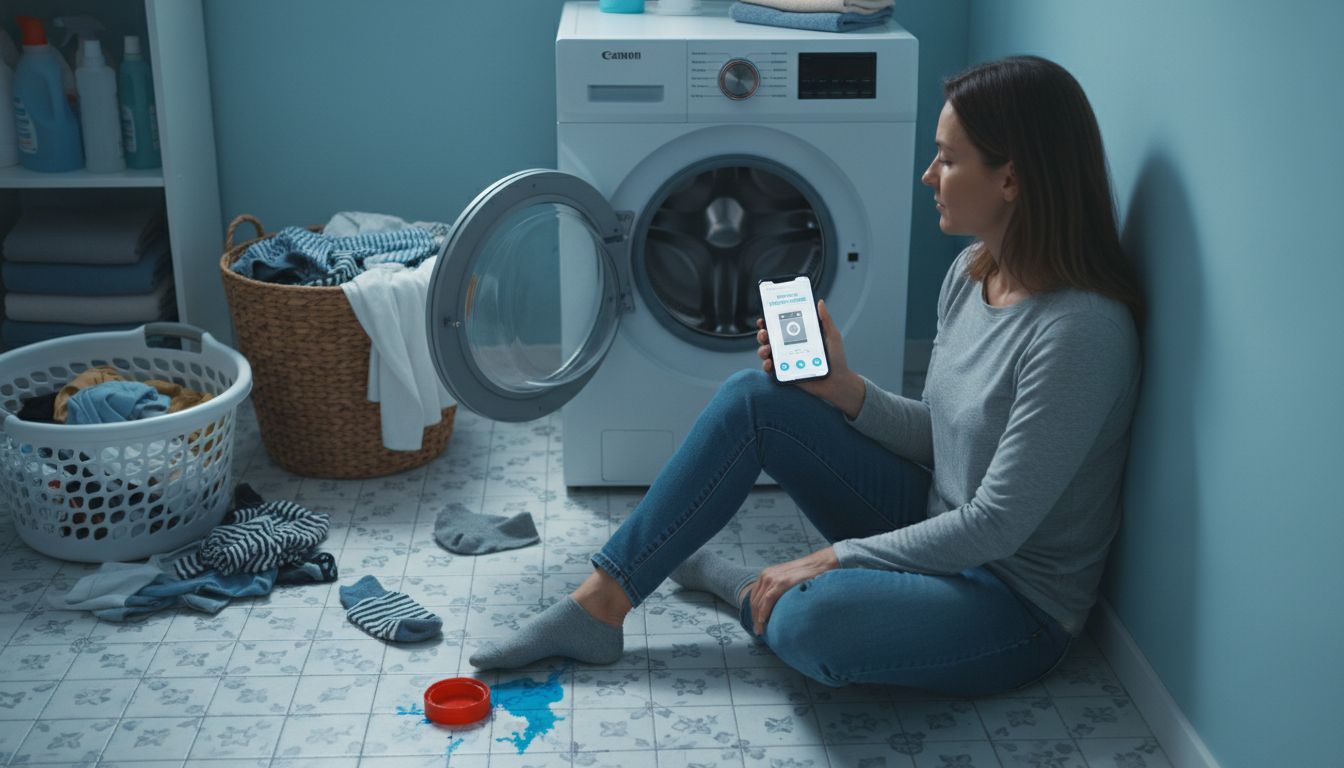
The technological sophistication of smart appliance diagnostics fundamentally reshapes equipment maintenance. Technicians now have access to comprehensive digital reports that reveal intricate system behaviors, allowing for more targeted, efficient, and proactive repair strategies. This data-driven approach not only reduces repair costs but also extends the operational lifespan of complex household and commercial equipment.
Benefits for Homeowners and Local Businesses
Smart appliance repair technologies offer transformative advantages that extend far beyond traditional maintenance approaches. Advanced IoT-enabled systems create unprecedented opportunities for energy efficiency and operational cost reduction, benefiting both homeowners and local businesses through intelligent, data-driven solutions.
Key benefits for homeowners include:
- Significant reduction in unexpected repair expenses
- Enhanced appliance performance and longevity
- Real-time monitoring of equipment health
- Proactive maintenance notifications
- Lower energy consumption and utility costs
- Improved home system reliability
Local businesses gain substantial advantages from smart appliance technologies:
- New revenue streams through advanced diagnostic services
- Increased operational efficiency
- Reduced equipment downtime
- Expanded service offerings
- Enhanced customer satisfaction through predictive maintenance
- More accurate repair cost estimations
Comprehensive research demonstrates how smart appliance technologies create measurable economic benefits across residential and commercial sectors, fundamentally transforming traditional repair and maintenance paradigms. The integration of intelligent diagnostic systems empowers service providers to offer more precise, efficient, and cost-effective solutions, ultimately delivering exceptional value to customers while creating new opportunities for technological innovation in the appliance repair industry.
Challenges and Cost Implications of Smart Repairs
Smart appliance repairs introduce a complex landscape of technological challenges that significantly impact both consumer experiences and repair industry practices. Specialized technical expertise has become increasingly critical due to the intricate nature of modern smart device systems, requiring technicians to develop sophisticated diagnostic and repair skills that go far beyond traditional mechanical maintenance.
Key challenges in smart appliance repairs include:
- Higher Repair Costs: Sophisticated components and specialized diagnostic tools
- Technical Complexity: Advanced software and hardware integration
- Proprietary Technology: Limited access to manufacturer-specific repair protocols
- Rapid Technological Obsolescence: Frequent system updates and evolving technologies
- Training Requirements: Continuous professional skill development
Digital vulnerabilities pose significant risks that can dramatically impact repair processes and overall device reliability, introducing additional layers of complexity for service providers and consumers. These challenges manifest through:
- Security system integration risks
- Privacy protection concerns
- Potential data breach vulnerabilities
- Complex network authentication requirements
- Increased cybersecurity management needs
The economic implications of smart appliance repairs demand a nuanced approach that balances technological sophistication with cost-effectiveness. Consumers and businesses must now invest in advanced diagnostic capabilities, specialized training, and continuous technological adaptation to maintain the increasingly complex ecosystem of smart home and commercial equipment.
Make Smart Appliance Repair Simple and Reliable with Expert Appliance
Dealing with complex smart appliances in your home or business can be overwhelming. The article highlights challenges like connectivity interruptions, software troubleshooting, and specialized diagnostics that require expert skills and tools. At Expert Appliance, we understand these pain points and offer fast, trusted repair services tailored for advanced appliances in Marlboro and Monmouth County. Whether it is your smart refrigerator, washer, or oven, our experienced technicians combine mechanical expertise with digital know-how to restore your appliances efficiently.

Explore how our comprehensive appliance repair solutions stand out by visiting our Appliance Archives. We provide same-day service and 24/7 emergency support to minimize downtime and unexpected costs. Don’t wait until small glitches turn into costly repairs. Contact us today at https://expertapplianceinc.com to schedule your smart appliance repair and keep your home running smoothly. For specialized vacuum issues, check our dedicated Vacuums Archives as well.
Frequently Asked Questions
What is smart appliance repair?
Smart appliance repair involves specialized techniques for diagnosing and fixing modern appliances that integrate advanced technology, including software systems and connectivity features. This type of repair goes beyond traditional maintenance, addressing both hardware and software issues.
Why is smart appliance repair important?
Smart appliance repair is crucial because modern appliances are becoming increasingly complex, often including intricate digital systems that require skilled technicians. Specialized repair services ensure that appliances function optimally, extending their lifespan and preventing costly failures.
What types of issues are commonly encountered with smart appliances?
Common problems with smart appliances include connectivity interruptions, software compatibility challenges, sensor calibration issues, unexpected performance fluctuations, and difficulties with network integration.
How do smart appliance diagnostics work?
Smart appliance diagnostics utilize embedded sensors and machine learning algorithms to monitor appliance performance in real-time. This technology allows for early detection of potential issues and provides detailed performance reports to technicians, enabling proactive maintenance and efficient repairs.
Recommended
- Role of Appliance Repair for Businesses: Protecting Productivity – Expert Appliance
- 7 Key Benefits of Appliance Repair for NJ Homeowners – Expert Appliance
- Why a Family-Owned Appliance Repair Company is Your Best Choice – Expert Appliance
- Boost Your Home’s Efficiency with Reliable Appliance Repairs – Expert Appliance