
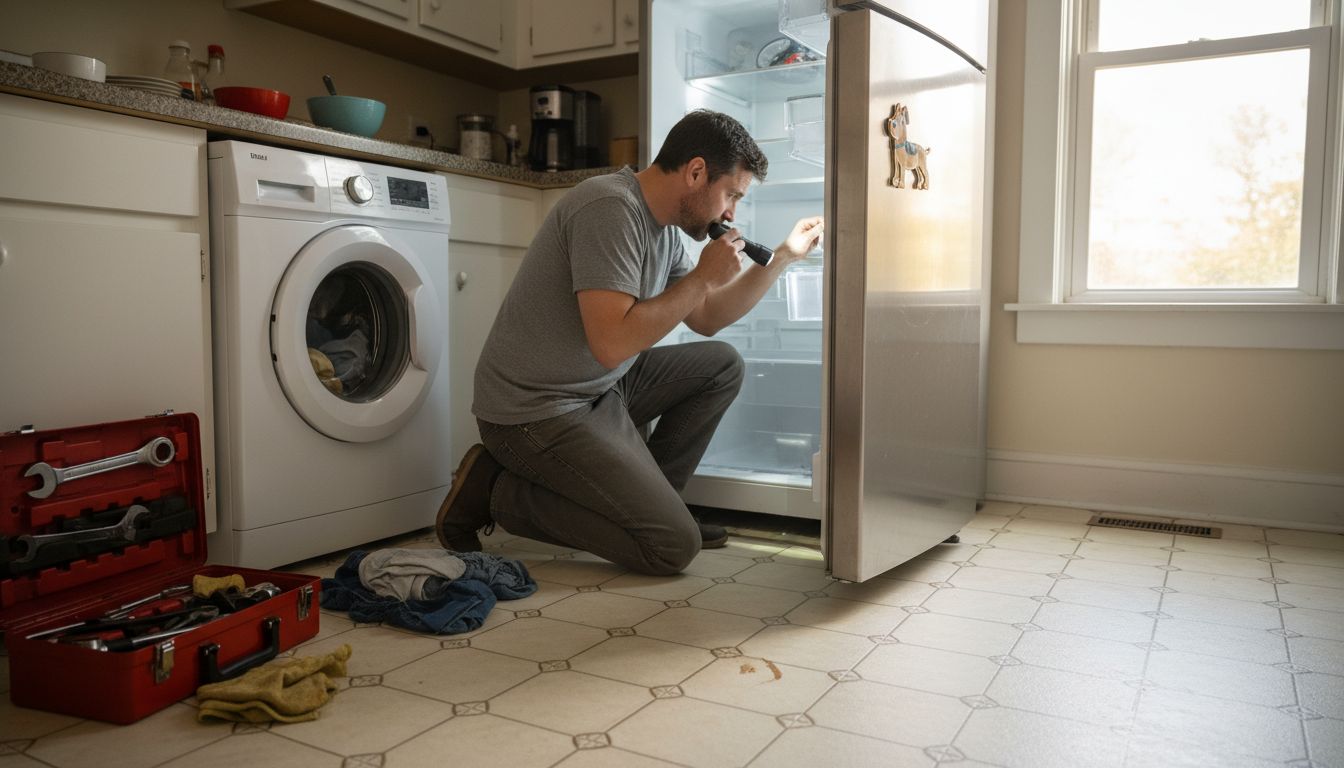
Most American households rely on working appliances to keep daily life running smoothly, yet over 40 percent of appliance failures lead to unexpected expenses each year. When your refrigerator stops cooling or your washing machine acts up, the risk of wasted food or disrupted routines becomes real. Tackling repairs quickly helps protect your investment and helps maintain the safe, convenient home environment every family deserves.
Table of Contents
- 1. Refrigerator Repairs To Prevent Food Spoilage
- 2. Washing Machine Repairs For Smooth Laundry Days
- 3. Dryer Repairs To Ensure Quick Drying
- 4. Oven And Stove Repairs For Safe Cooking
- 5. Dishwasher Repairs For Hassle-Free Cleaning
- 6. Microwave Repairs For Convenient Heating
- 7. Vacuum Cleaner Repairs For Clean Living Spaces
Quick Summary
| Takeaway | Explanation |
|---|---|
| 1. Maintain refrigerator at 40°F or below | Setting the correct temperature slows bacterial growth and preserves food safety during storage. |
| 2. Regularly clean and inspect washing machines | Performing routine checks can prevent unexpected failures and costly repairs during laundry days. |
| 3. Clean dryer vents annually to prevent fires | Removing lint buildup enhances drying efficiency and reduces the risk of fire hazards around the appliance. |
| 4. Inspect oven gas connections and electrical wiring | Ensuring connections are secure minimizes safety risks associated with gas leaks and electrical fires. |
| 5. Run empty dishwasher cycles with vinegar monthly | This maintains cleaning performance, extends operational life, and prevents mineral buildup in the appliance. |
1. Refrigerator Repairs to Prevent Food Spoilage
Maintaining a properly functioning refrigerator is critical for preserving food safety and preventing costly spoilage. Refrigerator issues can quickly escalate from minor inconveniences to major food waste problems if not addressed promptly.
Temperature control is the most crucial factor in preventing bacterial growth. According to North Carolina State University food safety research, setting your refrigerator temperature to 40°F or below significantly slows bacterial multiplication and extends food preservation.
Common refrigerator problems that can compromise food safety include:
• Inconsistent Cooling: Warm spots that develop in different areas of the refrigerator
• Faulty Door Seals: Gaskets that allow cold air to escape
• Malfunctioning Thermostats: Inaccurate temperature readings
• Compressor Issues: Reduced cooling efficiency
Homeowners should perform regular maintenance checks to catch potential problems early. This includes cleaning condenser coils, checking door seals for tight closure, and monitoring internal temperatures with an appliance thermometer.
Pro tip: Invest in a standalone refrigerator thermometer to independently verify your appliance’s temperature accuracy, ensuring your food remains safely chilled even when the built-in thermostat might be unreliable.
2. Washing Machine Repairs for Smooth Laundry Days
Washing machines are essential household appliances that demand regular maintenance to prevent unexpected breakdowns and costly repairs. Understanding common issues and performing timely interventions can save homeowners significant time and money.
Several key areas require consistent attention to keep your washing machine running smoothly. These include monitoring water inlet valves, checking drainage systems, and addressing potential motor and belt problems before they escalate.
Common Washing Machine Problems:
• Unusual Noises: Indicating potential bearing or drum issues
• Water Leakage: Suggesting seal or hose damage
• Incomplete Spinning: Pointing to motor or belt malfunctions
• Drainage Problems: Revealing potential pump or filter blockages
Professional washing machine repair workflow guides recommend regular inspection of key components like water hoses, drain pipes, and mechanical seals to prevent unexpected failures.
Homeowners should pay special attention to signs of wear such as vibration, strange sounds, or water accumulation around the machine. These early warning indicators can help prevent more extensive damage and expensive replacement.
Pro tip: Run an empty hot water cycle with white vinegar monthly to clean internal components and prevent mineral buildup, which can significantly extend your washing machine’s operational lifespan.
3. Dryer Repairs to Ensure Quick Drying
A properly functioning dryer is crucial for efficient laundry routines and preventing potential home hazards. Understanding common dryer issues can help homeowners maintain optimal performance and extend their appliance’s lifespan.
Dryers are complex machines with multiple components that can experience wear and malfunction over time. Comprehensive dryer repair services recommend focusing on several key areas to ensure consistent drying performance.
Critical Dryer Maintenance Areas:
• Lint Filter: Regular cleaning prevents fire risks
• Heating Element: Ensures proper temperature regulation
• Drum Rollers: Enables smooth rotation
• Drive Belt: Maintains consistent spinning mechanism
• Thermostat: Controls temperature accuracy
Common signs of dryer problems include unusually long drying times, overheating, strange noises, or complete failure to start. These symptoms often indicate underlying mechanical or electrical issues that require professional assessment.
Homeowners should perform routine maintenance such as cleaning lint traps after every load, checking exhaust vents for blockages, and listening for unusual sounds during operation. Addressing minor issues quickly can prevent more expensive repairs down the line.
Pro tip: Disconnect and clean your dryer’s exterior vent annually to remove accumulated lint and debris, which can significantly improve drying efficiency and reduce potential fire hazards.
4. Oven and Stove Repairs for Safe Cooking
Kitchen appliances like ovens and stoves are essential for meal preparation but can become significant safety hazards if not properly maintained. Understanding potential issues and performing regular maintenance can prevent dangerous malfunctions and ensure safe cooking environments.
According to critical fire prevention guidelines, maintaining cooking appliances is crucial for household safety. Homeowners must pay close attention to their stove and oven components to minimize potential risks.
Key Areas Requiring Routine Inspection:
• Gas Connections: Check for potential leaks
• Electrical Wiring: Ensure no exposed or frayed components
• Heating Elements: Verify consistent performance
• Control Knobs: Confirm accurate temperature regulation
• Door Seals: Inspect for proper closure and heat retention
Common warning signs that indicate potential oven or stove problems include uneven heating, gas odors, unusual noises, pilot light inconsistencies, and visible rust or damage. Addressing these issues promptly can prevent more extensive damage and potential safety hazards.
Regular cleaning and professional inspections can significantly extend your appliance’s lifespan and maintain its optimal performance. Pay attention to small changes in cooking performance that might signal underlying mechanical issues.
Pro tip: Always keep a functional fire extinguisher in your kitchen and test your smoke detectors quarterly to provide an additional layer of safety around cooking appliances.
5. Dishwasher Repairs for Hassle-Free Cleaning
Dishwashers are complex appliances that require consistent maintenance to ensure optimal performance and prevent costly breakdowns. Understanding common issues and performing timely repairs can significantly extend your appliance’s lifespan and maintain its cleaning efficiency.
Professional dishwasher repair checklists recommend focusing on several critical components to keep your appliance running smoothly.
Key Dishwasher Maintenance Areas:
• Spray Arms: Check for blockages and proper rotation
• Door Seals: Inspect for cracks or wear that cause leaks
• Water Inlet Valve: Verify smooth water flow
• Drain Pump: Ensure clear drainage and no obstructions
• Filtration System: Clean and remove accumulated debris
Homeowners should watch for warning signs such as strange noises, incomplete cleaning cycles, water pooling, unpleasant odors, and visible food residue on dishes. These symptoms often indicate underlying mechanical or plumbing issues that require prompt attention.
Regular maintenance includes cleaning filter systems, checking water supply connections, and running empty hot water cycles to remove mineral buildup. Addressing small problems quickly can prevent more expensive repairs and potential total appliance replacement.
Pro tip: Run an empty cycle with white vinegar monthly to dissolve mineral deposits and eliminate bacteria buildup, which helps maintain your dishwasher’s cleaning performance and extends its operational life.
6. Microwave Repairs for Convenient Heating
Microwaves are essential kitchen appliances that demand regular maintenance to ensure consistent performance and safe operation. Understanding potential issues and performing timely repairs can prevent unexpected breakdowns and extend your appliance’s lifespan.
Experts recommend addressing microwave problems quickly using comprehensive troubleshooting strategies to prevent more extensive damage.
Critical Microwave Components Requiring Attention:
• Magnetron: Primary heating element
• High Voltage Capacitor: Supports electrical function
• Turntable Motor: Ensures even heating
• Control Panel: Manages operational settings
• Door Switches: Prevents microwave operation with open door
Homeowners should monitor warning signs such as uneven heating, unusual buzzing sounds, sparking inside the chamber, non responsive control panels, or complete failure to power on. These symptoms often indicate specific mechanical or electrical problems that require professional assessment.
Regular maintenance includes keeping the interior clean, checking door seals for damage, and avoiding running the microwave empty. Addressing minor issues promptly can prevent more expensive repairs and potential safety hazards.
Pro tip: Always use microwave safe containers and avoid operating the appliance when empty to prevent unnecessary strain on internal components and extend its operational life.
7. Vacuum Cleaner Repairs for Clean Living Spaces
Vacuum cleaners are essential tools for maintaining a healthy home environment, but they require consistent maintenance to perform effectively. Understanding common issues and performing timely repairs can significantly extend your vacuum’s operational life and maintain its cleaning performance.
Homeowners can benefit from comprehensive vacuum repair knowledge to address potential problems before they become costly replacements.
Critical Vacuum Components Requiring Regular Maintenance:
• Suction Motor: Primary cleaning mechanism
• Brush Roller: Agitates carpet fibers
• Filters: Captures dust and allergens
• Electrical Connections: Ensures consistent power
• Belt System: Transfers power to brush roller
Common warning signs of vacuum problems include reduced suction power, unusual noises, burning smells, inconsistent cleaning performance, and visible damage to electrical cords or brush rollers. These symptoms often indicate specific mechanical issues that require professional assessment or targeted repairs.
Regular maintenance includes cleaning or replacing filters, checking brush roller functionality, inspecting electrical connections, and ensuring proper belt tension. Addressing minor issues promptly can prevent more extensive damage and maintain optimal cleaning performance.
Pro tip: Store your vacuum in a dry, cool area and clean its filters monthly to prevent dust accumulation and maintain maximum suction efficiency.
Below is a comprehensive table summarizing the main maintenance strategies and tips for various household appliances discussed throughout the article.
| Appliance | Common Issues | Maintenance Tips | Benefits |
|---|---|---|---|
| Refrigerator | Inconsistent cooling, faulty door seals, thermostat and compressor issues | Clean coils, check door seals, use a standalone thermometer | Prevents food spoilage, maintains food safety |
| Washing Machine | Unusual noises, water leakage, incomplete spinning, drainage problems | Inspect water hoses and seals, run monthly vinegar cycle | Prevents breakdowns, extends appliance lifespan |
| Dryer | Lint buildup, heating issues, drum roller wear | Clean lint filter, check vent, inspect drum rollers | Improves drying efficiency, reduces fire risks |
| Oven and Stove | Gas leaks, wiring issues, heating inconsistencies | Check gas connections, inspect wiring and seals, maintain cleanliness | Ensures safe cooking, prevents fire hazards |
| Dishwasher | Blocked spray arms, leaking door seals, drainage issues | Clean filters, check seals, run vinegar cycles | Maintains cleaning efficiency, prevents leaks |
| Microwave | Magnetron and electrical issues, door seal problems | Keep interior clean, check door switches, avoid running empty | Ensures safe operation, extends lifespan |
| Vacuum Cleaner | Reduced suction, strange noises, electrical problems | Clean filters, check brush roller, inspect electrical cords | Maintains optimal performance, extends lifespan |
Keep Your Home Running Smoothly with Expert Appliance Repairs
Facing appliance troubles like inconsistent refrigerator cooling or a dryer that takes forever can quickly disrupt your daily routine and add stress to your home life. This article highlights the common pain points homeowners experience such as faulty thermostats, leaky washing machines, or malfunctioning oven elements. Expert Appliance Repair understands these challenges and offers fast, reliable solutions for all major household appliances in Marlboro, NJ and nearby Monmouth County. Whether it is ensuring your refrigerator maintains safe temperatures or getting your dishwasher to clean efficiently, our family-owned company with over 30 years of experience is ready to restore your peace of mind.
Experience the confidence that comes with same-day service, 24/7 emergency support, and upfront pricing. Take control now before minor problems turn into costly replacements. Discover how Expert Appliance Repair can keep your home comfortable and safe by visiting our comprehensive Appliance Archives for detailed repair insights.
Don’t wait for an emergency to strike. Contact us at Expert Appliance Inc. to schedule your repair service today. For specialized care with your vacuum cleaner, explore our Vacuums Archives to learn more about keeping your living space clean and allergen-free.
Frequently Asked Questions
What are the most common appliance repairs needed in a household?
Refrigerators, washing machines, dryers, ovens, dishwashers, microwaves, and vacuum cleaners are the most common appliances requiring repairs. Regular maintenance checks can prevent issues with these appliances and extend their lifespan.
How can I tell if my refrigerator is working properly?
Monitor the internal temperature, ensuring it stays at or below 40°F. Check for warm spots and ensure door seals are tight; inspect these monthly to catch potential issues before they escalate.
What should I do if my washing machine is making unusual noises?
Unusual noises can indicate bearing or drum problems. To address this, immediately inspect the machine for loose components and listen for signs of wear; escalating issues can lead to more expensive repairs if not managed quickly.
How often should I perform maintenance on my dryer?
Clean your lint filter after every load and inspect your vent for blockages at least once a year. This routine maintenance helps improve drying efficiency and significantly reduces potential fire hazards.
What are the signs that my dishwasher needs repairs?
Signs include incomplete cleaning cycles, strange noises, or water pooling around the appliance. Act quickly by addressing these issues to prevent further damage and maintain cleaning efficiency.
How can I maintain my microwave for optimal performance?
Regularly clean the interior, check seals for damage, and avoid running it empty. These actions help prevent strain on internal components and ensure your microwave operates efficiently for years.
Recommended
- What Is Appliance Maintenance? Complete Guide for NJ Homes – Expert Appliance
- 7 Essential Emergency Appliance Repair Tips for Homeowners – Expert Appliance
- Commercial vs Residential Appliance Repairs Explained – Expert Appliance
- How to Repair Refrigerator: Step-by-Step Guide for Fast Results – Expert Appliance
- Was ist Akku-Reparatur? Vollständiger Leitfaden 2025 – accu.blog