
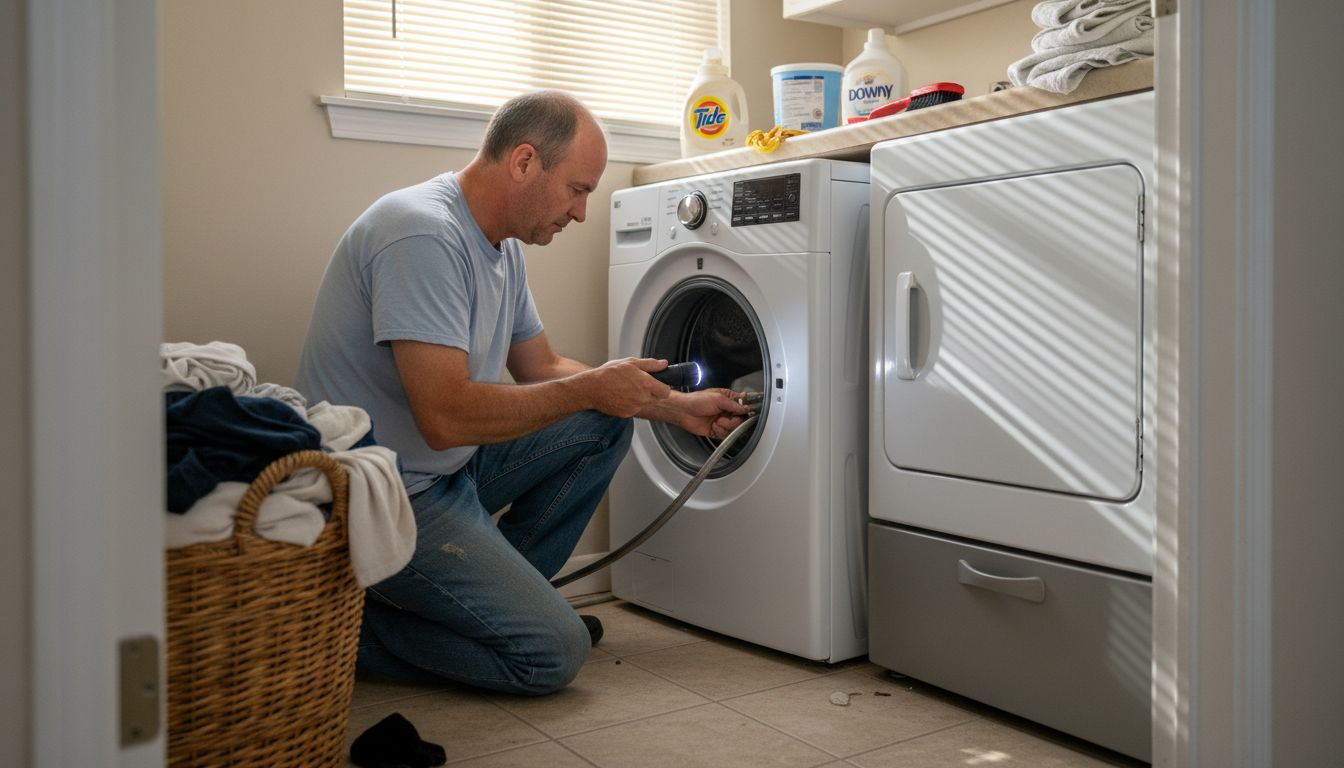
Most American families face the shock of learning that a single leaky washer hose or clogged dryer vent can lead to repair bills exceeding $1,000. For Marlboro homeowners, these common issues hit especially hard when busy routines leave little time for routine checks. Discover straightforward ways to keep your appliances running smoothly and avoid expensive surprises with care strategies trusted across the country.
Table of Contents
- 1. Inspect Hoses And Connections For Leaks
- 2. Clean Lint Traps And Dryer Vents Regularly
- 3. Wipe And Disinfect Washer Drum And Door Seals
- 4. Ensure Proper Leveling Of Both Appliances
- 5. Empty Pockets Before Washing Clothes
- 6. Use The Right Amount And Type Of Detergent
- 7. Schedule Routine Professional Maintenance
Quick Summary
| Takeaway | Explanation |
|---|---|
| 1. Inspect hoses every six months | Regular inspection prevents leaks, water damage, and costly repairs by identifying wear and tear in hoses and connections. |
| 2. Clean lint traps after every use | Regular cleaning reduces fire risks and improves dryer efficiency by preventing lint accumulation in the trap and vents. |
| 3. Disinfect washer drum monthly | Routine cleaning prevents mold and bacteria growth, maintaining a hygienic laundry environment and prolonging washer lifespan. |
| 4. Level appliances for stability | Proper leveling minimizes mechanical stress and prevents premature wear, ensuring optimal operation and prolonging appliance life. |
| 5. Schedule annual professional maintenance | Professional inspections optimize performance, identify issues early, and extend the lifespan of your washing machine and dryer. |
1. Inspect Hoses and Connections for Leaks
Checking your washer and dryer hoses is a critical maintenance step that can save you from potential water damage and expensive repairs. Hoses are the unsung heroes of your appliances, quietly transferring water and handling significant pressure every single wash cycle.
Proper hose inspection involves carefully examining the entire length of rubber and metal connections for any signs of wear, cracking, or potential leakage. According to research from Purdue University’s Extension publication, routine hose management improves appliance reliability and prevents safety hazards.
Start by visually inspecting all hose connections at both the washer and wall attachment points. Look for telltale signs of potential failure such as:
• Visible surface cracks
• Bulges or soft spots in the hose material
• Mineral buildup around connection points
• Rust or corrosion on metal fittings
• Loose or worn clamps
As recommended by industrial safety experts, replace hoses that show any signs of degradation immediately. Most manufacturers suggest checking hoses every six months and replacing them every three to five years, even if they appear intact.
Pro tip: Always keep a bucket and towels nearby during hose inspections to quickly catch any unexpected water release and prevent potential floor damage.
2. Clean Lint Traps and Dryer Vents Regularly
Lint accumulation might seem harmless, but it poses a serious fire risk in your home that most people underestimate. Keeping your dryer’s lint trap and vents clean is not just about maintaining appliance efficiency but also protecting your family’s safety.
According to research from consumer safety experts, lint buildup can significantly increase the risk of house fires. Every time you run your dryer, tiny fabric fibers collect in the lint trap and surrounding ventilation system, creating a highly flammable environment.
How to Clean Lint Traps:
• Remove lint screen before or after each drying cycle
• Gently roll lint off with your fingers
• Wash the lint trap screen with mild soap every few months to remove waxy buildup
• Check for tears or damage in the lint screen
Dryer Vent Maintenance:
• Disconnect the dryer and clean the vent hose quarterly
• Use a specialized lint removal brush or vacuum attachment
• Check exterior vent opening for blockages
• Consider professional cleaning annually
Proper lint management can improve your dryer’s performance, reduce energy consumption, and most importantly prevent potential fire hazards.
Pro tip: Keep a small trash bin near your dryer for quick lint disposal and make lint trap cleaning a routine part of every laundry cycle.
3. Wipe and Disinfect Washer Drum and Door Seals
Your washer might look clean on the outside, but hidden moisture and residue can create a breeding ground for bacteria and mold. Regular disinfection of your washer drum and door seals is crucial for maintaining a hygienic laundry environment and preventing unpleasant odors.
Safe cleaning practices involve more than just a quick wipe down. Moisture trapped in rubber seals can quickly develop microbial growth that spreads to your clothing and potentially causes health issues.
Recommended Cleaning Process:
• Remove all clothing and items from washer
• Wipe down drum interior with microfiber cloth
• Pay special attention to door seal crevices
• Use hydrogen peroxide or specialized washing machine cleaner
• Allow washer to air dry completely after cleaning
What to Avoid:
• Harsh chemical cleaners that can damage rubber seals
• Abrasive scrubbing materials
• Leaving moisture inside the washer after cleaning
Consistent maintenance prevents bacterial buildup and ensures your washer remains fresh and functional. By dedicating just a few minutes to thorough cleaning, you can extend your appliance’s lifespan and protect your family’s health.
Pro tip: Leave your washer door open between wash cycles to allow complete air drying and prevent moisture accumulation.
4. Ensure Proper Leveling of Both Appliances
A washer or dryer sitting unevenly is more than an aesthetic issue it can cause significant mechanical stress and potential long term damage. Understanding how to properly level your appliances is a critical maintenance skill that can save you hundreds of dollars in potential repairs.
Safe maintenance protocols emphasize the importance of equipment stability to prevent operational issues and mechanical failures. An unlevel appliance creates uneven load distribution which increases wear on critical components and can lead to premature breakdowns.
Tools Needed for Leveling:
• Bubble level
• Adjustable wrench
• Wooden shims (optional)
Leveling Process:
• Place bubble level on top of washer or dryer
• Check horizontal and vertical alignment
• Adjust leveling feet at bottom of appliance
• Rotate feet clockwise to raise
• Rotate feet counterclockwise to lower
• Recheck level after each adjustment
Warning Signs of Improper Leveling:
• Excessive vibration during operation
• Loud banging or thumping sounds
• Uneven washing or drying
• Visible rocking or instability
Regular leveling checks can significantly extend your appliances useful life and ensure optimal performance.
Pro tip: Perform leveling checks every six months or immediately after moving your appliances to a new location.
5. Empty Pockets Before Washing Clothes
That forgotten tissue or loose coin in your pocket can transform a routine laundry load into a potential disaster. Emptying pockets might seem like a minor step, but it is a critical preventive measure to protect both your clothes and your washing machine.
Laundry preparation experts recommend thoroughly checking every garment before tossing it into the wash. Small objects like ballpoint pens, receipts, and loose change can cause significant damage to your clothing and appliance.
Potential Pocket Hazards:
• Paper items disintegrating into tiny pieces
• Ink stains from leaking pens
• Metal objects scratching drum surfaces
• Electronic devices getting water damaged
• Tissues leaving lint on entire load
Recommended Pocket Check Process:
• Turn garments inside out
• Check all pockets systematically
• Remove all items
• Shake out any remaining debris
• Do this for every piece of clothing
By taking a moment to empty pockets, you protect your investment in both clothing and appliances. The few seconds spent checking can save you from expensive repairs or ruined laundry.
Pro tip: Create a small dish near your laundry area to collect pocket contents and train family members to empty their pockets before tossing clothes in the hamper.
6. Use the Right Amount and Type of Detergent
Using the correct amount and type of detergent is like a precise science that can significantly impact your laundry’s cleanliness and your appliance’s longevity. Most people unknowingly use far more detergent than necessary, causing potential damage to both clothes and washing machines.
Laundry experts recommend using about 1.5 ounces of detergent for a standard load to maximize cleaning efficiency without wasting product or harming your appliance.
Detergent Selection Guidelines:
• Match detergent to fabric type
• Consider water hardness
• Use high efficiency detergent for HE machines
• Measure precisely using machine markings
• Adjust quantity based on load size
Common Detergent Mistakes:
• Pouring detergent directly on clothes
• Using same amount for every load
• Ignoring fabric care labels
• Selecting wrong detergent type
• Overfilling detergent compartment
Smart detergent usage protects your clothing fibers, prevents residue buildup, and maintains your washer’s performance over time.
Pro tip: Keep a small measuring cup near your detergent to ensure consistent and accurate dosing for every load.
7. Schedule Routine Professional Maintenance
Your washer and dryer might seem like low maintenance appliances, but they require professional attention to prevent unexpected breakdowns and costly repairs. Regular professional maintenance is an investment that can significantly extend the life of your valuable home appliances.
Maintenance experts recommend establishing a structured care plan that includes comprehensive inspections, cleaning, adjustments, and potential part replacements to ensure optimal performance and reliability.
Benefits of Professional Maintenance:
• Identify potential issues before they escalate
• Optimize appliance efficiency
• Prevent unexpected breakdowns
• Extend equipment lifespan
• Maintain manufacturer warranty requirements
What Professional Maintenance Typically Includes:
• Thorough internal component inspection
• Cleaning of hard to reach areas
• Lubrication of moving parts
• Checking electrical connections
• Testing overall system performance
• Replacing worn components
Most manufacturers suggest scheduling professional maintenance annually or every 12 to 18 months, depending on your appliance usage and model specifications.
Pro tip: Schedule your washer and dryer maintenance during slower seasons like early fall or late winter to ensure faster service and potentially lower rates.
Below is a comprehensive table summarizing the main maintenance tips, benefits, and processes for optimizing the longevity and safety of washers and dryers as discussed throughout the article.
| Maintenance Area | Key Actions | Benefits |
|---|---|---|
| Inspect Hoses and Connections | Examine for wear, cracks, bulges, and corrosion; replace as needed | Prevent leaks, ensure reliable operation, avoid water damage |
| Clean Lint Traps and Dryer Vents | Remove lint; wash screens; vacuum vent hoses regularly | Mitigate fire risks and optimize drying efficiency |
| Disinfect Washer Drum and Door Seals | Wipe drum; clean seals with suitable agents; air-dry the washer | Prevent microbial growth, maintain hygiene, eliminate odors |
| Ensure Proper Leveling | Use a bubble level; adjust feet clockwise or counterclockwise | Reduce vibration, protect components, improve performance |
| Empty Pockets Before Washing | Check and remove items systematically; provide collection space | Prevent drum damage, avoid clothes malfunction, minimize laundry issues |
| Use Right Detergent Method | Measure correctly; match detergent to fabric and machine type | Protect appliance efficiency, avoid buildup, clean clothes effectively |
| Schedule Professional Maintenance | Arrange annual inspections, cleaning, component lubrication | Detect issues early, extend appliance lifespan, maintain warranties |
Protect Your Washer and Dryer with Trusted Local Experts
Maintaining your washer and dryer with essential steps like inspecting hoses, cleaning lint traps, and scheduling professional checkups is crucial for preventing costly repairs and potential safety risks. If you want peace of mind knowing your appliances are running safely and efficiently, it is important to partner with experienced technicians who understand these challenges and provide reliable solutions. Whether you face leaks, unusual noises, or need expert advice on proper upkeep, help is just a call away.
Don’t wait for an emergency to disrupt your day. At Expert Appliance Repair, we specialize in fast, same-day repair and maintenance services for washers, dryers, and all major home appliances in Marlboro and Monmouth County. Visit our Appliance Archives to learn how we can help keep your laundry routine smooth. Take control of your appliance care now and schedule a service with trusted professionals who stand behind their work with upfront pricing and family-owned dedication.
Frequently Asked Questions
How often should I inspect the hoses and connections of my washer and dryer?
Inspect your washer and dryer hoses and connections at least every six months. Look for signs of wear, cracking, or mineral buildup, and replace hoses showing any degradation every three to five years.
What is the best way to clean the lint traps and dryer vents?
Clean the lint traps before or after each drying cycle by removing lint and washing the screen every few months. Additionally, disconnect your dryer vent hose quarterly and remove any lint buildup to minimize fire hazards and improve efficiency.
How can I disinfect the washer drum and door seals effectively?
Disinfect your washer drum and door seals by using a microfiber cloth and hydrogen peroxide or a specialized washing machine cleaner. Ensure that the door remains open between wash cycles to allow proper air circulation and prevent moisture buildup.
Why is it important to ensure my washer and dryer are level?
Properly leveling your washer and dryer prevents unnecessary mechanical stress that can lead to premature breakdowns. Use a bubble level to check alignment and adjust the leveling feet as needed at least every six months.
What should I do before washing clothes to protect my washer and clothes?
Always empty pockets before washing clothes to prevent damage from small items like coins or tissues. Turn garments inside out and systematically check all pockets to avoid surprises in the wash.
How can I determine the right amount of detergent to use for my laundry?
Use about 1.5 ounces of detergent for a standard load to ensure optimal cleaning without excess buildup. Measure detergent accurately using machine markings and adjust based on the size of your load to maintain appliance health.
Recommended
- Washing Machine Repair Workflow for Fast, Reliable Service – Expert Appliance
- Complete Guide to Common Washing Machine Issues – Expert Appliance
- 7 Essential Appliance Maintenance Schedule Tips for Homeowners – Expert Appliance
- How Washing Machines Clean – Science and Practical Impact – Expert Appliance
- 10 Essential Tips for Your Spring Cleaning Kitchen Checklist
- 7 Essential Steps: Wood Floor Cleaning Checklist for Commack – Expert Wood Floor Refinishing Company | Savera Hardwood Services