
Nearly every American homeowner will face vacuum cleaner trouble at some point, and studies show that over 60 percent of American households report at least one vacuum malfunction within five years. Reliable cleaning becomes a challenge when your vacuum loses suction or the motor fails unexpectedly. Knowing the common issues and when to seek professional repair can help you keep your home spotless while saving money and avoiding unnecessary appliance replacement.
Table of Contents
- Defining Vacuum Repair For Homeowners
- Common Types Of Vacuum Issues And Failures
- How Professional Vacuum Repair Works
- Routine Maintenance Versus Emergency Repairs
- Cost, Time, And Diy Versus Professional Options
Key Takeaways
| Point | Details |
|---|---|
| Importance of Professional Repair | While DIY fixes can address minor issues, comprehensive professional diagnostics extend the lifespan and functionality of vacuums. |
| Common Vacuum Issues | Homeowners should be aware of frequent problems like suction loss and motor dysfunction, which require timely professional assessment. |
| Routine Maintenance vs. Emergency Repairs | Regular maintenance prevents costly breakdowns, whereas emergency repairs are often more expensive and disruptive to cleaning routines. |
| Cost Considerations | Evaluate whether repairs are financially prudent, ideally when costs are less than 50% of a new vacuum’s price, focusing on units under five years old. |
Defining Vacuum Repair for Homeowners
Vacuum repair is a specialized service designed to diagnose, troubleshoot, and restore functionality to household vacuum cleaners that have developed mechanical or performance issues. Homeowners encounter various challenges with their vacuums, from reduced suction power to complete motor failures, which can significantly impact their cleaning efficiency. Diagnostic processes involve examining critical components to identify and resolve underlying problems.
Typical vacuum repair services address multiple common issues that can compromise your cleaning equipment’s performance. These include:
- Suction mechanism malfunctions
- Electrical system disruptions
- Motor wear and degradation
- Filter and airflow blockages
- Belt and roller mechanism problems
- Damaged or worn brush components
Professional vacuum repair technicians use specialized diagnostic tools and technical expertise to assess and remedy these complications. Unlike simple DIY fixes, professional repair services ensure comprehensive evaluation and precise restoration of your vacuum’s functionality. Home warranty programs often provide coverage for such appliance repairs, offering homeowners additional financial protection and peace of mind.
Understanding the intricacies of vacuum repair helps homeowners make informed decisions about maintaining their cleaning equipment. While some minor issues can be addressed through basic maintenance, complex mechanical problems require professional intervention. By recognizing the signs of vacuum deterioration early and seeking timely professional repair services, homeowners can extend their appliance’s lifespan, maintain optimal cleaning performance, and avoid costly full replacement scenarios.
Common Types of Vacuum Issues and Failures
Homeowners frequently encounter a range of vacuum performance problems that can significantly impact cleaning effectiveness. Vacuum cleaners often develop multiple mechanical and functional challenges that require professional diagnostic attention. Understanding these common issues helps homeowners recognize when professional repair services become necessary.
The most prevalent vacuum problems include:
- Suction Power Loss: Dramatic reduction in cleaning ability
- Motor Dysfunction: Complete failure or inconsistent performance
- Electrical System Issues: Problems with power supply or internal wiring
- Brush Roll Malfunction: Ineffective or non-rotating cleaning heads
- Filter Blockages: Reduced airflow and cleaning efficiency
- Mechanical Wear: Degradation of critical moving components
Modern vacuum diagnostic processes often reveal complex interconnected system failures that extend beyond simple component replacement. Stick vacuums, for instance, frequently experience battery life deterioration and cleaning head jamming, which can render the entire unit ineffective. Professional technicians utilize specialized tools to precisely identify root causes of these mechanical breakdowns.
Recognizing early warning signs is crucial for preventing complete vacuum failure. Unusual noises, inconsistent suction, burning odors, or visible component damage all indicate potential serious issues requiring immediate professional assessment. By understanding these common problems and seeking timely expert intervention, homeowners can significantly extend their vacuum’s operational lifespan and maintain optimal cleaning performance.
How Professional Vacuum Repair Works
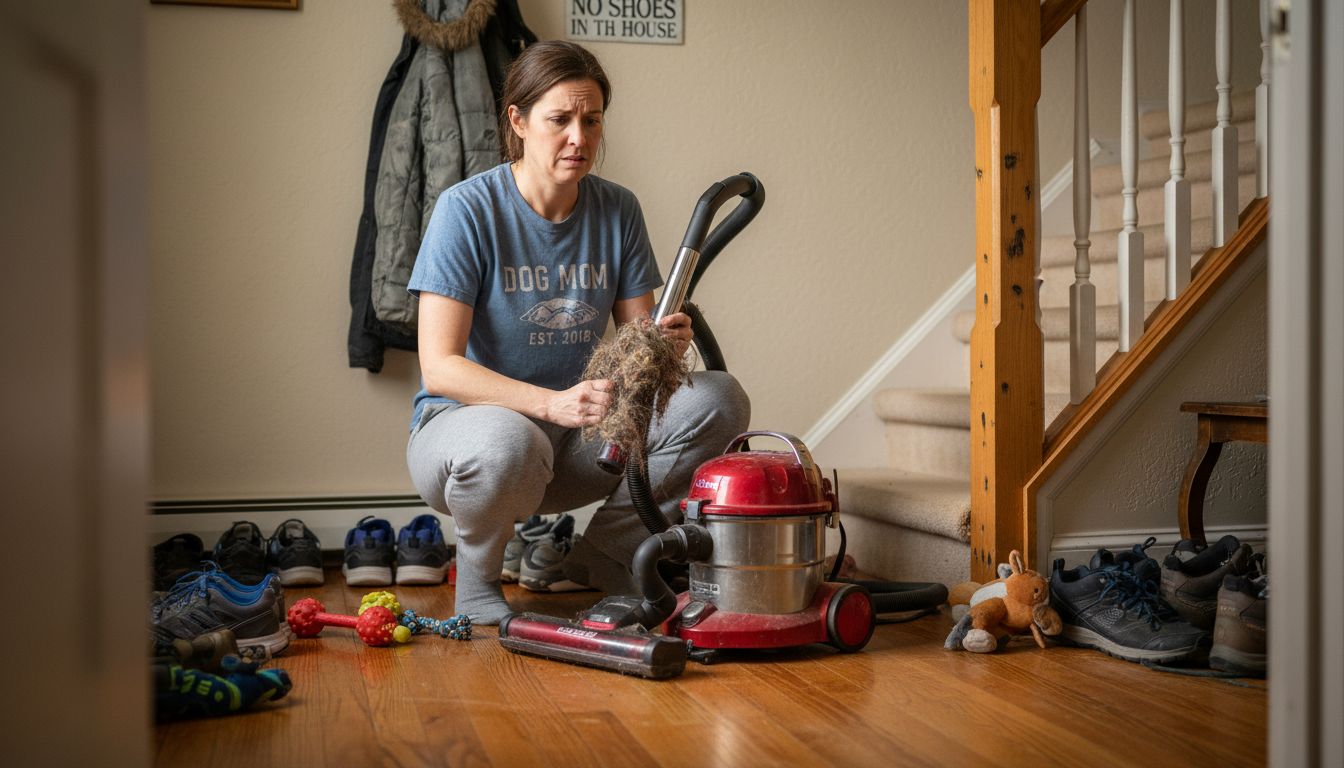
Professional vacuum repair involves a comprehensive diagnostic and restoration process that goes far beyond simple maintenance. Technicians systematically investigate complex mechanical issues by carefully examining each component’s functionality, performance, and potential failure points. This meticulous approach ensures that underlying problems are precisely identified and effectively resolved.
The professional vacuum repair process typically follows these critical stages:
- Initial Diagnostic Assessment
- Visual inspection of external components
- Detailed performance testing
- Identification of specific mechanical failures
- Comprehensive System Analysis
- Electrical system evaluation
- Motor and mechanical component inspection
- Suction and airflow performance measurement
- Precision Repair Techniques
- Component-specific replacement
- Calibration of mechanical systems
- Restoration of optimal vacuum functionality
Highly trained repair technicians utilize specialized diagnostic tools and equipment to uncover intricate issues that might escape untrained observation. They understand the complex interactions between electrical systems, mechanical components, and airflow mechanisms that contribute to a vacuum’s overall performance. This expertise allows them to address problems ranging from simple belt replacements to intricate motor repairs, ensuring that each vacuum is restored to its maximum operational potential.
The value of professional vacuum repair extends beyond immediate problem resolution. By addressing issues promptly and comprehensively, technicians help homeowners avoid costly full replacements, extend their appliance’s operational lifespan, and maintain peak cleaning efficiency. Each repair becomes an investment in long-term household equipment reliability, providing peace of mind and significant economic benefits for conscientious homeowners.
Routine Maintenance Versus Emergency Repairs
Regular vacuum maintenance helps prevent unexpected breakdowns and significantly reduces the likelihood of costly emergency repairs. Homeowners who invest time in routine care can extend their vacuum’s operational lifespan, maintain optimal cleaning performance, and avoid sudden mechanical failures that disrupt household cleaning routines.
The key differences between routine maintenance and emergency repairs include:
- Routine Maintenance
- Proactive and preventative approach
- Low-cost interventions
- Scheduled cleaning and inspection
- Minimal disruption to household operations
- Emergency Repairs
- Reactive problem-solving
- Higher associated costs
- Unexpected service interruptions
- Potential complete system replacement
Strategic vacuuming practices help minimize potential mechanical issues by addressing potential problems before they escalate. Routine maintenance typically involves fundamental tasks such as emptying dustbins, cleaning or replacing filters, checking electrical connections, and removing potential obstructions from brush rolls and suction pathways. These simple yet critical interventions prevent minor issues from developing into major mechanical failures.
Emergency repairs, in contrast, represent urgent interventions required when routine maintenance has been neglected or unexpected mechanical failures occur. These situations often involve more comprehensive diagnostics, potentially more expensive component replacements, and longer service times. Professional technicians must conduct thorough system evaluations to determine the root cause of sudden vacuum malfunctions, which can range from electrical system failures to complete motor breakdowns. By understanding the distinction between routine care and emergency repairs, homeowners can make informed decisions that protect their investment and ensure consistent cleaning performance.
Cost, Time, and DIY Versus Professional Options
DIY troubleshooting can address some basic vacuum maintenance challenges, but homeowners must carefully evaluate the complexity of their specific repair needs. Understanding the balance between cost-effective self-repair and professional intervention is crucial for maintaining appliance functionality and avoiding potential long-term damage.
Key considerations when deciding between DIY and professional vacuum repair include:
- DIY Repair Scenarios
- Minor blockage removal
- Simple belt replacements
- Cleaning filter systems
- Basic external component maintenance
- Professional Repair Recommended
- Complex electrical system issues
- Motor and internal mechanism failures
- Advanced diagnostic requirements
- Warranty preservation
- Safety-critical repairs
Determining whether to repair or replace a vacuum depends on multiple economic factors, including repair costs, appliance age, and overall performance potential. Homeowners should consider repairs that cost less than 50% of a new vacuum’s price, focusing on units less than five years old with otherwise reliable performance histories. Professional technicians can provide accurate assessments that help consumers make informed decisions about whether comprehensive repair or replacement represents the most financially prudent approach.
Ultimately, the decision between DIY and professional vacuum repair hinges on technical complexity, personal skill level, and potential risk. While minor interventions can save money, improper repairs might cause additional damage, void warranties, or create safety hazards. Professional repair services offer expertise, specialized diagnostic tools, and guaranteed workmanship that often prove more cost-effective in the long term, especially for sophisticated modern vacuum systems with intricate electronic and mechanical components.
Restore Your Vacuum with Trusted Local Expertise
Vacuum repair challenges like loss of suction power, motor issues, or clogged filters can disrupt your daily cleaning routine and cause frustration. If you are facing these common problems highlighted in the article, Expert Appliance Repair in Marlboro, New Jersey offers fast, professional solutions designed to bring your vacuum cleaner back to peak performance. Avoid costly replacements and benefit from our thorough diagnostics and precise repairs tailored to keep your vacuum operating reliably.

Discover why local homeowners trust our family-owned business since 1988 for same-day vacuum repair in Monmouth County. Whether you need routine maintenance or emergency service, our skilled technicians provide upfront pricing and guaranteed satisfaction. Act now to prevent further damage and extend your vacuum’s lifespan. Visit our Vacuums Archives – Expert Appliance to learn more or schedule your service at Expert Appliance Repair. We are ready to help you maintain a cleaner home today.
Frequently Asked Questions
What is vacuum repair?
Vacuum repair is a specialized service that diagnoses and restores the functionality of household vacuum cleaners experiencing mechanical or performance issues, ensuring efficient cleaning capabilities.
Why is professional vacuum repair important?
Professional vacuum repair is important because it ensures a comprehensive evaluation and precise resolution of complex issues, extending the vacuum’s lifespan and maintaining optimal performance, which may not be achievable through DIY fixes.
What are common problems that require vacuum repair?
Common problems include loss of suction power, motor dysfunction, electrical system issues, filter blockages, and mechanical wear, all of which can significantly impact cleaning efficiency.
How can I tell if my vacuum needs professional repair?
Signs that indicate your vacuum may need professional repair include unusual noises, inconsistent suction, burning odors, or visible damage to components, all of which suggest potential serious issues that should be addressed immediately.
Recommended
- Vacuum Repair | Vacuum Cleaner Repair | Appliance Repair Service
- What Is Local Appliance Service? Complete Overview – Expert Appliance
- Why a Family-Owned Appliance Repair Company is Your Best Choice – Expert Appliance
- Commercial vs Residential Appliance Repairs Explained – Expert Appliance
- How to Minimize Downtime: Efficient Diesel Injection Repairs – My WordPress