
Over half of American households experience preventable stove repairs each year costing hundreds more than regular upkeep. For Marlboro homeowners and property managers, skipping consistent maintenance can turn a small issue into a major expense. By understanding what real stove maintenance involves, you get practical steps to extend the life of your appliance, reduce costs, and safeguard your kitchen against unexpected breakdowns.
Table of Contents
- What Stove Maintenance Really Means
- Types Of Residential Stoves And Their Needs
- How Maintenance Prevents Common Stove Problems
- Safety Risks From Neglected Stoves
- Cost Savings From Regular Stove Care
Key Takeaways
| Point | Details |
|---|---|
| Comprehensive Maintenance is Essential | Regular and systematic stove maintenance enhances performance and prevents major issues, saving costs in the long term. |
| Different Stoves Have Unique Needs | Gas, electric, wood, and pellet stoves require tailored maintenance protocols to ensure safety and efficiency. |
| Proactive Care Prevents Hazards | Regular inspections can identify safety risks like gas leaks or electrical shorts before they lead to emergencies. |
| Cost Savings from Regular Maintenance | Implementing routine care can reduce appliance-related expenses by 25% to 40%, optimizing energy efficiency and prolonging lifespan. |
What Stove Maintenance Really Means
Stove maintenance represents far more than occasional cleaning or random repairs. At its core, maintenance is a systematic approach to preserving your appliance’s performance, safety, and longevity. According to the Department of Energy, maintenance encompasses all deliberate actions taken to keep equipment in proper working condition, which means proactively addressing potential issues before they escalate into expensive problems.
Effective stove maintenance involves several critical components that go beyond surface-level care. These include regular cleaning, component inspection, lubrication of moving parts, checking electrical connections, and monitoring performance indicators. Homeowners should pay close attention to signs like uneven heating, unusual noises, gas odors, or electrical inconsistencies. Each of these could signal underlying issues that require professional assessment from experts who understand the intricate mechanics of kitchen appliances.
The primary goals of comprehensive stove maintenance include preventing unexpected breakdowns, maximizing energy efficiency, ensuring safe operation, and extending the appliance’s overall lifespan. By implementing a proactive maintenance strategy, New Jersey homeowners can potentially save hundreds of dollars in potential repair or replacement costs. This approach transforms maintenance from a reactive chore into a strategic investment in your home’s essential equipment.
Pro tip: Schedule a professional stove inspection annually to catch potential issues before they become major problems, and keep a maintenance log to track your appliance’s performance history.
Types of Residential Stoves and Their Needs
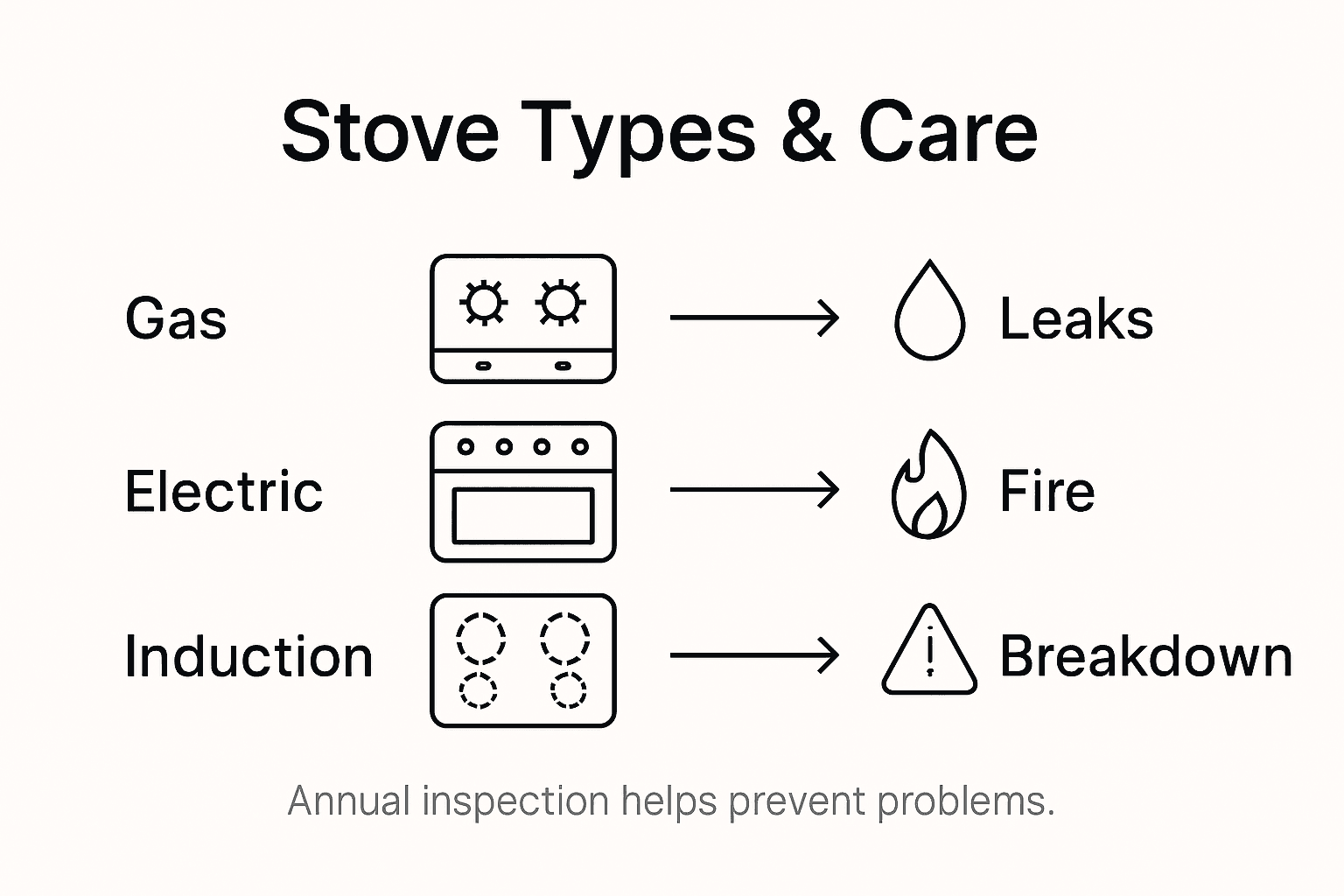
Residential stoves come in several distinct varieties, each with unique maintenance requirements and operational characteristics. Modern homes typically feature gas, electric, wood, and pellet stove configurations, which demand specialized care approaches to ensure optimal performance and safety. Understanding the specific needs of each stove type is crucial for New Jersey homeowners looking to maintain their kitchen appliances effectively.
Gas stoves represent the most common residential option, offering precise temperature control and quick heating. These models require regular inspection of gas lines, burner assemblies, and ignition systems. Electric stoves, while generally simpler, need careful monitoring of heating elements, control panels, and electrical connections. Wood and pellet stoves present more complex maintenance challenges, including comprehensive chimney cleaning, combustor inspections, and emission system maintenance.
Each stove type has specific maintenance protocols that homeowners should understand. Gas stoves require annual professional inspections to check for gas leaks and ensure proper ventilation. Electric stoves need periodic element replacement and careful cleaning to prevent electrical issues. Wood and pellet stoves demand more intensive maintenance, including regular ash removal, seal inspections, and thorough chimney cleaning to prevent potential fire hazards.
Pro tip: Create a dedicated maintenance calendar specific to your stove type, scheduling professional inspections and tracking routine care to extend your appliance’s lifespan and ensure optimal performance.
Here’s a quick comparison of maintenance needs for each stove type discussed:
| Stove Type | Maintenance Focus | Unique Risks | Professional Inspection Recommended |
|---|---|---|---|
| Gas | Gas line & burner checks | Leaks, toxic emissions | Annually |
| Electric | Heating element inspection | Electrical shorts, fires | Annually |
| Wood/Pellet | Chimney & seal cleaning | Creosote buildup, fires | Annually |
These cost factors illustrate the financial impact of proactive vs. reactive stove care:
| Approach | Typical Annual Cost | Long-Term Savings | Risk of Major Repair |
|---|---|---|---|
| Preventive Care | $100–$250 | 25%–40% reduction | Low |
| Reactive Repairs | $300–$800 | None | High |
How Maintenance Prevents Common Stove Problems
Regular maintenance is the frontline defense against costly and potentially dangerous stove malfunctions. Systematic maintenance procedures help prevent a wide range of common stove problems, from minor performance issues to serious safety hazards that could compromise your home’s functionality and your family’s well-being. Understanding the interconnected nature of stove components reveals why proactive care is so critical.
Some of the most prevalent stove problems directly stem from neglected maintenance. Gas stoves can develop dangerous gas leaks when seals and connections are not regularly inspected. Electric stoves might experience electrical shorts or heating element failures due to accumulated grease and debris. Wood and pellet stoves face unique challenges like creosote buildup, which dramatically increases fire risk and reduces overall efficiency. Each type of stove has specific vulnerabilities that routine maintenance can effectively mitigate.
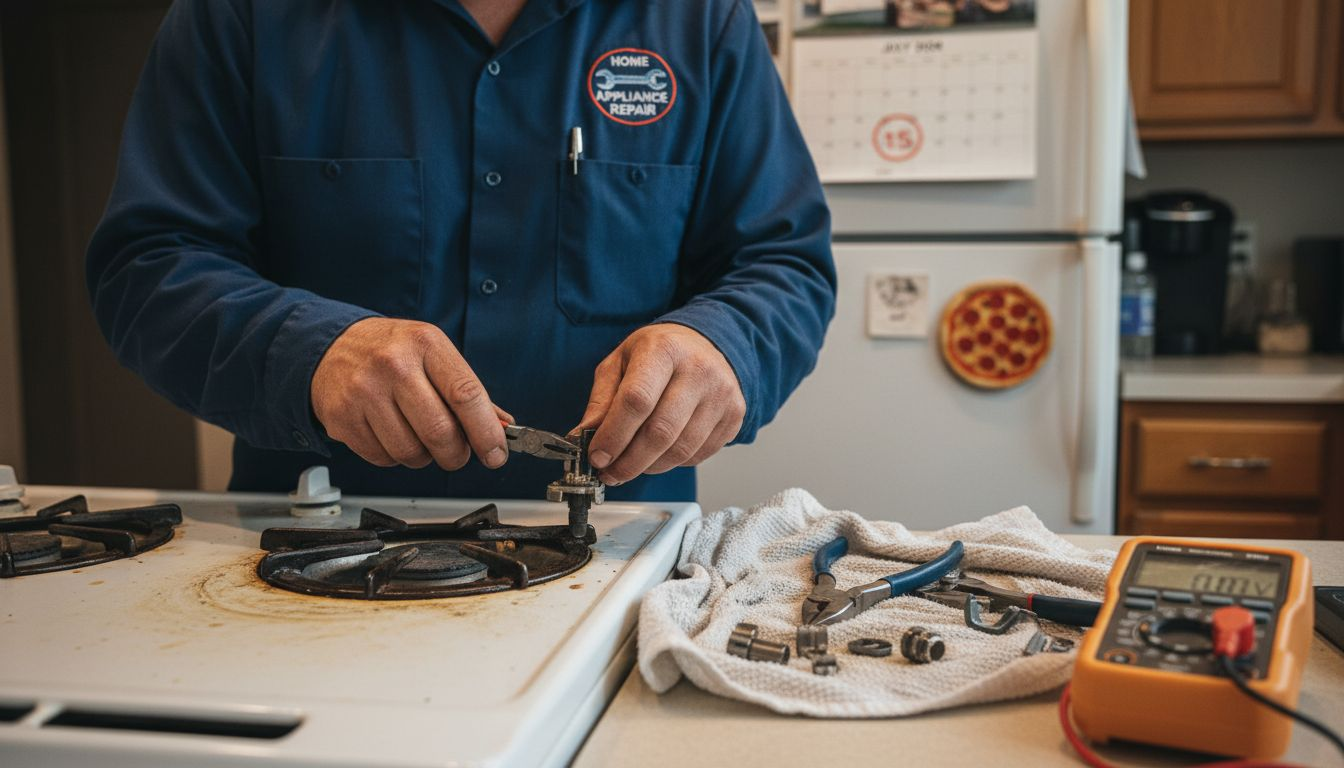
Preventive maintenance involves a comprehensive approach targeting multiple potential failure points. This includes cleaning burners and heating elements, checking and replacing worn gaskets, ensuring proper ventilation, inspecting electrical connections, and removing accumulated debris. Professional technicians recommend annual comprehensive inspections to catch emerging issues before they escalate into expensive repairs or dangerous malfunctions. By investing a small amount of time and resources in regular maintenance, homeowners can significantly extend their stove’s operational lifespan and maintain peak performance.
Pro tip: Create a detailed maintenance log tracking each inspection, cleaning, and repair to help identify potential issues early and maintain your stove’s warranty requirements.
Safety Risks From Neglected Stoves
Neglected stoves pose significant health and safety hazards that extend far beyond simple mechanical failures. Research from Stanford Woods Institute reveals alarming details about the potential dangers of unmaintained gas stoves, highlighting the critical need for regular maintenance and careful monitoring of household appliances. These risks are particularly pronounced for families with young children or individuals with respiratory sensitivities.
The most serious safety risks emerge from compromised stove components and accumulated contaminants. Gas stoves can develop dangerous leaks that release toxic compounds like nitrogen dioxide and benzene, which are known to cause respiratory problems and increase cancer risks. Electrical stoves with neglected wiring pose fire hazards, while wood and pellet stoves with uncleaned chimneys can create catastrophic fire conditions. Indoor air quality studies demonstrate that poorly maintained stoves significantly elevate health risks for vulnerable populations, particularly children and individuals with preexisting respiratory conditions.
Beyond immediate health concerns, neglected stoves can create long-term environmental and financial risks. Methane leaks contribute to climate change, while unaddressed mechanical issues can lead to complete appliance failure, resulting in expensive replacements. Professional annual inspections can identify potential problems before they escalate, protecting both your family’s health and your home’s infrastructure. New Jersey homeowners should view stove maintenance not as an optional chore, but as a critical investment in home safety and personal well-being.
Pro tip: Install carbon monoxide and natural gas detectors near your stove, and schedule professional inspections annually to catch potential safety issues before they become dangerous.
Cost Savings From Regular Stove Care
Research from the Department of Energy demonstrates that routine preventive maintenance can generate substantial financial benefits for homeowners, transforming stove care from a perceived expense into a strategic investment. By implementing consistent maintenance protocols, New Jersey residents can significantly reduce their long-term appliance-related expenses and avoid costly emergency repairs that often emerge from neglected equipment.
The economic advantages of regular stove maintenance extend beyond simple repair prevention. Well-maintained stoves operate more efficiently, consuming less energy and reducing monthly utility bills. Professional maintenance can improve appliance performance by up to 30%, ensuring optimal heating capabilities while minimizing unnecessary energy consumption. Minor maintenance tasks like cleaning burners, checking gas connections, and calibrating temperature controls can prevent major mechanical failures that could require complete stove replacement.
Financial experts in facility management have quantified the economic value of preventive maintenance, revealing that strategic care can reduce total ownership costs by preventing unexpected breakdowns. Homeowners who invest in annual professional inspections and perform routine maintenance typically save between 25% to 40% compared to those who only address issues reactively. These savings accumulate through reduced repair costs, improved energy efficiency, and extended appliance lifespans, making maintenance a financially prudent approach to home management.
Pro tip: Create a dedicated maintenance fund by setting aside a small monthly amount, which can help cover routine inspections and unexpected repair costs without financial strain.
Protect Your New Jersey Home With Expert Stove Maintenance
Maintaining your stove is about more than just keeping it clean. It means preventing costly repairs, avoiding safety risks like gas leaks or fires, and ensuring your appliance works efficiently for years to come. At Expert Appliance, we understand the unique challenges New Jersey homeowners face when it comes to stove care. Common issues such as uneven heating, faulty gas lines, or creosote buildup require trained professionals who know how to keep your stove safe and reliable.

Don’t wait until a small problem becomes a major emergency. Take advantage of our fast same-day service and 24/7 emergency support for stove repair and maintenance in Marlboro and the surrounding Monmouth County area. By scheduling regular inspections with our experienced team, you can enjoy peace of mind knowing your stove operates safely and efficiently. Visit Expert Appliance Repair today to learn more about our comprehensive Appliance Archives – Expert Appliance services and how proactive stove maintenance can save you money and protect your home. Contact us now and make stove care a priority before issues arise.
Frequently Asked Questions
What is stove maintenance?
Stove maintenance refers to the systematic actions taken to keep a stove in proper working condition, including regular cleaning, inspecting components, and addressing potential issues before they escalate.
Why is regular stove maintenance important?
Regular stove maintenance is crucial for preventing unexpected breakdowns, maximizing energy efficiency, ensuring safe operation, and extending the appliance’s overall lifespan.
What are the common signs that my stove needs maintenance?
Common signs that indicate your stove may need maintenance include uneven heating, unusual noises, gas odors, or electrical inconsistencies.
How can I extend the lifespan of my stove?
To extend the lifespan of your stove, schedule annual professional inspections, keep a maintenance log, and implement routine cleaning and parts inspections to address potential issues early.
Recommended
- What Is Appliance Maintenance? Complete Guide for NJ Homes – Expert Appliance
- Stove Repair Instructions: Step-by-Step Fixes for Your Home – Expert Appliance
- 7 Essential Types of Home Appliances Every NJ Household Needs – Expert Appliance
- Certified Appliance Repair: Why Credentials Matter in NJ – Expert Appliance